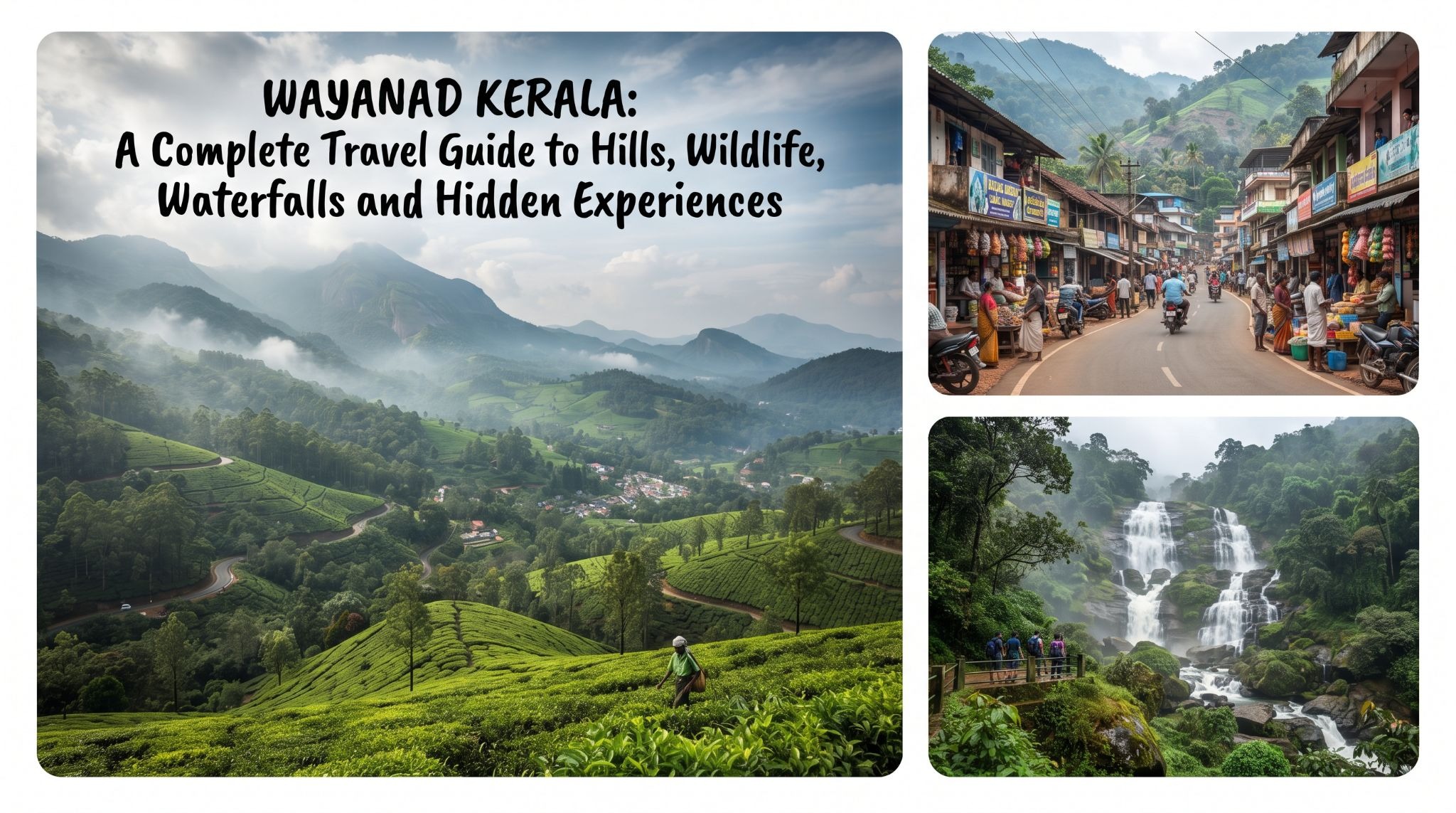
Wayanad Kerala feels different from the better-known beach destinations of the state. Here, the landscape rises into the Western Ghats, roads wind through forested slopes, coffee and spice plantations spread across the hills, and mist can settle over valleys without warning. The result is a destination where nature, history, wildlife and rural life are closely woven together.
A trip to Wayanad is not only about ticking off famous viewpoints. The district rewards travelers who slow down: exploring prehistoric rock engravings at Edakkal, looking for wildlife in protected forests, boating on mountain lakes, walking through plantations or simply taking the scenic road between towns. Whether you have a weekend or several days, Wayanad Kerala offers enough variety to build a trip around your own pace.
What Makes Wayanad Kerala Special?
Wayanad sits in Kerala’s Western Ghats and is known for its combination of forests, mountains, plantations, waterfalls, lakes, wildlife and cultural heritage. Kerala Tourism describes the region as a destination where natural landscapes, spice and plantation agriculture, biodiversity and tribal culture come together.
The name Wayanad is associated with Vayal Nadu, meaning the land of paddy fields, reflecting the agricultural character of the region. Its appeal comes partly from the contrast between cultivated landscapes and areas of dense forest.
It is also a destination that suits different kinds of travelers. Adventure seekers can look toward trekking and outdoor activities, families can choose easier sightseeing experiences, wildlife enthusiasts can explore the sanctuary areas, while couples and photographers can spend time around misty hills, lakes and plantations.
Best Places to Visit in Wayanad Kerala
Wayanad has enough attractions that trying to see everything in one rushed day can make the trip less enjoyable. A better approach is to combine places according to geography and the type of experience you want.
Edakkal Caves
Edakkal is one of the most distinctive historical attractions in the district. Despite its name, it is actually a prehistoric rock shelter formed by large rocks rather than a conventional cave. Its walls contain ancient engravings depicting human figures, animals, objects and other symbols. The district administration notes evidence associated with prehistoric habitation, including engravings dating back thousands of years.
The approach involves walking uphill, so comfortable footwear is useful. The combination of archaeology, rocky terrain and mountain scenery makes Edakkal particularly rewarding for travelers who want something beyond conventional sightseeing.
Banasura Sagar Dam
Banasura Sagar is one of Wayanad’s most recognizable landscapes. The reservoir is surrounded by hills, creating a broad panorama that looks especially striking when the water and surrounding greenery come together.
Boating is among the experiences associated with the destination, while the surrounding hills provide plenty of opportunities for photographs. The official district tourism site identifies Banasura Sagar as India’s largest earthen dam.
Pookode Lake
Pookode Lake offers a quieter type of sightseeing. Surrounded by greenery near Vythiri, the freshwater lake is associated with boating and nature-oriented activities. Kerala Tourism also highlights Pookode among Wayanad’s important attractions.
It works particularly well as part of a relaxed day rather than a rushed attraction-hopping schedule.
Chembra Peak
For travelers interested in trekking, Chembra Peak is one of the district’s best-known mountain experiences. It is described by the district tourism authority as the highest hill in Wayanad, with views across the surrounding landscape.
Trekking conditions and access arrangements can vary, so visitors should check current local guidance before planning a climb.
Wildlife Experiences in Wayanad Kerala
Wildlife is one of the strongest reasons to give Wayanad more than a quick stop. The Wayanad Wildlife Sanctuary consists of the Muthanga and Tholpetty sections and forms part of the Nilgiri Biosphere Reserve. Kerala Tourism identifies elephants and tigers among its important wildlife species.
A wildlife visit is different from visiting a zoo: sightings are never guaranteed, and the forest itself is part of the experience. The changing vegetation, bird calls and possibility of seeing animals in their natural habitat make the journey worthwhile even when the most elusive species remain unseen.
| Experience | Best suited to | What makes it interesting |
| Wildlife safari | Wildlife lovers | Opportunity to explore protected forest habitat |
| Nature walk | Slow travelers | Focuses on plants, birds and landscapes |
| Trekking | Adventure travelers | Combines physical activity with mountain scenery |
| Plantation visit | Culture and nature travelers | Introduces Wayanad’s agricultural landscape |
The sanctuary’s two main sections also make it useful to plan according to where you are staying rather than treating the whole district as one compact sightseeing zone.
Waterfalls, Lakes and Green Landscapes
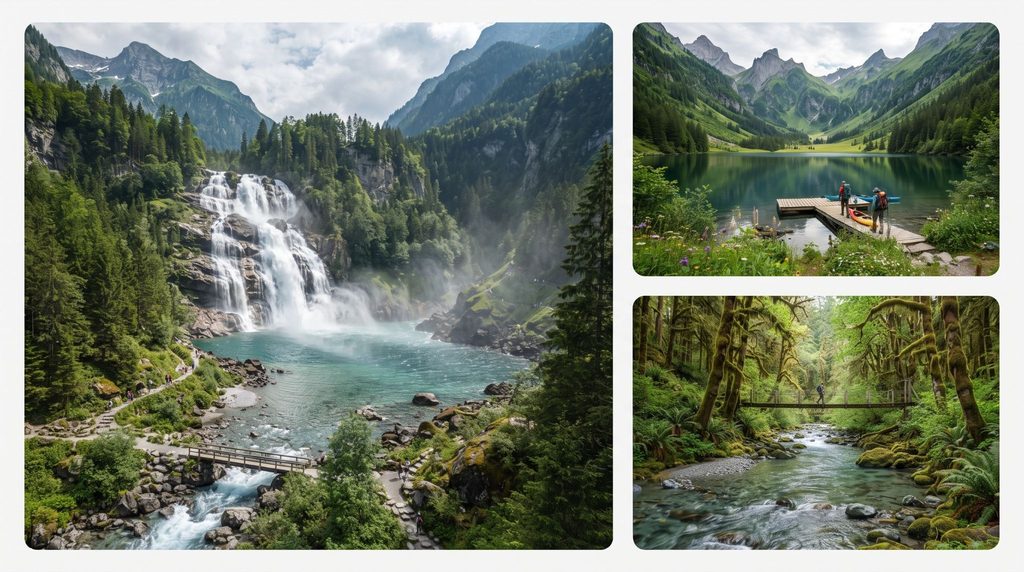
Water is an important part of Wayanad’s scenery. During and after the rainy period, streams and waterfalls can become especially dramatic, although heavy rain can also affect accessibility and outdoor activities.
Soochipara Waterfalls, Meenmutty Waterfalls and Kanthanpara Waterfalls are among the better-known waterfall experiences in the region. The district tourism information describes Kanthanpara as a relatively less-frequented waterfall suitable for an easy outing and picnic-style visit.
The broader landscape also includes lakes and reservoirs such as Pookode, Karlad and Banasura Sagar. This variety means you can build a day around easy scenic stops instead of choosing only demanding hikes.
Wayanad Kerala Through Local Culture and History
The district’s history is not limited to ancient rock engravings. Wayanad’s forests and hills have also played a role in the region’s more recent history, while indigenous communities remain an important part of its cultural identity.
Kerala Tourism highlights Wayanad’s tribal culture alongside its biodiversity, plantations and historic attractions.
Travelers should approach cultural experiences respectfully. Buying locally made handicrafts or products through legitimate community and tourism initiatives can be a more meaningful way to engage with local culture than treating communities simply as attractions.
For history enthusiasts, the Edakkal area provides the clearest window into the region’s ancient past, while museums and heritage sites can help place the archaeological discoveries in a broader context.
Food and Flavors to Try
A Wayanad trip is also an opportunity to experience Kerala cuisine in a landscape where spices and plantation crops are part of everyday life. Kerala Tourism highlights traditional dishes such as appam, stew, puttu and fish curry, with locally grown spices adding depth to the cuisine.
Rather than searching only for a highly rated restaurant, travelers can also pay attention to what is commonly prepared in the area where they are staying.
Look for:
- Appam with stew
- Puttu with suitable curries
- Kerala-style fish preparations
- Rice-based local meals
- Freshly prepared snacks
- Dishes using locally grown spices
Coffee and spice products also make natural souvenirs from a destination known for plantations and agricultural production.
Best Time to Visit Wayanad Kerala
The best time depends on the kind of trip you want. Kerala Tourism generally identifies October through May as the more favorable period for sightseeing and outdoor activities, while June through September brings the southwest monsoon and much heavier rainfall.
| Season | What to expect | Best for |
| October–November | Fresh greenery after the rains | Landscapes, sightseeing, photography |
| December–February | Cooler and generally comfortable conditions | Sightseeing, trekking and family trips |
| March–May | Warmer conditions in some areas | Early-day activities, nature and wildlife |
| June–September | Heavy monsoon influence | Rainy landscapes, mist and lush scenery |
The monsoon can make Wayanad exceptionally green, but it can also affect trekking, waterfalls, roads and wildlife visibility. Kerala Tourism specifically notes that wildlife experiences can become more difficult during periods of heavy rain.
Always check current weather and local access conditions before heading into forest or trekking areas.
How to Reach Wayanad Kerala
Wayanad does not have its own railway station, so many travelers approach the district by road from Kozhikode or other nearby cities. Calicut International Airport is one of the main air gateways used for reaching Wayanad, while Kozhikode serves as the nearest major rail connection commonly cited by tourism authorities.
Road travel is particularly important because the district itself is spread across a large hilly area.
| Travel option | Practical approach | Good for |
| Flight | Fly to Calicut International Airport, then continue by road | Long-distance travelers |
| Train | Travel to Kozhikode, then continue by road | Travelers using India’s rail network |
| Bus | Connect from nearby Kerala or neighboring-state cities | Budget-conscious travelers |
| Private car/taxi | Drive directly into Wayanad | Families, groups and flexible itineraries |
Road conditions and journey times can change with weather and traffic, especially during the monsoon, so current travel information is worth checking before departure.
Getting Around Wayanad
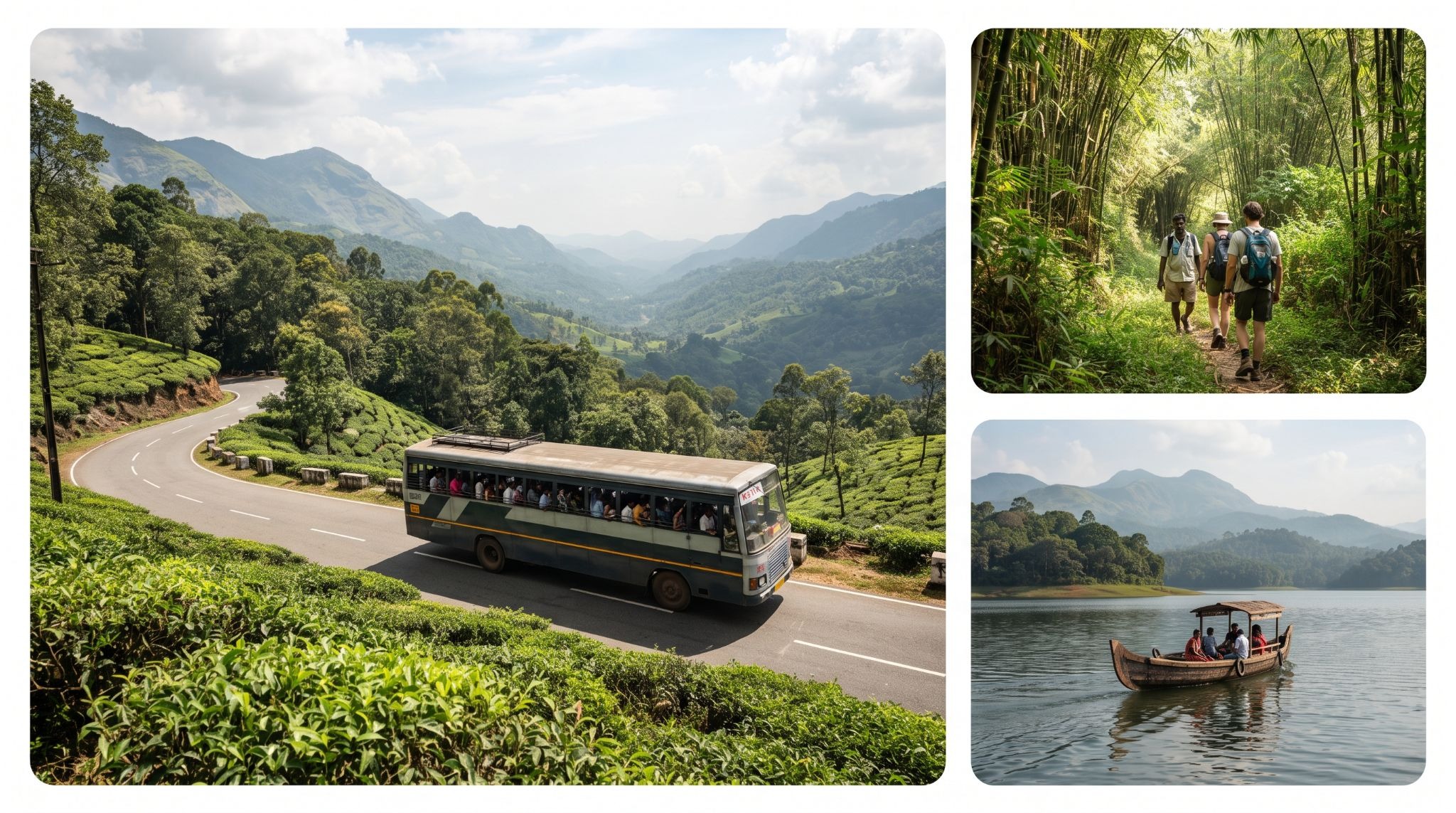
Wayanad is not a destination where every attraction sits within walking distance of the next. The district covers a broad area, and attractions are distributed around towns including Kalpetta, Mananthavady and Sulthan Bathery.
A private car or taxi can make sightseeing considerably easier, particularly when combining waterfalls, viewpoints, caves and wildlife areas.
Public transport can work for travelers on a tighter budget, but it generally requires more planning and flexibility. If your itinerary includes several remote attractions in one day, private transportation is usually the simpler option.
One useful strategy is to group nearby attractions together instead of repeatedly crossing the district.
Where to Stay in Wayanad Kerala
Choosing where to stay can shape the entire trip. Kalpetta is a practical base for travelers who want access to several parts of the district, while Vythiri is attractive for those who prefer a greener hill setting. Sulthan Bathery and Mananthavady can make sense depending on which attractions and wildlife areas you plan to visit.
Accommodation ranges from conventional hotels and resorts to plantation-style stays and nature-focused properties.
For a first trip, consider your itinerary before booking:
- Kalpetta: useful for a central sightseeing base.
- Vythiri: appealing for forests, hills and a quieter atmosphere.
- Sulthan Bathery: convenient for attractions toward the southern and southeastern side.
- Mananthavady: useful when exploring northern Wayanad.
The best location is not necessarily the most luxurious one; reducing daily driving can make a short trip considerably more enjoyable.
A Practical Wayanad Kerala Itinerary
A two- or three-day visit can cover a good range without turning the trip into a checklist.
Day 1: Hills and Scenic Wayanad
Start around the Vythiri side, allowing time for Pookode Lake and nearby viewpoints or plantation landscapes. Keep the afternoon relatively relaxed rather than trying to cover too many distant attractions.
Day 2: History and Water
Dedicate the day to Edakkal Caves and attractions around the Ambalavayal area. Depending on current access and your energy level, add a waterfall or another nearby scenic stop.
Day 3: Wildlife or Banasura Sagar
Choose between a wildlife-focused outing and the northern side of the district, including Banasura Sagar and surrounding landscapes.
| Trip length | Suggested focus | Ideal travel style |
| 2 days | Pookode/Vythiri + Edakkal or Banasura | Fast but focused |
| 3 days | Hills + heritage + wildlife/scenic attractions | Balanced first visit |
| 4–5 days | Major sights + wildlife + waterfalls + relaxed exploration | Slow and immersive |
The itinerary should remain flexible. Wayanad is more enjoyable when weather, road conditions and opening arrangements are allowed to influence the day’s plan.
Less-Obvious Ways to Experience Wayanad
The most memorable part of a Wayanad trip may not be its most photographed attraction. Leave room for the smaller details: a winding road through coffee plantations, a quiet viewpoint, changing mountain weather, local food or a slow morning surrounded by forest.
Kerala Tourism also promotes experiences such as rainforest trekking, spice tours, heritage and legend trails, river trails, camping and birdwatching.
For photographers, early morning and late afternoon can create softer light across hills and plantations. For families, lakes and easier scenic stops can provide a less physically demanding day. Adventure travelers can build their itinerary around trekking and outdoor activities.
That flexibility is part of Wayanad’s appeal.
Travel Tips for a Better Trip
A little preparation can make a noticeable difference.
- Carry comfortable footwear for uneven paths and uphill walks.
- Keep rain protection available, particularly outside the drier months.
- Do not assume every attraction will be accessible during heavy rainfall.
- Start early for trekking and outdoor sightseeing.
- Keep some flexibility in your itinerary for weather changes.
- Follow forest rules and never approach or feed wildlife.
- Check current entry conditions, safari availability and local restrictions before visiting protected areas.
- Carry water during longer walks.
- Respect local communities, religious places and protected landscapes.
- Avoid trying to cover the entire district in a single day.
Most importantly, avoid treating Wayanad as a simple collection of attractions. Its character comes from the spaces between them—the roads, forests, plantations and mountain scenery.
FAQs
Is Wayanad good for a first trip to Kerala?
Yes. It offers a broad mix of mountains, wildlife, waterfalls, historical sites, lakes and local food, making it suitable for travelers who want something different from Kerala’s coastal destinations.
How many days are enough for Wayanad?
Three days is a useful starting point for a first visit. It allows time for major attractions without requiring every day to be packed. Four or five days gives you more room for wildlife, waterfalls and slower exploration.
What is the best month to visit Wayanad?
The more comfortable sightseeing period generally falls between October and May. The monsoon from June to September brings much heavier rainfall, which can create beautiful landscapes but may affect outdoor activities.
Is Wayanad suitable for families?
Yes, particularly if you choose a relaxed itinerary. Lakes, scenic viewpoints, selected waterfalls and easier sightseeing stops can work well for families, while more demanding treks can be added according to age and fitness.
Is Wayanad mainly a nature destination?
Nature is a major part of its identity, but not the whole story. The district also combines archaeology, local culture, plantations, food, wildlife and history, which is why it can appeal to travelers with very different interests.
Conclusion
Wayanad is at its best when you give it enough time to reveal its different sides. One day might be about ancient engravings and another about forest wildlife; the next could be spent beside a lake, beneath misty hills or following a winding plantation road.
Rather than trying to see everything, choose the experiences that match your travel style and leave space for the landscape itself. That balance of nature, history, culture and quiet exploration is what makes Wayanad such a rewarding corner of Kerala.
Read More: Spiti Valley: A Complete Travel Guide to the High-Altitude Himalayan Desert

I am a travel enthusiast who loves exploring India’s beautiful destinations, culture, history, food, and hidden places. Through my travel website, I aim to help travelers discover amazing places in India and plan memorable trips with useful travel information and tips.