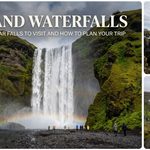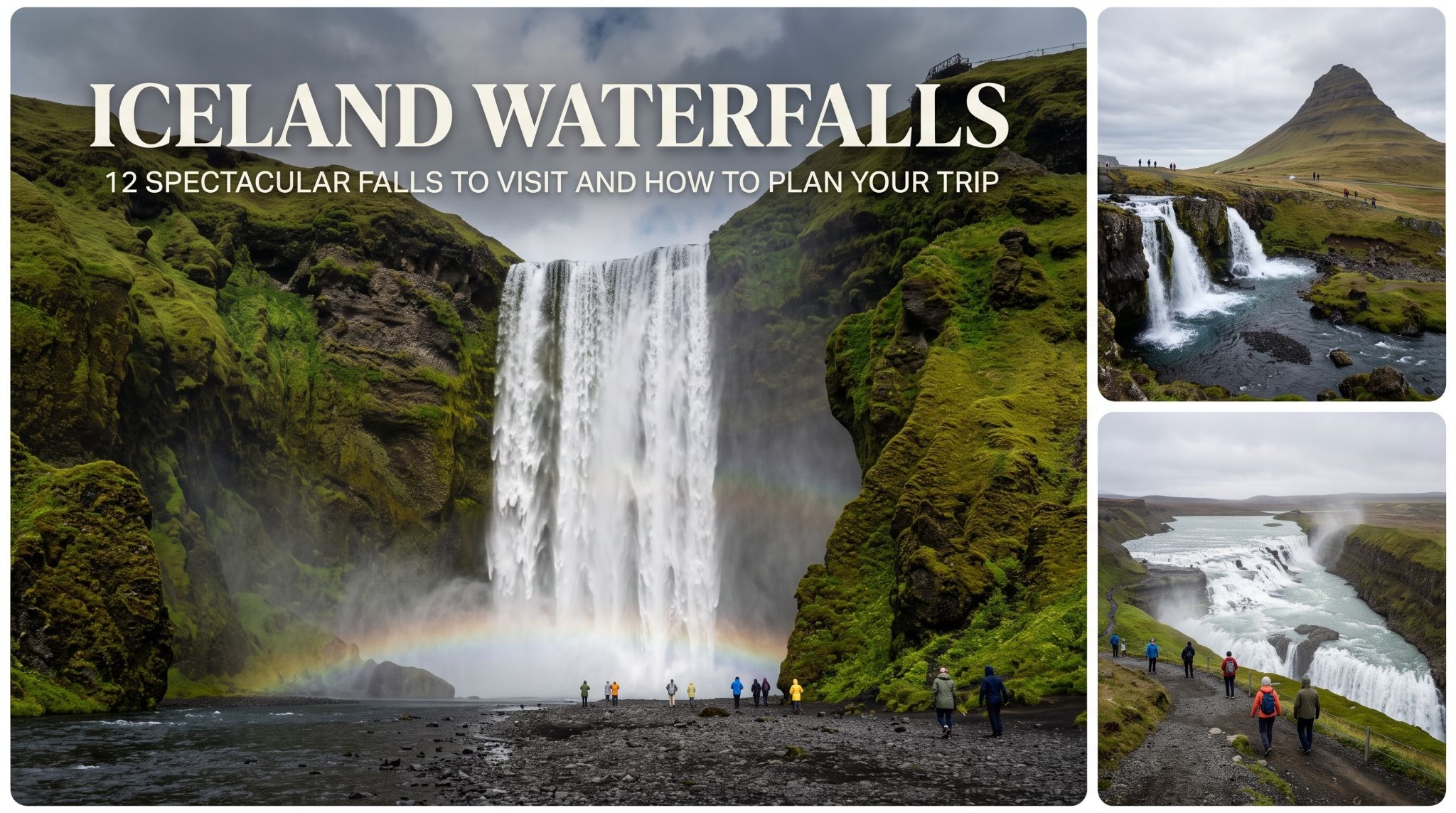
Iceland’s waterfalls are among the country’s most memorable natural attractions, but what makes them special is the variety. Some plunge over broad cliffs beside the Ring Road, others disappear into narrow volcanic canyons, and a few can be admired from behind the falling water itself. In one region, you might find a powerful curtain of white water framed by black basalt; farther east, a waterfall may tumble through a green valley beneath snow-covered mountains. Each setting gives the landscape a different character.
Exploring Iceland Waterfalls is also an excellent way to experience the country beyond its most famous viewpoints. This guide covers the falls worth prioritizing, what makes each one distinctive, when to visit, how to reach the main areas, and what to know about changing weather and trail conditions. Whether you are planning a short summer road trip, a winter adventure, or a longer journey around the island, the right preparation can help you enjoy these extraordinary places without rushing from one viewpoint to the next.
Why Iceland’s Waterfalls Are So Remarkable
Iceland’s waterfalls are shaped by a combination of volcanic geology, glaciers, rivers, and a cool, wet climate. Meltwater from ice caps and mountain snow feeds many waterways, while rivers cut through lava fields, cliffs, and ancient rock formations. The result is a remarkable range of waterfalls, from wide, thundering cascades to delicate streams flowing over moss-covered stone.
The scenery changes dramatically with the seasons. Summer brings long daylight hours, accessible hiking routes, and vivid green vegetation. Autumn introduces golden grasses and quieter viewpoints, while winter can transform surrounding cliffs into a mixture of ice, snow, and dark volcanic rock. Spring often brings strong water flows as snow and ice melt, although conditions vary with rainfall and temperature.
Another reason these falls deserve attention is their accessibility. Several major attractions lie along or near Route 1, the Ring Road, making them practical stops on a self-drive itinerary. Others require a longer drive, a hike, or more careful planning. Choosing a mixture of famous and less-visited locations can make a trip feel more varied and rewarding.
The Best Iceland Waterfalls to Put on Your Itinerary
There is no single waterfall that suits every traveler. Some visitors want dramatic views with minimal walking, while others prefer quieter landscapes and trails. The following attractions offer a useful starting point for planning.
Seljalandsfoss: Walk Behind the Falling Water
Seljalandsfoss is one of Iceland’s best-known waterfalls, famous for the path that allows visitors to walk behind its falling curtain of water when conditions permit. From the rear, the landscape appears through a shifting veil of spray, creating an unusual perspective that is difficult to experience at most other waterfalls.
The waterfall is a convenient stop along the South Coast, but its popularity means the main viewing area can become busy during summer. Waterproof clothing is essential because the spray can soak visitors even when the weather seems relatively dry.
The path behind the waterfall can be slippery, particularly in cold conditions, and may close when ice makes it unsafe. Check local notices before attempting the loop rather than assuming it is always accessible.
Skógafoss: A Powerful Wall of Water
Skógafoss is one of the most imposing waterfalls on the South Coast. Its broad curtain drops from a former coastal cliff, creating a powerful roar and a cloud of mist at the base. On sunny days, rainbows may appear in the spray, although their visibility depends on the light.
A viewing area below the falls provides an impressive sense of scale. Visitors who want a higher perspective can climb the staircase beside the waterfall, where elevated viewpoints reveal the surrounding landscape. The stairs are a workout, and the exposed viewing areas can be windy, so take your time.
Skógafoss is also associated with the Fimmvörðuháls hiking route toward Þórsmörk. You do not need to undertake this longer trek to enjoy the waterfall, but hikers can explore sections of the river trail above it if weather and trail conditions allow.
Gullfoss: The Golden Falls of the Golden Circle
Gullfoss is one of Iceland’s defining natural landmarks and a major stop on the Golden Circle sightseeing route. The Hvítá River rushes into a rugged canyon in two main stages, creating a scene of tremendous movement and scale.
The experience changes with the viewing position. From the upper viewpoints, visitors can appreciate the waterfall’s shape and the canyon beyond. Lower viewpoints bring the sound and force of the water closer, although spray, wind, ice, or closures can limit access.
Gullfoss is an easy addition to a day trip from Reykjavík when combined with other Golden Circle attractions. Allow enough time to enjoy more than one viewpoint, and wear sturdy footwear if the paths are wet or icy.
Goðafoss: The Waterfall of the Gods
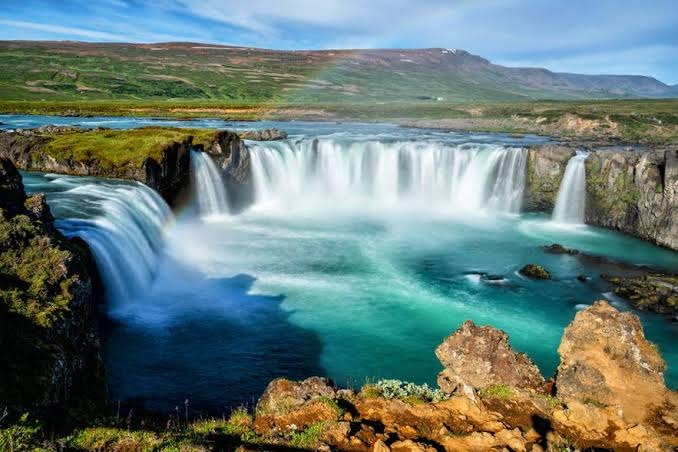
Located in North Iceland, Goðafoss is known for its elegant horseshoe-shaped cascade. Rather than plunging into a narrow vertical gorge, the water spreads across a curved rock formation, giving the waterfall a distinctive, balanced appearance.
Its name translates to “Waterfall of the Gods.” The site is commonly associated with Icelandic history and the adoption of Christianity, although travelers should distinguish the broad historical tradition from simplified versions of the story.
Goðafoss is particularly convenient for road trips between the Lake Mývatn area and Akureyri. Viewpoints on different sides of the river provide contrasting compositions, so allow time to explore accessible paths instead of stopping for only one photograph.
Dettifoss: Raw Power in Northeast Iceland
Dettifoss is famous for the sheer force of the water moving through a stark volcanic landscape. Located in Vatnajökull National Park, it is one of Europe’s most powerful waterfalls by water flow, although flow levels vary with conditions.
The surroundings are very different from the green valleys found at some other Icelandic falls. Here, dark rock, pale sediment, and a deep canyon create a rugged, almost otherworldly setting.
Access depends heavily on the season and the approach road. Some routes can be difficult or unavailable in winter, and walking surfaces near the waterfall may be unstable or slippery. Stay behind marked safety boundaries, keep away from unprotected edges, and check road and park information before setting out.
Svartifoss: Basalt Columns Framing a Cascade
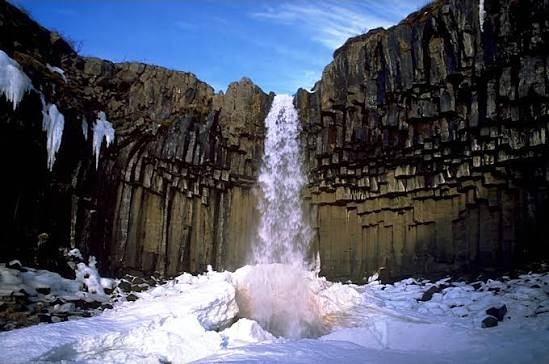
Svartifoss, in the Skaftafell area of Vatnajökull National Park, is famous for its dark hexagonal basalt columns. These natural formations surround the waterfall like a sculpted stone backdrop, creating a striking contrast with the white water.
Reaching Svartifoss involves a hike from the Skaftafell visitor area. The route is manageable for many reasonably active travelers, but it includes uphill walking and can become muddy, icy, or slippery depending on the weather.
The waterfall is a particularly good choice for travelers who enjoy combining scenery with a short outdoor adventure. Allow additional time for the walk, photography, and other viewpoints around Skaftafell rather than treating the waterfall as a quick roadside stop.
Kirkjufellsfoss: Waterfalls Beneath a Famous Mountain
On the Snæfellsnes Peninsula, Kirkjufellsfoss is a series of relatively small cascades with the distinctive mountain Kirkjufell rising behind them. Its appeal comes from the relationship between the water and the mountain rather than sheer height or volume.
The scene is especially popular with photographers, but the best composition depends on the season, light, cloud cover, and water level. The mountain may be partly hidden on an overcast day, which can still produce atmospheric photographs.
Use designated paths and viewing areas, and do not cross barriers to recreate a photograph. The surrounding terrain can be slippery, and the nearby road requires attention when entering or leaving the parking area.
More Waterfalls Worth Discovering
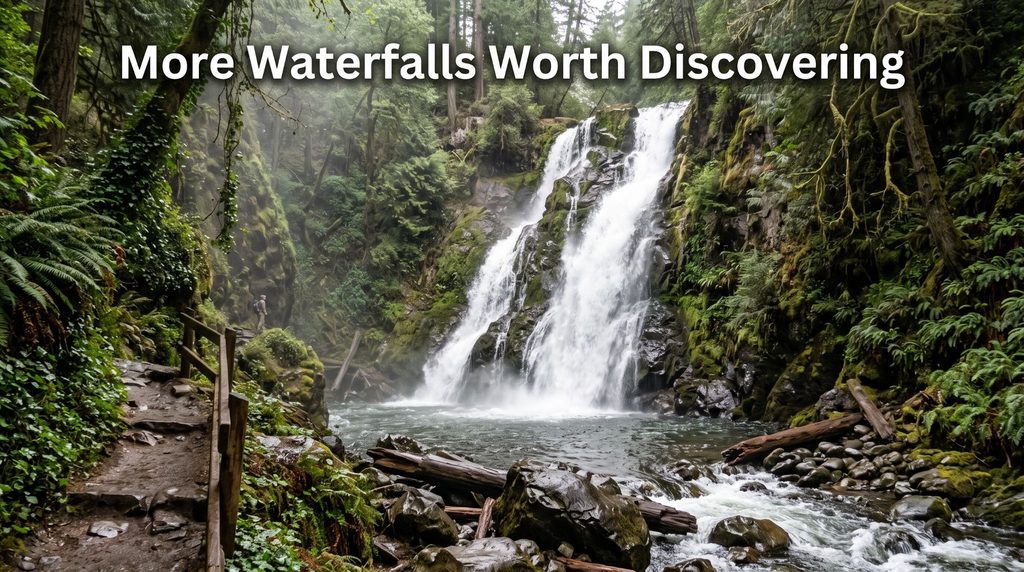
Beyond the headline attractions, several other falls add variety to an Iceland itinerary. Some are especially rewarding for travelers willing to venture beyond the busiest stops.
Háifoss: A Dramatic Drop Into a Remote Valley
Háifoss plunges into a deep valley in southern Iceland, surrounded by steep cliffs and rugged highland scenery. Its remote setting gives it a different atmosphere from waterfalls beside the main tourist routes.
The journey requires more planning than a stop at Seljalandsfoss or Skógafoss. Access roads can be rough, and conditions vary with the season. Confirm that your vehicle is suitable for the current route, and do not assume that a standard rental car is permitted or appropriate on every highland road.
Glymur: A Waterfall for Hikers
Glymur, in Hvalfjörður, is known for its height and the hiking route required to reach its viewpoints. The walk involves uneven ground and, depending on the route and conditions, potentially challenging river crossings or exposed sections.
This is not the best choice for travelers who want a quick stop with minimal walking. It is better suited to hikers who have appropriate footwear, enough daylight, and the confidence to turn back when conditions deteriorate.
Hraunfossar and Barnafoss: Two Contrasting Falls
In West Iceland, Hraunfossar consists of numerous streams emerging through porous lava rock and flowing into the Hvítá River. The effect is broad and delicate, quite unlike a single waterfall dropping over a cliff.
Nearby Barnafoss is more turbulent, with water rushing through a narrow, sculpted channel. Visiting both makes for an especially interesting stop because the landscapes are close together but visually very different.
Kvernufoss: A Quieter South Coast Alternative
Near Skógar, Kvernufoss sits in a narrow, green-sided gorge. A short walk leads to the waterfall, where a path may allow visitors to approach behind the falling water when conditions are suitable.
It can be a useful addition to a South Coast itinerary for travelers seeking a less crowded experience than the main Skógafoss viewpoint. However, quieter does not mean empty, and access should always be judged by current weather and trail conditions.
Which Waterfalls Should You Choose?
With so many waterfalls spread across the island, your available time should guide your choices. The following comparison helps match different locations to common travel priorities.
| Waterfall | Region | Best for | Planning note |
| Seljalandsfoss | South Coast | Walking behind the water | Spray and slippery paths |
| Skógafoss | South Coast | Powerful views and stairs | Allow time for the upper trail |
| Gullfoss | Golden Circle | A major waterfall on a day trip | Check access to lower viewpoints |
| Goðafoss | North Iceland | A curved cascade and varied viewpoints | Convenient for a northern road trip |
| Dettifoss | Northeast Iceland | Dramatic power and volcanic scenery | Check road access carefully |
| Svartifoss | Skaftafell | Basalt columns and hiking | Requires a walk from the visitor area |
| Kirkjufellsfoss | Snæfellsnes | Mountain and waterfall photography | Weather affects mountain visibility |
| Háifoss | Southern interior | Remote canyon scenery | Road conditions need attention |
| Glymur | Hvalfjörður | A more demanding hiking experience | Not a simple roadside stop |
| Hraunfossar | West Iceland | Delicate streams through lava | Pairs well with nearby Barnafoss |
| Kvernufoss | Near Skógar | A short walk to a gorge waterfall | Footing can be slippery |
The Best Time to See Iceland’s Waterfalls
Waterfalls are a year-round attraction, but each season brings a different combination of scenery, daylight, road access, and walking conditions.
| Season | What to expect | Best suited to |
| Spring | Snowmelt, changeable weather, and variable trail conditions | Travelers comfortable with flexibility |
| Summer | Long daylight hours, generally better access, and greener scenery | Road trips, hiking, and first-time visitors |
| Autumn | Changing colors, shorter days, and potentially fewer visitors | Photography and quieter sightseeing |
| Winter | Ice, snow, dramatic frozen details, and limited daylight | Experienced winter travelers with careful plans |
Summer is often the easiest season for visiting several waterfalls in one trip because the long days provide more flexibility. It is also a busy period, especially at famous South Coast stops.
Winter has a different appeal. Ice can transform the cliffs and surrounding rock, but frozen paths, strong winds, and limited daylight can make seemingly straightforward stops more complicated. Some roads and trails may be closed, and a waterfall that is accessible in summer may not be safely reachable in winter.
Spring and autumn can offer attractive scenery with fewer people at some locations, but neither guarantees quiet conditions or easy access. Check the weather forecast, road conditions, and official site updates close to each travel day.
How to Reach the Main Waterfall Regions
Most international visitors arrive through Keflavík International Airport and travel onward to Reykjavík. From the capital, waterfalls can be explored on guided excursions, day trips, or a self-drive holiday.
The South Coast and Golden Circle
The South Coast is a practical starting point for a waterfall-focused trip. Seljalandsfoss and Skógafoss are near Route 1, while Gullfoss is part of the Golden Circle route inland from Reykjavík.
A rental car gives you flexibility to stop at viewpoints and adjust your schedule, but guided tours are useful if you prefer not to drive or navigate changing conditions. In winter, choose transport suited to the forecast and road conditions rather than relying on summer driving assumptions.
North Iceland, East Iceland, and the West
Goðafoss fits naturally into a journey around North Iceland, while Dettifoss requires additional attention to road access and seasonal conditions. Snæfellsnes offers Kirkjufellsfoss, and West Iceland makes Hraunfossar and Barnafoss practical additions to a regional itinerary.
Háifoss and some highland destinations demand more preparation than the main roadside waterfalls. Before driving to remote sites, confirm road status, vehicle restrictions, fuel availability, and whether the route is appropriate for your travel dates.
There is no need to visit every waterfall in one trip. A focused regional itinerary generally leaves more time to enjoy the landscape and less time behind the wheel.
A Practical Three-Day Waterfall Itinerary
Three days can provide a rewarding introduction to the waterfalls of southern Iceland and the Golden Circle. This plan assumes suitable road conditions and enough flexibility to change activities when the weather turns.
| Day | Suggested route | Main stops |
| Day 1 | Reykjavík and the Golden Circle | Gullfoss and other Golden Circle sights |
| Day 2 | South Coast toward Skógar | Seljalandsfoss, Kvernufoss, and Skógafoss |
| Day 3 | Continue toward Skaftafell | Svartifoss hike and nearby South Coast scenery |
This is a framework rather than a promise of fixed driving times. Traffic, weather, roadworks, daylight, and the amount of walking you choose can change how much you comfortably fit into each day.
For a longer holiday, consider adding the Snæfellsnes Peninsula, West Iceland, or North Iceland rather than squeezing remote waterfalls into an already busy schedule. Dettifoss and Glymur are better planned around their own regional routes and current access conditions.
Where to Stay on a Waterfall Road Trip
Your overnight stops can make a major difference to how enjoyable the trip feels. Staying in the right region reduces backtracking and gives you more time for viewpoints, walks, and changing weather.
For the South Coast, look at accommodation in the wider Hvolsvöllur, Hella, or Vík areas, depending on your route and available options. Travelers visiting Skaftafell may prefer to stay farther east to reduce the distance to the park the following morning.
Reykjavík works well for Golden Circle excursions and the start or end of a trip. In North Iceland, Akureyri can serve as a useful base for exploring Goðafoss and nearby attractions. West Iceland stays can make visits to Hraunfossar and Barnafoss easier.
Book ahead during popular travel periods, particularly if you want a private room or have specific accommodation needs. Check the property’s location rather than relying on a regional label alone, and confirm arrival arrangements if you expect to reach a remote guesthouse late in the day.
Photography Tips for Waterfall Landscapes
Iceland’s waterfalls can look dramatically different within minutes as clouds move, sunlight shifts, and wind changes the spray. A flexible approach usually produces better results than planning every photograph around a single ideal condition.
For wide scenes, include the surrounding cliffs, river, or mountain rather than filling the entire frame with water. At Kirkjufellsfoss, for example, the relationship between the cascade and Kirkjufell is central to the composition. At Svartifoss, the geometric basalt columns provide a strong frame.
A tripod and a slower shutter speed can create a smooth-water effect, but they are optional. Wind, spray, and wet surfaces may make long exposures difficult, so prioritize secure footing over equipment placement. A waterproof cover or dry bag is useful for protecting cameras and phones.
For photographs without crowds, try arriving early or visiting later when daylight allows. Be patient, use designated viewing areas, and never step over a barrier or approach an unstable edge for a better angle.
Safety, Weather, and Responsible Visiting
Waterfalls are powerful natural environments, and the most important rule is to respect the landscape rather than treating it like a controlled attraction. Wet rock, loose gravel, hidden ice, sudden gusts, and strong river currents can create hazards even close to a parking area.
Keep to marked paths and observe barriers. Do not enter rivers or climb beside the water, and never assume a rock surface is safe because another visitor is standing on it. At remote sites, tell someone your plans when appropriate and carry clothing suited to changing conditions.
Responsible travel also means leaving fragile vegetation and geological features undisturbed. Moss can take a long time to recover from damage, so remain on established routes rather than walking across green lava fields or cutting new paths.
Before each drive, check the official Icelandic weather service, road-condition information, and relevant park or attraction notices. If a road, trail, or viewpoint is closed, choose an accessible alternative. No photograph or sightseeing stop is worth risking your safety.
What to Pack for a Waterfall-Focused Trip
The right clothing and a few practical items make waterfall stops more comfortable, particularly when spray and wind combine.
- Waterproof outer layers: A proper waterproof jacket and trousers help at exposed viewpoints and behind waterfalls.
- Sturdy footwear: Choose shoes or boots with reliable grip for wet trails, gravel, and uneven ground.
- Warm layers: Weather can change quickly, even during summer.
- Water-resistant protection: Keep phones, cameras, spare batteries, and documents protected from spray.
- Food and drinking water: Carry supplies when traveling between remote areas, and do not assume every attraction has services.
- Offline navigation: Download useful maps and check your route before entering areas with limited connectivity.
- A flexible schedule: Leave room for weather delays, trail closures, and spontaneous stops.
For families, allow extra time on slippery paths and keep children within reach near rivers and exposed viewpoints. Travelers with limited mobility should check current path surfaces, gradients, and viewing access before committing to a particular stop, as accessibility varies significantly between sites.
FAQs
Which waterfalls in Iceland are easiest to visit?
Seljalandsfoss, Skógafoss, and Gullfoss are among the most straightforward major waterfalls to include in popular sightseeing routes. However, access to individual viewpoints and paths can change with weather, ice, and maintenance.
Can you visit Iceland’s waterfalls in winter?
Yes, many waterfalls can be visited in winter, and the ice-covered scenery can be spectacular. Short daylight hours, icy paths, severe weather, and seasonal road closures require careful planning. Never assume that a summer route will be safe in winter.
How many days do you need to see Iceland’s main waterfalls?
Three days can cover several famous waterfalls in the Golden Circle and South Coast regions. A week or longer allows a more relaxed pace and makes it easier to explore waterfalls in western or northern Iceland without excessive driving.
Do you need a rental car to see the waterfalls?
No. Guided tours from Reykjavík and other regional centers visit several popular waterfalls. A rental car provides greater flexibility, especially for longer road trips, but drivers must be comfortable with local road conditions and seasonal weather.
Are Iceland’s waterfalls free to visit?
Access arrangements vary by location and can change. Some waterfall sites have parking charges or other visitor-related fees, so check official information for each attraction before traveling rather than assuming that every stop is free.
Conclusion
The best waterfall journey through Iceland is not necessarily the one with the most stops. It is the one that gives you time to appreciate the differences between a thunderous river plunging into a canyon, a delicate stream emerging from lava rock, and a quiet cascade framed by dark basalt.
Start with a manageable regional route, choose viewpoints that match your interests, and leave enough room for weather and unexpected discoveries. With sensible preparation and respect for the landscape, these waterfalls can become the defining experiences of an Icelandic trip—not simply photographs collected along the road.
Read More: Kerala Temples: 12 Sacred Places to Explore for Architecture, History, and Spiritual Experiences

I am a travel enthusiast who loves exploring India’s beautiful destinations, culture, history, food, and hidden places. Through my travel website, I aim to help travelers discover amazing places in India and plan memorable trips with useful travel information and tips.