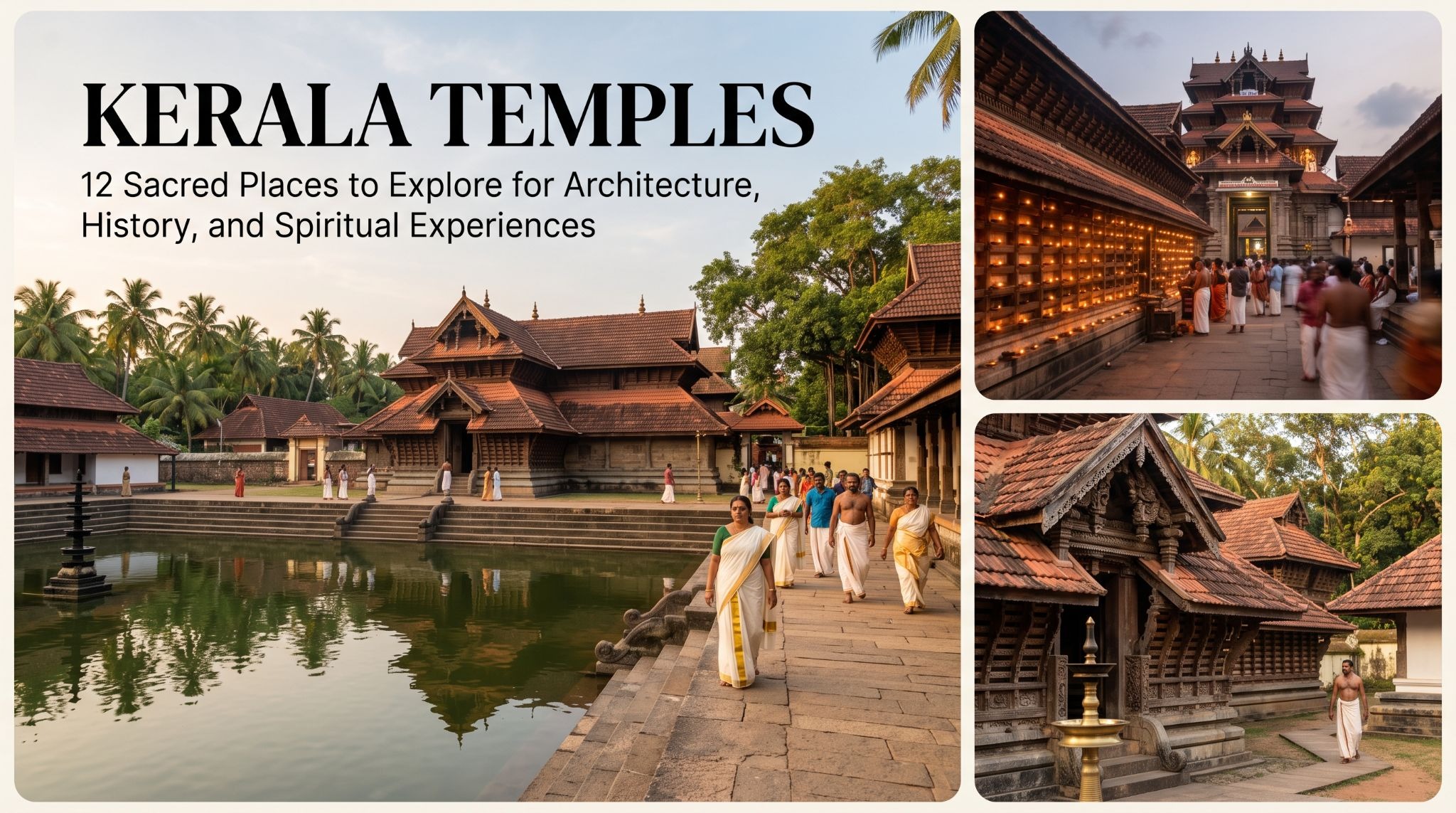
Kerala’s temples reveal a side of southern India that goes far beyond its famous backwaters, palm-lined beaches, and hill stations. Set beside tranquil rivers, within historic towns, and amid lush tropical landscapes, these sacred places preserve centuries of religious traditions, distinctive architecture, intricate woodwork, and vibrant cultural practices. Some are celebrated for their elaborate festivals, while others draw visitors with their peaceful courtyards, ancient legends, and remarkable connections to local communities.
Exploring Kerala Temples can also introduce travelers to the state’s regional differences, from the grand temple complexes of central Kerala to the historic shrines of Thiruvananthapuram and the pilgrimage centers of the south. Whether you are interested in Hindu traditions, traditional architecture, photography, or cultural travel, this guide covers notable temples, what makes each one special, how to plan your visits, and the customs worth understanding before you arrive.
Why Kerala’s Temples Are Different from Other Indian Shrines
Kerala developed a distinctive temple tradition shaped by its climate, building materials, regional kingdoms, and religious practices. Rather than relying exclusively on towering stone structures, many traditional temples feature sloping tiled or copper-clad roofs, timber pillars, enclosed courtyards, and carefully crafted wooden details. These designs are well suited to the state’s heavy monsoon rainfall and humid conditions.
A traditional temple complex may contain several shrines, a flagstaff, a ceremonial entrance, and a pond used for ritual purposes. The arrangement varies according to the temple’s history and religious tradition, so no two visits feel quite identical.
Daily worship is equally important. The sound of bells, the fragrance of incense, oil lamps, devotional music, and the movement of worshippers create an atmosphere closely connected to everyday life. Temples are not simply historic monuments; they remain active places of faith.
Visitors should also understand that access rules differ considerably. Some temples welcome visitors regardless of religious background, while others restrict entry to Hindus. Photography, clothing, and access to particular areas may also be regulated. Checking the rules before setting out makes a visit more respectful and less stressful.
Famous Kerala Temples Worth Visiting
Kerala has hundreds of notable shrines, but several stand out for their religious importance, architectural character, or connection to major cultural events. The following temples provide a useful starting point for first-time visitors. Kerala Tourism also maintains a regional directory of temples for travelers interested in exploring beyond the best-known sites.
Entry policies and visitor facilities can change. Confirm current arrangements directly with each temple before traveling.
| Temple | Location | Best known for |
| Sree Padmanabhaswamy Temple | Thiruvananthapuram | Vishnu worship and distinctive temple architecture |
| Guruvayur Temple | Guruvayur, Thrissur district | Devotion to Lord Krishna |
| Vadakkunnathan Temple | Thrissur | Shiva worship and Thrissur Pooram |
| Sabarimala Sree Dharma Sastha Temple | Pathanamthitta district | Ayyappa pilgrimage and forest surroundings |
| Chottanikkara Bhagavathy Temple | Near Kochi, Ernakulam district | Worship of Goddess Bhagavathy |
| Ettumanoor Mahadeva Temple | Kottayam district | Shiva worship and traditional temple art |
| Ambalappuzha Sree Krishna Swamy Temple | Alappuzha district | Krishna devotion and the traditional palpayasam offering |
| Attukal Bhagavathy Temple | Thiruvananthapuram | The Attukal Pongala festival |
Sree Padmanabhaswamy Temple, Thiruvananthapuram
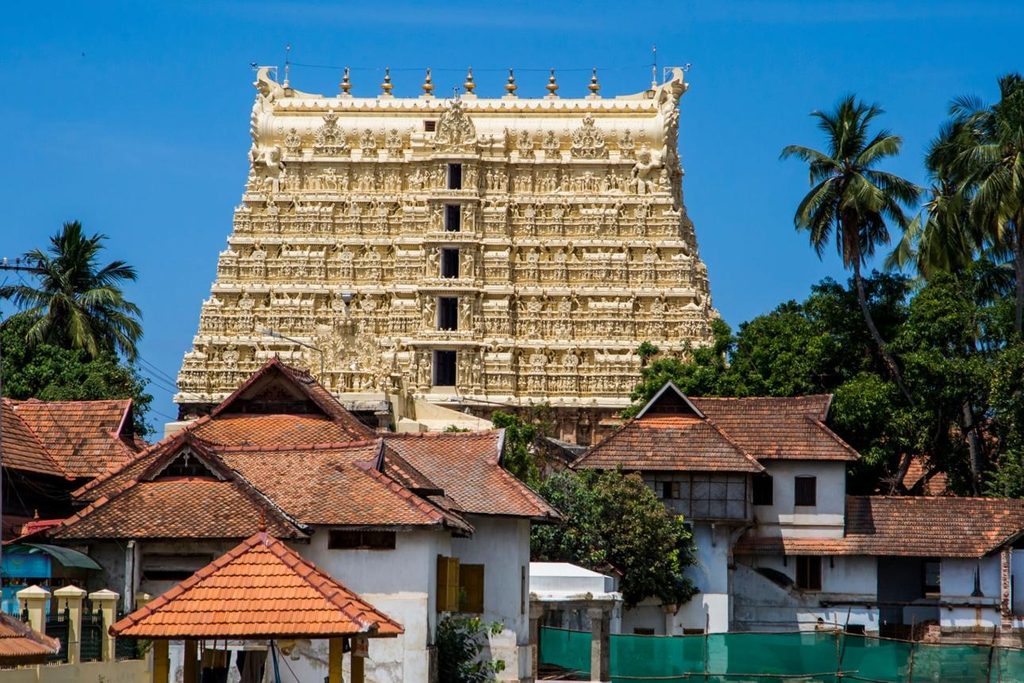
One of Kerala’s most recognizable religious landmarks, Sree Padmanabhaswamy Temple is dedicated to Lord Vishnu, depicted reclining on the serpent Anantha. Its imposing entrance tower, detailed carvings, and connection with the former Travancore royal family make it an important destination for both pilgrims and people interested in history.
The temple’s present-day form reflects major renovations undertaken during the Travancore period, including work in the eighteenth century. Its traditions remain closely connected with the region’s royal and religious heritage.
What to know before visiting: The temple enforces a strict traditional dress code, and entry is restricted to Hindus. Men must follow the prescribed dhoti or mundu requirements, while permitted clothing for women includes traditional attire specified by the authorities. Shirts and ordinary Western clothing are not generally accepted for adult male visitors. Check the official instructions before arriving.
Allow time for the surrounding historic quarter, but remember that temple entry requirements take priority over sightseeing plans.
Guruvayur Temple, Thrissur district
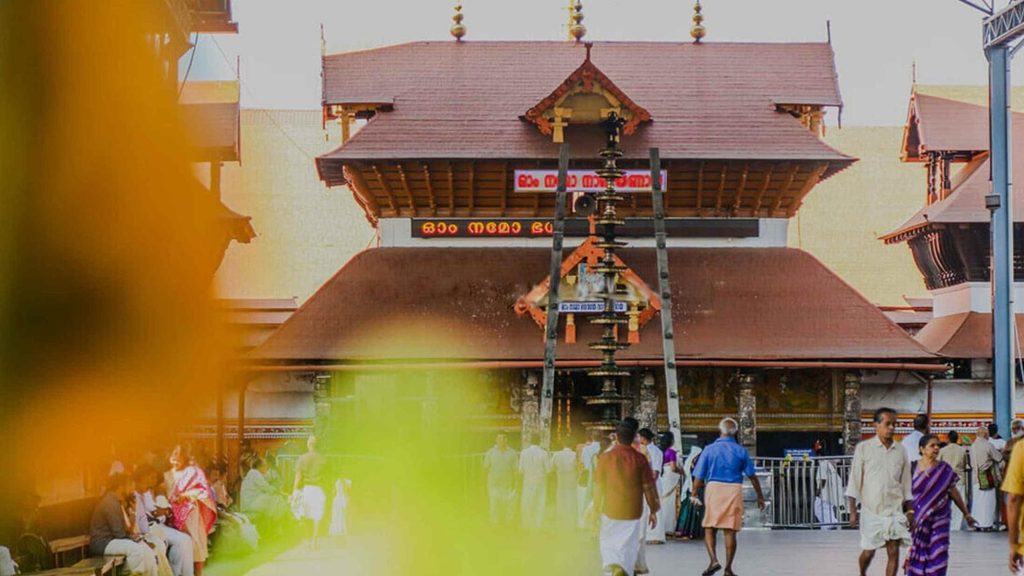
Guruvayur is one of Kerala’s most important Krishna pilgrimage destinations. The presiding deity, worshipped as Guruvayurappan, draws devotees throughout the year, giving the surrounding town a distinctly devotional atmosphere.
The temple is particularly meaningful to families and pilgrims who travel to seek blessings, participate in offerings, or mark important occasions. The steady flow of worshippers also makes this a place where visitors can observe how religious traditions continue to shape a town’s daily rhythm.
Guruvayur has specific clothing requirements. Kerala Tourism lists dhoti as the customary attire for men and permits certain traditional garments for women, including sarees and churidars. Visitors should verify the latest rules with temple authorities.
Vadakkunnathan Temple, Thrissur
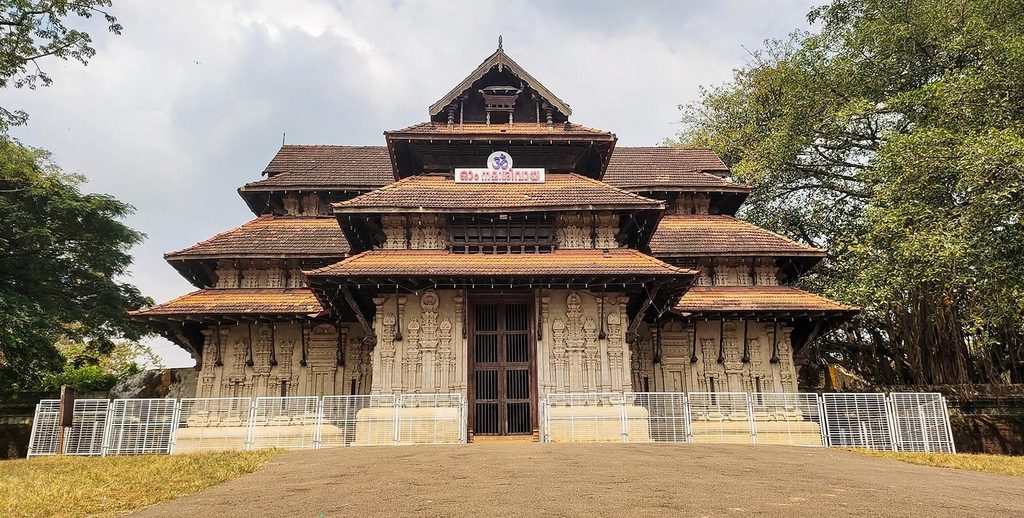
Set within the historic heart of Thrissur, Vadakkunnathan Temple is dedicated to Lord Shiva and is closely associated with the city’s cultural identity. Its traditional architecture, timber detailing, sloping roofs, and spacious grounds make it an important example of Kerala’s temple-building heritage.
The temple is also central to Thrissur Pooram, one of the state’s best-known temple festivals. The celebration is famous for ceremonial processions, percussion ensembles, decorated elephants, and a large gathering of spectators. Festival dates follow the Malayalam calendar, so anyone hoping to attend should check the annual schedule and make accommodation arrangements early.
For a quieter visit, an ordinary day may be more suitable for appreciating the surroundings without the crowds and logistical complications of a major festival.
Sabarimala Sree Dharma Sastha Temple, Pathanamthitta
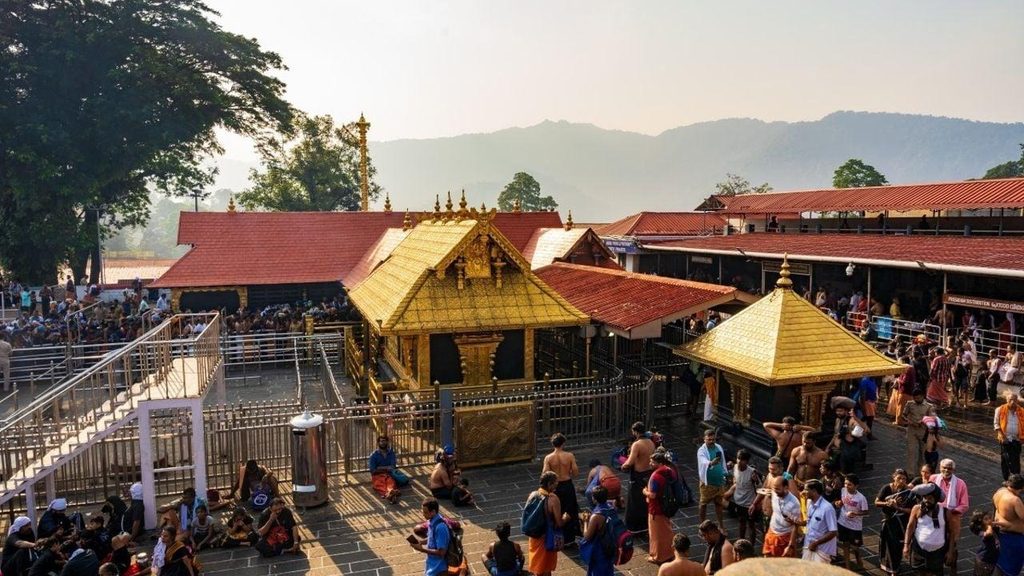
Sabarimala is among India’s best-known pilgrimage destinations, dedicated to Lord Ayyappa. Located in the forested hills of Pathanamthitta district, it differs from temples situated in busy towns because reaching the shrine involves a more carefully planned pilgrimage.
The temple does not operate on an unrestricted year-round schedule. Its official website identifies the Mandala Pooja, Makaravilakku, Vishu, and the first day of each Malayalam month among its worship periods. The actual opening dates, entry arrangements, and pilgrimage procedures must be checked for the intended visit.
Traditional pilgrimage practices include a period of preparation and a journey toward the shrine. The route from Pamba is generally less physically demanding than the traditional forest routes, although the climb still requires preparation.
Sabarimala is best approached as a pilgrimage rather than a quick sightseeing stop. Weather, crowd management, physical fitness, and official instructions all matter.
Temples That Reveal Kerala’s Local Traditions
Beyond the most famous pilgrimage centers, several shrines offer a more localized perspective on the state’s religious life. They are especially worthwhile for travelers who want to understand the variety of Kerala’s devotional traditions.
Chottanikkara Bhagavathy Temple
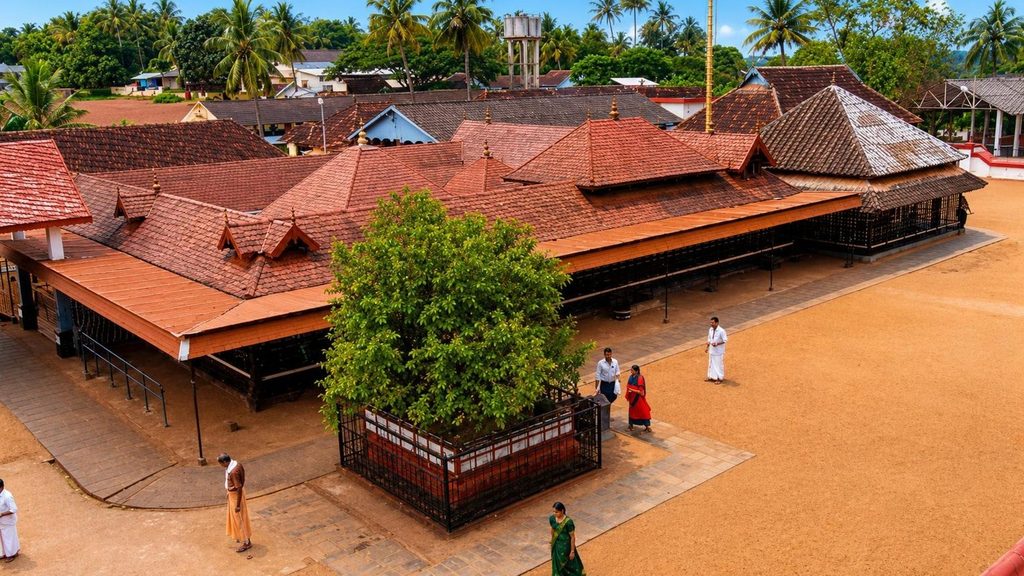
Near Kochi, Chottanikkara Bhagavathy Temple is dedicated to Goddess Bhagavathy and is an important pilgrimage center. Devotees visit for worship and religious observances, while the temple’s daily rituals and festival calendar reflect the continuing importance of goddess traditions in Kerala.
The temple is a practical addition to a trip based in Kochi, particularly for travelers who want to explore a sacred site outside the city’s main urban attractions. Visit with enough time to follow the temple’s procedures rather than trying to fit it into an overly crowded schedule.
Ettumanoor Mahadeva Temple
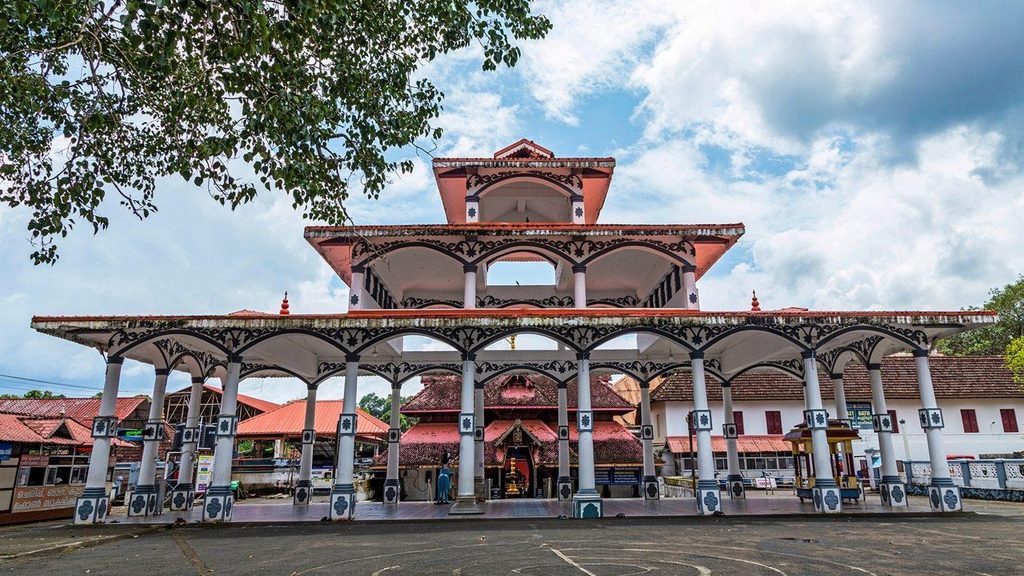
Ettumanoor Mahadeva Temple in Kottayam district is dedicated to Lord Shiva. Its importance extends beyond worship to traditional art and architecture, making it an appealing stop for visitors interested in Kerala’s cultural heritage.
Look for the layered rooflines, carefully designed wooden structures, and traditional artistic details visible in the complex. As with other active temples, access to particular spaces may be limited, and visitors should follow signs and staff instructions.
Ambalappuzha Sree Krishna Swamy Temple
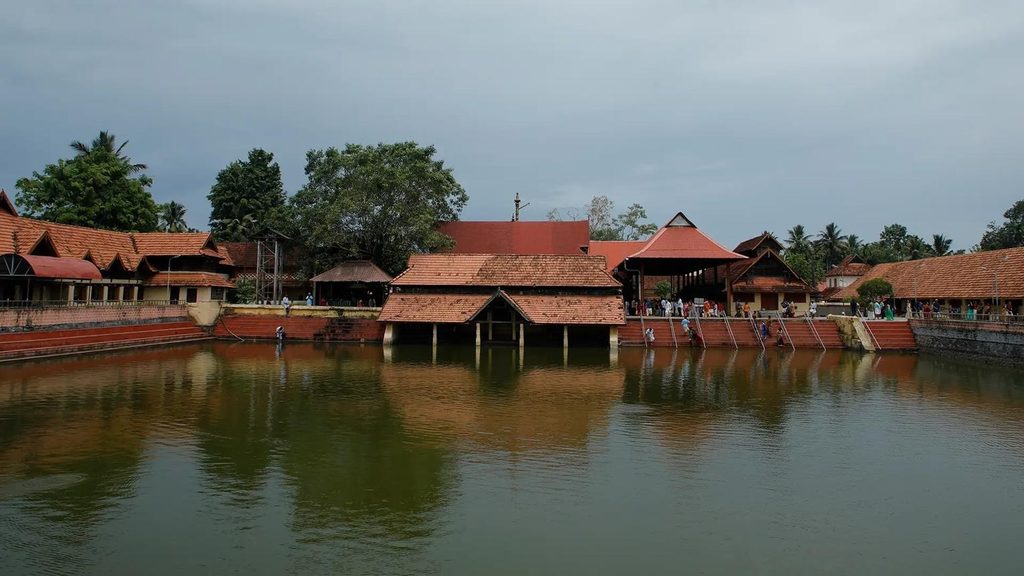
Ambalappuzha is widely associated with Lord Krishna and a celebrated temple offering, palpayasam, a sweet milk-and-rice preparation. Its food tradition provides a memorable link between religious observance and Kerala’s culinary culture.
The temple is particularly interesting for travelers exploring the Alappuzha region, where backwaters and waterways often dominate the itinerary. A visit here adds cultural depth to a landscape-focused trip. If you hope to receive the temple offering, check the current arrangements rather than assuming it is available at any time.
Attukal Bhagavathy Temple, Thiruvananthapuram
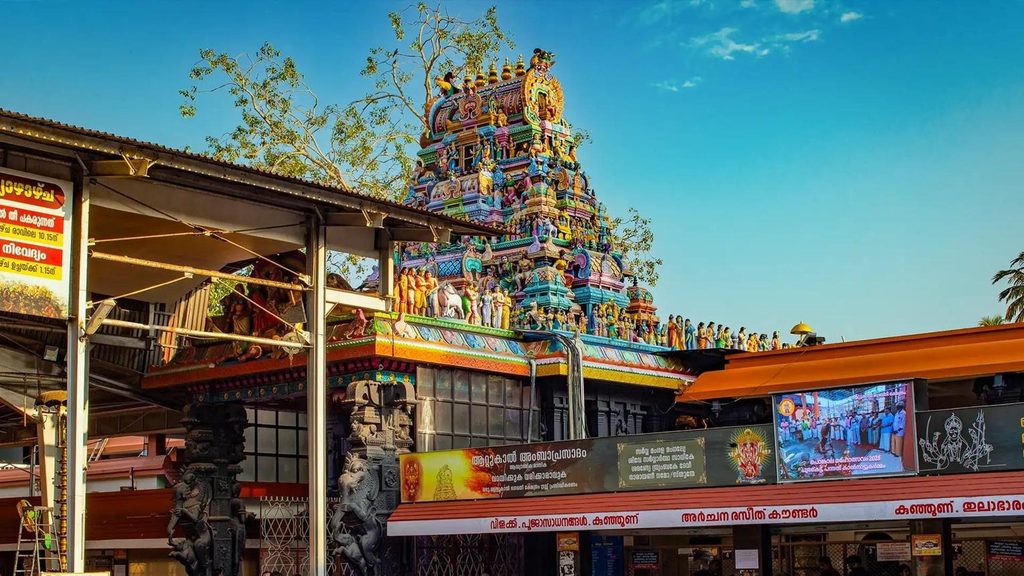
Attukal Bhagavathy Temple is known for its strong association with women devotees and the annual Attukal Pongala festival. During the celebration, participants prepare a ritual offering in pots, creating a major public expression of devotion across the surrounding area.
The festival is a compelling cultural experience, but it also brings significant crowds and changes to local movement. Travelers who wish to observe it should plan around official announcements, transport arrangements, and accommodation availability. Outside the festival period, the temple may be easier to include in a general exploration of the state capital.
Kerala Temple Architecture: What to Look For
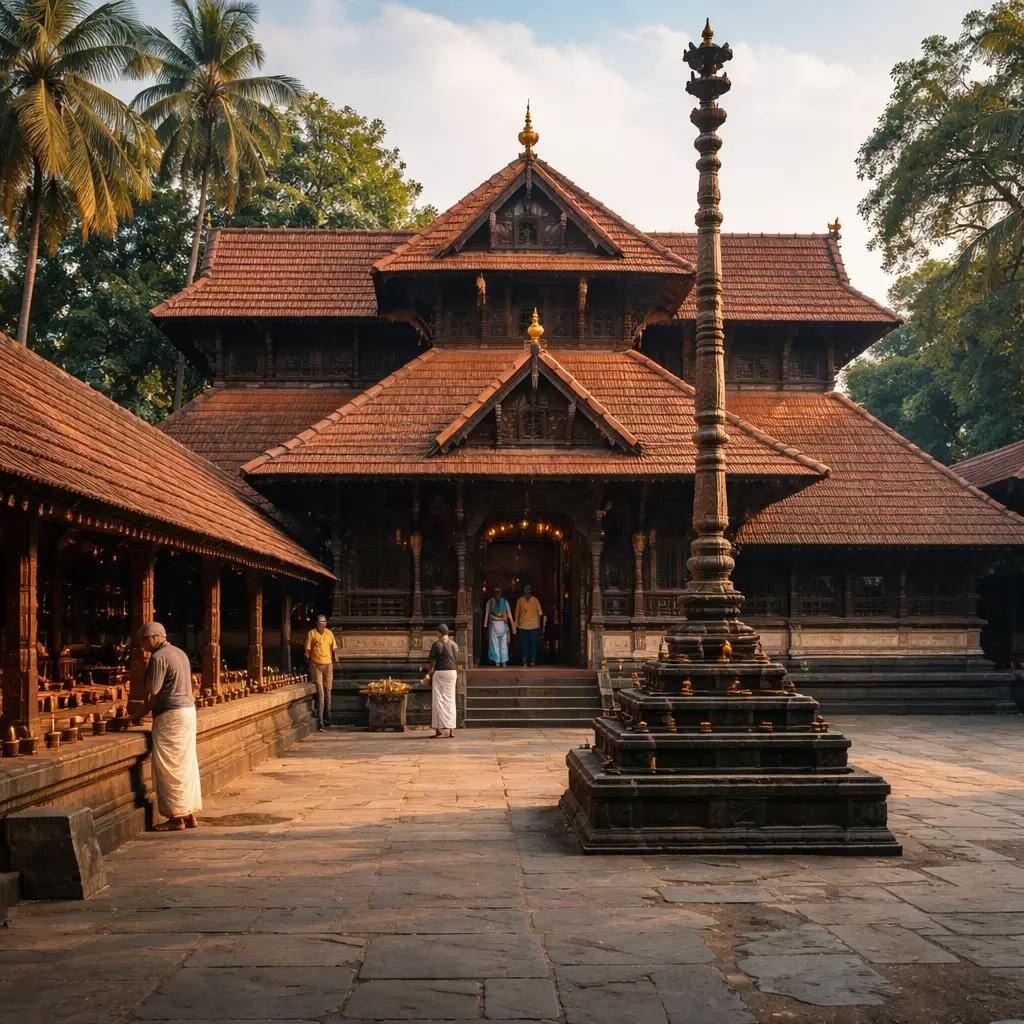
Temple architecture can be one of the most rewarding parts of exploring Kerala, even for visitors who are unfamiliar with Hindu religious traditions.
Instead of concentrating only on the entrance tower, notice how the entire complex is organized. Traditional roofs often extend over wooden structures to protect them from heavy rainfall. Pillars, carved panels, mural paintings, and enclosed courtyards contribute to the character of individual shrines.
A few features deserve particular attention:
- Sloping roofs: Their practical design responds to Kerala’s wet climate while creating a distinctive silhouette.
- Wooden craftsmanship: Traditional timber elements reveal the skill involved in building and maintaining temple structures.
- Temple ponds: Where present, these may form an important part of the complex’s ritual and visual setting.
- Oil lamps and flagstaffs: These can be prominent elements of temple courtyards and ceremonial spaces.
- Mural paintings: Some temples preserve traditional religious art, although access and photography may be restricted.
Not every temple contains all these features. Observing the differences between sites is more informative than expecting every complex to follow the same design.
Best Time to Visit Kerala Temples
Kerala has a tropical climate, so the best time for temple travel depends on whether you prioritize comfortable sightseeing, a particular festival, or a specific pilgrimage period.
The cooler, generally drier months from October through February are often convenient for exploring several destinations in one trip. March and April can be hot, while the southwest monsoon typically brings substantial rainfall during the middle of the year. Local conditions vary, and heavy rain can affect road journeys and outdoor plans.
| Period | Typical conditions | Planning advice |
| October–February | Generally more comfortable for sightseeing | A practical period for combining temple visits with other attractions |
| March–May | Hot conditions, with pre-monsoon showers possible | Plan outdoor travel carefully and carry water |
| June–September | Southwest monsoon brings frequent rain | Allow flexible travel time and prepare for wet conditions |
| Festival dates | Crowds and arrangements vary by temple | Confirm dates, entry procedures, and transport well in advance |
Festival travel can be rewarding, but it is not necessarily the best option for every traveler. If you prefer to examine architecture in relative quiet, choose a regular day and avoid major celebrations where possible. For Sabarimala, the temple’s own opening calendar matters more than general seasonal advice.
How to Reach Kerala’s Major Temples
Kerala is accessible by air, rail, and road, making it possible to build a temple-focused itinerary around several different regions. The most convenient arrival point depends on which shrines you want to visit first.
Thiruvananthapuram is a practical base for Sree Padmanabhaswamy and Attukal Bhagavathy temples. Kochi provides access to Chottanikkara and central Kerala, while Thrissur is convenient for Guruvayur and Vadakkunnathan. Kottayam and Alappuzha work well for exploring temples farther south of central Kerala.
| Travel option | Best suited for | Practical consideration |
| Air travel | Visitors arriving from distant cities or abroad | Choose an airport that suits your first temple and onward route |
| Train | Travelers visiting major towns across Kerala | Check the station serving your destination and arrange onward transport |
| Intercity bus | Budget-conscious travelers moving between towns | Services and journey times vary by route |
| Taxi or hired car | Families and travelers visiting several temples | Allows flexibility, but road conditions and festival traffic affect journey times |
| Local auto-rickshaw or taxi | Short journeys within towns | Agree on the fare or confirm the applicable metered arrangement before departure |
For a multi-temple trip, traveling from south to north or vice versa is usually more efficient than repeatedly crossing the state. Select a few nearby shrines each day, leaving additional time for worship, queues, meals, and unexpected delays.
Where to Stay During a Temple Tour
Choosing the right base can make a significant difference to the pace of your journey. Kerala’s temples range from central urban landmarks to pilgrimage sites that require dedicated travel arrangements.
Thiruvananthapuram is a strong choice for travelers interested in historic temples, museums, and the southern coast. Staying near the city center or East Fort can simplify visits to Sree Padmanabhaswamy Temple, subject to its entry requirements.
Thrissur and Guruvayur suit visitors who want to focus on major temples in central Kerala. Staying overnight in Guruvayur can be particularly useful for pilgrims planning an early visit, while Thrissur offers a broader urban base.
Kochi works well for travelers combining cultural sightseeing with Chottanikkara and other nearby destinations. It also offers a convenient starting point for exploring central Kerala.
Kottayam and Alappuzha are useful options for visiting temples around the southern-central region, including Ettumanoor and Ambalappuzha.
Accommodation availability and prices vary with the season, local events, and festival schedules. Book ahead when traveling during major celebrations, and check whether your preferred lodging is convenient for early-morning worship.
Temple Etiquette, Dress Codes, and Photography Rules
Respectful preparation is essential when visiting active religious sites. Although some customs are shared across Kerala, individual temples may have very different requirements.
Dress appropriately
Carry modest clothing and, where appropriate, a traditional mundu or dhoti. Some temples have strict dress codes that prohibit particular garments. Sree Padmanabhaswamy Temple, for example, has specific requirements for both men and women. Guruvayur also enforces its own rules. Never assume that clothing accepted at one temple will be permitted at another.
Confirm access restrictions
Some temples restrict entry to Hindus. Others permit a wider range of visitors, sometimes with limitations on access to particular buildings or ceremonial areas. If you are visiting primarily for architecture or photography, check the policy before making a detour.
Follow photography rules
Photography may be prohibited inside a temple or in specific areas. Do not photograph worshippers, ceremonies, or sacred objects without permission. If photography is allowed outdoors, be considerate of people attending prayers.
Understand the rhythm of worship
Temple schedules often include separate periods for darshan, rituals, and closures. Arriving shortly before a published opening window is generally more useful than assuming the temple remains accessible throughout the day. Check the current schedule, particularly on festival days.
Remove footwear where instructed, keep voices low, and follow guidance from temple staff. These small considerations help ensure that sightseeing does not interfere with worship.
A Suggested Three-Day Kerala Temple Itinerary
A three-day itinerary is a useful introduction to Kerala’s temple heritage without attempting to cover too much ground. This route focuses on the southern and central regions rather than adding distant destinations simply to increase the number of stops.
| Day | Suggested visits | Travel approach |
| Day 1 | Sree Padmanabhaswamy Temple and Attukal Bhagavathy Temple | Stay in Thiruvananthapuram; verify entry rules and worship schedules |
| Day 2 | Travel toward the Kochi region and visit Chottanikkara Bhagavathy Temple | Allow time for the intercity journey and local traffic |
| Day 3 | Visit Vadakkunnathan Temple in Thrissur, then consider Guruvayur if time and opening arrangements permit | Check the temple schedules and plan onward travel before departure |
This itinerary is a framework, not a guarantee that every temple can be entered on the same day. Religious restrictions, darshan windows, festival traffic, and travel delays can change what is practical. If Guruvayur is a priority, spending an additional night in the area may make the experience more comfortable.
Sabarimala is better planned as a separate pilgrimage, with its own travel preparation and official entry procedures.
What to Eat Around Kerala’s Temple Towns
Temple travel also provides opportunities to discover Kerala’s food traditions. Meals in temple towns often include familiar South Indian dishes, while particular shrines are associated with distinctive offerings.
Traditional vegetarian meals
A Kerala vegetarian meal may include rice, seasonal vegetable preparations, curries, pickles, and other accompaniments served on a banana leaf. Availability varies by establishment and time of day, so ask locally where meals are served.
Palpayasam in Ambalappuzha
Ambalappuzha’s association with palpayasam makes the temple particularly interesting to travelers who appreciate the connection between food and religious tradition. This sweet rice-and-milk preparation is closely linked to the temple’s identity. Its availability depends on temple arrangements, so visitors should not treat it as an ordinary restaurant dish that can be ordered whenever they arrive.
Snacks and refreshments
In busy temple towns, visitors may find tea shops, small eateries, and local vegetarian restaurants. Try familiar regional foods, but choose establishments that suit your dietary requirements and comfort level.
If you are attending a festival, expect food stalls and meal arrangements to differ from those available on an ordinary day. Carry water during long walks, particularly in hot weather, and allow time for meals instead of trying to complete the itinerary without breaks.
FAQs
Which temple in Kerala should first-time visitors explore?
Sree Padmanabhaswamy Temple is a notable choice for travelers interested in history and architecture, while Guruvayur is especially significant for Krishna devotees. Your choice should depend on your interests and whether you meet the temple’s entry requirements.
Can non-Hindus visit temples in Kerala?
Entry rules differ between temples. Sree Padmanabhaswamy Temple restricts entry to Hindus, while other sites may have different policies. Check the rules of each temple before visiting rather than assuming all shrines have the same requirements.
What should I wear when visiting Kerala temples?
Modest clothing is advisable, but individual temples may require traditional attire or prohibit certain garments. Check the official dress code for each destination, especially at Sree Padmanabhaswamy Temple and Guruvayur.
How many days are enough to explore Kerala’s temples?
Three days can introduce you to several prominent temples in the southern and central regions. A longer trip is preferable if you want to explore northern Kerala, attend festivals, or undertake the Sabarimala pilgrimage.
What is the best month to visit Kerala for temple sightseeing?
November through February is often a comfortable period for general sightseeing because conditions are generally cooler and drier than during the monsoon. However, festival dates and temple opening calendars may make other periods more suitable for specific visits.
Conclusion
Kerala’s temples reward travelers who take time to understand their differences. One visit might reveal elaborate traditional architecture, another may introduce a centuries-old devotional practice, and another may place you in the middle of a festival that brings an entire community together.
The best approach is to choose temples that match your interests, learn their entry requirements, and leave enough room in your itinerary for unhurried exploration. With thoughtful planning, these sacred places can become some of the most meaningful stops on a journey through Kerala, offering a deeper understanding of the traditions and communities that continue to shape the state.
Read More: Goa Beaches: 15 Beautiful Shores for Sunsets, Water Sports, and Relaxing Getaways

I am a travel enthusiast who loves exploring India’s beautiful destinations, culture, history, food, and hidden places. Through my travel website, I aim to help travelers discover amazing places in India and plan memorable trips with useful travel information and tips.