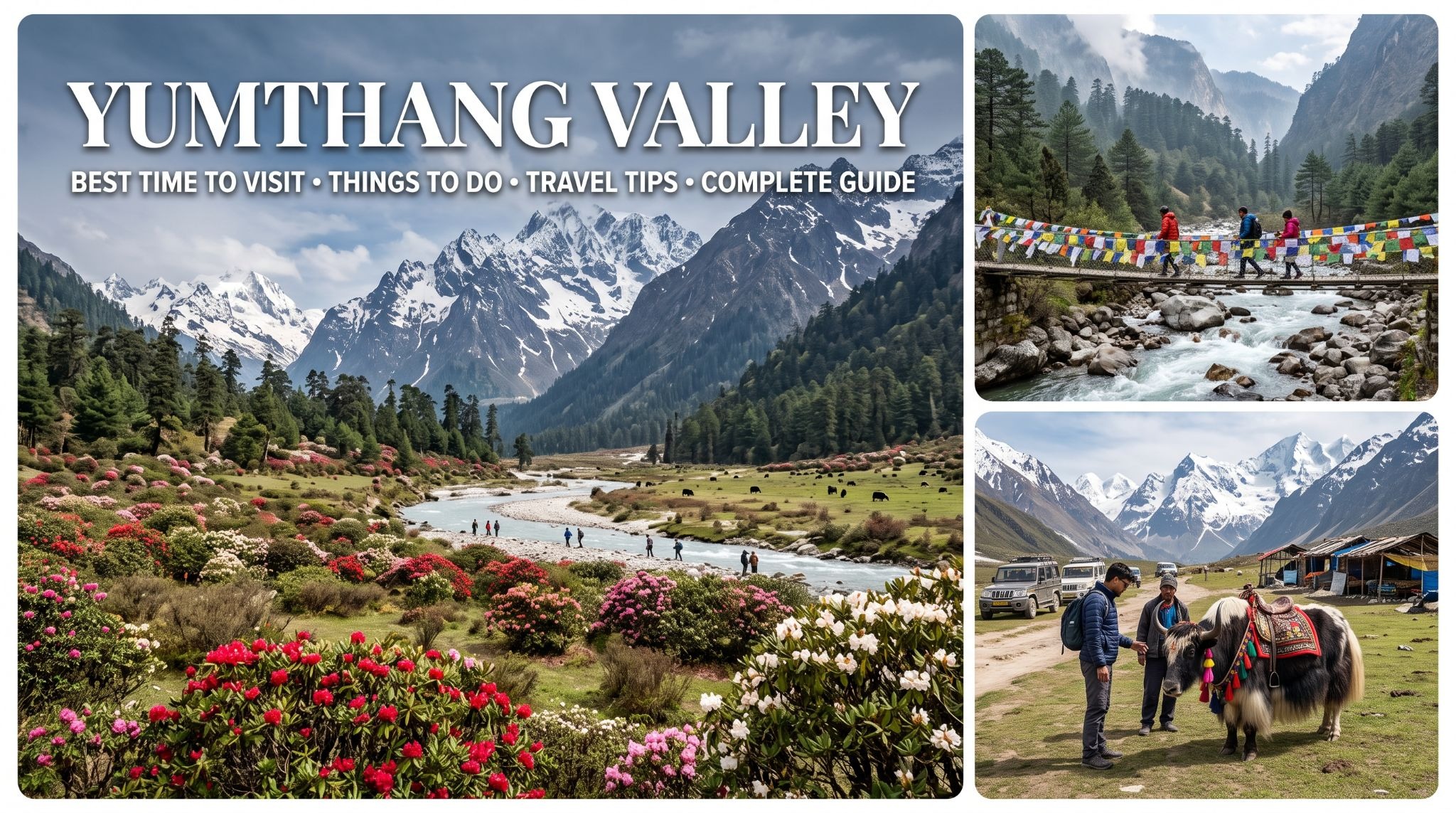
Yumthang Valley is one of the most remarkable places to explore in North Sikkim, India, where open mountain meadows, winding rivers, forests and snow-covered Himalayan peaks create a landscape that changes dramatically with the seasons. In spring, colourful rhododendrons brighten the hillsides, while winter transforms the surrounding mountains into a snowy wilderness. Even the journey to the valley is part of the experience, with remote mountain villages and increasingly dramatic scenery along the way.
Planning a trip to Yumthang Valley requires a little more thought than visiting a typical hill station. The weather can change quickly, road access depends on local conditions, and visitors generally need to arrange the required permissions before travelling into this border-region area. This guide covers the best time to visit, the valley’s most memorable sights, transport options, nearby attractions, accommodation considerations and practical advice to help you plan a rewarding trip.
Why Yumthang Valley Deserves a Place on Your Sikkim Itinerary
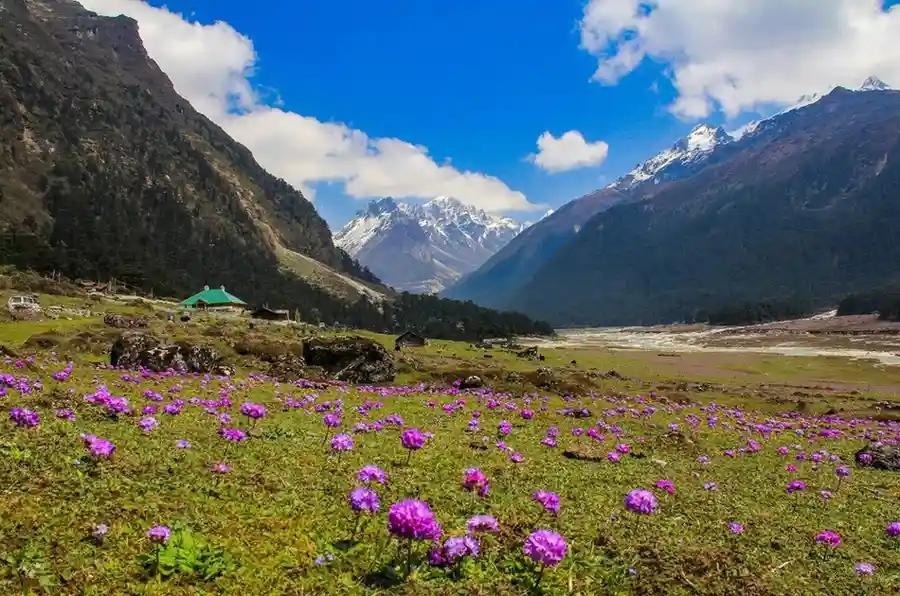
Located in North Sikkim at approximately 3,600 metres (11,800 feet) above sea level, Yumthang Valley is widely known as the Valley of Flowers. Its appeal comes from the combination of alpine vegetation, mountain scenery, flowing water and seasonal wildflowers rather than a single landmark.
The valley lies beyond Lachung, a mountain village that serves as the usual overnight base for visitors. Unlike a busy tourist town, Yumthang is primarily a natural landscape to explore at a relaxed pace. You can admire the surrounding peaks, photograph the river, look for seasonal blooms and enjoy the quiet atmosphere when conditions allow.
It is especially rewarding for nature lovers, landscape photographers, couples and travellers who prefer mountain scenery to crowded shopping streets. However, the high altitude, cold weather and restricted-area travel arrangements mean that preparation matters as much as choosing the right season.
Best Time to Visit Yumthang Valley
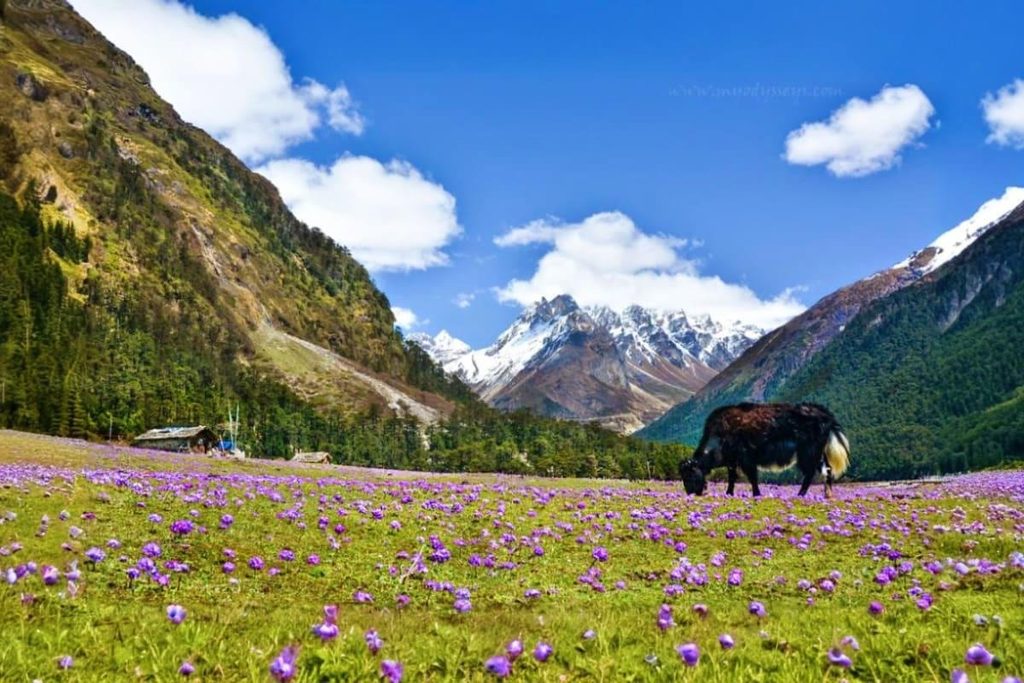
The best time to visit depends on the scenery you want to experience.
Spring: March to May
Spring is generally the most appealing period for wildflowers and rhododendrons. The nearby Shingba Rhododendron Sanctuary is known for its diverse rhododendron vegetation, with flowering commonly associated with the spring season. Exact bloom timing depends on altitude and weather, so flowers should not be treated as guaranteed on a particular date.
April and May are often considered for flower-focused trips, but road conditions and temperatures still require attention.
Summer and monsoon: June to September
The valley can look lush and green during warmer months, but this period overlaps with Sikkim’s monsoon season. Rain, fog, landslides and road disruption can affect journeys in the mountains. The government advises travellers to account for heavy seasonal rainfall and changing conditions.
Autumn: October to November
Autumn may suit travellers who prefer cooler weather and the possibility of clearer mountain views. Conditions vary, however, and snowfall or cold spells can occur at higher elevations.
Winter: December to February
Winter brings a colder, more dramatic atmosphere, with snow possible in and around the valley. Access is not guaranteed, and severe weather may disrupt travel. Choose winter only if you are comfortable with cold conditions and flexible plans.
| Season | What you may experience | Best suited to |
| March–May | Spring flowers and changing mountain scenery | Nature lovers and photographers |
| June–September | Green landscapes, rain and mist | Flexible travellers who accept weather risks |
| October–November | Autumn scenery and potentially clearer skies | Scenic road-trip enthusiasts |
| December–February | Snowy landscapes and intense cold | Winter scenery seekers prepared for disruption |
Top Things to See and Do in Yumthang Valley
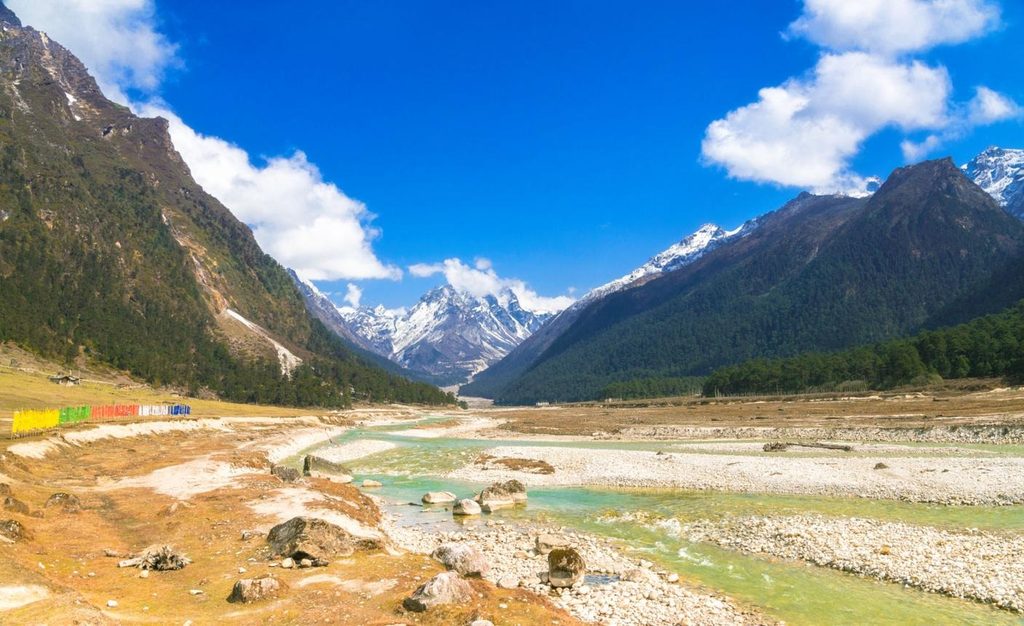
The valley is best enjoyed through simple experiences rather than a packed schedule. The landscape itself is the principal attraction, so leave time to appreciate it rather than rushing from one photograph to the next.
Admire the Himalayan landscape
Look across the open valley towards the surrounding mountains and notice how the landscape changes with the light. Low cloud can make the scene feel enclosed and atmospheric, while clearer conditions reveal more of the distant slopes.
Walk near the Yumthang Chu River
The river adds movement to the landscape and creates attractive photographic compositions with rocks, vegetation and mountain reflections where conditions permit. Stay on safe, accessible ground and keep away from fast-flowing water or unstable riverbanks.
Look for seasonal wildflowers
In spring, flowering shrubs and alpine plants bring colour to the valley and nearby sanctuary. Take time to notice the smaller details rather than focusing exclusively on wide mountain views. Flowers may be sparse outside their flowering period.
Enjoy landscape photography
Try wide shots that include the river, meadow and mountain backdrop, then switch to closer compositions of flowers, trees or water. Morning and changing weather can produce different moods, but never delay a safe return just to wait for ideal light.
Shingba Rhododendron Sanctuary and the Valley’s Flora
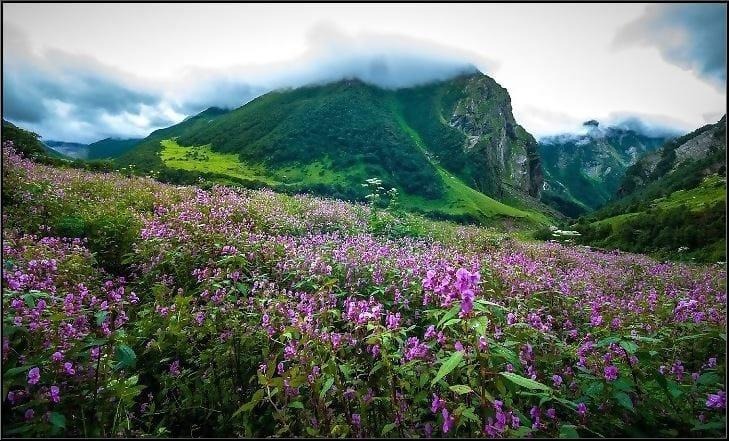
One of the most interesting natural attractions in the Yumthang area is Shingba Rhododendron Sanctuary. The sanctuary is known for its rhododendron diversity and other flowering plants, including varieties that contribute to the region’s distinctive spring landscape.
The experience depends heavily on timing. During the flowering season, the vegetation can provide colourful foregrounds against the surrounding hills. Outside that period, the sanctuary remains relevant to travellers interested in high-altitude plant life and the natural environment.
Do not pick flowers or damage plants for photographs. Stay within permitted areas and follow local instructions, particularly if sections of the sanctuary or surrounding road are restricted. If wildflowers are your main reason for visiting, ask a local guide about recent flowering conditions before finalising your travel dates.
Yumthang Hot Springs: What to Expect
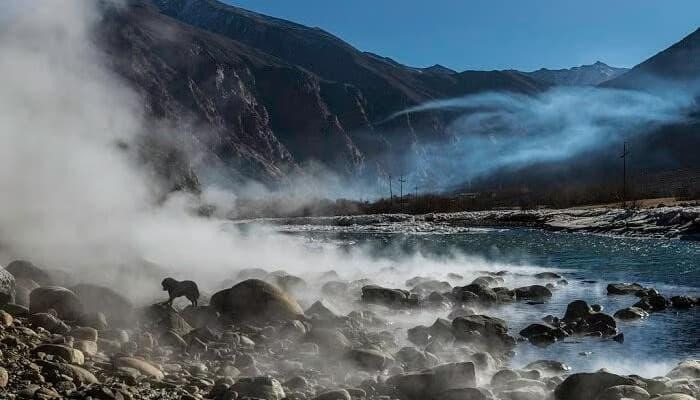
Natural hot springs are among the attractions associated with the Yumthang area. The contrast between cold mountain air and naturally heated water makes them an interesting stop, particularly during colder weather.
However, do not assume that every pool is available for bathing or that facilities are always maintained. Access, water conditions and local rules may vary. Ask your driver or guide whether the hot springs are accessible during your visit and whether bathing is permitted.
If you do use an authorised bathing area, avoid sudden temperature changes if you feel unwell, and leave immediately if you experience dizziness or unusual discomfort. High altitude can make physical exertion more demanding than expected.
Yumthang Valley to Zero Point (Yumesamdong)
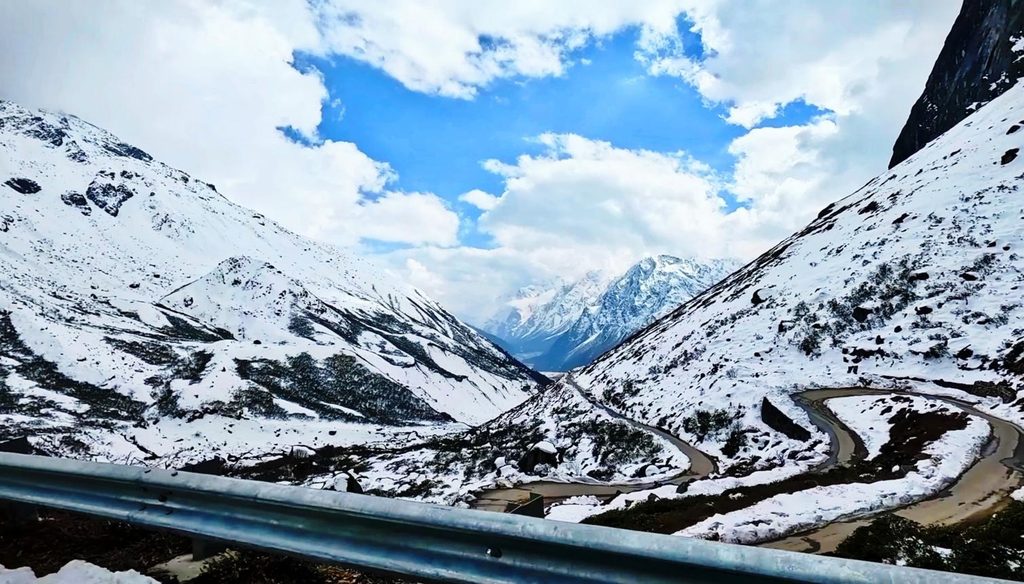
Travellers who want a more rugged mountain landscape often consider extending their excursion from Yumthang to Yumesamdong, commonly called Zero Point. The area lies farther north, with sparse vegetation and a stark, high-altitude setting that contrasts with the greener valley below.
Snow may be present depending on the season and recent weather, but it is not sensible to promise a particular snow experience on a specific date. Conditions can also affect whether the road is accessible.
Yumesamdong is a separate excursion rather than an attraction to assume is automatically included in every Yumthang visit. Confirm the permit coverage, additional transport arrangements, road status and weather with your authorised travel operator before departure.
Because the altitude is higher, spend time adjusting to the elevation and do not push yourself to walk around if you feel unwell. The scenery is worth enjoying from safe, accessible viewpoints.
How to Reach Yumthang Valley
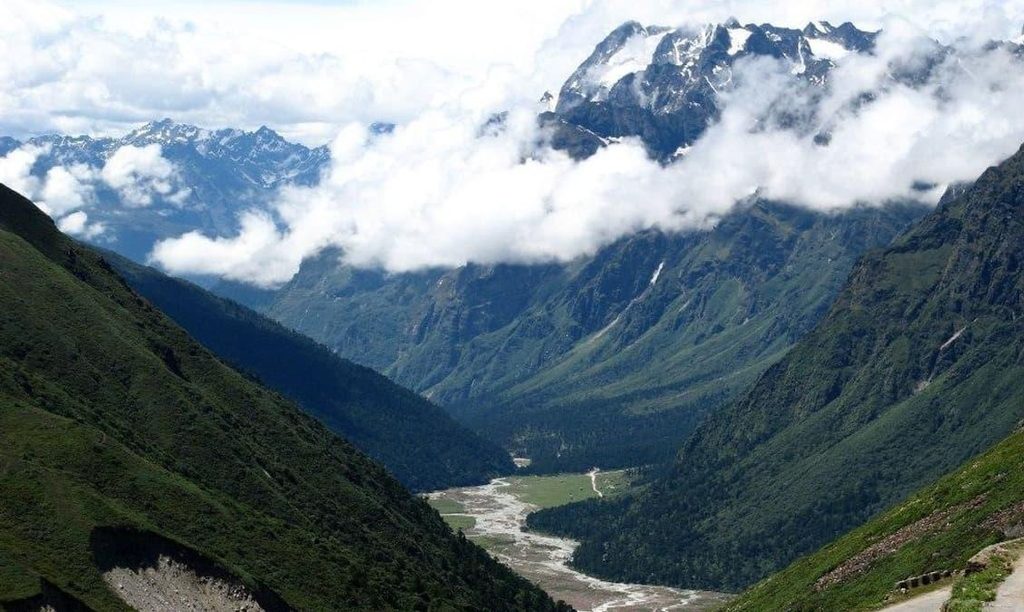
Yumthang Valley is generally reached by road from Lachung. Most travellers first arrive in Sikkim through the Bagdogra airport or the railway connections around Siliguri, then continue towards Gangtok before arranging transport into North Sikkim. Exact travel times depend on road conditions, stops and the current route.
By air
Bagdogra Airport in West Bengal is a commonly used air gateway for Sikkim. From there, travellers generally continue by road towards Gangtok or make arrangements through a tour operator. Check onward transport before booking flights, particularly if your arrival is late in the day.
By train
New Jalpaiguri railway station near Siliguri is a common rail gateway. From the station, you can arrange road transport towards Gangtok and onward travel to Lachung.
By road
The journey from Gangtok passes through mountainous terrain, and travel can be affected by weather, road repairs or landslides. Travellers typically arrange a local vehicle or an organised North Sikkim tour rather than treating the valley as a simple independent day trip.
| Starting point | Typical travel approach | Planning advice |
| Bagdogra Airport | Road transfer towards Gangtok, then North Sikkim | Allow for arrival delays and an overnight stop if needed |
| New Jalpaiguri station | Road transfer towards Gangtok, then onward travel | Confirm pickup and transfer arrangements in advance |
| Gangtok | Organised road journey towards Lachung and Yumthang | Allow sufficient time for mountain-road conditions |
| Lachung | Local excursion towards Yumthang | Confirm permits, vehicle arrangements and road access |
Permits and Entry Requirements for Yumthang Valley
Yumthang is in a protected area, so visitors should arrange the required permissions before travelling. Sikkim’s Tourism and Civil Aviation Department lists Yumthang among the destinations requiring a Protected Area Permit. Requirements differ according to nationality and the specific destination on the itinerary.
For many visitors, the simplest approach is to book through a registered travel agency familiar with North Sikkim’s permit procedures. The agency can advise which identity documents, photographs and other paperwork are required for your circumstances.
Foreign nationals face additional restrictions and documentation requirements. The official guidance also identifies special prior-clearance requirements for certain nationalities and people of specified origins. Do not assume that a standard tourist visa alone guarantees permission to visit North Sikkim. Check the latest official requirements before making non-refundable bookings.
Rules and road arrangements can change following severe weather or other disruptions. Confirm the permit process, minimum itinerary requirements and destination access shortly before departure.
Where to Stay Near Yumthang Valley
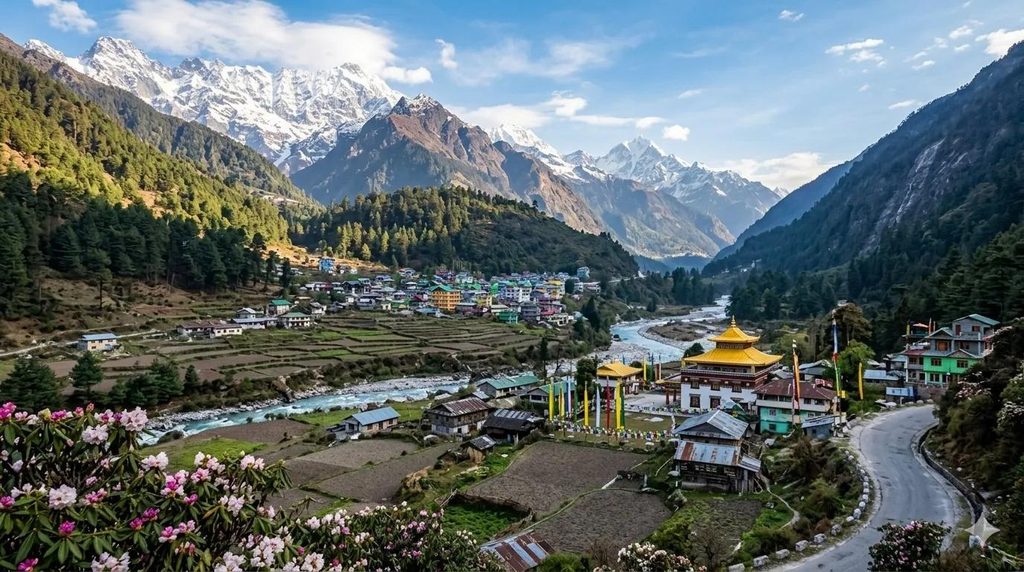
Lachung is the usual base for visiting Yumthang Valley. The village has hotels and lodges, and its location makes it more practical for an early start than staying far away. The Sikkim government tourism guide identifies Lachung as an overnight stop for visitors travelling to the valley.
Accommodation ranges from relatively simple lodges to more comfortable properties, but availability, heating, hot water and road access can vary with the season. Confirm the facilities that matter to you rather than relying on photographs alone.
Booking ahead is sensible during popular spring travel periods and holiday dates. If you are travelling with children, older family members or anyone who finds cold conditions difficult, prioritise warmth, reliable meals and a manageable itinerary over staying in the most remote location.
Staying overnight in Lachung also gives you more time to appreciate the village and its surroundings instead of trying to complete the entire journey from Gangtok in a single day.
Local Food and Cultural Experiences
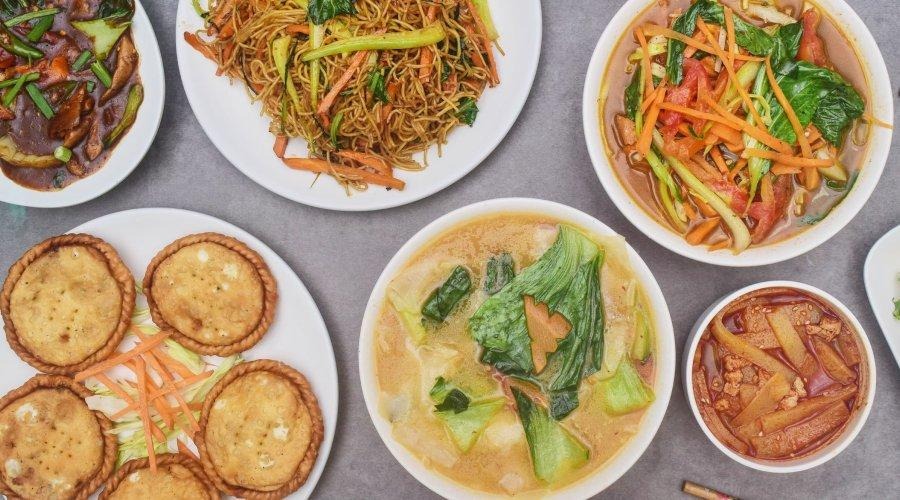
Food is an important part of a comfortable mountain trip. In Lachung and other settlements along the route, you may find simple meals such as momos, noodle soups, rice dishes and other regional or Indian options. The exact menu depends on the property and season, so travellers with dietary requirements should confirm availability before arriving.
Take the opportunity to appreciate the village setting respectfully. Ask before photographing residents, homes or religious sites, and follow local guidance when visiting culturally significant places. A friendly conversation with a local host or guide can also help you understand how weather and seasonal travel shape everyday life in the mountains.
Carry snacks and drinking water for the road, particularly if you have a long transfer or uncertain meal stops. Avoid leaving food packaging behind, and use appropriate bins or take waste back with you.
A Practical One-Day Yumthang Valley Itinerary
A visit to Yumthang is often organised as part of a longer North Sikkim trip, with an overnight stay in Lachung. A relaxed schedule is more rewarding than trying to squeeze in too many stops, especially when weather or road conditions change.
| Part of the day | Suggested plan | What to keep in mind |
| Early morning | Depart from Lachung when your driver advises | Check visibility and road conditions |
| Morning | Explore accessible areas of Yumthang Valley | Allow time for photographs and short walks |
| Late morning | Enjoy the river, mountain scenery and seasonal vegetation | Stay within permitted areas |
| Midday | Consider the hot springs or other accessible stops | Confirm access and local restrictions |
| Afternoon | Visit Yumesamdong only if arranged and permitted, or return towards Lachung | Do not rush if conditions deteriorate |
This is a flexible planning outline, not a guaranteed schedule. Your driver or tour operator should determine the actual departure time, order of stops and return arrangements according to current conditions.
If you have two or three days available for North Sikkim, the additional time can make the journey more comfortable. It also provides some flexibility if rain, fog or a temporary road closure affects your plans.
Essential Travel Tips for a Comfortable Visit
The scenery may look inviting, but Yumthang’s elevation and remote location deserve respect. A few practical decisions can make the trip considerably easier.
- Dress in layers. Carry warm clothing, a waterproof outer layer, gloves and suitable footwear, even if the weather is mild when you leave Lachung.
- Prepare for altitude. Avoid unnecessary exertion and allow yourself time to adjust. Headache, nausea, dizziness or unusual breathlessness should not be ignored.
- Carry cash and essentials. Do not assume that card payments, mobile connectivity or shops will be available whenever you need them.
- Keep your schedule flexible. Mountain roads can be affected by rain, snowfall, landslides and maintenance.
- Confirm arrangements in advance. Check your permit, transport, accommodation and any planned excursion to Yumesamdong.
- Protect the landscape. Take rubbish with you, avoid disturbing plants and wildlife, and follow instructions about where you may walk.
- Check the forecast shortly before leaving. A forecast for Gangtok does not necessarily reflect conditions at a much higher elevation.
Travellers with existing medical concerns should seek appropriate medical advice before planning a high-altitude trip. If symptoms suggest altitude illness, stop ascending and seek prompt assistance; severe symptoms require urgent medical attention.
Is Yumthang Valley Worth Visiting for Families and Couples?
Yumthang can be a memorable destination for couples, families with older children and travellers who enjoy scenery more than strenuous activities. The valley’s open landscapes, seasonal flowers and mountain-road journey create opportunities to spend time outdoors without needing to plan a demanding trek.
For couples, the quieter surroundings and changing mountain light can make the trip feel special. For photographers, the combination of flowers, riverbanks and distant peaks provides plenty of variety. Families may appreciate the opportunity to introduce children to a high-altitude landscape, provided everyone is comfortable with the cold and the travel time.
The main consideration is that this is not a conventional resort destination. Facilities are limited compared with major towns, and long drives can be tiring. Very young children, older travellers and anyone sensitive to altitude may need a slower itinerary, suitable accommodation and advice from a healthcare professional where appropriate.
Common Mistakes to Avoid When Planning Your Trip
Some disappointments are easy to prevent with realistic expectations.
The first is visiting solely for flowers without checking the season. Spring is generally the strongest choice for rhododendron displays, but bloom timing varies. A second mistake is assuming that snowfall, clear skies or access to Zero Point can be guaranteed. Mountain conditions change too quickly for that.
It is also unwise to book a very tight connection after a North Sikkim excursion. Road delays may affect your return, so leave a reasonable buffer before flights or trains. Finally, avoid treating permit requirements as a last-minute formality. Check current rules with official sources or a registered local operator before travelling.
A flexible itinerary, suitable clothing and realistic expectations will usually contribute more to a good experience than an overloaded schedule.
FAQs
What is the best month to visit Yumthang Valley?
April and May are popular choices for travellers hoping to see spring flowers and rhododendrons. Blooming dates vary with the weather and elevation, so ask locally about current conditions before travelling.
How many days are enough for a Yumthang Valley trip?
Allow time for the journey to Lachung, an excursion to Yumthang and the return trip. A multi-day North Sikkim itinerary is generally more comfortable than attempting the valley as a rushed day trip from Gangtok.
Is snowfall guaranteed at Yumthang Valley in winter?
No. Snowfall and snow cover depend on recent weather, and road access may be affected by severe conditions. Confirm the situation shortly before departure.
Do tourists need a permit to visit Yumthang Valley?
Yes. Yumthang is a protected-area destination, and the required permissions depend on your nationality and itinerary. Check the current requirements through Sikkim Tourism or an authorised travel agency.
Can Yumthang Valley and Zero Point be visited on the same day?
They may be combined in an organised excursion when the road is open and the relevant permissions allow it. Confirm the day’s itinerary with your operator, and do not assume that weather or access will permit both stops.
Conclusion
Yumthang Valley stands out because it brings together several sides of the Himalayas in one journey: colourful spring vegetation, open meadows, flowing water, rugged mountain scenery and the peaceful atmosphere of North Sikkim. Each season gives the landscape a different character, making the destination appealing beyond the famous flowering period.
The best trip is one planned around the conditions rather than a fixed picture of what the valley should look like. Choose your season carefully, arrange the necessary permits, stay overnight in Lachung and give yourself enough time to enjoy the surroundings without rushing. With sensible preparation and respect for the mountain environment, Yumthang Valley can become one of the most memorable stops on a Sikkim itinerary.
Read More: Darma Valley: A Complete Travel Guide to Uttarakhand’s Hidden Himalayan Paradise

I am a travel enthusiast who loves exploring India’s beautiful destinations, culture, history, food, and hidden places. Through my travel website, I aim to help travelers discover amazing places in India and plan memorable trips with useful travel information and tips.