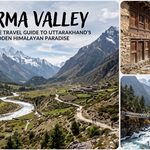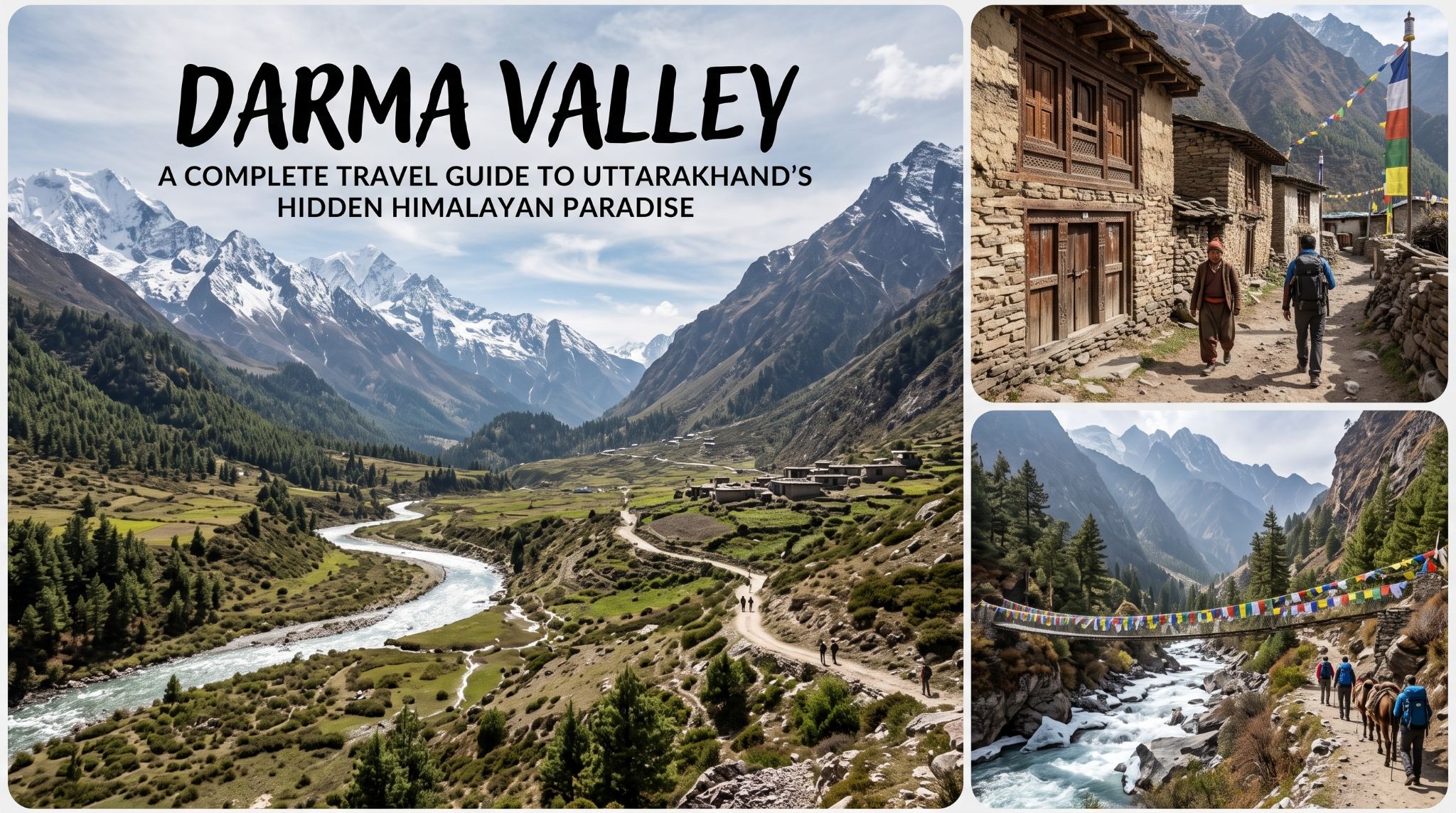
Darma Valley is one of the most intriguing destinations in Uttarakhand for travelers who want to experience the Himalayas through remote villages, powerful mountain landscapes, traditional culture, and quiet walking trails. Tucked into the eastern Kumaon region near the Indo-Tibetan border, the valley follows the Darma River through a dramatic landscape of forested slopes, rocky mountains, alpine meadows, and settlements shaped by generations of life in the high Himalayas. It feels different from Uttarakhand’s more familiar hill stations, where hotels, busy markets, and sightseeing traffic often define the experience.
For travelers planning a visit, Darma Valley offers much more than scenery. The journey introduces you to traditional villages, local food, Himalayan trekking routes, and the remarkable landscape around Panchachuli, a group of five prominent Himalayan peaks. Yet this is a remote mountain region, so timing, road conditions, accommodation, and local access arrangements deserve careful attention. This guide explains what makes Darma Valley special, which places deserve your time, when to travel, how to reach the region, and how to plan a rewarding visit without overlooking the practical realities of mountain travel.
Why Darma Valley Deserves a Place on Your Uttarakhand Itinerary
Darma Valley lies in the Pithoragarh district of Uttarakhand, in the eastern Kumaon Himalayas. Its defining feature is the Darma River, which runs through a valley surrounded by steep slopes and high mountain terrain. The region’s remote location has helped preserve a quieter atmosphere than that found in many of the state’s established tourist destinations.
The scenery changes as you travel deeper into the valley. Lower sections feature forested hillsides and river landscapes, while higher areas reveal more open terrain, traditional settlements, and impressive views of snow-covered peaks when the weather is clear. The Panchachuli massif is one of the most recognizable mountain features associated with the wider region.
Darma Valley is particularly appealing to travelers who enjoy nature, photography, village exploration, and walking rather than resort-style holidays. It can also suit culturally curious visitors who want to learn about life in Himalayan communities.
However, remoteness is both its attraction and its main planning challenge. Facilities are limited in comparison with major tourist centers, mobile connectivity can be unreliable, and road access may change with the weather. A successful trip begins with realistic expectations and a flexible itinerary.
The Most Beautiful Places to Explore in Darma Valley
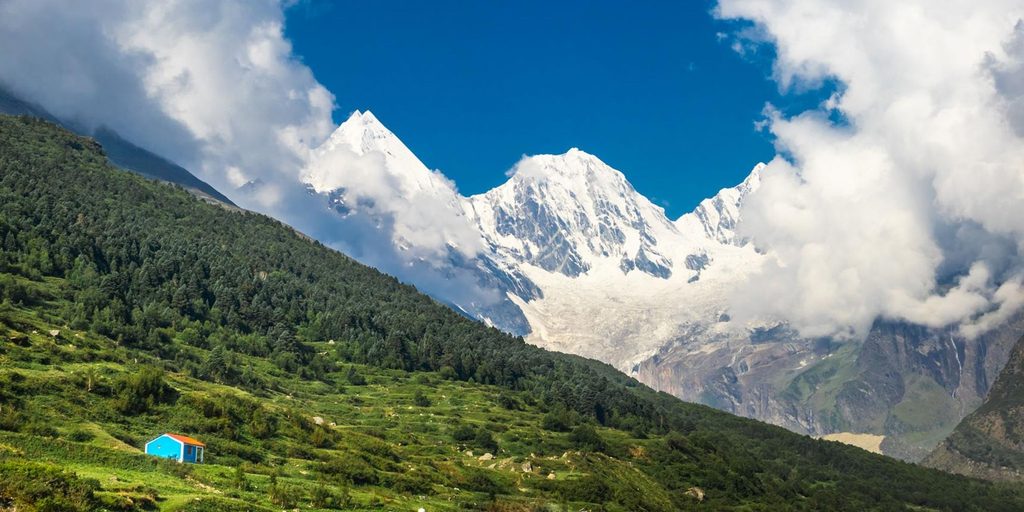
Darma Valley is best explored as a collection of villages, landscapes, and mountain viewpoints rather than a destination with a single central attraction. The precise places you can reach depend on the condition of the roads, the season, local access arrangements, and how much time you have available.
Dantu Village
Dantu is one of the villages commonly associated with Darma Valley travel. Its traditional architecture and mountain setting make it a compelling place to experience the character of the region. Depending on visibility, the surrounding landscape can provide impressive views toward the Panchachuli peaks.
Walk through the settlement respectfully, observe the relationship between houses and agricultural land, and take time to appreciate the quieter details of village life. Always ask before photographing residents or entering private property.
Sela Village
Sela is another settlement associated with the upper Darma region. Like other villages in the valley, its appeal lies in its setting and the opportunity to see how communities adapt to the challenges of mountain living.
Conditions and access can vary, so confirm whether a visit is practical for your chosen dates rather than assuming every settlement will be reachable.
Nagling and the Upper Valley
Nagling is known among travelers interested in the valley’s remote settlements and trekking landscape. It can form part of a broader exploration of the upper Darma region, depending on the route and local conditions.
The scenery around these settlements rewards travelers who enjoy open mountain views, changing light, and the contrast between green valley floors and rugged Himalayan slopes.
The Darma River
The river is a defining element of the landscape. Its course provides a natural reference point as roads and trails move through the valley, while the surrounding terrain changes from wooded sections to more exposed mountain scenery.
Riverbanks are attractive places for landscape photography, but visitors should avoid unstable edges and never underestimate the force of mountain water, particularly during periods of heavy rain or snowmelt.
Panchachuli Peaks and the Valley’s Himalayan Scenery
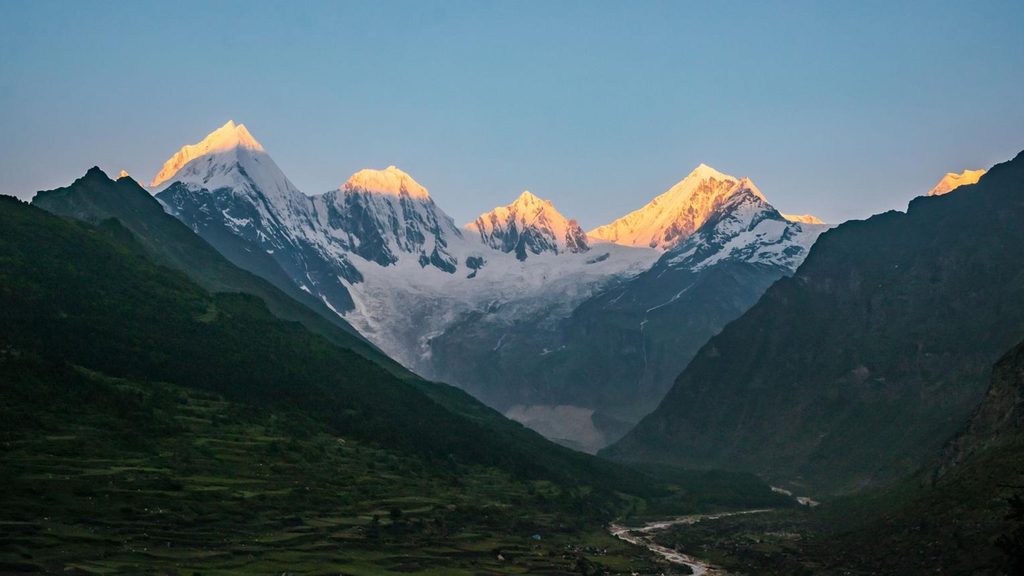
The Panchachuli peaks are among the region’s most recognizable natural landmarks. Their snow-covered summits rise above the surrounding Himalayan terrain, creating a dramatic backdrop for villages, forests, and mountain trails. The name refers to a group of five peaks, although visibility of all five depends on the viewpoint and weather.
The mountains are especially striking when the sky is clear and the upper slopes catch the changing light. Early mornings can provide good photographic conditions, but cloud cover is common in mountain environments and no particular view is guaranteed.
For photographers, the contrast between white peaks, dark forest, rocky slopes, and traditional village buildings provides a variety of compositions. A wide-angle photograph may capture the scale of the landscape, while a longer focal length can isolate mountain details.
It is worth remembering that a mountain viewpoint does not need to be a strenuous hike. Some scenic locations can be appreciated from accessible village areas, while others require walking on uneven terrain. Ask locally about safe viewpoints and avoid attempting unfamiliar trails without suitable preparation.
The Panchachuli region also attracts experienced mountaineers, but viewing the peaks and climbing them are entirely different activities. Technical expeditions require specialist equipment, training, appropriate permissions, and professional planning.
Best Time to Visit Darma Valley
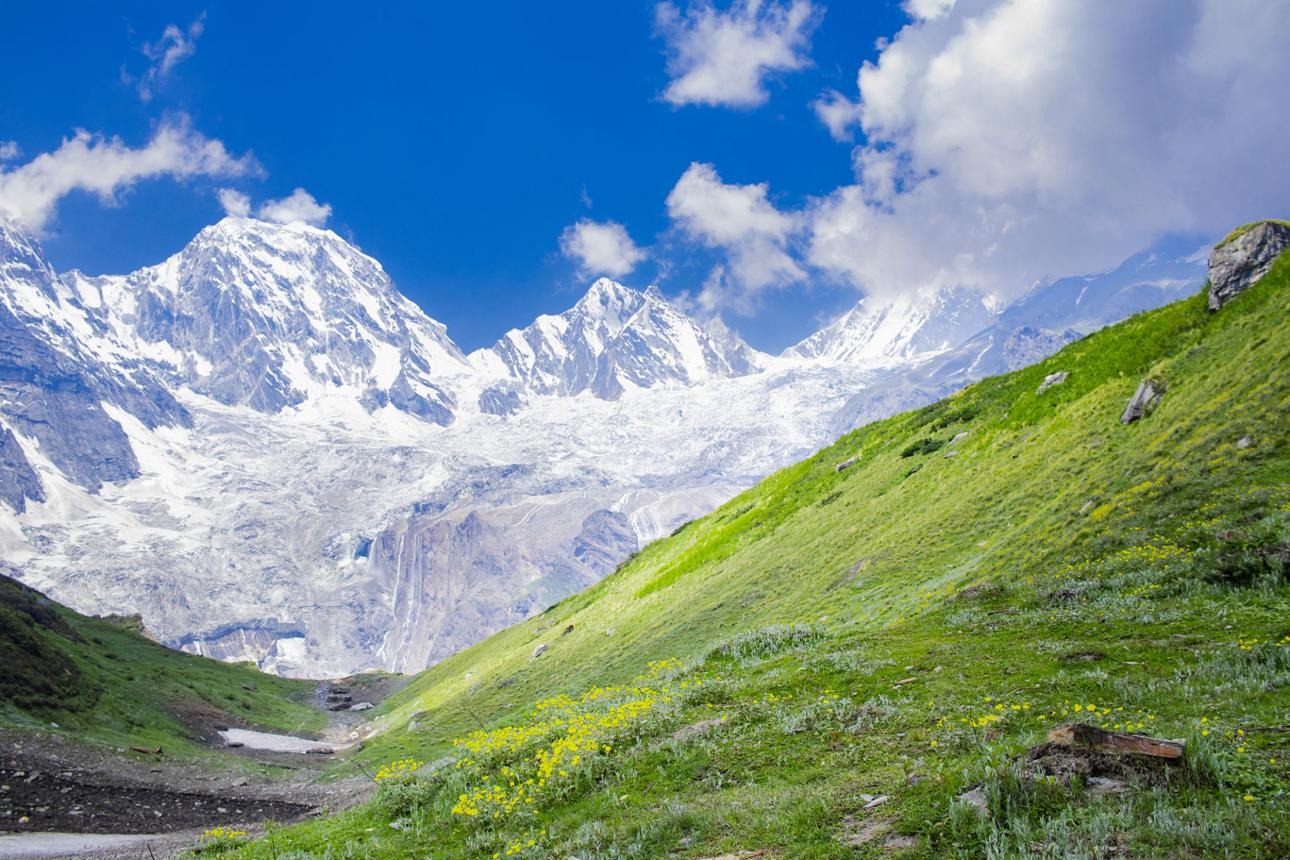
The most suitable travel period generally falls within the warmer months, when access to higher Himalayan settlements is more practical. Summer and early autumn are often considered for valley exploration, although the best dates depend on snow conditions, rainfall, road access, and the specific places you intend to visit.
The monsoon period requires particular caution. Heavy rainfall can trigger landslides, damage roads, and make river crossings or walking trails hazardous. Even when conditions look calm at the beginning of a journey, mountain weather can change quickly.
| Season | What travelers may experience | Planning advice |
| Spring | Warming conditions at lower elevations, with possible lingering snow higher up | Confirm road access and conditions in upper settlements |
| Summer | Greener landscapes and generally more practical access during suitable weather | Check forecasts, road reports, and accommodation availability |
| Monsoon | Lush vegetation but increased rainfall and possible landslides | Travel flexibly and avoid risky journeys during severe weather |
| Early autumn | Cooler air and potentially clear mountain views | Prepare for colder nights and check whether higher routes remain accessible |
| Winter | Snow, freezing conditions, and possible access limitations | Do not assume remote villages or trekking routes will be accessible |
These are broad seasonal guidelines rather than a guarantee of local conditions. Check current information shortly before leaving, particularly if your plans depend on reaching the upper valley.
For many visitors, the best trip is one that allows a few flexible days. This makes it easier to wait for clear mountain views or adjust plans when weather affects road access.
How to Reach Darma Valley From Delhi or Dehradun
Reaching Darma Valley usually involves traveling through the Kumaon region of Uttarakhand before continuing by road toward the valley. Pithoragarh is an important regional base, while Dharchula is a key town for travelers arranging access to the Darma area. The final journey can involve winding mountain roads, and conditions may change with rainfall, landslides, or seasonal restrictions.
Traveling by road
Travelers coming from Delhi or Dehradun generally need to arrange a longer journey through Uttarakhand before reaching the eastern Kumaon region. The route and travel time depend on your starting point, road conditions, stops, and the current access situation.
From Dharchula, onward travel toward Darma Valley should be confirmed locally. Do not assume that a standard taxi, public transport service, or private vehicle can reach every village throughout the year.
Traveling by rail or air
Rail and air connections can help you reach a broader transport hub before continuing by road, but neither provides a direct arrival in Darma Valley. The most suitable connection depends on where you begin your journey and the current transport schedules.
| Travel option | Best use | Important consideration |
| Private vehicle | Travelers who want flexibility and control over stops | Confirm road conditions, vehicle suitability, and local access |
| Hired taxi | Visitors who prefer not to drive mountain roads themselves | Agree on the destination, waiting arrangements, and return transport |
| Bus and shared transport | Travelers using regional public transport | Services and connections may be limited; verify current schedules |
| Rail followed by road | Visitors traveling from cities connected to the railway network | The remaining mountain journey can be long |
| Air followed by road | Travelers who can use a suitable regional airport connection | Flight availability and onward road transfers need separate confirmation |
Carry identification and check current travel requirements with the relevant local authorities. Some areas near the international border may have access restrictions or permit requirements that depend on nationality, destination, and current rules. Verify these before finalizing your itinerary.
Trekking and Outdoor Activities in Darma Valley
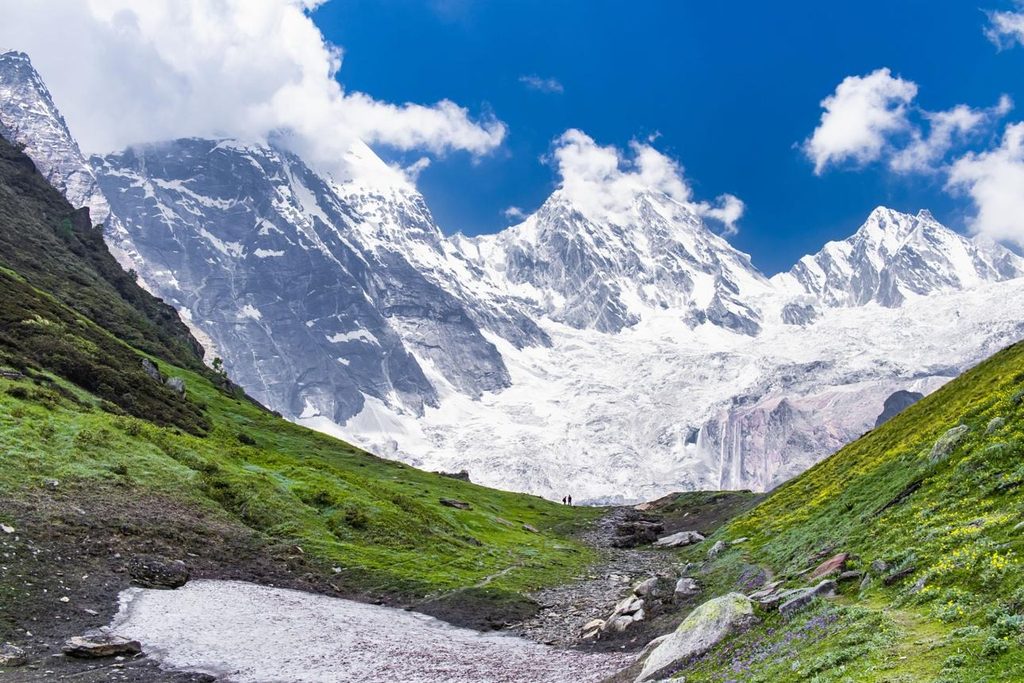
Walking is one of the best ways to appreciate the valley’s changing landscapes. Depending on local conditions, visitors may be able to take short walks around settlements or arrange longer trekking routes through the surrounding mountains. The appropriate choice depends on your fitness, experience, available time, and whether you have a knowledgeable local guide.
Village walks and nature trails
Short walks around accessible villages allow you to explore fields, traditional houses, forest edges, and river scenery without committing to a demanding trek. These are useful options for travelers who want to photograph the landscape or experience local life at a relaxed pace.
Stay on established paths where possible, and ask residents or local guides which trails are appropriate for visitors. Paths that look straightforward on a map may become steep, slippery, or difficult to follow on the ground.
Longer Himalayan treks
Darma Valley is associated with trekking routes in the wider Kumaon Himalayas, including routes toward higher mountain terrain. Some itineraries involve substantial elevation gain, remote camps, and limited access to emergency services.
Do not select a trek based only on photographs or a short online description. Confirm the route, daily walking requirements, altitude profile, overnight arrangements, and any permits needed. If you lack experience at altitude, choose a conservative itinerary with professional support.
Nature and birdwatching
The combination of forest, river, and high mountain environments makes the area interesting for nature enthusiasts. Patient observation is more rewarding than expecting to see a particular animal or bird. Keep noise low, maintain distance from wildlife, and avoid disturbing nesting sites or sensitive habitats.
Discover Local Culture and Traditional Village Life
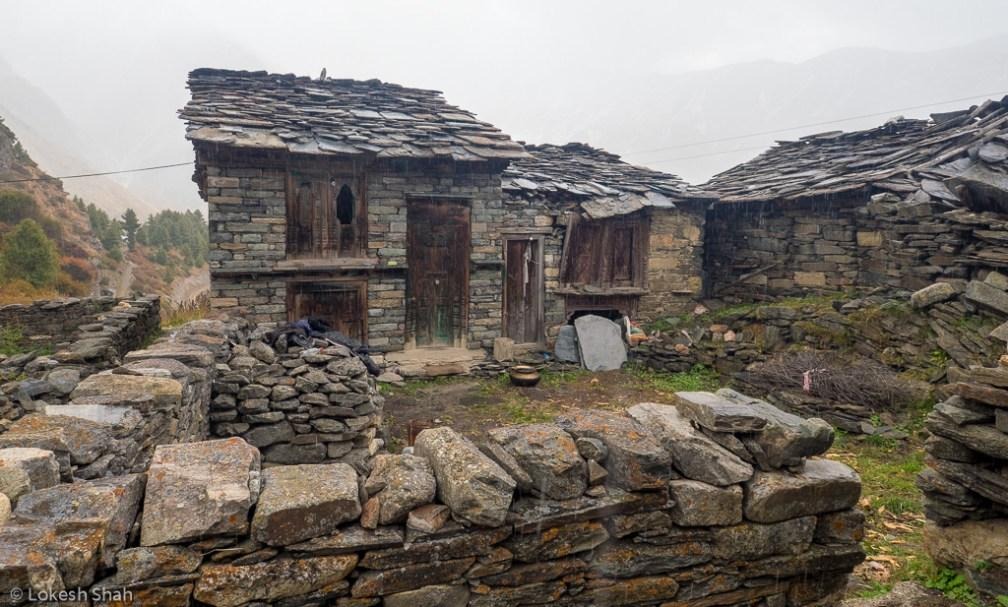
Darma Valley’s villages are central to its identity. The architecture, agricultural practices, and seasonal routines reflect the challenges of living in a remote mountain environment where weather and access influence everyday decisions.
The wider region is associated with the Shauka, or Rang, communities, whose cultural history is connected with the Himalayan borderlands and historic trade links. Local identities and customs vary, so it is best to learn about individual communities through respectful conversations rather than assuming that every village shares identical traditions.
Traditional homes may use stone, timber, and other locally available materials. Their design reflects practical needs as well as the character of the landscape. Fields, storage areas, and paths around the settlement provide additional insight into how people organize village life.
Visitors can support local communities by hiring local guides, using locally operated accommodation where available, purchasing local products, and following residents’ advice about sensitive areas. Ask permission before taking portraits, respect religious sites, and avoid entering houses or fields without an invitation.
A little patience makes a difference here. Rather than rushing through several villages for photographs, allow time to understand the setting and appreciate the people who call the valley home.
What to Eat During Your Visit
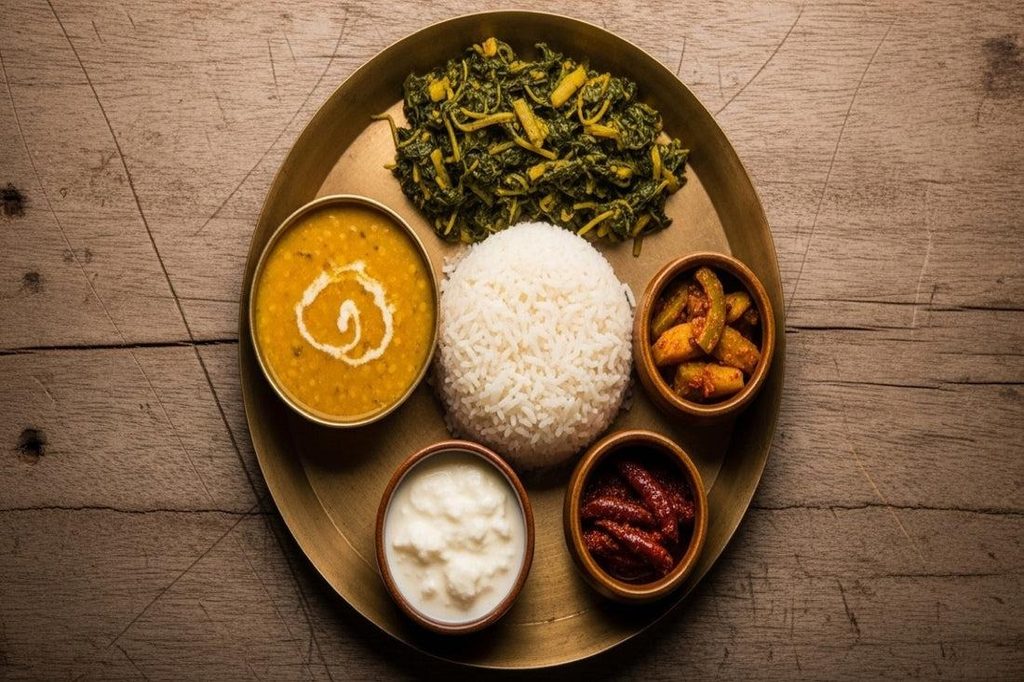
Food arrangements in Darma Valley are usually simpler than those in established tourist towns. Depending on where you stay, meals may be provided by a homestay or arranged through a local host. Do not assume that restaurants, shops, or a wide choice of dishes will be available in every settlement.
The wider Kumaon region has a distinctive food culture, with dishes based on grains, lentils, seasonal vegetables, and local ingredients. Familiar regional preparations may be available, but the precise menu in a remote village depends on the household and season.
For a comfortable trip, communicate dietary needs before arrival. Vegetarians should confirm what meals can be prepared, while travelers with food allergies should explain their requirements clearly. If you depend on particular snacks or energy foods during a trek, bring an appropriate supply.
Carry safe drinking water or a reliable treatment method. Ask your host or guide about the best way to manage drinking water locally, especially when walking away from villages. Avoid assuming that clear-looking river water is safe to drink untreated.
Where to Stay in Darma Valley
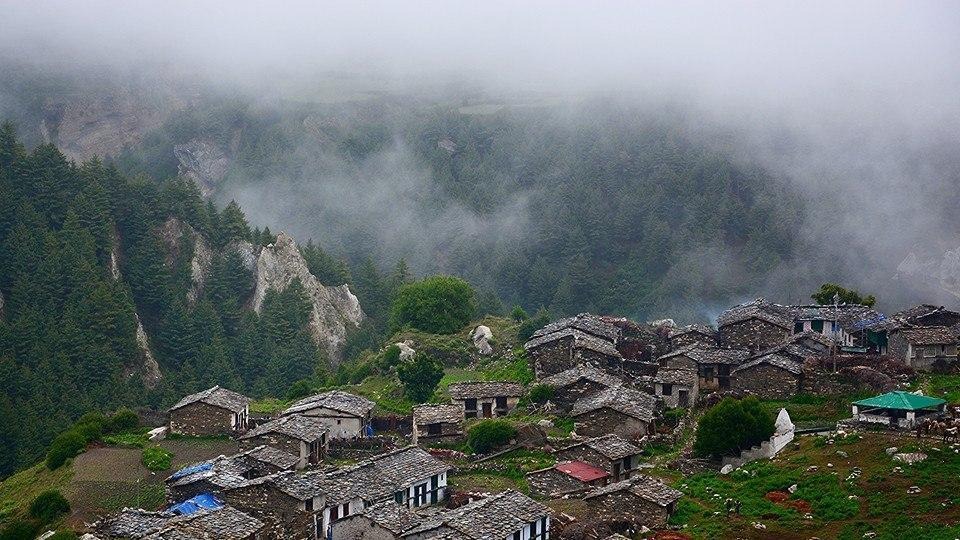
Accommodation is part of the experience, but travelers should approach it with realistic expectations. Options may include basic homestays, guest accommodation, or arrangements organized through local trekking providers. Availability and facilities differ between villages and may change from one season to another.
Dharchula and other larger regional settlements can be useful places to organize supplies, transport, and overnight stays before continuing into more remote areas. For visitors planning to stay in the valley, advance confirmation is especially important during popular travel periods.
Before booking, ask whether bedding, meals, hot water, toilets, charging facilities, and heating are available. Do not assume that every property offers a private bathroom or reliable mobile connectivity.
Travelers who prefer comfortable hotels may wish to combine time in the valley with stays in larger towns. Those who value cultural interaction and remote landscapes may be happy with simpler accommodation, provided they know what to expect.
Pack warm sleepwear and an extra insulating layer even if you travel during summer. Temperatures can drop after sunset at higher elevations, and facilities for heating may be limited.
A Suggested Three-Day Darma Valley Itinerary
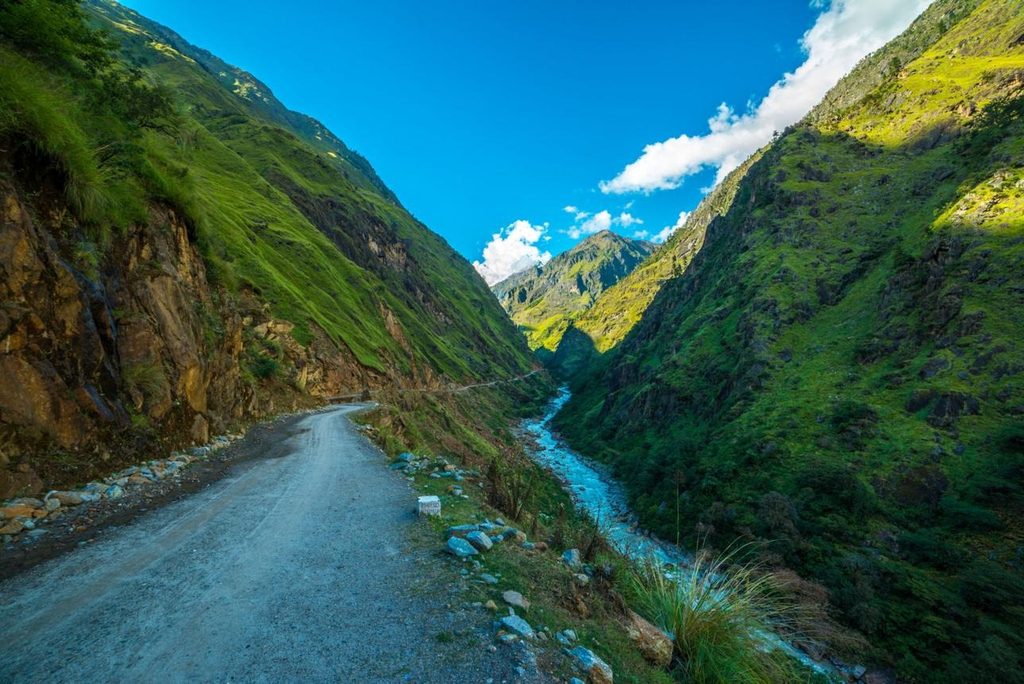
Three days in the valley can provide a useful introduction if road access is suitable and you have already arranged transportation. However, this is a flexible outline rather than a guaranteed route. Your actual overnight stops should depend on current road conditions, accommodation availability, and the places local authorities confirm you can visit.
| Day | Suggested plan | Main focus |
| Day 1 | Travel toward the valley and settle into an accessible village | Mountain scenery, arrival, and local orientation |
| Day 2 | Explore a village such as Dantu or another accessible settlement | Traditional architecture, photography, and short walks |
| Day 3 | Enjoy a local nature walk or viewpoint before beginning the return journey | Landscape exploration and a relaxed departure |
A longer stay is preferable if you want to include trekking, spend more time with local communities, or travel to higher settlements. Allow additional time for the journey from your starting city, and do not rely on a tightly scheduled return connection after a long mountain-road trip.
Photography Tips for Darma Valley
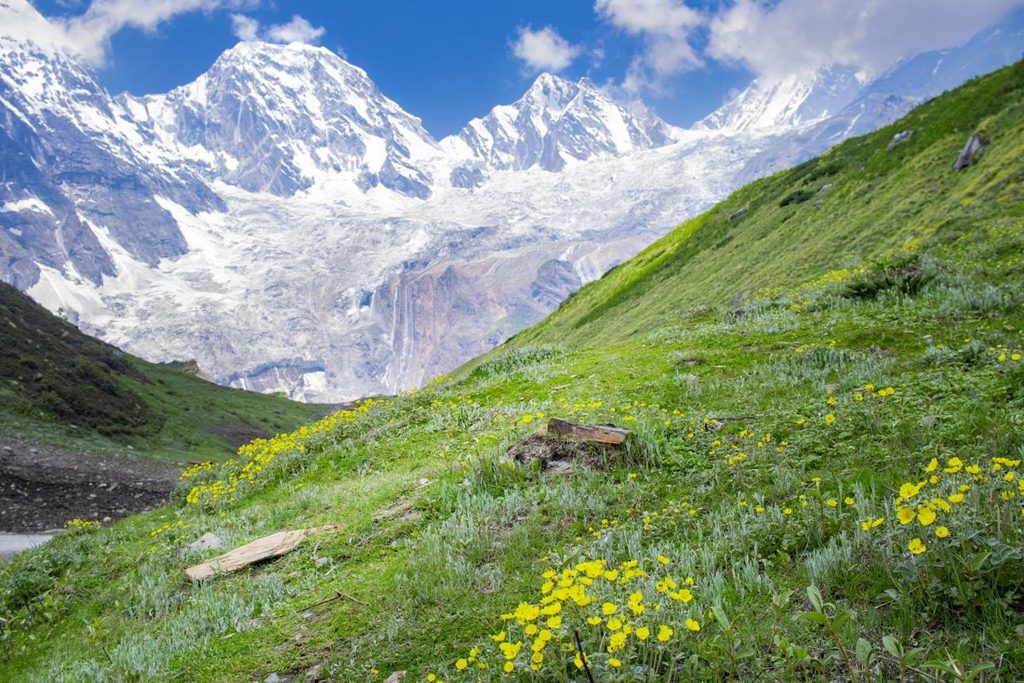
Darma Valley rewards photographers who pay attention to changing light, landscape scale, and small details. The Panchachuli peaks provide a dramatic subject, but the valley’s forests, riverbanks, traditional buildings, and agricultural landscapes can be equally compelling.
Early morning can provide clearer mountain views on some days, while later sunlight may emphasize the texture of rocky slopes. Cloudy weather can also create atmospheric photographs, although heavy cloud may hide the peaks entirely.
Try photographing the landscape from different perspectives rather than relying exclusively on wide panoramic shots. A traditional house framed by mountains can communicate the relationship between people and place more effectively than a mountain-only image.
Practical preparation matters too. Keep your camera or phone protected from dust and moisture, carry spare batteries where necessary, and use a secure strap on narrow paths. Avoid stepping into fields, standing on unstable riverbanks, or leaving marked trails simply to find a better composition.
Most importantly, ask permission before photographing people closely. Respectful photography produces a better travel experience for both visitors and residents.
Responsible Travel and Essential Safety Advice
Remote Himalayan travel requires more preparation than a visit to a conventional hill station. Weather, road damage, limited medical facilities, and inconsistent communications can all affect your plans.
Before departure, check the latest road and weather information, confirm your accommodation, and ask whether any permits or local permissions apply to your intended route. If you are traveling near restricted border areas, verify the rules with the relevant authorities rather than relying on outdated travel blogs.
Keep these principles in mind:
- Carry sufficient cash, personal medication, identification, and essential supplies.
- Bring warm layers and rain protection, even when daytime weather appears pleasant.
- Avoid unnecessary travel during heavy rain or when landslide warnings are in effect.
- Use experienced local guides for unfamiliar or demanding trails.
- Tell someone your intended route and return plans.
- Carry out your rubbish and minimize single-use plastics.
- Respect local customs, private property, and religious sites.
- Do not enter rivers or attempt crossings when water levels or currents are unsafe.
Travelers with young children or mobility limitations should assess road conditions, walking distances, accommodation facilities, and access to medical help before committing to a remote itinerary. A shorter village-based visit may be more suitable than a high-altitude trek.
Nearby Places to Consider Around Darma Valley
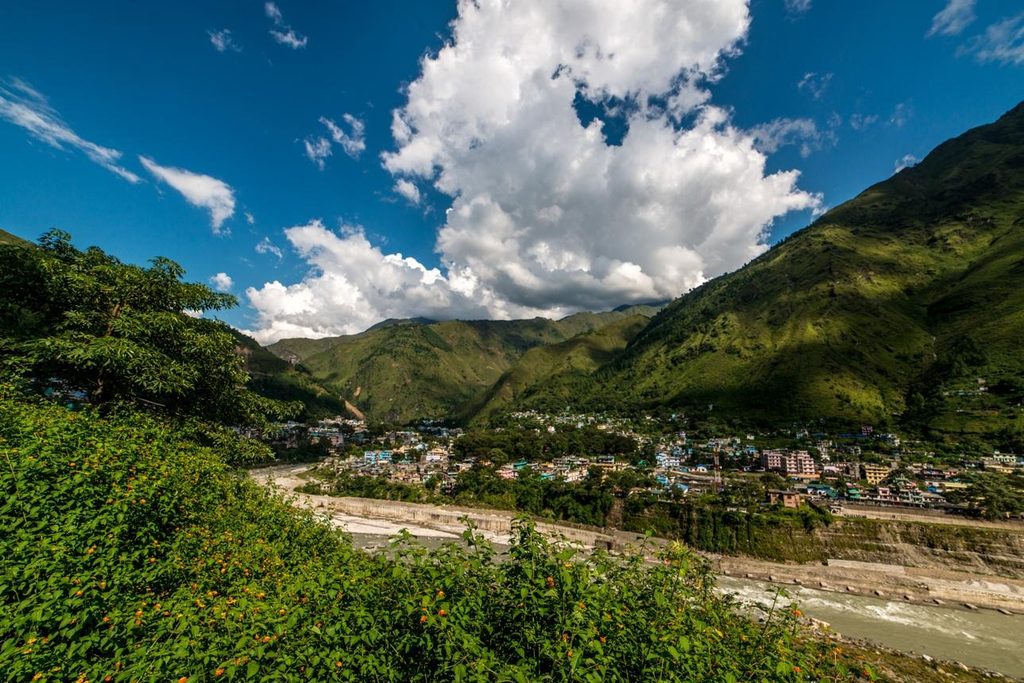
Darma Valley can be combined with other destinations in eastern Kumaon, provided you allow enough time for the mountain roads and check access arrangements before departure.
Dharchula
Dharchula is an important regional town near the Kali River and a practical place to organize transport and supplies for travel farther into the mountains. Its location near the international border makes checking current access requirements particularly important.
Pithoragarh
Pithoragarh is a larger regional center that can serve as a base for parts of a wider Kumaon journey. Depending on your route, it may be useful for arranging transport, obtaining supplies, or spending a night before continuing toward remote mountain areas.
The wider Panchachuli region
Travelers interested in Himalayan scenery may wish to explore other accessible viewpoints and villages associated with the Panchachuli mountains. Choose locations based on verified road access and the time available rather than assuming every viewpoint can be reached by vehicle.
These places are best treated as possible additions, not compulsory stops. The distances and travel times between mountain destinations can be affected by road conditions, so confirm the practical route before planning consecutive overnight stays.
FAQs
Where is Darma Valley located?
Darma Valley is in Pithoragarh district in the eastern Kumaon region of Uttarakhand, India. It follows the Darma River and is known for remote Himalayan villages and views of the Panchachuli mountain group.
What is the best time to visit Darma Valley?
Summer and early autumn are commonly considered for travel, subject to local conditions. Monsoon rain can cause landslides and road disruption, while winter may bring snow and limited access to higher settlements. Check current conditions before departure.
How many days are enough for Darma Valley?
Three days in the valley can provide a short introduction if access is favorable. A longer trip is better for trekking, exploring multiple villages, and allowing flexibility for weather. You should also account for travel time from your home city.
Is Darma Valley suitable for a family trip?
It can suit families who are comfortable with remote destinations and basic facilities. However, long mountain-road journeys, limited medical services, and uneven walking paths may be challenging for young children or older travelers. Plan accommodation and transport carefully.
Do travelers need permits to visit Darma Valley?
Requirements can depend on nationality, the exact destination, current regulations, and access restrictions in border areas. Confirm the latest rules with the relevant local authorities before traveling, especially if your itinerary includes sensitive or restricted locations.
Conclusion
Darma Valley is a destination for travelers who appreciate the quieter side of the Himalayas: villages shaped by mountain life, changing landscapes along a river, and the imposing presence of the Panchachuli peaks. Its appeal lies not only in the views but also in the opportunity to understand a remote part of Uttarakhand at a more thoughtful pace.
Plan around the realities of mountain travel rather than trying to fit too much into a short visit. Confirm access, choose accommodation carefully, respect local communities, and leave room for weather-related changes. With preparation and an open-minded approach, Darma Valley can become a memorable part of an eastern Kumaon journey.
Read More: Markha Valley Trek: A Complete Travel Guide to Ladakh’s Remote Himalayan Wilderness

I am a travel enthusiast who loves exploring India’s beautiful destinations, culture, history, food, and hidden places. Through my travel website, I aim to help travelers discover amazing places in India and plan memorable trips with useful travel information and tips.