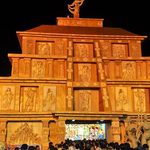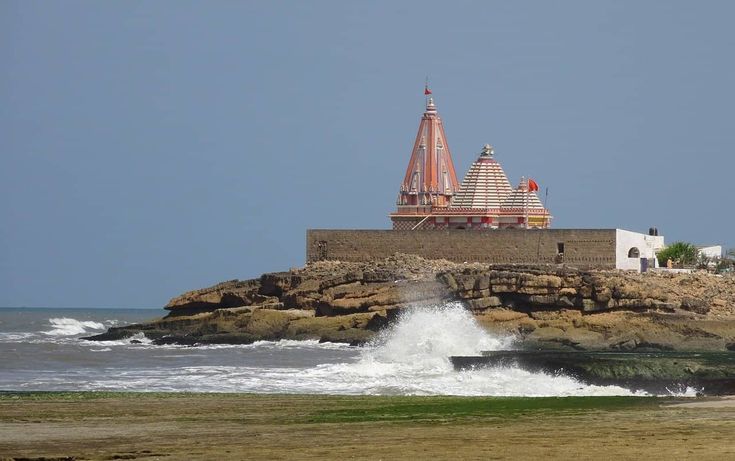
On the western coast of Gujarat, where the Arabian Sea meets the historic landscape of Prabhas Patan, Somnath stands as one of India’s most revered pilgrimage destinations. The shrine is traditionally regarded as the first among the twelve Jyotirlingas of Lord Shiva, giving it an importance that reaches far beyond its impressive coastal setting. For visitors, the experience combines worship, architecture, mythology, history and the atmosphere of an ancient sacred town.
What makes this destination particularly fascinating is its long historical journey. The shrine has been associated with different periods of Indian history, repeated destruction and reconstruction, and the cultural revival that followed India’s independence. A visit therefore offers more than a temple darshan. It provides an opportunity to understand how faith, architecture and historical memory have remained connected for centuries.
Somnath Temple at a Glance
The shrine is located at Prabhas Patan in Gujarat’s Gir Somnath district, close to Veraval. Its position beside the Arabian Sea is one of its defining features. The wider pilgrimage landscape also includes the meeting point of the Hiran, Kapila and Saraswati rivers, traditionally known as Triveni Sangam.
| Detail | Information |
| Location | Prabhas Patan, Gir Somnath district, Gujarat |
| Religious importance | One of the twelve Jyotirlingas |
| Setting | Arabian Sea coast |
| Nearest major town | Veraval |
| Main historical significance | Repeated reconstruction over centuries |
| Present temple style | Kailas Mahameru Prasad tradition |
The sacred importance of the site is described in ancient Hindu texts including the Skanda Purana, Shiva Purana and Bhagavata traditions. According to religious tradition, Chandra, the Moon God, worshipped Shiva here after receiving a curse from Daksha Prajapati. Shiva is believed to have relieved him from the curse, giving rise to the association with the name Somnath.
Why Somnath Temple Matters
For Hindu pilgrims, the shrine represents one of the most important manifestations of Shiva. The Jyotirlinga tradition describes twelve sacred places where Shiva is worshipped as a divine manifestation of light. Somnath occupies the first position in the traditional list maintained by the Shree Somnath Trust.
The site also has significance beyond religious devotion. Its location on the western coast connected the settlement with wider movements of people, ideas and trade across the region. Over time, Prabhas Patan became part of a larger sacred landscape that included temples, pilgrimage sites, river confluences and places associated with Krishna and other figures from Hindu tradition.
Somnath Temple History
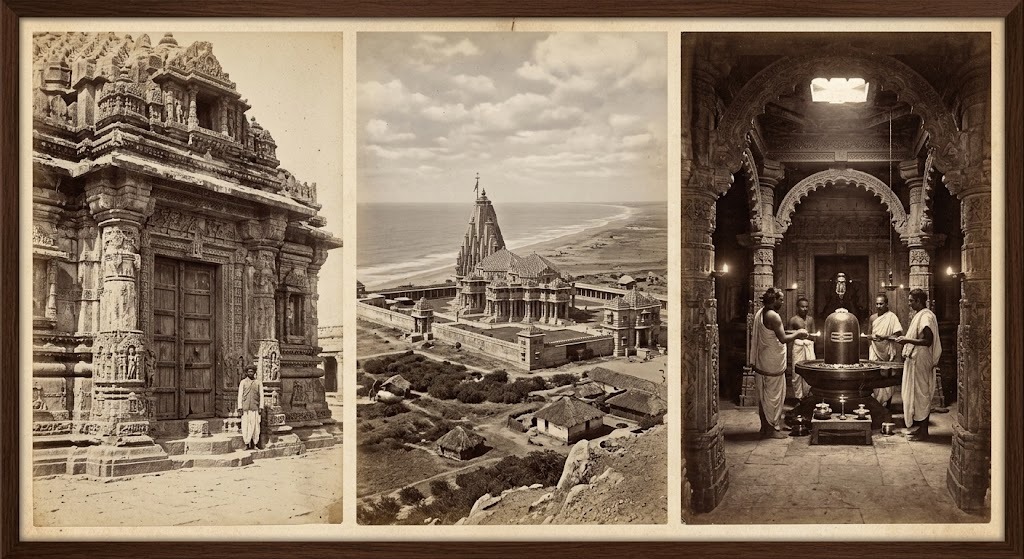
The history of this pilgrimage site combines literary tradition with documented historical events. Religious accounts describe earlier forms of the shrine as having been constructed in gold, silver, wood and stone by different legendary figures. These accounts belong to sacred tradition and should be understood separately from archaeological and historical evidence.
Historical references place the shrine within a much older sacred landscape. Gujarat Tourism notes that the temple’s historical timeline can be traced to at least the early historical period, while the site itself is considered considerably older in religious tradition. Medieval accounts then provide clearer evidence of the temple’s prominence and wealth.
One of the most important episodes occurred in 1025–1026 CE, when Mahmud of Ghazni attacked Somnath. The event became a major part of the shrine’s later historical memory. The temple was subsequently associated with further episodes of destruction and rebuilding during the medieval period, including events traditionally dated to 1297, 1394 and 1706.
The rebuilding tradition is equally important. Rather than disappearing from the religious landscape, the shrine continued to be reconstructed and worship continued at the sacred site. Queen Ahilyabai Holkar built another Somnath shrine in 1782–1783, helping preserve the worship tradition during a period when the original site faced political difficulties.
The modern chapter began after independence. Sardar Vallabhbhai Patel visited the ruins on 13 November 1947 and supported reconstruction. The foundation ceremony followed in 1950, and the new shrine received its Pran Pratishtha from President Dr Rajendra Prasad on 11 May 1951. The temple complex was developed in stages, with major construction work continuing into the 1960s. The completed temple was formally dedicated to the nation on 1 December 1995 by President Dr Shankar Dayal Sharma.
| Year or period | Historical development |
| Ancient period | Prabhas Patan develops as an important sacred landscape |
| 1025–1026 CE | Mahmud of Ghazni attacks Somnath |
| 1297 | Another major destruction is traditionally recorded |
| 1394 | Further destruction is recorded in historical accounts |
| 1706 | Another major episode is associated with the shrine |
| 1782–1783 | Ahilyabai Holkar establishes a separate shrine |
| 1947 | Sardar Patel supports reconstruction after independence |
| 1950 | Foundation work for the modern temple begins |
| 11 May 1951 | Pran Pratishtha performed by Dr Rajendra Prasad |
| 1 December 1995 | Fully reconstructed temple dedicated to the nation |
Somnath Temple Architecture and Sacred Design
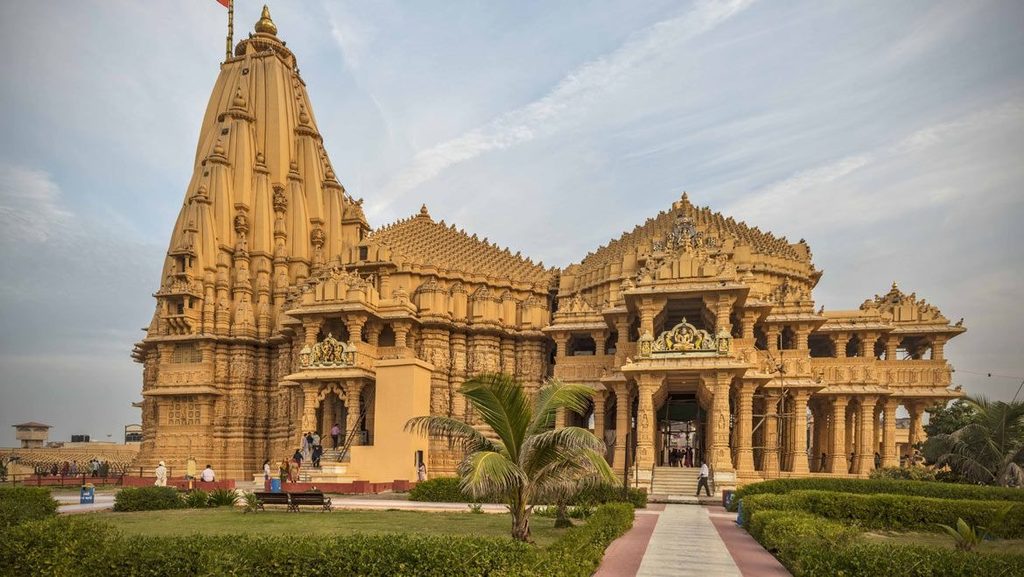
The present structure follows the Kailas Mahameru Prasad style and was designed according to traditional architectural principles. The main complex includes the Garbhagriha, Sabhamandap and Nrityamandap. Its tall shikhara dominates the coastal skyline and gives the temple a distinctive presence when viewed from the surrounding area.
The temple’s architecture is especially striking because of its relationship with the sea. The building stands close to the shoreline, creating a visual connection between the sacred structure and the open Arabian Sea. The famous arrow pillar on the seafront marks what the trust describes as an unobstructed maritime direction toward the South Pole.
The interior is centred on the Shiva shrine, while the wider complex includes additional sacred spaces and visitor facilities. The combination of carved stonework, vertical architectural lines and the coastal setting makes the temple particularly memorable for travellers interested in Indian architecture.
Somnath Temple Attractions and Sacred Places Nearby
A visit does not have to end at the main shrine. Prabhas Patan contains several important religious and historical places that help explain the wider importance of the region.
Triveni Sangam is where the Hiran, Kapila and Saraswati are traditionally believed to meet before reaching the Arabian Sea. Vallabhghat provides a peaceful place near the temple for experiencing the coastline, particularly around sunset.
The Prabhas Patan Museum is another useful stop for visitors interested in history. It displays architectural fragments from earlier temples, including a reconstructed twelfth-century shrine section.
Bhalka Teerth is associated with the traditional account of Krishna’s final journey. Nearby sacred places such as Geeta Mandir and the Ahilyabai temple add further layers to the religious history of the area.
Best Time to Visit Somnath Temple
The cooler period from October to February is generally the most comfortable time for exploring the temple and nearby attractions. Temperatures are more suitable for walking around the pilgrimage area and visiting sites along the coast. Gujarat Tourism also highlights Mahashivratri as an especially important festival period, when devotees gather in large numbers.
| Season | What to expect | Suitable for |
| October to February | Cooler and more comfortable weather | Temple visits and sightseeing |
| March to May | Warmer conditions | Pilgrims comfortable with heat |
| June to September | Monsoon influence and humid coastal weather | Quieter travel and flexible itineraries |
| Mahashivratri period | Major religious celebrations | Festival and pilgrimage experience |
If your priority is peaceful sightseeing, ordinary weekdays outside major festivals can be easier than peak pilgrimage dates. Those visiting specifically for Mahashivratri should expect a much livelier atmosphere.
How to Reach Somnath Temple
Somnath is connected to other parts of Gujarat by road and rail. Somnath railway station serves the pilgrimage town, while Veraval is also an important nearby transport hub. Gujarat Tourism lists road connections from Junagadh, Porbandar, Bhavnagar and Ahmedabad.
For a broader Gujarat itinerary, travellers can combine Somnath with destinations such as Junagadh, Gir National Park and Dwarka. The best transport choice depends on the rest of the journey, available connections and whether the trip is focused mainly on pilgrimage or wider sightseeing.
Things to Know Before Visiting Somnath Temple
Dress respectfully because this is an active place of worship. Keep some extra time for security procedures and follow the temple’s current visitor instructions. Rules and timings can change during festivals or special occasions, so checking the official temple information before travelling is sensible.
Photography rules may also differ between the temple interior and surrounding areas. Visitors should follow posted instructions rather than assuming that photography is permitted everywhere.
The evening atmosphere is worth experiencing. The temple is illuminated after sunset, and the trust also presents a sound and light programme on selected evenings. Current show timings should be confirmed before planning around them because schedules can change.
FAQs
What is the religious importance of this shrine?
It is traditionally regarded as the first of the twelve Jyotirlingas dedicated to Lord Shiva and is one of the most important Shaivite pilgrimage sites in India.
Where is the temple located?
It is located at Prabhas Patan in Gujarat’s Gir Somnath district, close to the coastal town of Veraval.
Which months are most comfortable for visiting?
October through February are generally considered the more comfortable months because the weather is cooler than during the hotter part of the year.
What historical sites can be visited nearby?
Visitors can explore Triveni Sangam, Bhalka Teerth, Geeta Mandir, the Ahilyabai shrine and the Prabhas Patan Museum.
How much time should be allowed for the visit?
A few hours can cover the main shrine and nearby attractions, but travellers interested in the history and wider pilgrimage landscape should consider giving the area most of a day.
Conclusion
A journey to this sacred coastal town is ultimately a journey through several layers of Indian history. Ancient religious traditions, medieval upheavals, centuries of reconstruction and the rebuilding movement of independent India are all connected to the same landscape. The present shrine is therefore not simply an architectural landmark. It represents a long historical continuity shaped by devotion, memory and cultural renewal.
For travellers, the greatest value comes from looking beyond the main prayer hall. Walk through the surrounding pilgrimage sites, learn about the earlier structures, visit the museum and spend time along the Arabian Sea. Seen in that wider context, Somnath becomes a destination where Gujarat’s spiritual traditions and historical story can be experienced together.
Read More:Golden Temple Travel Guide: Everything You Need to Know for an Unforgettable Visit

I am a travel enthusiast who loves exploring India’s beautiful destinations, culture, history, food, and hidden places. Through my travel website, I aim to help travelers discover amazing places in India and plan memorable trips with useful travel information and tips.