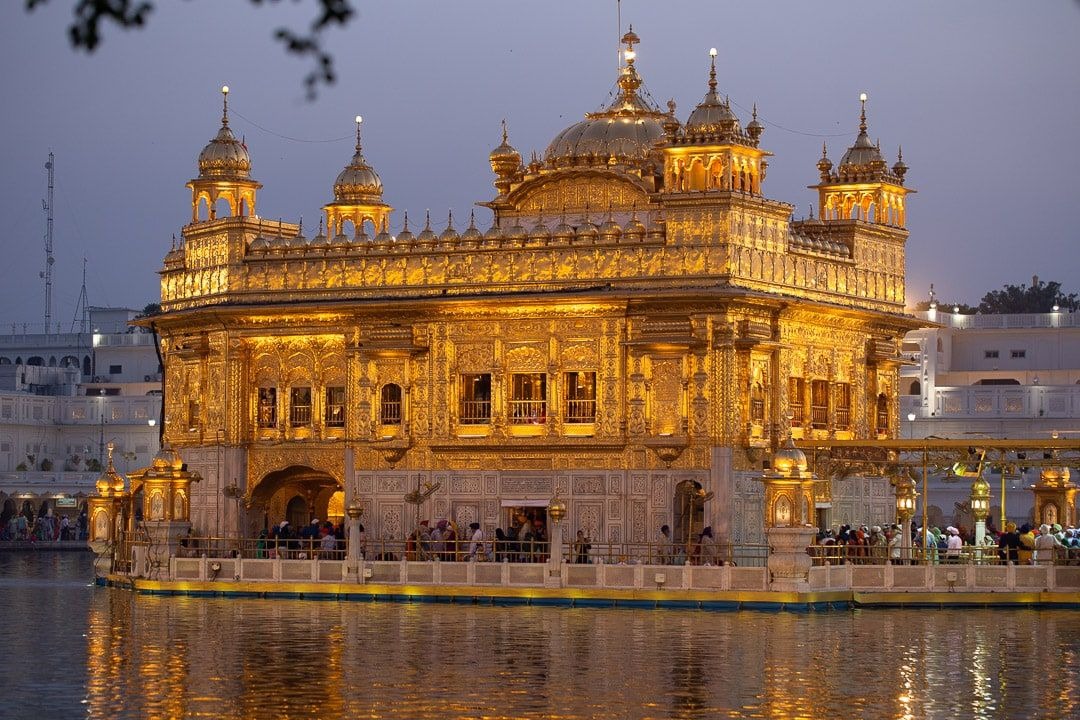
Stepping through the arched gateways into the complex surrounding the Golden Temple in Amritsar instantly shifts your perception of sacred spaces. Known officially as Harmandir Sahib, this iconic sanctuary sits at the physical and spiritual heart of Sikhism, casting a brilliant golden reflection across the tranquil waters of the Amrit Sarovar. The air carries the rhythmic, melodic chanting of gurbani, accompanied by the gentle rustle of pilgrims gliding across cool white marble walkways. It is a destination that captivates not merely through its striking architecture, but through an overwhelming sense of peace, openness, and radical hospitality that welcomes every visitor regardless of background, faith, or origin.
Whether you are drawn by religious devotion, historical curiosity, or a desire to experience one of the world’s most humbling cultural sites, visiting this magnificent complex requires thoughtful preparation. From navigating the bustling streets of Amritsar’s old city to understanding the centuries-old customs observed within the complex, proper planning transforms a simple trip into a profound memory. This complete travel guide covers all the practical details, cultural etiquette, historical contexts, and insider advice necessary to help you experience the full magic of the shrine while making the most of your journey.
History and Significance of the Golden Temple
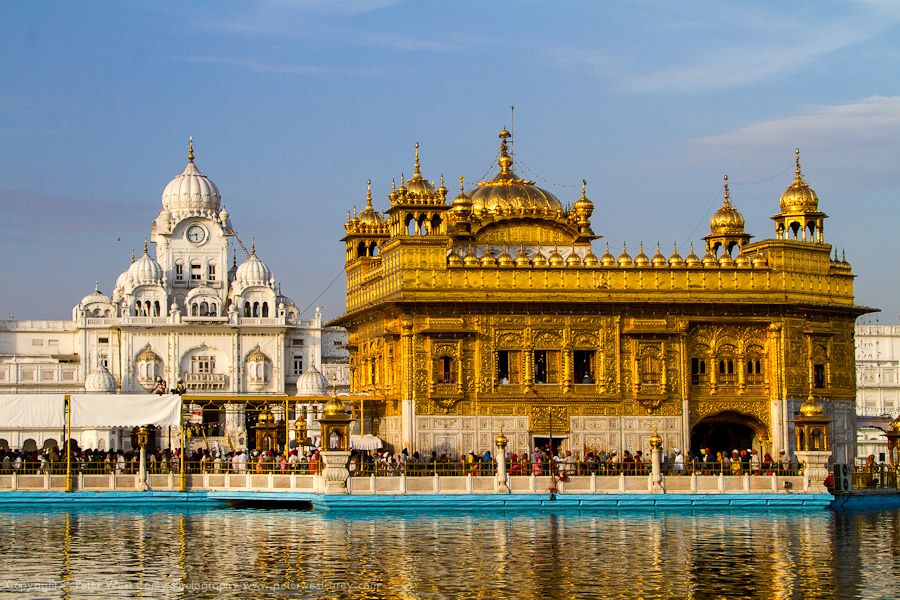
The story of the Golden Temple began in the late sixteenth century when Guru Ram Das, the fourth Sikh Guru, excavated a large holy tank known as the Amrit Sarovar, or the Pool of Nectar. His successor, Guru Arjan Dev, designed the temple itself to sit directly in the center of this water, intentionally placing the structure at a lower level than the surrounding land to symbolize humility. In a powerful gesture of universal acceptance, the Guru invited the Sufi saint Mian Mir to lay the foundation stone in 1589, establishing a legacy of interfaith harmony that remains a core principle of the shrine to this day.
Unlike traditional temple architecture of its era, which often featured elevated foundations and restrictive entrances, the central sanctum was designed with four open doors facing north, south, east, and west. This architectural choice explicitly signified that people from all corners of the world and all walks of life were equally welcome to enter. The distinctive gold foil covering that gives the sanctuary its famous appearance was added in the early nineteenth century under the reign of Maharaja Ranjit Singh, who transformed the marble structure into a gilded masterpiece using hundreds of kilograms of pure gold leaf.
| Historical Era | Key Figure | Contribution to the Shrine |
| 1577 | Guru Ram Das | Founded the city of Amritsar and excavated the Amrit Sarovar |
| 1589–1604 | Guru Arjan Dev | Built the central sanctum and installed the Adi Granth |
| 1606 | Guru Hargobind | Established the Akal Takht opposite the main temple |
| 1809–1830 | Maharaja Ranjit Singh | Overlaid the sanctum with copper and gold leaf gilding |
Essential Visitor Etiquette for the Golden Temple
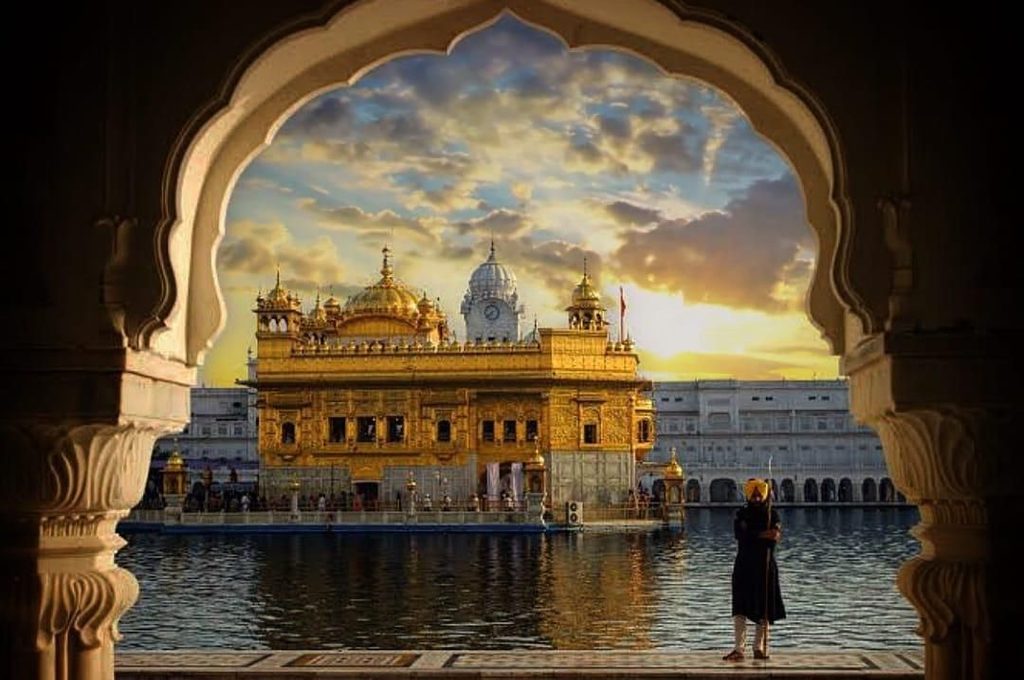
Experiencing the sanctuary respectfully requires adhering to several deeply meaningful customs that maintain the purity and solemnity of the space. Before entering the outer marble court, known as the Parikrama, all visitors must remove their footwear and leave it at the complimentary shoe keeping facilities managed by volunteers outside the gates. Your feet must be completely bare, meaning socks should also be removed and stored in your bag or left with your shoes.
Additionally, every person entering the premises must keep their head fully covered at all times as a sign of respect before the divine. Simple headscarves are distributed free of charge near the entrances, though carrying your own clean scarf or bandana is often more comfortable. You will also pass through shallow streams of running water designed to wash your feet clean before stepping onto the sacred marble. Alcohol, tobacco, electronic cigarettes, and meat products are strictly prohibited within the complex, and photography is restricted strictly to the outer walkway to preserve the sanctity of the inner shrines.
- Cover your head continuously with a scarf, bandana, or turban throughout your entire visit.
- Remove shoes and socks at the designated counters before entering the washing area.
- Walk barefoot through the shallow foot-clearing water basins at every entrance gate.
- Maintain a quiet, respectful demeanor and avoid using flash photography or taking selfies inside temple structures.
- Dress modestly in clothing that covers your shoulders and knees entirely.
Best Time to Visit the Golden Temple
Planning your trip around local weather patterns makes a tremendous difference in your overall experience. The winter season, spanning from October to March, offers the most pleasant conditions for exploring Amritsar. Daytime temperatures during these months are comfortable for walking long distances across the unheated marble floors, while cooler evenings create a crisp atmosphere ideal for sitting quietly by the water while the gilded walls gleam under evening floodlights.
Summer months between April and June bring intense heat, with daytime temperatures often climbing above forty degrees Celsius. While the management lays down wet canvas runners across the hot marble path to protect visitors’ feet, walking around the open complex during midday can still be physically demanding. The monsoon season from July to September brings refreshing downpours and dramatic, moody skies that make for striking views, though high humidity can make extended outdoor waiting times uncomfortable.
| Season | Months | Average Temperature Range | Travel Considerations |
| Winter | October to March | 10°C to 25°C | Best weather, pleasant walking, higher tourist numbers |
| Summer | April to June | 28°C to 42°C | Extremely hot midday sun, lighter crowds early morning |
| Monsoon | July to September | 25°C to 35°C | High humidity, rain showers, lush surrounding scenery |
Unforgettable Cultural Experiences at the Golden Temple
A trip to the sanctuary involves far more than simply viewing its stunning exterior. One of the most remarkable aspects of any visit is witnessing the operation of the Guru Ram Das Langar, a massive community kitchen that serves free, hot, nutritious vegetarian meals to up to one hundred thousand people every single day, regardless of social status, race, or religion. The entire operation is run almost exclusively by volunteers who chop vegetables, bake flatbreads, stir huge cauldrons of lentils, and clean dishes in an inspiring display of selfless service known as sewa.
Visiting the central sanctum itself requires lining up along the Causeway, or Guru’s Bridge, which stretches across the water. Inside the two-story building, continuous live recitations from the Guru Granth Sahib resonate through the hall, accompanied by traditional string instruments and harmoniums. Upstairs, quiet balconies offer a space to sit in quiet contemplation, while the roof provides panoramic views across the sacred pool. Experiencing the Palki Sahib ceremony, where the holy scripture is solemnly carried in a golden palanquin between the main shrine and the Akal Takht at dawn and nightfall, is an unforgettable spiritual encounter.
How to Reach the Golden Temple
Amritsar is one of northern India’s major religious and cultural hubs, making transportation straightforward regardless of your starting point. Sri Guru Ram Dass Jee International Airport sits roughly eleven kilometers northwest of the city center, connecting the region with direct domestic flights from major Indian cities as well as select international destinations in Europe and the Middle East. Pre-paid taxis and ride-hailing services operate efficiently from the terminal directly to the pedestrian zone surrounding the shrine.
For rail travelers, Amritsar Junction is a principal railway station well connected to New Delhi via high-speed express trains like the Shatabdi and Vande Bharat Express, taking between five and six hours. The railway station is situated roughly three kilometers from the temple complex. Free shuttle buses operated by the temple trust run regularly between the train station and the complex, while auto-rickshaws and battery-powered rickshaws provide quick, affordable alternatives through the lively city streets.
| Transport Mode | Gateway / Terminal | Distance to Shrine | Approximate Travel Time |
| Flight | Sri Guru Ram Dass Jee Airport | 11 km | 25 to 35 minutes by taxi |
| Train | Amritsar Junction Railway Station | 3 km | 10 to 15 minutes by auto-rickshaw |
| Bus | Amritsar Main Bus Stand | 2.5 km | 10 minutes by rickshaw or taxi |
Top Attractions Near the Golden Temple
While the golden shrine remains the primary focus of your itinerary, the immediate neighborhood is packed with sites of tremendous historical and cultural value. Just a short walk from the eastern gate lies Jallianwala Bagh, a poignant memorial park commemorating the hundreds of peaceful, unarmed citizens who were killed by British colonial troops in 1919. The preserved bullet holes on the brick walls and the historic well serve as a sober, deeply moving reminder of India’s struggle for independence.
A brief stroll through the newly renovated Heritage Street brings you to the Partition Museum, housed inside the historic Town Hall building. As the world’s first museum dedicated entirely to the 1947 Partition of India, its moving collections of personal belongings, audio recordings, newspaper archives, and art paint a vivid picture of the human displacement that shaped the modern region. In the late afternoon, taking a taxi to the Wagah Border, located thirty kilometers away, allows you to witness the dramatic daily border-lowering ceremony conducted jointly by Indian and Pakistani border security forces.
Practical Planning Tips for Visiting the Golden Temple
To make the most of your trip, aim to visit the complex at two distinct times of day: early in the morning before sunrise, and late in the evening after dark. Dawn offers a serene atmosphere with fewer crowds, cool morning breezes, and soft light illuminating the gilded walls. Nighttime transforms the complex entirely, as golden floodlights cast brilliant illuminations across the water while the surrounding marble glows softly under the night sky.
Plan to spend at least three to four hours inside the complex during your primary visit. This gives you ample time to walk slowly along the Parikrama, line up for entry to the main sanctum, spend time observing the langar kitchen, and sit by the water’s edge to absorb the peaceful atmosphere. Keep small bills handy if you wish to purchase Karah Parshad, a warm, sweet wheat-based offering available near the entrance that is presented at the inner sanctum and shared with visitors.
FAQs
What is the best time of day to avoid large crowds?
The quietest hours are generally between two and four in the morning, just before the morning prayers begin, as well as during the early afternoon hours on weekdays.
Is there an entrance fee or ticket required to enter?
No, entry to the complex, access to the central sanctuary, and meals at the community kitchen are entirely free for all human beings.
Can non-Sikh visitors eat at the community kitchen?
Yes, the langar kitchen welcomes every visitor to sit on the floor and share a vegetarian meal together, regardless of religious background.
What clothes are suitable for men and women during a visit?
Both men and women should wear conservative clothing that covers shoulders, chest, and legs completely, such as long trousers, full skirts, or traditional tunics.
Is photography permitted inside the complex grounds?
Photography is permitted only from the wide outer marble walkway surrounding the pool, while cameras and phones must be put away inside all buildings.
Conclusion
A journey to the sacred golden shrine of Amritsar is an experience that lingers in your memory long after your travel clothes are packed away. Beyond its brilliant architecture and historical depth, the true essence of the sanctuary resides in its spirit of radical equality, peaceful reflection, and boundless human compassion. Watching thousands of individuals from every corner of the world gather under open skies to share food, quietude, and music reminds every traveler of the common threads that bind humanity together. Whether you seek spiritual inspiration or simply wish to witness one of the world’s great living traditions, a visit to this timeless landmark remains a deeply moving and unforgettable chapter in any Indian journey.
Read More:Dura puja: A Complete Guide to India’s Grand Festival of Goddess Durga

I am a travel enthusiast who loves exploring India’s beautiful destinations, culture, history, food, and hidden places. Through my travel website, I aim to help travelers discover amazing places in India and plan memorable trips with useful travel information and tips.