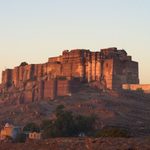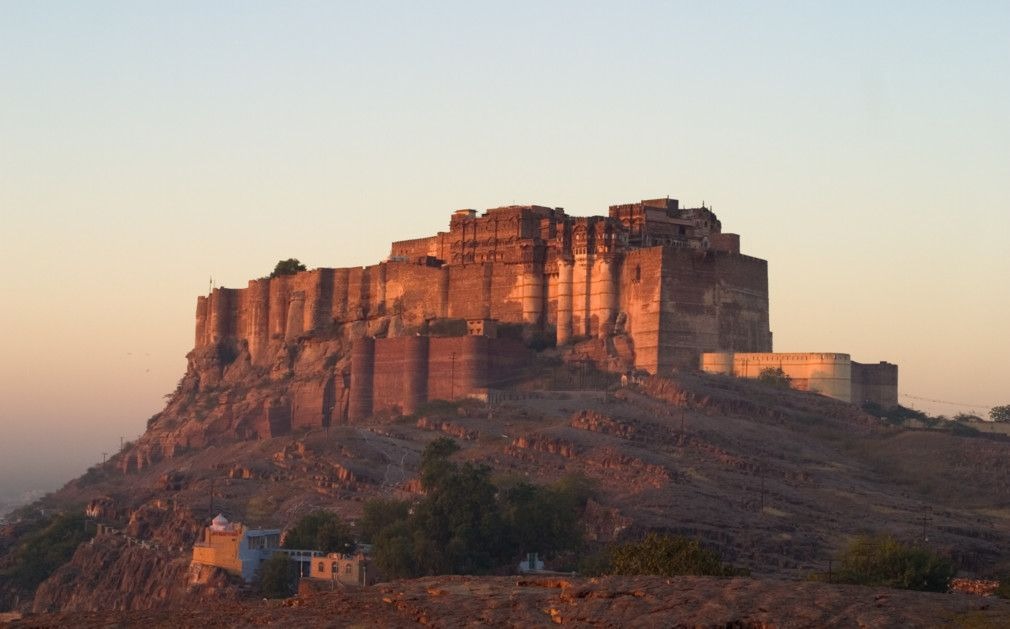
Rising dramatically above Jodhpur, Mehrangarh Fort is the kind of landmark that changes the way you see a city. Built on a rocky hill and surrounded by the blue-painted neighbourhoods of the old city, the fort feels less like a single monument and more like a historic world of courtyards, palaces, gates, galleries and stories. Its massive walls are impressive from a distance, but the real pleasure comes from looking closely at the carved stonework, painted interiors and details that reveal how the Rathore rulers lived.
The history of Mehrangarh Fort goes back to 1459, when Rao Jodha, founder of Jodhpur and a Rathore ruler, began building the fort on a strategically chosen rocky elevation. Over the centuries, successive rulers added palaces and other structures, leaving behind a complex that reflects changing tastes, royal life and the history of Marwar. Today, the fort and its museum offer one of the richest ways to understand Jodhpur’s past.
Mehrangarh Fort at a Glance
| Travel Detail | Information |
| Location | Jodhpur, Rajasthan |
| Established | 1459 |
| Founded by | Rao Jodha |
| Setting | Rocky hill overlooking Jodhpur |
| Historical dynasty | Rathore |
| Main experience | Fort, palaces, museum collections and city views |
| Nearby highlights | Jaswant Thada, Clock Tower and old Jodhpur |
| Ideal approach | Combine with other central Jodhpur attractions |
Rajasthan Tourism describes Mehrangarh as rising prominently above Jodhpur and notes that the fort remains one of the city’s defining attractions.
Mehrangarh Fort History
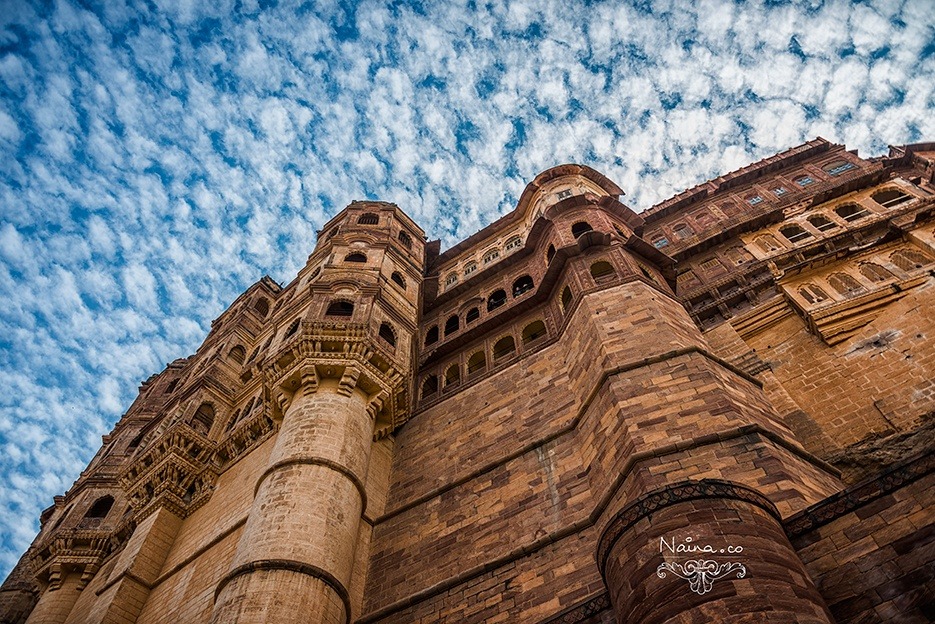
The story of Mehrangarh is closely tied to the foundation of Jodhpur. Rao Jodha established Jodhpur in 1459 after moving the centre of his kingdom from Mandore. He chose a high rocky site for the new fort, giving the settlement a naturally defensive position.
The name Mehrangarh is generally understood as referring to the “fort of the sun,” connecting the Rathore lineage with its traditional association with Surya, the sun god. The fort developed over generations rather than being completed as a single project. Different rulers added palaces, courtyards, gates and decorative features, which is why the complex feels layered rather than uniform.
That long history is one of the reasons a visit feels different from simply walking around a preserved palace. Mehrangarh combines military architecture with spaces created for courtly life.
Mehrangarh Fort Architecture
The first impression is one of strength. Thick walls, elevated battlements and imposing gateways reflect the defensive role of the fort, while the interiors become increasingly ornate as you move into the palace areas.
Rajasthan Tourism notes that the fort rises from a rocky hill and includes finely carved panels, latticed windows and richly decorated spaces such as Moti Mahal, Phool Mahal and Sheesh Mahal.
The contrast is particularly striking: the exterior is rugged and defensive, while the palace interiors contain delicate craftsmanship, colourful decoration and elaborate details.
The Fort Gates
Mehrangarh’s gates were an important part of its defensive design. Rajasthan Tourism notes that the fort has eight gates leading out of the fortress. Some gates also preserve traces of the conflicts that shaped its history, including cannonball marks associated with attacks by the armies of Jaipur.
As you walk through the gateways, notice how the route changes from an exposed approach into increasingly protected sections of the fort. The design makes more sense when viewed as a defensive system rather than simply as a grand entrance to a palace.
Moti Mahal
Moti Mahal, or the Pearl Palace, is one of the important palace spaces within Mehrangarh. Rajasthan Tourism describes it as a courtly hall associated with royal audiences and notes its decorated windows and distinctive architectural details.
Phool Mahal
Phool Mahal is another richly decorated palace interior and one of the spaces that shows the more luxurious side of life within Mehrangarh. Its decorative character provides a sharp contrast with the fort’s enormous outer walls.
Sheesh Mahal
Sheesh Mahal is known for its intricate mirror and glass decoration. The space demonstrates how the fort’s interiors could be as visually elaborate as its exterior architecture.
Mehrangarh Museum
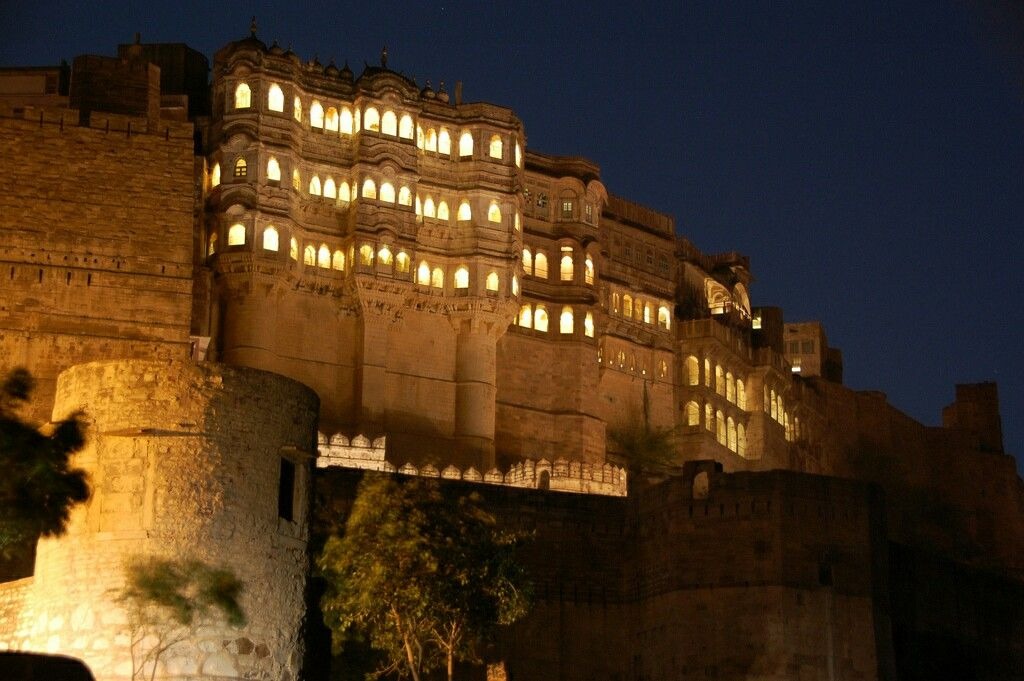
The museum is an important part of the visit because it adds context to the architecture around you. Rajasthan Tourism describes the Mehrangarh Museum as a repository of the artistic and cultural history of Marwar and highlights collections covering miniature paintings, arms and armour, textiles, decorative arts and furniture.
Rather than rushing through the museum, allow time to look at how individual objects connect with the spaces in the fort. Courtly textiles, artwork and objects from royal life help turn the monumental architecture into a more understandable picture of the people who lived and worked there.
What to See Inside Mehrangarh Fort
A good visit is about more than reaching the viewpoint and taking photographs. Give yourself time to explore the different layers of the complex.
| Area | Why It Matters |
| Fort gates | Show the defensive character of Mehrangarh |
| Moti Mahal | Important royal palace interior |
| Phool Mahal | Ornate example of courtly architecture |
| Sheesh Mahal | Notable mirror and decorative work |
| Museum galleries | Art, textiles, furniture and historical collections |
| Battlements and viewpoints | Broad views across Jodhpur |
| Chokhelao Bagh | Historic garden associated with the fort |
Rajasthan Tourism also highlights Chokhelao Bagh, a more than two-hundred-year-old garden at the foot of the fort that has been developed as a botanical museum featuring historic flora associated with the Marwar region.
Best Time to Visit Mehrangarh Fort
The most comfortable period for exploring Jodhpur is generally the cooler part of the year. Rajasthan Tourism identifies the winter season as a particularly suitable period for travelling around the state, while the hotter months can make extended outdoor sightseeing more demanding.
Because Mehrangarh involves walking through open areas, courtyards and elevated sections, the weather matters. If you visit during a hotter period, an earlier start can make the experience more comfortable.
| Season | General Experience | Planning Tip |
| Winter | Pleasant for sightseeing | Good choice for a full fort visit |
| Spring | Temperatures begin rising | Start earlier in the day |
| Summer | Very hot conditions possible | Avoid the hottest part of the afternoon |
| Monsoon | Wetter and more humid at times | Keep outdoor plans flexible |
The best time is not only about photography. Comfortable weather gives you more time to explore the museum, courtyards and viewpoints without feeling rushed.
How Long Do You Need at Mehrangarh Fort?
Allow at least a few hours if you want to appreciate both the fort and its museum rather than making a short photographic stop.
A quicker visit can cover the principal palace areas and viewpoints, while a slower visit gives you time for the museum, architectural details and Chokhelao Bagh. If you’re interested in history or photography, building extra time into the itinerary is worthwhile.
How to Reach Mehrangarh Fort
Mehrangarh is centrally positioned above Jodhpur, making it relatively easy to include in a city sightseeing itinerary.
You can reach the fort by taxi, auto-rickshaw or other local transport. If you are staying in the old city, you may also find it convenient to combine the fort with nearby attractions during the same outing.
Rajasthan Tourism’s Jodhpur sightseeing information places Mehrangarh alongside attractions such as Jaswant Thada, the Clock Tower, Mandore Garden and Umaid Bhawan Palace, making it straightforward to plan a broader Jodhpur day around the fort.
Places to Visit Near Mehrangarh Fort
One of the advantages of visiting Mehrangarh is that several other Jodhpur attractions can be added without turning the day into a long cross-city journey.
Jaswant Thada
Jaswant Thada is a white-marble memorial built in memory of Maharaja Jaswant Singh. Its quieter setting provides a noticeable contrast with the scale and stone walls of Mehrangarh. Rajasthan Tourism notes that it is managed by the Mehrangarh Museum Trust and contains portraits and historical information about the rulers of Marwar.
Clock Tower and Sardar Market
The Clock Tower stands in one of Jodhpur’s busy market areas. Nearby Sardar Market offers a very different experience from the fort, with the sounds and movement of the modern city surrounding the historic core.
Chokhelao Bagh
Located at the foot of Mehrangarh, Chokhelao Bagh is an appealing addition if you want to see a historic garden rather than another large monument. Rajasthan Tourism describes its planting and layout as a reflection of the gardens of eighteenth-century Marwar.
Umaid Bhawan Palace
For travellers interested in royal architecture, Umaid Bhawan Palace offers a useful contrast to Mehrangarh. It belongs to a much later period and reflects a different architectural era in Jodhpur.
A Practical Jodhpur Itinerary with Mehrangarh Fort
Mehrangarh works particularly well as the centrepiece of a Jodhpur sightseeing day.
| Time of Day | Suggested Plan |
| Morning | Mehrangarh Fort and Museum |
| Late morning | Chokhelao Bagh or nearby viewpoints |
| Afternoon | Lunch and a break |
| Later afternoon | Jaswant Thada |
| Evening | Clock Tower and Sardar Market |
If you have more than one day, avoid trying to fit every Jodhpur attraction into a single schedule. A slower itinerary leaves room for the old city, local food, markets and the character of Jodhpur itself.
Photography at Mehrangarh Fort
Mehrangarh is naturally photogenic, but its strongest photographs do not always come from the most obvious viewpoint.
Look for the relationship between the fort and the blue houses below it. From inside the complex, architectural details such as carved windows, doors and decorative surfaces offer another perspective. The changing scale—from enormous fort walls to tiny carved details—is part of what makes the monument visually interesting.
If you use a camera or phone, keep the practical side in mind too. Some areas can be exposed to strong sun, so take breaks and avoid standing in unsafe positions simply to get a particular angle.
Why Mehrangarh Fort Matters to Jodhpur
Mehrangarh is not simply a monument left behind by a royal dynasty. It is deeply connected with the development and identity of Jodhpur.
The fort was established when Rao Jodha founded the city in 1459, and its later additions reflect centuries of Rathore rule in Marwar. Its museum preserves objects associated with the artistic and cultural history of the region, while the fort itself remains a dominant presence above the city.
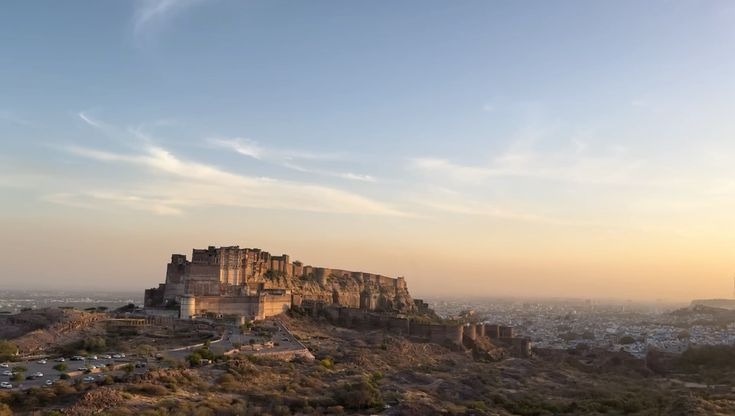
That connection between living city and historic fort is what makes Mehrangarh especially rewarding. From the walls, Jodhpur spreads below you; inside, the museum and palace rooms explain some of the history behind what you see.
Mehrangarh Fort Travel Tips
Wear comfortable shoes because the visit involves walking through a large historic complex. Rajasthan’s sun can also be strong, so carry water and plan sensible breaks.
Give yourself enough time for the museum rather than treating it as an optional extra. The collections provide useful context for the palace interiors and the wider history of Marwar.
It is also worth checking the latest official visitor information before travelling, especially for opening arrangements, ticket prices, special events or temporary changes. Avoid relying on old articles for exact fees because these details can change.
FAQs
Why is Mehrangarh Fort famous?
Mehrangarh Fort is famous for its imposing hilltop setting, massive defensive walls, Rajput architecture, richly decorated palace interiors and museum collections. It also has a close historical connection with the foundation of Jodhpur in 1459.
Who built Mehrangarh Fort?
Rao Jodha, the Rathore ruler who founded Jodhpur, began building Mehrangarh Fort in 1459. Later rulers expanded the complex with additional palaces, courtyards and other structures.
What can you see inside Mehrangarh Fort?
Visitors can explore historic gates, palace interiors such as Moti Mahal, Phool Mahal and Sheesh Mahal, museum galleries, courtyards and viewpoints overlooking Jodhpur. Chokhelao Bagh is another notable attraction associated with the fort complex.
How much time should I spend at Mehrangarh Fort?
A few hours is a sensible starting point if you want to explore the main fort areas and museum without rushing. Visitors with a strong interest in history, architecture or photography may prefer to allow longer.
What places can I visit near Mehrangarh Fort?
Jaswant Thada, Chokhelao Bagh, the Clock Tower and Sardar Market are convenient additions to a Jodhpur itinerary. Umaid Bhawan Palace can also be included if you have more time.
Conclusion
Mehrangarh Fort is one of the places that gives Jodhpur its unmistakable character. Its enormous walls and hilltop position immediately impress, but the deeper appeal lies in the details: royal courtyards, carved windows, richly decorated palace rooms, museum collections and the sweeping relationship between the fort and the Blue City below.
Give Mehrangarh enough time to be more than a quick sightseeing stop. Explore its history, look closely at its architecture, visit the museum and pair it with Jaswant Thada and Jodhpur’s old markets. Done at an unhurried pace, a visit to Mehrangarh Fort becomes not just a fort tour, but a much richer introduction to the history and culture of Marwar.
Read More:Hawa Mahal: A Complete Guide to Jaipur’s Iconic Palace of Winds

I am a travel enthusiast who loves exploring India’s beautiful destinations, culture, history, food, and hidden places. Through my travel website, I aim to help travelers discover amazing places in India and plan memorable trips with useful travel information and tips.