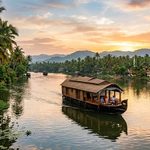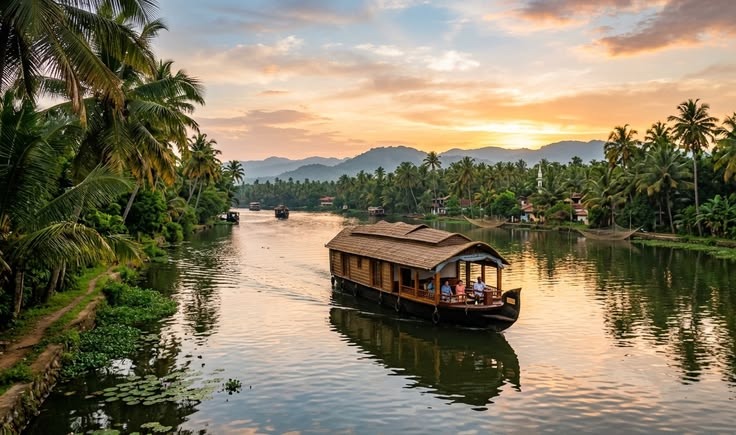
The Kerala Backwaters are one of South India’s most distinctive travel experiences: a vast network of lakes, canals, rivers and lagoons surrounded by coconut palms, paddy fields and small villages. Instead of rushing from one attraction to another, a backwater journey invites you to slow down and watch everyday Kerala unfold from the water—fishermen at work, boats moving between settlements and green fields stretching beyond the waterways.
For many travellers, Alappuzha (Alleppey) is the natural starting point, while Kumarakom offers a quieter experience around Vembanad Lake. A traditional houseboat cruise is the best-known way to explore the region, but it is not the only option. Canoe trips, village walks, birdwatching, local food and responsible-tourism experiences can make a Kerala backwaters holiday much more personal and rewarding. Kerala Tourism also identifies Alappuzha, Kumarakom and several other destinations as important backwater areas across the state.
Kerala Backwaters at a Glance
| Travel Detail | Practical Information |
| Main destinations | Alappuzha, Kumarakom, Kuttanad and other backwater regions |
| Major water body | Vembanad Lake |
| Most famous experience | Houseboat cruise |
| Other experiences | Canoeing, village walks, birdwatching and local food |
| Best-known houseboat hub | Alappuzha |
| Quieter alternative | Kumarakom |
| Best general season | October to March |
| Monsoon | June to August, with heavy rain and changing cruise conditions |
| Ideal trip length | 2–3 days for a focused backwater experience |
| Best for | Couples, families, photographers, nature lovers and slow travellers |
Kerala Tourism recommends October to March for backwater experiences, while noting that the monsoon can bring a greener landscape but heavier rainfall and limitations on some activities.
What Are the Kerala Backwaters?
The Kerala Backwaters are an interconnected system of lakes, canals, rivers, lagoons and smaller waterways running through parts of the state.
Vembanad Lake is particularly important to backwater tourism. Kumarakom sits on its eastern side, while Alappuzha and the surrounding Kuttanad region provide another major gateway into the waterways. The landscape is shaped not only by nature but also by generations of farming, fishing, transport and village life.
This is what makes the backwaters different from an ordinary boat tour. The water is part of a living landscape rather than an isolated attraction.
Why Kerala Backwaters Are Famous
The backwaters are famous for their combination of water, greenery and everyday rural life.
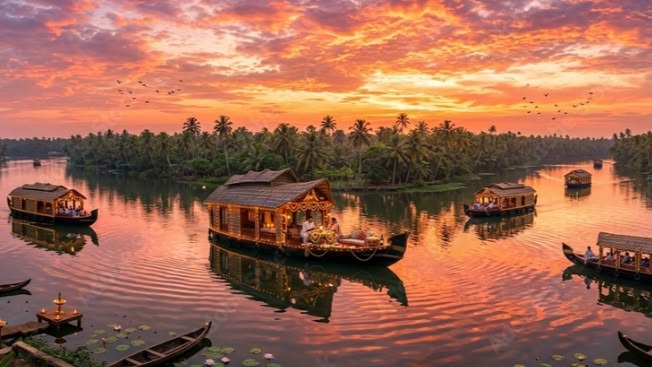
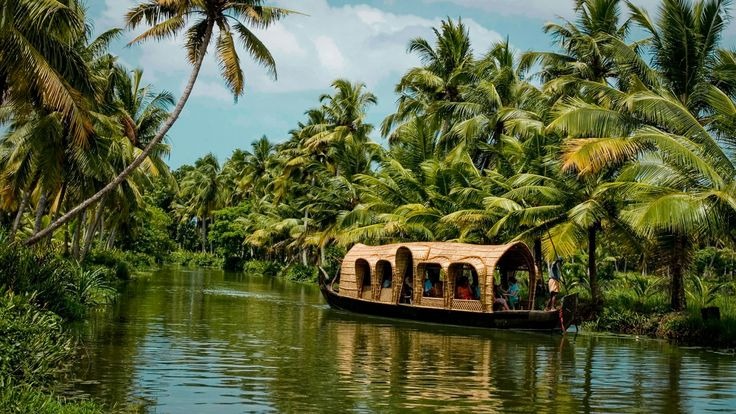
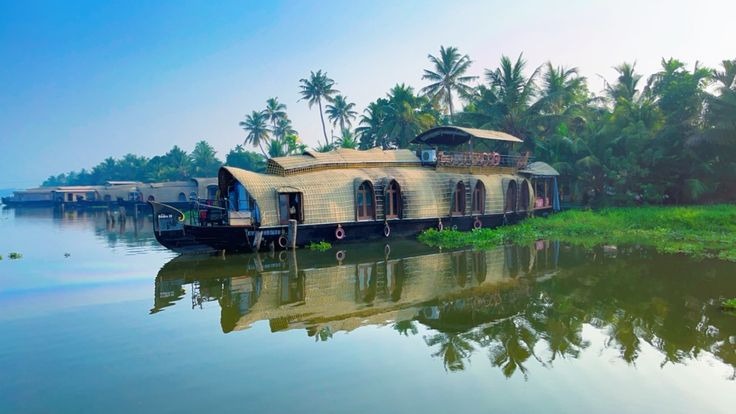
The most iconic experience is a leisurely cruise on a traditional-style houseboat. Modern houseboats evolved from kettuvallams, traditional cargo boats once used to transport goods such as rice and spices. Kerala Tourism notes that these boats were later adapted for tourism, with bedrooms, kitchens, living areas and other passenger facilities.
But the real charm comes from what surrounds the boat: coconut-lined banks, narrow canals, paddy fields, fishing communities and quiet stretches of water.
Best Places to Experience Kerala Backwaters
Different destinations offer different versions of the backwater experience.
Alappuzha
Alappuzha, also known as Alleppey, is the most widely recognised backwater destination in Kerala.
Its network of canals connects with the wider Vembanad water system, and the town has a large concentration of houseboat services. Kerala Tourism highlights houseboat cruises, canals, paddy fields, village life and local cuisine among the main experiences here.
Choose Alappuzha if you want:
- A wide choice of houseboat experiences
- Easy access to the backwater network
- A classic first-time Kerala backwaters experience
- Opportunities to explore Kuttanad
- A combination of backwaters and nearby beaches
Kumarakom
Kumarakom lies beside Vembanad Lake and offers a more relaxed village-and-lake setting.
It is particularly known for its backwaters, mangroves, birdwatching opportunities, paddy fields and responsible-tourism initiatives. Kerala Tourism describes Kumarakom as a cluster of small islands on the eastern side of Vembanad Lake.
Choose Kumarakom if you prefer:
- A quieter lakeside setting
- Resort stays
- Birdwatching
- Village experiences
- A slower, more relaxed holiday
Kuttanad
Kuttanad is especially interesting for travellers who want to understand the agricultural side of the backwaters.
Kerala Tourism describes it as the state’s distinctive rice-growing region, known for its paddy fields and waterways. The landscape gives a different perspective on the relationship between farming and the backwaters.
Alappuzha or Kumarakom: Which Should You Choose?
Both are excellent, but the right choice depends on the type of trip you want.
| If You Prefer | Better Choice |
| First-time backwater experience | Alappuzha |
| More houseboat choices | Alappuzha |
| Village and canal scenery | Alappuzha |
| Quieter lake setting | Kumarakom |
| Birdwatching | Kumarakom |
| Resort-focused holiday | Kumarakom |
| Kuttanad exploration | Alappuzha |
| Responsible-tourism experiences | Both |
You can also combine the two if your itinerary allows. They offer different perspectives on the same broader backwater landscape rather than being interchangeable destinations.
Kerala Houseboat Experience
A Kerala houseboat is more than a boat ride. For overnight trips, it becomes your accommodation, dining space and viewing platform while the landscape slowly changes around you.
Modern houseboats are based on the traditional kettuvallam design. Kerala Tourism notes that natural materials such as wood, bamboo, coir and palm-based materials have traditionally been used in their construction, while modern boats can include furnished bedrooms, bathrooms, kitchens and living spaces.
Day Cruise or Overnight Houseboat?
A day cruise works well if you mainly want to see the waterways without spending a night on the boat.
An overnight cruise makes the boat itself part of the accommodation experience and gives you more time to watch the landscape at a slower pace.
Neither option is automatically better. If you are short on time, a day cruise can be enough. If relaxation is the main reason for your Kerala trip, spending a night on the backwaters can make more sense.
What to Expect on a Kerala Houseboat
A typical houseboat experience is deliberately slow.
Depending on the boat and itinerary, you may spend the day passing:
- Coconut-lined waterways
- Paddy fields
- Small villages
- Fishing areas
- Narrow canals
- Lake landscapes
- Local homes and everyday working life
Meals are often part of the experience, and Kerala Tourism highlights traditional cuisine and freshly prepared food as features of houseboat trips.
Before booking, ask clearly what is included, where the cruise starts and ends, whether meals are provided, what type of accommodation is offered and what the cancellation terms are.
Best Time to Visit Kerala Backwaters
The best time to visit Kerala Backwaters is generally October to March, when conditions are more suitable for outdoor sightseeing and cruising.
Kerala Tourism specifically identifies November to March as the best season for Kumarakom and October to March as a strong period for Alappuzha and backwater travel.
October to March
This is the most dependable period for travellers who want comfortable weather and a classic backwater holiday.
April to May
The weather becomes hotter and more humid. Travellers who are comfortable with the heat may still visit, but midday outdoor activities can be less comfortable.
June to August
The southwest monsoon brings substantial rainfall and lush greenery. However, Kumarakom’s official tourism information notes that backwater cruising is not allowed during the southwest monsoon. Always check current operating conditions before planning a monsoon cruise.
September
September can bring a transition toward drier conditions, but weather remains variable. Check the forecast and current boat operations before booking.
Things to Do in Kerala Backwaters
A houseboat cruise is only one way to experience this region.
Take a Canoe Ride
Smaller boats can access narrower waterways that larger houseboats cannot always enter.
A canoe trip can offer a closer look at village life, vegetation and smaller canals. Kerala’s Responsible Tourism Mission also promotes canoe cruising as part of its village-life experiences.
Explore Village Life
A village walk can add context to what you see from the water.
You may encounter paddy fields, traditional crafts, fishing activities and local homes. Kerala’s Responsible Tourism programme supports village experiences that connect visitors with local communities and livelihoods.
Try Kerala Cuisine
Food is an important part of the backwater experience.
Depending on where you stay or cruise, look for local preparations featuring rice, vegetables, seafood and regional spices. In Kumarakom, Kerala Tourism specifically highlights local fish and seafood such as karimeen and prawns.
Go Birdwatching
Kumarakom is particularly appealing to birdwatchers. The Kumarakom Bird Sanctuary sits within the wider backwater environment and is one of the area’s recognised attractions.
Early mornings are a natural choice for birdwatching because the landscape tends to be quieter.
See the Paddy Fields of Kuttanad
The agricultural landscape of Kuttanad gives visitors a different perspective on Kerala’s waterways.
Rather than viewing the backwaters only as a leisure destination, you can see how canals and water management are intertwined with farming and local life.
Kerala Backwaters and Responsible Tourism
The backwaters are a living environment, so responsible travel matters.
Choose operators and stays that follow local regulations, avoid throwing plastic or other waste into the water, and respect communities along the waterways. Smaller local experiences can also help tourism income reach village communities.
Kumarakom has a particularly well-established Responsible Tourism model. Kerala Tourism says its programme focuses on economic, social and environmental aspects and aims to make local residents active participants in tourism.
A good backwater trip should allow you to enjoy the landscape without treating it as a backdrop that exists only for visitors.
How to Reach Kerala Backwaters
There is no single entrance to the Kerala Backwaters because the network covers several destinations.
Reaching Alappuzha
Alappuzha has its own railway station and is well connected by road.
For air travellers, Kerala Tourism lists Cochin International Airport as the nearest major airport, approximately 85 km from Alappuzha town.
Reaching Kumarakom
Kumarakom is close to Kottayam and can be reached by road from the railway and airport gateways serving central Kerala.
Kottayam is approximately 14 km from Kumarakom according to Kerala Tourism.
Choosing Your Arrival Point
If the main goal is a houseboat cruise, Alappuzha is often the simpler choice.
If you are planning a stay around Vembanad Lake, birdwatching and a quieter resort environment, Kumarakom can be more suitable.
Where to Stay in Kerala Backwaters
You do not have to sleep on a houseboat to enjoy the backwaters.
Houseboats
Best for travellers who want the water to be the centre of the experience.
Backwater Resorts
A resort around Kumarakom or another lakeside destination can provide a more stable base for exploring, dining and relaxing.
Homestays
Homestays can offer a more local experience, particularly when combined with village walks, local meals or responsible-tourism activities.
The right choice depends on whether you want the cruise itself to be your accommodation or prefer to explore the backwaters from a fixed base.
Kerala Backwaters Itinerary
A short trip can still cover the essential experiences without feeling rushed.
| Day | Suggested Plan |
| Day 1 | Arrive in Alappuzha or Kumarakom, settle in and take a short local boat ride |
| Day 2 | Full houseboat or canoe experience, with time for village and paddy-field scenery |
| Day 3 | Explore local attractions, birdwatching or a Responsible Tourism experience before departure |
If you have more time, add nearby destinations such as Kochi, Marari or other parts of central Kerala rather than filling every hour with boat activities.
Kerala Tourism also promotes an Alappuzha-to-Kochi backwater cruise route featuring waterways, village life, birdwatching and cultural landscapes.
Nearby Places to Visit
A Kerala Backwaters holiday can easily become part of a broader Kerala itinerary.
Kochi
Kochi works particularly well before or after Alappuzha because of its historic neighbourhoods, waterfront setting and cultural attractions.
Marari
Marari offers a contrasting coastal experience, making it a useful addition if you want to combine backwaters with a quieter beach stay.
Kumarakom
If you begin in Alappuzha, adding Kumarakom gives you a different perspective on the Vembanad backwaters.
Alappuzha
If you choose Kumarakom as your base, Alappuzha makes a useful complementary stop for its canals, houseboats and maritime character.
Kerala Backwaters Travel Tips
A few practical choices can make the experience much more comfortable.
- Check the weather before booking a cruise.
- Confirm exactly what your houseboat package includes.
- Ask about the starting and ending points of the cruise.
- Keep some flexible time because water-based travel does not always follow a rushed sightseeing schedule.
- Carry sunscreen, insect repellent and light, comfortable clothing.
- Keep valuables secure and follow the operator’s safety instructions.
- Respect local communities when photographing homes or people.
- Avoid throwing waste into the waterways.
- For a quieter experience, consider smaller boats or village-based experiences rather than only large tourist cruises.
- Check current official information during the monsoon because cruising arrangements can change.
Is a Kerala Backwaters Trip Worth It?
For travellers who enjoy scenery, local culture and slower travel, the Kerala Backwaters offer something that is difficult to reproduce elsewhere.
The appeal is not simply the sight of a houseboat moving across a lake. It is the combination of waterways, coconut groves, paddy fields, village communities, traditional boats and the rhythms of daily life. Alappuzha provides the classic introduction, while Kumarakom offers a quieter lake-focused experience.
The best trips leave room for both: time on the water and time to understand the land around it.
FAQs
What are the Kerala Backwaters famous for?
The Kerala Backwaters are famous for their interconnected waterways, coconut-lined landscapes, paddy fields, village life and traditional houseboat cruises. Alappuzha and Kumarakom are two of the best-known destinations for exploring them.
What is the best time to visit Kerala Backwaters?
October to March is generally the best period for a traditional backwater holiday because the weather is more suitable for cruising and outdoor sightseeing. The monsoon months can be wetter and may affect cruise operations.
Is Alappuzha or Kumarakom better for Kerala Backwaters?
Alappuzha is a strong choice for first-time visitors and travellers focused on houseboat cruises, while Kumarakom is particularly appealing for a quieter Vembanad Lake setting, birdwatching and resort stays.
How many days are enough for Kerala Backwaters?
Two to three days are enough for a focused backwater trip covering a houseboat or canoe experience, village scenery and some local attractions. A longer Kerala itinerary can combine the backwaters with Kochi, beaches or other nearby destinations.
Is staying on a Kerala houseboat worth it?
An overnight houseboat stay can be worthwhile if you want the backwater cruise itself to be the main experience. A day cruise may be more suitable if you have limited time or prefer staying at a hotel, resort or homestay.
Conclusion
The Kerala Backwaters are best experienced at a slower pace. Whether you cruise through Alappuzha’s canals, watch village life from a traditional-style houseboat, explore the paddy fields of Kuttanad or spend a peaceful day around Kumarakom and Vembanad Lake, the region offers much more than a scenic boat ride.
For a first visit, Alappuzha is an easy starting point, while Kumarakom is ideal for travellers seeking a quieter lakeside escape. Choose your season carefully, compare the type of boat experience you actually want, and leave enough time to step off the water and experience the communities and landscapes that make the backwaters special. Responsible travel will help preserve that character for the people who live there and the travellers who come after you.
Read More:Mehrangarh Fort Jodhpur Travel Guide: History, Architecture, Timings & Travel Tips

I am a travel enthusiast who loves exploring India’s beautiful destinations, culture, history, food, and hidden places. Through my travel website, I aim to help travelers discover amazing places in India and plan memorable trips with useful travel information and tips.