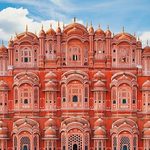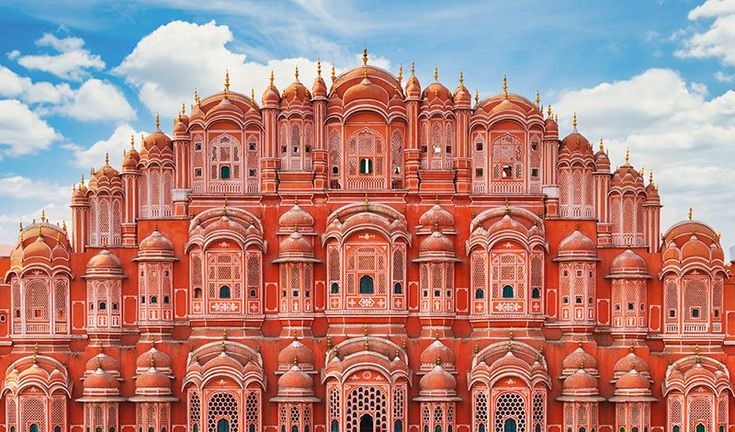
Hawa Mahal is one of the most recognizable landmarks in Jaipur, Rajasthan, rising above the busy streets of the Pink City with its delicate pink sandstone façade and rows of small windows. Built in the heart of the historic city, the structure is closely associated with Jaipur’s royal heritage and is admired for the way its architecture combines beauty with a practical purpose. Its honeycomb-like front has become one of the defining images of Rajasthan.
Behind that famous façade lies a fascinating story of eighteenth-century Jaipur. The monument was built during the reign of Maharaja Sawai Pratap Singh and reflects the social customs, architectural ideas and royal lifestyle of its period. A visit becomes much more meaningful when you look beyond the photographs and understand why the palace was built, how its unusual windows worked and how it became one of the city’s most important historical attractions.
Hawa Mahal Location and Jaipur’s Historic Centre
The monument stands on Hawa Mahal Road in the old walled city of Jaipur. Its central position makes it easy to include in a wider sightseeing route covering the City Palace, Jantar Mantar and the markets of the old city.
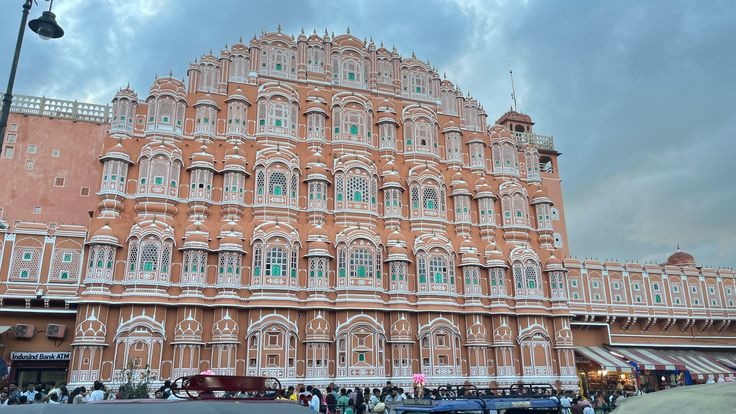
The building forms part of the City Palace complex and faces the busy street that runs through the historic centre. The contrast between the intricate royal architecture and the activity of modern Jaipur is one of the most interesting aspects of the visit.
| Detail | Information |
| City | Jaipur |
| State | Rajasthan |
| Construction | 1799 |
| Builder | Maharaja Sawai Pratap Singh |
| Architect | Lal Chand Ustad |
| Main material | Pink and red sandstone |
| Architectural character | Rajput and Mughal influences |
Hawa Mahal Architecture and the Meaning of Its Windows
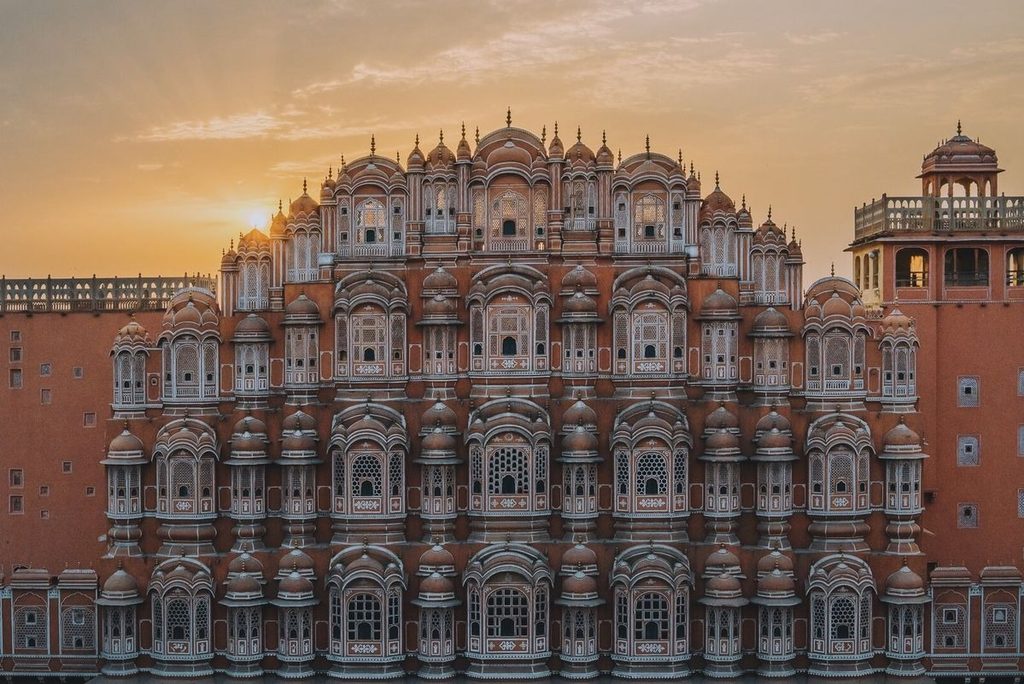
The most distinctive feature is its five-storey façade filled with numerous small windows known as jharokhas. These openings were designed with projecting architectural elements and delicate latticework that allowed air to circulate through the building.
The structure was not designed as a conventional palace with large rooms extending behind the famous façade. Much of its character comes from the carefully planned front section and the spaces connected to the royal complex.
The Famous Jharokhas
The small openings served an important social purpose. Royal women could observe street life and public processions without being easily seen from outside, reflecting the purdah customs followed by elite women at the time.
The windows also helped create natural ventilation. Air passing through the openings produced a cooling effect, which explains the association with the name Palace of Winds.
Hawa Mahal History and Royal Origins
The monument was constructed in 1799 during the reign of Maharaja Sawai Pratap Singh, who ruled Jaipur from 1778 to 1803. He was the grandson of Maharaja Sawai Jai Singh II, the founder of Jaipur.
The design is traditionally attributed to Lal Chand Ustad, a prominent architect associated with Jaipur. The building’s appearance reflects the architectural culture of late eighteenth-century Rajasthan, when Rajput traditions were interacting with Mughal design influences.
The structure was connected with the City Palace and the wider royal complex. Its purpose was closely related to royal processions and the social customs of the court. The many screened windows allowed women of the royal household to watch celebrations, religious processions and everyday activity in the streets while maintaining privacy.
The choice of the five-storey form and the repeated façade elements created an architectural composition that was both decorative and functional. The building therefore tells us something about eighteenth-century society as well as architecture.
| Historical period | Development |
| 1727 | Jaipur founded by Sawai Jai Singh II |
| 1778 | Sawai Pratap Singh becomes ruler of Jaipur |
| 1799 | Hawa Mahal constructed |
| 18th century | Rajput and Mughal architectural influences shape the building |
| Modern period | Monument becomes one of Jaipur’s principal heritage attractions |
The monument survived the political and social changes that transformed Jaipur from a princely capital into a modern city. Its preservation has helped retain an important part of the architectural identity of the old city.
Hawa Mahal Design and Cultural Significance
The building is closely connected with Jaipur’s royal culture. Its screened windows represent the social expectations surrounding women of the royal household, while its position along the main street reflects the importance of public processions and ceremonies.
The pink sandstone also connects the monument with Jaipur’s distinctive architectural character. The city became widely known for its pink appearance, particularly after the city was painted pink in 1877 in preparation for the visit of the Prince of Wales, later King Edward VII. The tradition of the Pink City has continued and now forms an essential part of Jaipur’s visual identity.
Hawa Mahal Interior and Visitor Experience
The famous exterior receives most of the attention, but the interior provides a different perspective. Visitors can move through passages, courtyards and upper levels that reveal how the structure relates to the surrounding royal complex.
The higher levels provide views toward Jaipur’s historic streets and surrounding buildings. The experience is less about grand royal rooms and more about understanding the architectural relationship between the façade, ventilation system and urban setting.
A visit is especially rewarding when combined with the City Palace and Jantar Mantar because all three attractions help explain Jaipur’s development as a planned eighteenth-century capital.
Best Time to Visit Hawa Mahal
Jaipur can be visited throughout the year, but the cooler months from October to March are generally more comfortable for sightseeing. Winter mornings are particularly pleasant for exploring the old city on foot.
| Season | General conditions | Travel suitability |
| October to March | Cooler and generally comfortable | Best for sightseeing |
| April to June | Very hot afternoons | Better for early morning visits |
| July to September | Monsoon season | Suitable with weather flexibility |
| Winter mornings | Pleasant and less intense heat | Good for old-city exploration |
Early morning can also be a good time to see the façade from across the road because the light can bring out the details of the sandstone and latticework.
How to Reach Hawa Mahal
Jaipur is one of Rajasthan’s best-connected cities. Jaipur International Airport serves domestic and international routes, while Jaipur Junction provides railway connections with major Indian cities.
The old city can be reached by road, taxi, auto-rickshaw and local public transport. Since the monument sits within a busy heritage district, traffic can be heavy at certain times of day.
For visitors already staying in central Jaipur, combining the palace with nearby attractions can reduce unnecessary travel across the city.
Places to Visit Near Hawa Mahal
One of the biggest advantages of visiting this landmark is the number of attractions nearby. The City Palace lies close to the monument and provides a deeper look at Jaipur’s royal history.
Jantar Mantar is another essential stop. Built by Sawai Jai Singh II in the eighteenth century, the astronomical observatory demonstrates the scientific ambitions behind Jaipur’s original city planning.
The old markets around Johari Bazaar and Bapu Bazaar provide a very different experience. Jewellery, textiles, handicrafts and traditional Rajasthani products give visitors an opportunity to experience the commercial side of the historic city.
A Simple Old City Route
A practical itinerary can begin at Hawa Mahal, continue toward the City Palace and Jantar Mantar, then move through the surrounding bazaars. This allows travellers to experience architecture, royal history, science and everyday city life within a relatively compact area.
Hawa Mahal Visitor Tips and Practical Planning
Give yourself enough time to appreciate the structure instead of treating it only as a photography stop. The façade is visually impressive, but understanding the purpose of the windows makes the visit more interesting.
Wear comfortable footwear if you plan to explore several old-city attractions in one day. Jaipur can become tiring during hot weather, so carrying water and planning outdoor sightseeing around the cooler parts of the day is sensible.
Photography from outside is one of the most popular ways to appreciate the monument. Inside, follow the current instructions regarding photography, security and visitor movement because regulations can change.
The surrounding streets are often busy, particularly during tourist seasons and local celebrations. Allow extra time when travelling through the old city rather than relying on a tightly timed itinerary.
FAQs About Visiting the Palace of Winds
When was the famous monument built?
It was built in 1799 during the reign of Maharaja Sawai Pratap Singh, who ruled Jaipur from 1778 to 1803.
Why does the building have so many small windows?
The jharokhas allowed members of the royal household, particularly women observing purdah, to watch activities outside while maintaining privacy. They also helped improve natural ventilation.
Who designed the structure?
The design is traditionally attributed to Lal Chand Ustad, who created its distinctive façade using architectural influences associated with Rajput and Mughal traditions.
What attractions can be visited nearby?
The City Palace and Jantar Mantar are among the most important nearby attractions. Jaipur’s historic bazaars are also within easy reach.
What is the best season for a Jaipur sightseeing trip?
October through March is generally more comfortable for exploring the city because temperatures are typically more suitable for walking and outdoor sightseeing.
Conclusion
The enduring appeal of this Jaipur landmark comes from the way its beauty and purpose are inseparable. Its countless windows were not simply decorative details. They reflected the social customs of a royal household while helping air move through the structure, turning architecture into a practical response to both climate and culture.
Today, the monument offers a compact introduction to Jaipur’s royal history and eighteenth-century architectural character. When paired with the City Palace, Jantar Mantar and the surrounding bazaars, it becomes part of a much broader story about how Jaipur grew from a planned royal capital into one of India’s most celebrated heritage cities.
Reaad More:Mysore Palace: A Complete Guide to Royal History, Architecture and Travel

I am a travel enthusiast who loves exploring India’s beautiful destinations, culture, history, food, and hidden places. Through my travel website, I aim to help travelers discover amazing places in India and plan memorable trips with useful travel information and tips.