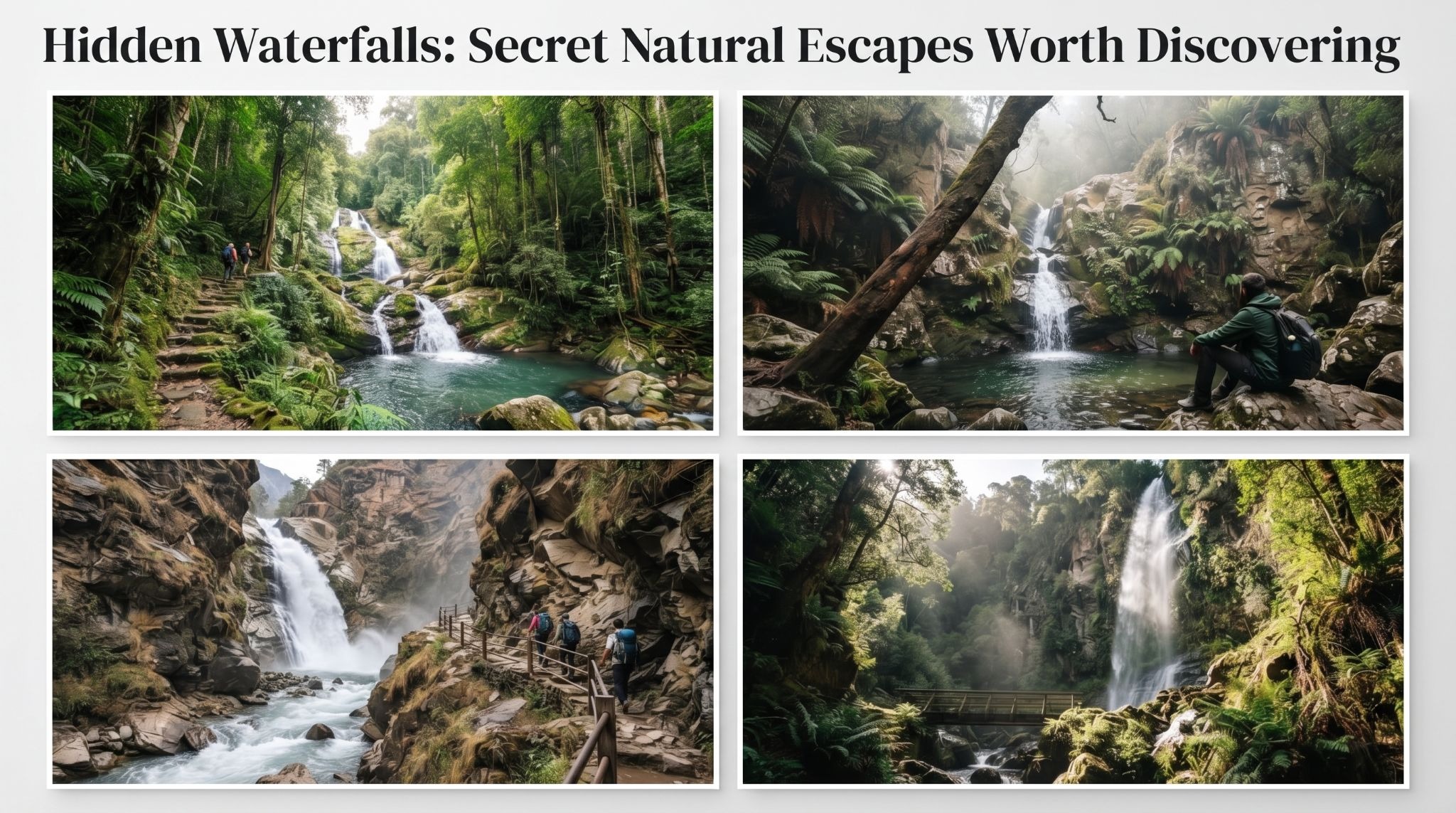
There is something special about a waterfall that takes a little effort to find. Away from crowded viewpoints and busy tourist routes, hidden waterfalls often feel quieter, wilder, and more connected to the landscape around them. The journey can lead through forests, mountain paths, small villages, or rocky trails where the sound of rushing water slowly replaces the noise of everyday life.
These lesser-known cascades are not always completely secret. Some are simply overlooked because they require more planning than famous attractions. That is part of their appeal. With sensible preparation and respect for local conditions, exploring secluded waterfalls can turn an ordinary trip into a memorable outdoor adventure.
Why Hidden Waterfalls Are Worth Exploring
Famous waterfalls are popular for good reason, but quieter falls offer a different kind of experience. Instead of arriving at a packed viewpoint, you may find yourself surrounded by trees, mist, moss-covered rocks, and the steady sound of flowing water.
The journey is often just as rewarding as the destination. Hiking to a remote cascade can introduce travelers to landscapes they would otherwise miss. Forests, streams, cliffs, and mountain scenery become part of the experience rather than simply the background.
Another advantage is the opportunity to slow down. A secluded waterfall can be a wonderful place to sit, photograph the landscape, listen to the water, and appreciate nature without rushing from one attraction to another.
Best Places to Find Hidden Waterfalls
Secluded waterfalls can be found in many parts of the world, particularly in regions with mountains, forests, heavy rainfall, and strong river systems. Some are located close to well-known destinations but receive far fewer visitors.
| Landscape | What you may find | Typical experience |
| Mountain forests | Cascades and narrow falls | Hiking and scenic views |
| Tropical forests | Plunging waterfalls and pools | Humid trails and lush vegetation |
| River valleys | Multi-level cascades | Walking beside streams |
| Highland areas | Seasonal waterfalls | Cooler weather and dramatic scenery |
When choosing a destination, look beyond the waterfall itself. Nearby forests, viewpoints, villages, rivers, and hiking routes can make the entire excursion more rewarding.
Look Beyond the Main Tourist Route
One useful approach is to explore areas just outside established tourist circuits. Local tourism offices, park authorities, experienced guides, and current trail information can help identify routes that are accessible and appropriate for visitors.
How to Plan a Hidden Waterfalls Adventure
Good planning matters more when visiting a remote natural attraction. A trail that looks simple on a map may become difficult because of mud, loose rocks, steep sections, river crossings, or changing weather.
Before leaving, check current local conditions and make sure the route is open. Carry enough drinking water and food for the outing. Comfortable footwear with good grip is particularly useful on uneven terrain.
| Planning item | Why it matters |
| Weather forecast | Rain can quickly change trail conditions |
| Trail information | Helps identify closures or difficult sections |
| Drinking water | Remote locations may have no reliable supply |
| Proper footwear | Wet and uneven ground can be slippery |
| Offline navigation | Mobile coverage may be unreliable |
It is also sensible to tell someone where you are going when the trail is remote. Avoid relying entirely on your phone, especially in mountainous or forested areas where reception may disappear.
Best Time to Visit Hidden Waterfalls
The ideal season depends heavily on the region. Waterfalls in climates with distinct wet and dry seasons can look very different throughout the year.
After periods of rain, streams may be fuller and cascades more dramatic. However, heavy rainfall can also make trails slippery and river crossings unsafe. During drier periods, some seasonal waterfalls may become much smaller or disappear altogether.
| Season or condition | Waterfall appearance | Main consideration |
| After moderate rain | Fuller and more powerful | Trails may be muddy |
| Dry weather | Often easier hiking | Seasonal falls may weaken |
| Heavy rain | Very high water flow possible | Flash floods and slippery paths |
| Cooler months | Often comfortable for hiking | Conditions vary by region |
For this reason, the best time is not necessarily the wettest time. A period with manageable rainfall and stable trail conditions can provide a better balance between scenery and safety.
What to Expect on the Trail
A secluded waterfall should be approached as a natural environment rather than a conventional sightseeing attraction. Facilities may be limited or completely absent.
You may encounter narrow paths, exposed roots, streams, insects, steep slopes, and slippery stones. Some routes are suitable for casual walkers while others require solid hiking experience.
Follow the Landscape
Pay attention to trail markers and established paths. Avoid creating shortcuts because repeated foot traffic can damage vegetation and increase erosion.
If a route involves a river crossing, do not assume that shallow water is automatically safe. Water levels and currents can change quickly after rainfall.
Responsible Travel at Hidden Waterfalls
The quieter the location, the more important responsible travel becomes. Remote natural areas may have fewer systems for dealing with litter, damaged vegetation, or large crowds.
Take all rubbish with you and stay on established paths whenever possible. Avoid disturbing wildlife, damaging plants, or leaving marks on rocks and trees.
Swimming should only be considered where it is clearly permitted and conditions are known to be safe. Natural pools can contain strong currents, submerged rocks, sudden changes in depth, or slippery surfaces.
A good rule is simple: leave the waterfall looking as though you were never there.
Nearby Experiences Around Hidden Waterfalls
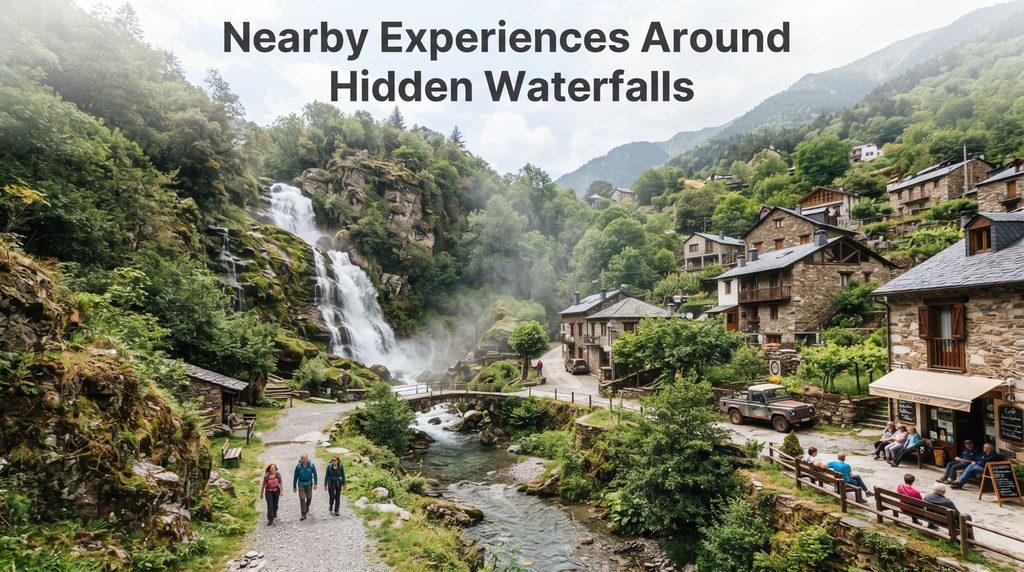
A waterfall rarely exists in isolation. The surrounding landscape may offer opportunities to experience local culture and nature in a more meaningful way.
Depending on the destination, travelers can combine a waterfall visit with forest walks, mountain viewpoints, village exploration, local food, river scenery, or visits to nearby protected areas.
| Experience | Best for | How it complements the waterfall |
| Forest walk | Nature lovers | Explores the surrounding ecosystem |
| Village visit | Cultural travelers | Adds local perspective |
| Mountain viewpoint | Photographers | Provides wider landscape views |
| Local food experience | Curious travelers | Connects the trip with regional culture |
Building a wider day around the waterfall can also reduce the temptation to rush through the visit.
Tips for a Better Hidden Waterfalls Trip
A little preparation can make the experience considerably easier. Start early if the route is long, particularly when daylight hours are limited. Carry essential supplies but avoid overpacking.
Check whether permits, local guides, or access restrictions apply before setting out. Conditions can change, and information found online may not always reflect the current situation.
Keep valuables protected from rain and splashes. If you are traveling with a camera or phone, a waterproof pouch can be useful.
Most of all, respect the landscape and the people who live near it. A quiet waterfall is valuable precisely because it has not been overwhelmed by tourism.
Hidden Waterfalls and the Joy of Slow Travel
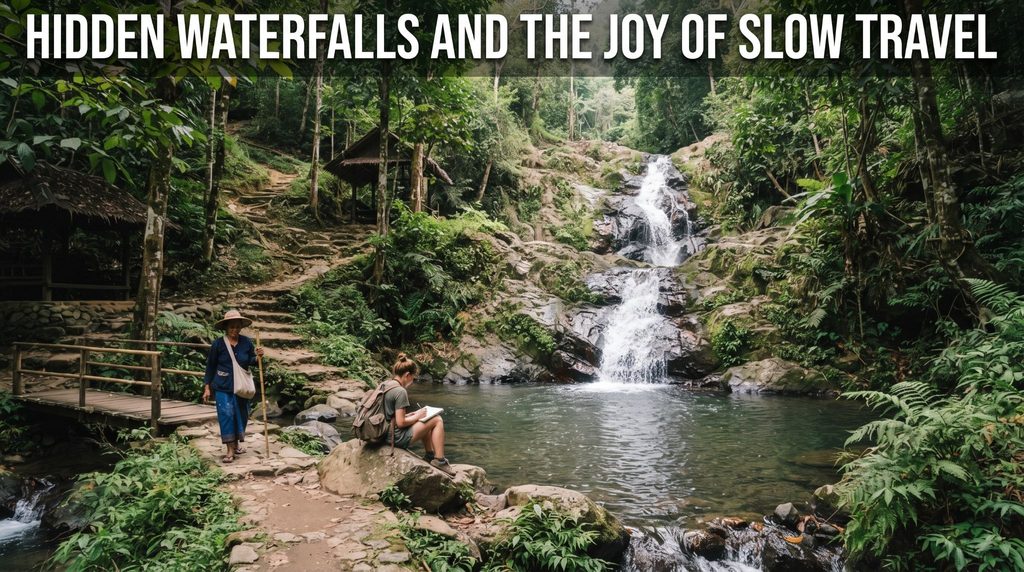
The greatest attraction of secluded waterfalls is not simply the water falling over rocks. It is the feeling of discovery.
The walk gives you time to notice small details. Leaves move in the breeze. A stream becomes louder as you approach. The forest opens gradually and reveals the cascade. These moments create a stronger memory than simply stopping at a viewpoint, taking a photograph, and leaving.
For travelers who enjoy nature, hiking, and quieter experiences, these places can offer a refreshing alternative to crowded attractions. The key is to explore thoughtfully, prepare properly, and remember that the landscape comes first.
FAQs
Are secluded waterfalls safe to visit?
They can be, provided you understand the route and current conditions. Check weather and trail information, use appropriate footwear, and avoid dangerous water or unstable rocks.
Do I need a guide for a remote waterfall?
It depends on the destination and trail. Some routes are clearly marked, while others may be difficult to navigate. A local guide can be particularly valuable in unfamiliar or challenging terrain.
What should I bring for a waterfall hike?
Carry drinking water, suitable footwear, weather-appropriate clothing, navigation equipment, basic snacks, and protection for electronic devices. Longer routes may require additional hiking supplies.
Can I swim at natural waterfalls?
Only when swimming is permitted and local conditions indicate that it is safe. Strong currents, hidden rocks, slippery surfaces, and changing water levels can make natural pools dangerous.
How can travelers protect secluded waterfalls?
Stay on established trails, carry out all rubbish, avoid disturbing wildlife and plants, and follow local regulations. Responsible behavior helps preserve these places for future visitors.
Conclusion
The best waterfall experiences are not always found beside the busiest roads. Sometimes they require a longer walk, a little patience, and a willingness to explore beyond the obvious attractions. That effort can lead to peaceful forests, dramatic landscapes, and the simple pleasure of discovering flowing water in a natural setting.
Travel prepared, respect local guidance, and treat every trail as part of the adventure. When approached responsibly, secluded waterfalls can become some of the most rewarding memories of a journey.
Read More: Famous Waterfalls: Spectacular Cascades and Natural Wonders Around the World

I am a travel enthusiast who loves exploring India’s beautiful destinations, culture, history, food, and hidden places. Through my travel website, I aim to help travelers discover amazing places in India and plan memorable trips with useful travel information and tips.