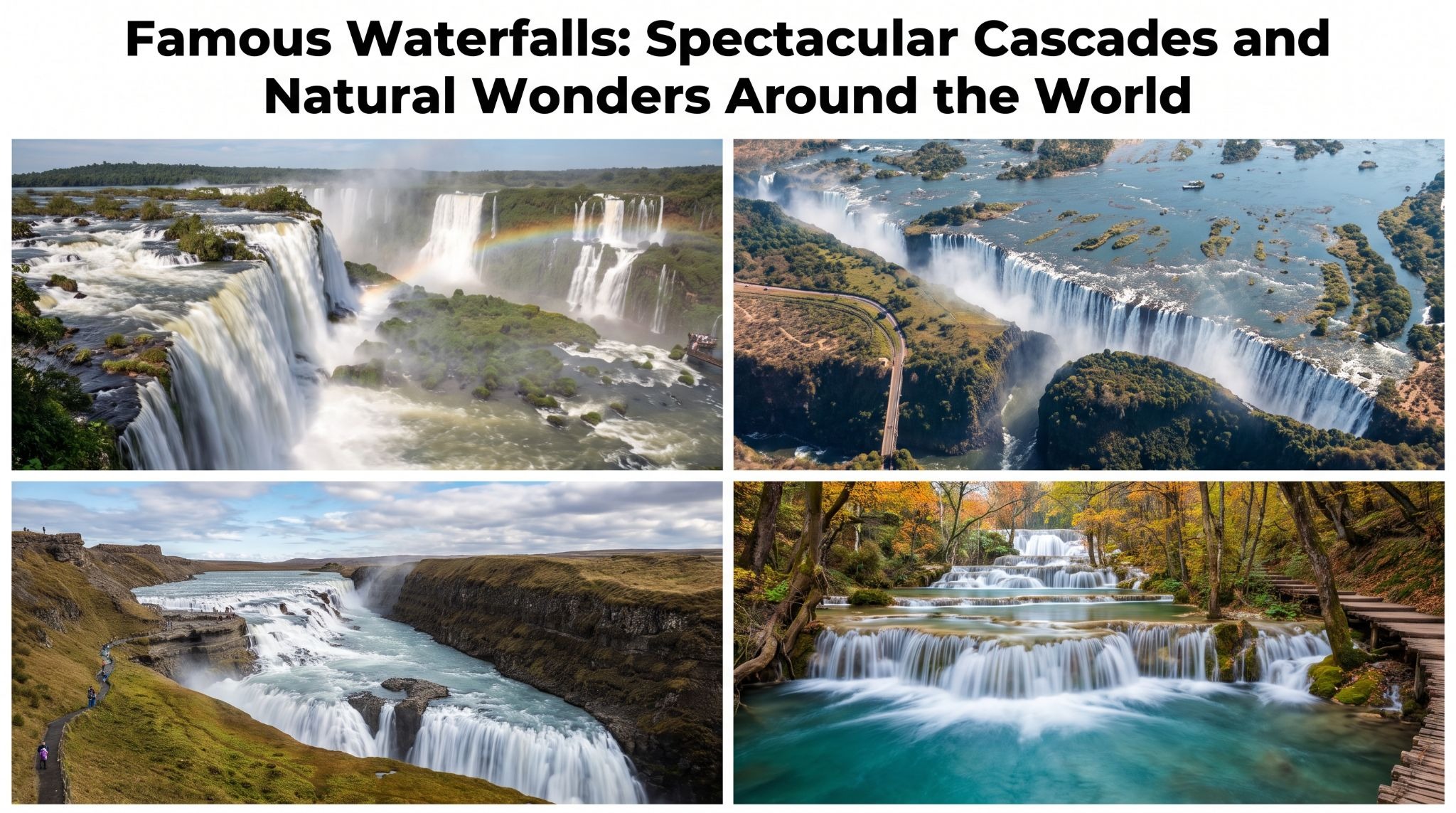
Waterfalls have a remarkable way of making even familiar landscapes feel dramatic and alive. From towering curtains of water crashing into deep valleys to wide cascades flowing through tropical forests, the world’s most famous waterfalls offer experiences that are as much about the surrounding scenery as the water itself. Some are best admired from carefully designed viewpoints, while others reward travelers who explore hiking trails, riverbanks, and national parks.
The appeal of famous waterfalls goes beyond their beauty. They are connected to rivers, mountains, forests, local communities, and the natural forces that have shaped landscapes over thousands of years. Whether you are planning an international adventure or simply dreaming about your next journey, these extraordinary destinations offer unforgettable opportunities to experience nature at its most powerful.
Famous Waterfalls and Their Most Remarkable Natural Landscapes
Some waterfalls are famous for their extraordinary height, while others are celebrated for their width, powerful flow, or spectacular surroundings. Each destination has a different character and offers a unique travel experience.
Angel Falls in Venezuela is widely recognized as the world’s tallest uninterrupted waterfall. It drops from Auyán Tepuy in Canaima National Park and is surrounded by the dramatic landscapes of the Guiana Highlands.
Victoria Falls lies on the Zambezi River between Zambia and Zimbabwe. Its immense curtain of water and powerful spray create one of Africa’s most memorable natural scenes. During periods of high water flow, the mist can be visible from a considerable distance.
Niagara Falls, located on the border between Canada and the United States, is one of the most accessible and internationally recognized waterfall destinations. Its combination of powerful water, viewing areas, nearby cities, and boat experiences makes it particularly popular with travelers.
A Quick Guide to Major Waterfall Destinations
| Waterfall | Location | Known For |
| Angel Falls | Venezuela | Exceptional height and remote natural setting |
| Victoria Falls | Zambia and Zimbabwe | Immense width and powerful seasonal flow |
| Niagara Falls | Canada and United States | Accessibility and dramatic river scenery |
| Iguazu Falls | Argentina and Brazil | Extensive collection of cascades in rainforest |
| Yosemite Falls | United States | Dramatic mountain scenery and seasonal flow |
Famous Waterfalls for Travelers Who Love Powerful Natural Scenery
The experience of visiting a waterfall often depends on how closely travelers can interact with the surrounding landscape. Some destinations provide panoramic viewpoints, while others offer trails that reveal the falls from several angles.
Iguazu Falls is particularly impressive because it is not a single cascade. It is a vast waterfall system surrounded by subtropical rainforest. Visitors can explore viewpoints from both Argentina and Brazil, with each side offering a different perspective on the river and the many cascades.
Yosemite Falls is another memorable example. Located in Yosemite National Park in California, it is closely connected to the park’s dramatic granite cliffs and valleys. Its flow varies with seasonal conditions, making the timing of a visit important.
In Iceland, waterfalls such as Gullfoss and Skógafoss demonstrate how water can transform volcanic and glacial landscapes. Their settings are often as memorable as the falls themselves, with open valleys, cliffs, rivers, and changing weather adding to the atmosphere.
Best Time to Visit Famous Waterfalls Around the World
There is no single perfect season for visiting famous waterfalls because water flow and weather conditions vary greatly by region. In many destinations, waterfalls are strongest after seasonal rains or during periods of snowmelt. However, heavy rainfall can also bring difficult travel conditions and reduced visibility.
For waterfalls in temperate mountain regions, spring and early summer often bring strong flows due to melting snow. In tropical areas, the wet season can create dramatic water levels, although trails and roads may sometimes be affected by heavy rain.
Travelers should also consider crowd levels. Famous sites can be busiest during major holidays and school vacation periods. Visiting early in the morning can offer quieter viewpoints and softer light for photography.
| Region | Generally Favorable Travel Period | Important Consideration |
| North American mountain regions | Spring and early summer | Snowmelt can increase water flow |
| Tropical rainforest regions | Depends on local dry and wet seasons | Heavy rain may affect access |
| Southern Africa | Varies according to Zambezi River conditions | Water levels change throughout the year |
| Iceland | Late spring through early autumn | Weather can change quickly |
| South America | Depends on destination and local climate | Seasonal rainfall influences flow |
Famous Waterfalls and the Rivers That Create Them
Every waterfall begins with a river, and understanding the river often helps visitors appreciate the landscape more deeply. Waterfalls are created where flowing water encounters a sudden change in elevation. Over long periods, erosion can reshape rock formations and create cliffs, gorges, and steep drops.
Victoria Falls is shaped by the Zambezi River, while Niagara Falls is connected to the waters flowing between the Great Lakes. Iguazu Falls is created by the Iguazu River before it joins the Paraná River system.
These rivers are not simply part of the background. They influence local ecosystems and the appearance of the waterfall itself. Changes in rainfall, snowmelt, and seasonal weather can affect the volume and force of the water.
Why Water Levels Matter
A waterfall can look dramatically different at different times of the year. High water levels may create a more powerful and impressive scene, but heavy spray can make photography difficult. Lower water levels may reveal more rock formations and provide clearer views of individual cascades.
Checking current local conditions before traveling is always useful, particularly when visiting destinations known for strong seasonal changes.
Famous Waterfalls and the Best Travel Experiences Nearby

A journey to a waterfall can include much more than standing at a viewpoint. Many of the world’s best-known cascades are located within national parks, protected areas, or regions with hiking opportunities and distinctive local landscapes.
At Niagara Falls, visitors can enjoy riverfront walks and boat excursions that bring them closer to the water. Around Iguazu Falls, forest trails offer opportunities to observe the waterfall system from different levels.
In Yosemite National Park, a waterfall visit can become part of a larger journey through valleys, forests, and mountain viewpoints. In Iceland, waterfalls are often included in scenic road trips that also feature glaciers, geothermal landscapes, and coastal scenery.
| Travel Experience | Best Suited Waterfall Environments | What Visitors Can Expect |
| Scenic viewpoints | Large and accessible waterfall sites | Wide panoramic views |
| Hiking | National parks and mountain areas | Changing perspectives and natural scenery |
| Boat excursions | Major river waterfalls | Close views and dramatic spray |
| Wildlife observation | Rainforest regions | Opportunities to experience diverse ecosystems |
| Road trips | Icelandic and mountain landscapes | Multiple natural attractions in one journey |
Famous Waterfalls and Responsible Nature Travel
Popular natural destinations can experience significant pressure from tourism. Visitors can help protect these landscapes by staying on designated trails and respecting barriers around dangerous areas.
Waterfall environments can be surprisingly hazardous. Wet rocks may be slippery, river currents can be powerful, and cliff edges may be unstable. A good photograph is never worth ignoring safety instructions.
Responsible travelers should also avoid leaving rubbish behind and should respect wildlife and protected ecosystems. In sensitive environments, small actions by many visitors can have a noticeable impact over time.
Supporting local guides and businesses can also provide a deeper understanding of the region while contributing to local communities connected to tourism.
Famous Waterfalls for Photography and Sightseeing
Photographing waterfalls can be challenging because light, spray, weather, and water movement constantly change. Early morning and late afternoon can sometimes provide softer lighting, although local conditions remain more important than following a fixed schedule.
A wide viewpoint is useful for capturing the scale of a large waterfall, while a closer trail can highlight details in the flowing water and surrounding rocks. Rainforests and mountain valleys can also create changing light conditions throughout the day.
Visitors should protect cameras and phones from spray when approaching powerful waterfalls. A waterproof cover can be useful, particularly at locations where mist is part of the experience.
More importantly, photography should not replace simply enjoying the landscape. Taking time away from the camera often makes the journey more memorable.
Famous Waterfalls and Practical Planning Tips
Planning ahead can make a waterfall trip much more enjoyable. Remote destinations may require more preparation than famous urban attractions, especially when access depends on weather or local transportation.
Comfortable walking shoes are important because trails can be wet and uneven. A light waterproof layer is useful in places where spray or rain is common. Drinking water and appropriate sun protection may also be necessary depending on the climate.
Before traveling, check official visitor information for access conditions, trail closures, and seasonal changes. Some natural areas may have restrictions designed to protect visitors and the environment.
If your journey includes several waterfalls, avoid trying to visit too many in one day. Allowing time to walk, enjoy viewpoints, and experience the surrounding landscape usually creates a better trip than rushing from one location to another.
Famous Waterfalls and the Enduring Appeal of Nature
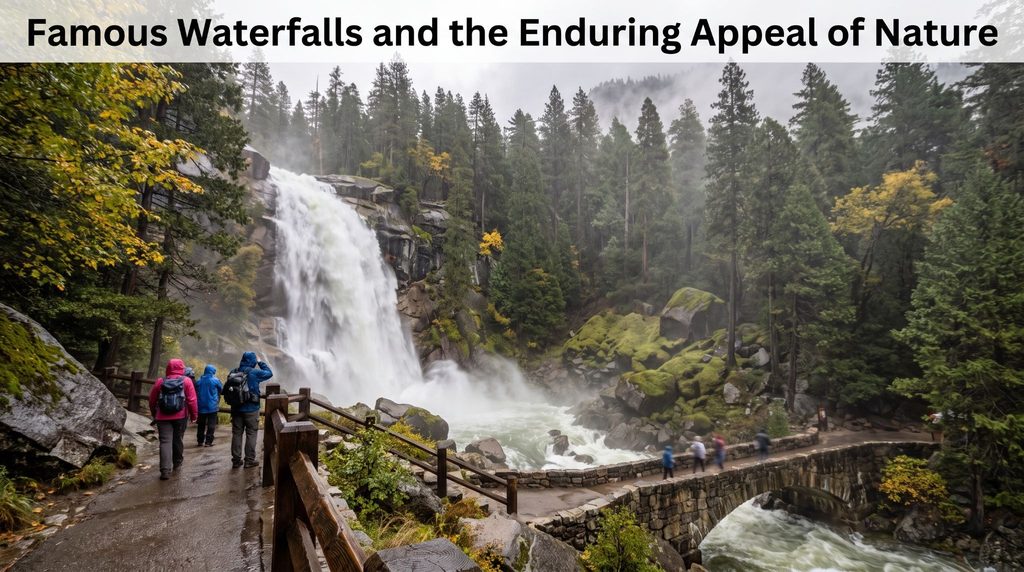
The most memorable waterfall journeys are often about more than the moment you first see the water falling from a cliff. They involve the sound of the river, the changing weather, the walk through a forest or valley, and the sense of scale that photographs rarely capture completely.
Some travelers are drawn to the immense power of Victoria Falls. Others prefer the rainforest setting of Iguazu or the remote grandeur surrounding Angel Falls. Niagara offers a very different experience, showing how a major natural attraction can exist alongside a busy and highly developed visitor destination.
This variety is what makes waterfall travel so rewarding. Every landscape tells a different geological and environmental story.
FAQs
What is the tallest waterfall in the world?
Angel Falls in Venezuela is widely recognized as the tallest uninterrupted waterfall in the world. It is located within Canaima National Park.
Which waterfall is best for a first international nature trip?
Niagara Falls is often a convenient choice because it is well known, highly accessible, and supported by extensive visitor facilities on both the Canadian and American sides.
Are waterfalls better to visit during the rainy season?
Not always. Rainy periods can create stronger water flow, but heavy rainfall may also affect visibility, trails, and transportation. The best season depends on the specific destination.
What should I wear when visiting a waterfall?
Comfortable walking shoes and weather appropriate clothing are usually the best choices. A waterproof layer can be especially useful near powerful cascades with heavy spray.
Can waterfalls be visited safely with children?
Many popular sites have designated viewing areas suitable for families. Adults should still supervise children carefully because wet surfaces, strong currents, and steep terrain can be dangerous.
Conclusion
The world’s great cascades offer far more than beautiful photographs. They reveal the power of rivers, the influence of changing seasons, and the remarkable landscapes created by water over time. From remote mountain regions to tropical forests and famous international destinations, every waterfall journey offers a different way to experience nature.
The best approach is to choose a destination that matches your travel style, plan around local conditions, and give yourself enough time to enjoy the landscape beyond the main viewpoint. When visited with curiosity and respect, these natural wonders can become some of the most memorable places in any journey.
Read More: Beautiful Waterfalls: A Travel Guide to Nature’s Most Captivating Escapes

I am a travel enthusiast who loves exploring India’s beautiful destinations, culture, history, food, and hidden places. Through my travel website, I aim to help travelers discover amazing places in India and plan memorable trips with useful travel information and tips.