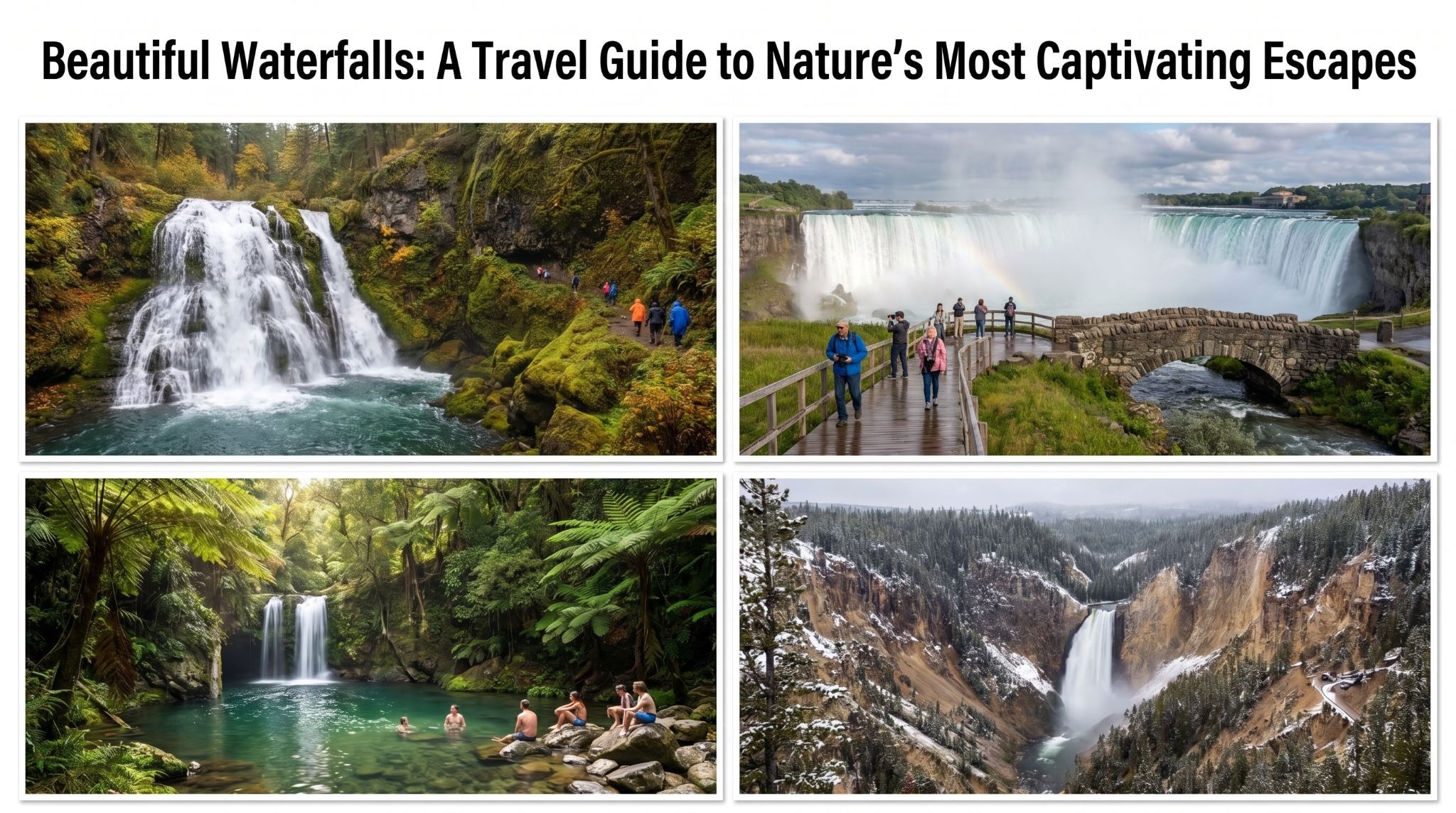
Few natural sights create the same sense of wonder as water rushing over cliffs, slipping through forests, or plunging into deep valleys. Beautiful Waterfalls can be found across every continent, from quiet woodland cascades to enormous falls surrounded by dramatic mountains. They offer more than a memorable photograph. The journey often includes scenic walks, changing landscapes, local culture, and the refreshing feeling of being close to nature.
For travelers, Beautiful Waterfalls can turn an ordinary trip into an unforgettable outdoor experience. Some are easy to reach from popular towns, while others require a hike through forests or rugged landscapes. Planning carefully helps you enjoy the scenery safely and choose the type of waterfall experience that suits your travel style.
Why Beautiful Waterfalls Are Worth Visiting
Waterfalls are among the most accessible natural attractions for travelers because they can be enjoyed in many different environments. A short roadside stop may reveal a powerful cascade, while a longer trek can lead to a secluded fall hidden among trees.
The experience also changes throughout the day. Morning light can make the surrounding landscape feel peaceful, while afternoon sunlight may reveal rainbows in the mist. During wetter seasons, the flow can become more dramatic. In drier periods, the surrounding trails may be easier to explore.
Beautiful Waterfalls are especially appealing because they combine several travel experiences in one destination. Visitors may enjoy hiking, photography, wildlife observation, swimming where permitted, and exploring nearby villages or natural parks.
Types of Beautiful Waterfalls to Explore
Not every waterfall looks or feels the same. Understanding the main types can help travelers choose destinations that match their interests.
| Type of Waterfall | What Makes It Special | Best For |
| Plunge waterfall | Water drops freely from a steep cliff | Dramatic scenery and photography |
| Cascade waterfall | Water flows over a series of rocky steps | Scenic walks and relaxed exploration |
| Multi tiered waterfall | Several drops create different levels | Hiking and discovering viewpoints |
| Horsetail waterfall | Water maintains contact with the rock while descending | Landscape photography |
| Wide waterfall | Water spreads across a broad section of river | Viewing powerful natural scenery |
A waterfall does not need to be extremely tall to be impressive. Some of the most memorable falls are surrounded by dense forests, unusual rock formations, or peaceful natural pools.
Best Time to Visit Beautiful Waterfalls
The best season depends heavily on the location, climate, and source of the water. Falls fed by rainfall may be strongest during or shortly after wet periods. Those supplied by snowmelt can become more powerful during warmer months.
Spring and early summer are often excellent for destinations where melting snow increases river flow. In tropical regions, the rainy season can create spectacular water volume, although heavy rainfall may also make trails slippery or difficult to access.
Autumn can be especially rewarding when forests around the falls change color. Winter creates a completely different experience in colder regions, where ice and snow may transform the landscape. However, access can be limited.
| Season | Typical Waterfall Experience | Planning Consideration |
| Spring | Stronger flow in many mountain regions | Trails may be muddy |
| Summer | Easier access and longer daylight | Popular sites can be crowded |
| Autumn | Colorful landscapes and pleasant temperatures | Water levels may be lower in some areas |
| Winter | Snowy or icy scenery in cold regions | Check access and trail conditions |
Before traveling, check local weather forecasts and official information for the specific waterfall. Conditions can change quickly, particularly in mountain and tropical environments.
How to Plan a Trip to Beautiful Waterfalls
Good planning begins with choosing the right level of adventure. Some falls have paved viewing areas and nearby parking, while others require several hours of hiking. Check the route before leaving and consider your fitness level.
Footwear is particularly important. Rocks near flowing water can be slippery even when they appear dry. Shoes with reliable grip are often more suitable than smooth soled footwear.
It is also worth carrying enough drinking water, especially on longer trails. Weather appropriate clothing can make a major difference because temperatures near waterfalls may feel cooler due to mist and shade.
Check Access Before You Travel
Natural attractions can have seasonal closures, temporary trail restrictions, or changing visitor rules. Protected areas may also require permits or have designated visiting hours.
Always use reliable local information before beginning your journey. Avoid relying only on old travel posts because access conditions can change.
Allow More Time Than You Expect
A waterfall visit often takes longer than expected. You may stop at viewpoints, explore nearby trails, or spend time waiting for better photography conditions.
Instead of rushing through several locations in one day, allowing extra time at one or two scenic sites can create a more enjoyable experience.
Photography Tips for Beautiful Waterfalls
Waterfalls can be challenging to photograph because of changing light and moving water. The best approach depends on the mood you want to capture.
A faster shutter speed can freeze individual droplets and create a detailed sense of movement. A slower shutter speed can make flowing water appear softer and smoother when conditions and equipment allow.
Cloudy weather is often useful because direct sunlight can create strong contrasts between bright water and dark rocks. Early morning can also provide quieter trails at popular locations.
| Photography Situation | Useful Approach | Result |
| Bright sunlight | Look for shaded angles | More balanced exposure |
| Fast moving water | Use a faster shutter speed | Detailed droplets and movement |
| Soft flowing effect | Use a slower shutter speed with stable support | Smooth looking water |
| Wide landscape | Include trees or cliffs for scale | Stronger sense of place |
| Close details | Focus on rocks, plants, or water patterns | More varied travel photographs |
Respect safety barriers while taking photographs. A dramatic image is never worth stepping onto unstable rocks or getting too close to fast moving water.
Hiking Around Beautiful Waterfalls
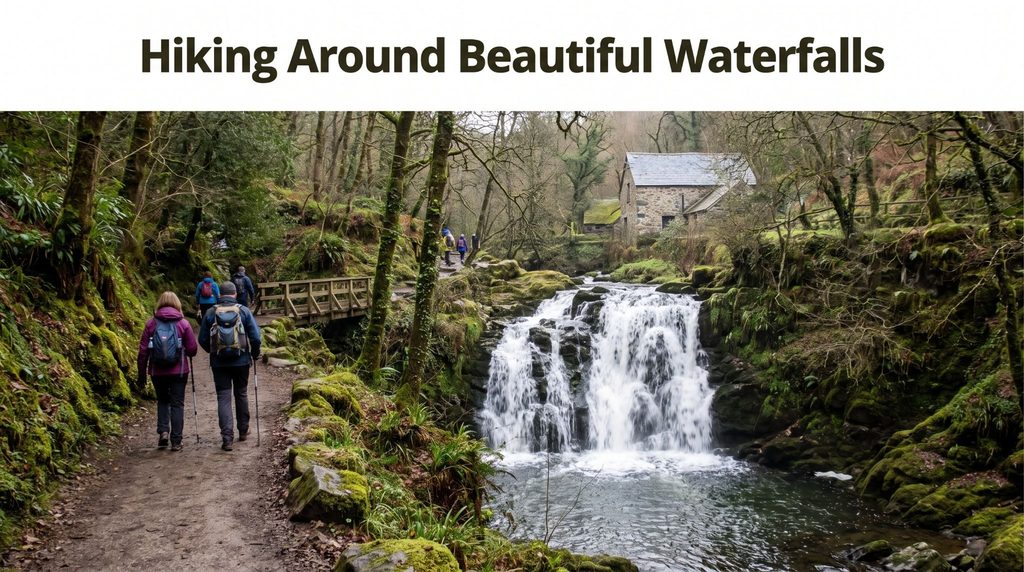
Many of the best waterfall experiences involve walking. A trail can reveal different perspectives as you approach the sound of rushing water and gradually see the landscape open ahead.
Start with realistic expectations. Check the trail length, elevation, terrain, and estimated conditions. A short distance on a steep or rocky path may take longer than expected.
Stay on Marked Paths
Leaving established trails can damage fragile vegetation and increase the risk of getting lost or injured. Staying on designated paths also helps protect natural areas for future visitors.
Near waterfalls, erosion can create unstable ground. Wet rocks and riverbanks deserve particular caution.
Take Your Time
A waterfall hike does not need to be a race. Stop to notice smaller streams, forest sounds, viewpoints, and changes in vegetation. Often the journey through the landscape becomes just as memorable as reaching the main cascade.
Beautiful Waterfalls and Local Travel Experiences
A waterfall destination can offer much more than the attraction itself. Nearby communities may have local food, cultural sites, markets, scenic drives, or traditional accommodation.
Spending time in the surrounding region can also reduce the pressure to treat the waterfall as a quick photo stop. Travelers can explore the wider landscape and gain a better understanding of how people live alongside rivers and forests.
When visiting rural areas, support local businesses where possible and follow local guidance. Respect for communities is as important as respect for the natural environment.
Safety Tips for Visiting Beautiful Waterfalls
Waterfall environments can be unpredictable. Strong currents, slippery surfaces, sudden weather changes, and steep terrain can create risks.
Keep a safe distance from fast moving water and never enter pools or rivers unless swimming is clearly permitted and conditions are known to be safe. Flash flooding can also occur in some landscapes after heavy rain, even when the weather appears calm at the viewing area.
Useful precautions include:
- Checking weather conditions before starting a hike
- Wearing footwear with good grip
- Staying behind barriers and on marked trails
- Keeping children close near water and steep edges
- Avoiding unstable rocks and river crossings
- Carrying out all waste
Responsible Travel Around Beautiful Waterfalls
Popular natural attractions can experience overcrowding and environmental damage. Small actions from visitors can help protect these places.
Carry reusable water containers where practical and avoid leaving food packaging behind. Do not remove rocks, plants, or natural objects from protected areas. Loud music can disturb wildlife and reduce the experience for other visitors.
If a waterfall has designated viewing platforms, swimming zones, or walking routes, use them. Responsible travel helps preserve both the landscape and the quality of the experience.
Choosing the Right Beautiful Waterfalls for Your Trip
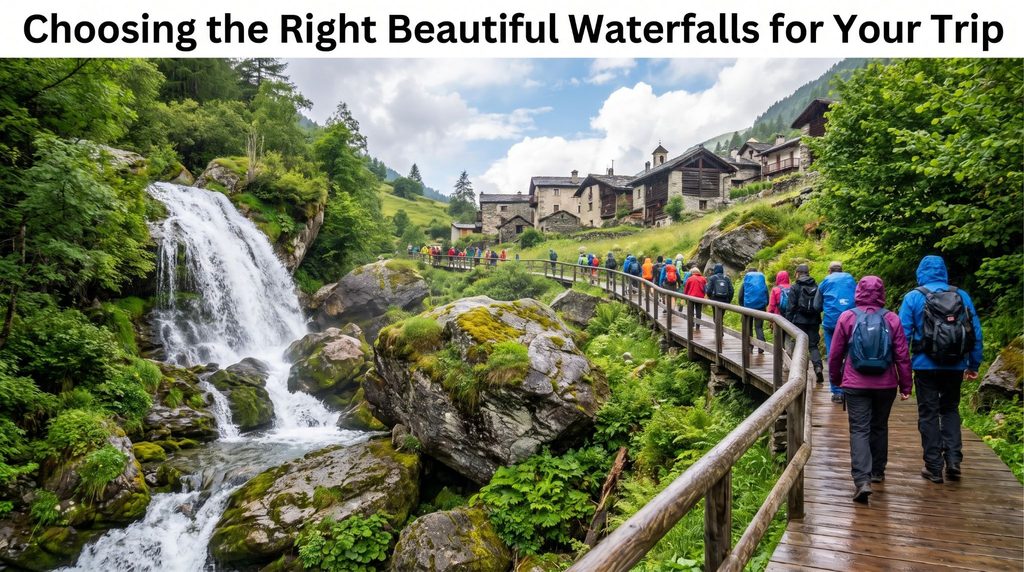
The best destination depends on the kind of journey you want. Families may prefer waterfalls with easy access and established facilities. Experienced hikers may enjoy remote trails with multiple viewpoints.
Photography focused travelers may look for dramatic landscapes and favorable light. Others may simply want a peaceful place to walk, relax, and enjoy the sound of flowing water.
Consider travel time, weather, accessibility, physical requirements, and the type of scenery you enjoy most. A smaller and quieter waterfall can sometimes provide a better experience than a famous attraction surrounded by large crowds.
FAQs
What should I wear when visiting a waterfall?
Wear comfortable clothing suitable for the weather and footwear with good grip. Trails and rocks can be wet and slippery.
Can visitors swim near waterfalls?
Swimming depends on the location and local rules. Only enter water where it is clearly permitted and considered safe.
Are waterfalls suitable for family trips?
Many are suitable for families, particularly destinations with established paths and viewing platforms. Check trail difficulty before traveling.
How can I take better waterfall photographs?
Try visiting during softer light, use stable equipment when possible, and experiment with different shutter speeds to capture the movement of the water.
What should I avoid doing near a waterfall?
Avoid crossing barriers, climbing unstable rocks, entering fast moving water, leaving marked trails, and leaving any waste behind.
Conclusion
A journey to a waterfall is often about much more than watching water fall from a cliff. It can mean hiking through forests, discovering quiet viewpoints, exploring nearby communities, and slowing down long enough to appreciate the landscape.
The most rewarding trips are usually the ones that balance preparation with curiosity. Choose a destination that matches your travel style, respect local conditions, and give yourself enough time to experience the surroundings. Whether you visit a famous natural landmark or a small cascade hidden along a forest trail, the experience can offer a refreshing reminder of how powerful and varied the natural world can be.
Read More: Beautiful Valleys: A Journey Through Nature’s Most Breathtaking Landscapes

I am a travel enthusiast who loves exploring India’s beautiful destinations, culture, history, food, and hidden places. Through my travel website, I aim to help travelers discover amazing places in India and plan memorable trips with useful travel information and tips.