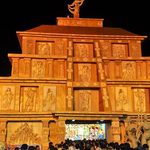
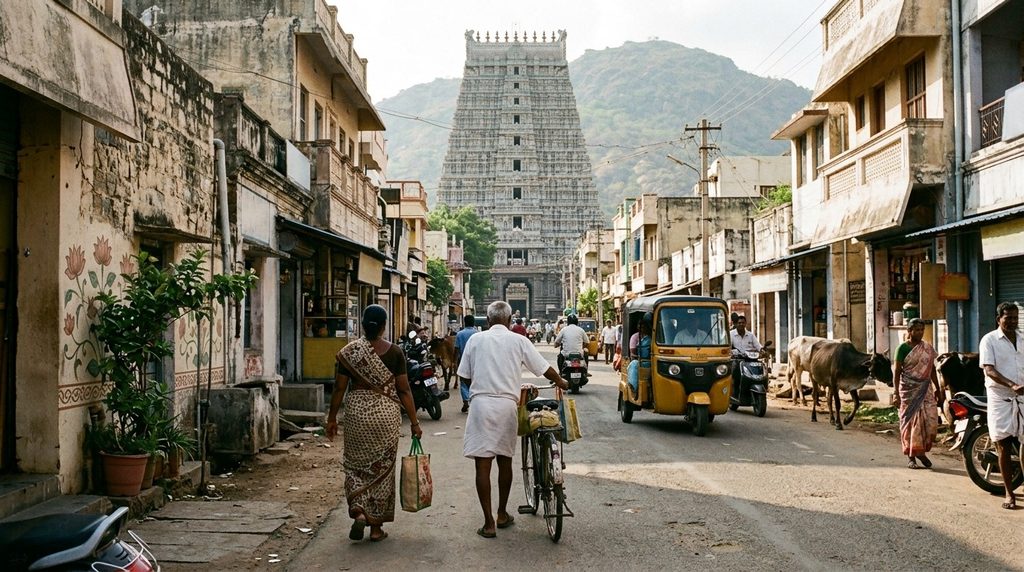
At the foot of the sacred Arunachala Hill in Tamil Nadu stands Arunachalam Temple, one of South India’s most important Shaivite pilgrimage centers. Also widely known as Arunachaleswarar Temple, this magnificent shrine is dedicated to Lord Shiva and is closely associated with the element of fire. Its enormous gopurams, vast courtyards, intricate stonework, and centuries-old traditions create an atmosphere that feels both grand and deeply spiritual. For pilgrims and culturally curious travelers alike, Tiruvannamalai offers an experience that goes far beyond ordinary temple sightseeing.
A visit to Arunachalam Temple is best combined with time around Arunachala Hill and the historic town of Tiruvannamalai. Devotees come for darshan, meditation, and the traditional Girivalam walk around the sacred hill, while other visitors are drawn to the temple’s architecture, festivals, and distinctive South Indian culture. Knowing the best season to visit, temple customs, transportation options, nearby attractions, and practical travel tips can help you enjoy this remarkable destination with greater ease and respect.
Why Arunachalam Temple Is So Important
The spiritual importance of Arunachalam Temple comes from its association with Lord Shiva and Arunachala, a sacred hill regarded by devotees as a manifestation of Shiva himself.
A Major Shaivite Pilgrimage Site
The temple is one of the most significant Shiva temples in Tamil Nadu and attracts pilgrims throughout the year.
Associated With Fire
Arunachaleswarar is traditionally connected with the fire element among the Pancha Bhoota Sthalas, the five temples representing the five classical elements.
Spiritual Importance of Arunachala
For many devotees, Arunachala Hill itself is sacred. The temple and surrounding hill therefore form a larger spiritual landscape rather than two completely separate attractions.
History of Arunachalam Temple
The history of Arunachalam Temple stretches across many centuries, with contributions from several South Indian dynasties and rulers.
Chola Influence
The Cholas played an important role in the development of the temple and surrounding region, contributing to its architectural and religious growth.
Later Dynasties
The temple complex was expanded and modified over time under the influence of different South Indian rulers and patrons.
A Living Heritage Site
Unlike a monument that exists only as a historical attraction, the temple remains an active place of worship where traditional rituals and festivals continue today.
Arunachalam Temple Architecture
The enormous scale of Arunachalam Temple is one of the first things visitors notice. Its architecture reflects the grandeur of traditional Dravidian temple design.
Massive Gopurams
The temple features several monumental gateway towers, with the Rajagopuram serving as one of its most recognizable architectural features.
Vast Temple Complex
Large courtyards, halls, shrines, pillars, and stone carvings make the complex feel more like a sacred city within the city.
Detailed Stone Carvings
Look closely at the pillars and architectural details to appreciate the craftsmanship created by generations of South Indian artisans.
Best Time to Visit Arunachalam Temple
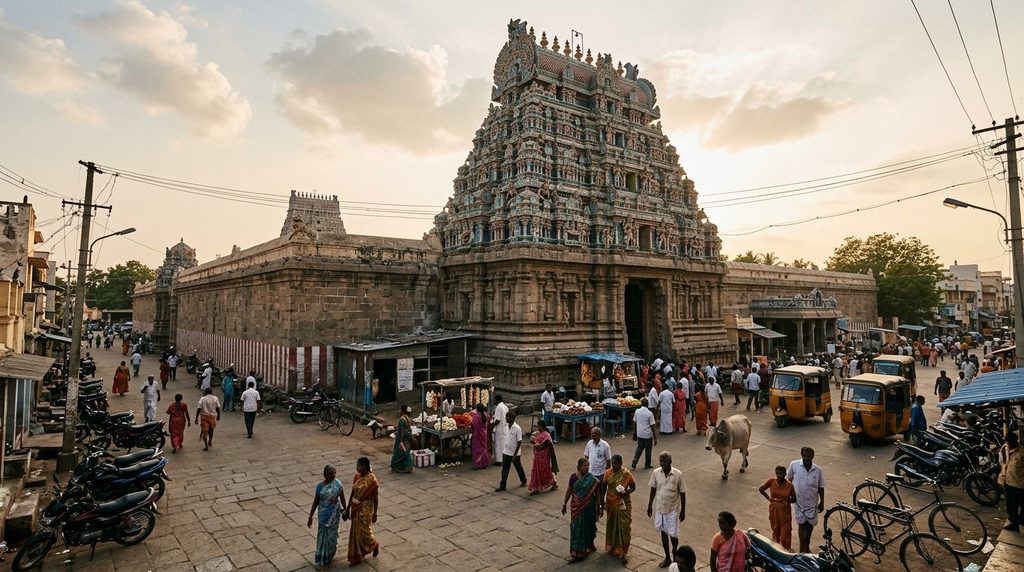
Choosing the right time can make your Arunachalam Temple visit more comfortable, especially if you plan to walk around Arunachala Hill.
October to February
The cooler months are generally more comfortable for sightseeing and outdoor activities. This period is particularly useful for travelers who want to explore the town on foot.
Summer Months
March through May can be very hot. If visiting during summer, plan outdoor activities for early morning or evening and take regular breaks.
Monsoon Period
Rain can bring relief from the heat and add greenery to the landscape, although wet conditions may affect outdoor plans.
Karthigai Deepam Festival
The famous Karthigai Deepam festival is one of the most important events associated with Arunachala. It attracts enormous crowds, so travelers planning to attend should arrange transportation and accommodation well in advance.
Arunachalam Temple Darshan and Temple Etiquette
Understanding basic temple etiquette is important when visiting Arunachalam Temple, particularly for travelers unfamiliar with South Indian Hindu traditions.
Darshan
Visitors can participate in darshan according to current temple arrangements. Timings and access procedures may change during festivals and special occasions.
Dress Respectfully
Wear modest clothing suitable for a religious site. Comfortable traditional or conservative clothing is generally appropriate.
Remove Footwear
Footwear is typically removed before entering designated temple areas. Follow signs and instructions from temple staff.
Photography Rules
Photography may be restricted in certain sections. Follow posted instructions and avoid photographing rituals or worshippers without permission.
How to Reach Arunachalam Temple
Tiruvannamalai is connected to several cities in Tamil Nadu, making Arunachalam Temple accessible by road and rail.
By Air
The nearest practical airports are in the wider Tamil Nadu region, including Chennai. From the airport, travelers can continue toward Tiruvannamalai by road or rail.
By Train
Tiruvannamalai has a railway station with connections to other parts of the state. Train availability and routes depend on your starting city.
By Road
Buses, taxis, and private vehicles are common ways to reach Tiruvannamalai. Road travel can be convenient when combining the temple with nearby destinations.
Local Transportation
Auto-rickshaws, taxis, and local transport can help you move around town. For nearby attractions, confirm fares and routes before starting your journey.
Arunachala Hill and Girivalam
A visit to Arunachalam Temple is often paired with Arunachala Hill, which holds deep spiritual importance for devotees. The traditional circumambulation of the hill is known as Girivalam or Giri Pradakshina.
What Is Girivalam?
Girivalam involves walking around Arunachala Hill along a route of roughly 14 kilometers. Devotees undertake the walk as an act of prayer and spiritual devotion.
Best Time for the Walk
Early morning and evening are generally more comfortable than the hottest part of the day. During full-moon nights, the route can become extremely crowded.
Prepare Before Walking
Wear comfortable walking shoes, carry water, protect yourself from the sun, and allow plenty of time. If you are not accustomed to long walks, take breaks along the route.
Full Moon Girivalam
Full-moon Girivalam is particularly popular and can draw very large numbers of devotees. If you prefer a quieter experience, consider visiting outside peak pilgrimage periods.
Major Attractions Inside Arunachalam Temple
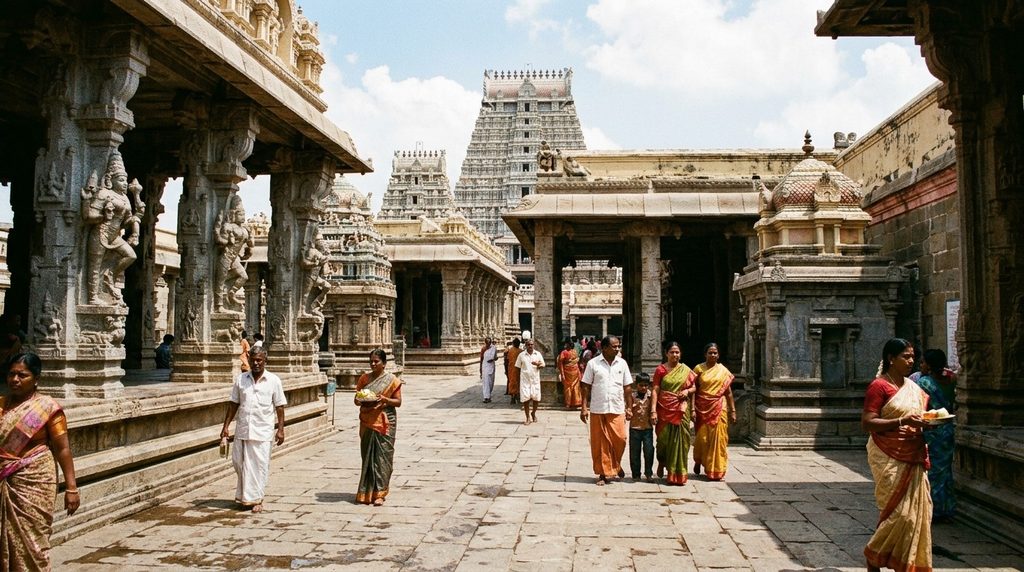
The scale of Arunachalam Temple means that there is much to appreciate beyond the main shrine.
Arunachaleswarar Shrine
The central shrine is dedicated to Lord Shiva as Arunachaleswarar and forms the spiritual heart of the complex.
Unnamalai Amman Shrine
The temple complex also includes a significant shrine dedicated to Goddess Unnamalai Amman, adding another important dimension to the pilgrimage experience.
Thousand-Pillared Hall
The temple’s monumental halls and stone pillars demonstrate the architectural skill associated with traditional South Indian temple construction.
Temple Courtyards
Take time to observe the courtyards, smaller shrines, sculptures, and carved details rather than rushing directly from entrance to entrance.
Festivals at Arunachalam Temple
Festivals bring Arunachalam Temple to life with extraordinary religious energy, colorful decorations, processions, and large gatherings of devotees.
Karthigai Deepam
Karthigai Deepam is the temple’s most famous festival. A ceremonial flame is traditionally lit on Arunachala Hill, creating a powerful sight visible across the surrounding area.
Mahashivratri
Mahashivratri is another important occasion for Shiva devotees, with extended worship and large numbers of pilgrims.
Full-Moon Observances
Full-moon periods are particularly significant because many devotees undertake Girivalam around Arunachala Hill.
Plan Carefully
Festival crowds can dramatically affect accommodation, transportation, temple access, and walking times. Reserve your stay early and expect busy streets.
Places to Visit Near Arunachalam Temple
Tiruvannamalai offers several spiritual and cultural attractions beyond Arunachalam Temple.
Sri Ramana Ashram
Located near Arunachala Hill, the ashram is associated with the spiritual teacher Ramana Maharshi and attracts visitors interested in meditation and spiritual study.
Virupaksha Cave
Higher on Arunachala Hill, Virupaksha Cave has associations with Ramana Maharshi. Reaching hill locations requires walking and may be demanding in hot weather.
Skandashram
Another hillside spiritual site, Skandashram provides a quieter setting and views toward Tiruvannamalai.
Sathanur Dam
Located outside the immediate temple area, Sathanur Dam can be considered for travelers with additional time who want to explore the wider region.
Where to Stay in Tiruvannamalai
Choosing the right accommodation can make your Arunachalam Temple pilgrimage much easier, particularly if you plan early morning darshan or Girivalam.
Hotels Near the Temple
Staying near the temple provides convenient access to the main shrine, markets, restaurants, and surrounding streets.
Ashrams and Guesthouses
Tiruvannamalai has several ashrams and simple guesthouses that may appeal to visitors seeking a quieter or more spiritual environment.
Budget Hotels
Budget accommodation is widely available, making the destination accessible to pilgrims and independent travelers.
Book During Festivals
During Karthigai Deepam and other major events, rooms can become difficult to find. Advance reservations are strongly recommended.
Food to Try in Tiruvannamalai
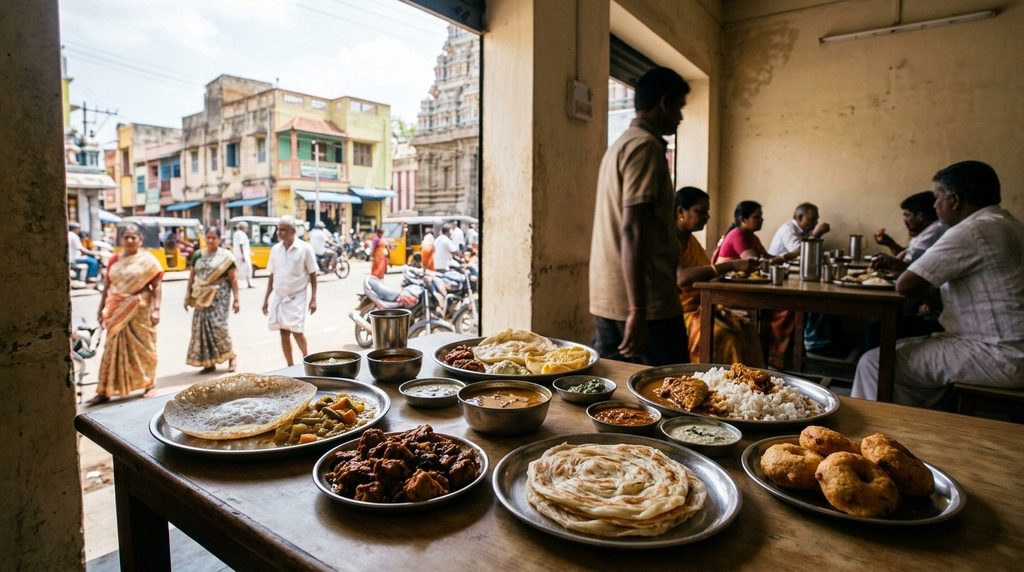
Exploring local food adds another enjoyable element to an Arunachalam Temple trip. Vegetarian cuisine is widely available around the pilgrimage area.
South Indian Breakfast
Try traditional dishes such as idli, dosa, vada, pongal, and sambar at established local eateries.
Traditional Meals
A South Indian thali served with rice, vegetables, lentils, and accompaniments is a filling choice after a day of sightseeing.
Temple-Area Snacks
Small restaurants and food stalls around the town offer simple snacks and beverages. Choose clean, busy establishments, particularly during hot weather.
Things to Do Around Arunachalam Temple
A pilgrimage to Arunachalam Temple does not have to be limited to temple darshan. Tiruvannamalai and the surrounding area offer several experiences that allow visitors to appreciate the region’s spiritual atmosphere, architecture, and natural beauty.
Walk Around Arunachala Hill
Even if you do not complete the full Girivalam route, walking a shorter section can give you a sense of the sacred landscape surrounding the temple.
Explore the Temple Complex
Spend time observing the towering gateways, stone pillars, smaller shrines, courtyards, and intricate carvings. The complex rewards travelers who slow down and look closely.
Spend Quiet Time at an Ashram
Visitors interested in meditation and spirituality can explore established ashrams and spiritual centers around Tiruvannamalai.
Enjoy Local Markets
The streets around the temple contain shops selling flowers, religious items, handicrafts, clothing, snacks, and everyday goods. Exploring them offers a glimpse into local life.
Arunachalam Temple Travel Tips
A little preparation can make your Arunachalam Temple visit more comfortable and respectful.
Visit Early in the Day
Morning hours can be more comfortable for sightseeing, especially during the warmer months. Arriving early may also help you avoid some of the day’s heat.
Carry Water
Tiruvannamalai can become hot, particularly outside the cooler season. Keep yourself hydrated during long walks and outdoor sightseeing.
Dress Modestly
As a major religious destination, the temple deserves respectful clothing and behavior. Comfortable, conservative clothing is a good choice.
Expect Crowds
Weekends, full-moon days, festivals, and religious holidays can be extremely busy. Allow additional time for transportation and temple visits.
Keep Valuables Secure
Crowded streets and pilgrimage areas require normal precautions. Carry only what you need and keep important belongings secure.
Arunachalam Temple Budget and Trip Planning
The overall cost of visiting Arunachalam Temple depends on your transportation, accommodation, food choices, and the length of your stay.
Budget Trip
Simple guesthouses, local vegetarian restaurants, buses, and shared transportation can keep costs relatively low.
Mid-Range Trip
A mid-range visit can include a comfortable hotel, private transportation for selected journeys, restaurant meals, and additional sightseeing.
Premium Experience
Travelers seeking greater convenience can choose higher-end accommodation and private transfers while keeping a flexible sightseeing schedule.
Keep Extra Time
Rather than packing every hour with activities, leave some flexibility for temple queues, traffic, weather, and spontaneous exploration.
Responsible Travel in Tiruvannamalai
Respect for the local environment and community is especially important around Arunachalam Temple and Arunachala Hill.
Avoid Littering
Do not leave plastic bottles, food packaging, or other waste along the Girivalam route or near the hill.
Respect Sacred Spaces
Follow temple instructions, avoid entering restricted areas, and do not disturb people during prayers or religious ceremonies.
Ask Before Taking Photos
Always seek permission before photographing local residents, religious rituals, monks, or private spaces.
Support Local Businesses
Eating at local restaurants, staying at locally operated accommodation, and purchasing regional handicrafts can help tourism benefits reach the community.
FAQs
What is Arunachalam Temple famous for?
Arunachalam Temple, also known as Arunachaleswarar Temple, is a major Shiva temple in Tiruvannamalai, Tamil Nadu, and is traditionally associated with the fire element among the Pancha Bhoota Sthalas.
What is the best time to visit Arunachalam Temple?
October through February generally offers more comfortable weather. If you want to experience Karthigai Deepam or full-moon Girivalam, expect significantly larger crowds.
How long do you need to visit Arunachalam Temple?
One full day can cover the main temple, while two or three days allow time for Arunachala Hill, Girivalam, nearby spiritual sites, and a more relaxed exploration of Tiruvannamalai.
What should I wear to Arunachalam Temple?
Wear clean, modest, and comfortable clothing suitable for a religious environment. Carry footwear that is easy to remove because shoes are not permitted in designated temple areas.
Is Girivalam necessary when visiting Arunachalam Temple?
No. Girivalam is a traditional devotional practice, but visitors do not have to complete the walk. If you choose to participate, prepare for the approximately 14-kilometer route and current weather conditions.
Conclusion:
A visit to Arunachalam Temple offers a memorable combination of spirituality, architecture, culture, and natural beauty. The magnificent temple complex provides an impressive introduction to South Indian religious architecture, while Arunachala Hill adds a deeper spiritual dimension to the journey. Whether you come for darshan, the traditional Girivalam walk, Karthigai Deepam, meditation, or simply an opportunity to experience Tiruvannamalai, the destination rewards patience and thoughtful exploration. Plan your visit around the weather and festival calendar, dress respectfully, stay hydrated, and allow extra time when crowds are expected. Most importantly, approach the temple and surrounding sacred spaces with respect. With the right preparation, your journey to Arunachalam Temple can become a peaceful and meaningful experience rather than simply another sightseeing stop.
Read More:Kamakhya Temple: A Spiritual Journey Through Guwahati’s Sacred Nilachal Hill

I am a travel enthusiast who loves exploring India’s beautiful destinations, culture, history, food, and hidden places. Through my travel website, I aim to help travelers discover amazing places in India and plan memorable trips with useful travel information and tips.