Vietnam tourism offers an unusual combination of dramatic landscapes, historic cities, tropical islands, incredible street food, and relatively easy travel between major destinations. In one trip, you can walk through the busy streets of Hanoi, cruise among the limestone islands of Ha Long Bay, cycle through the countryside around Hoi An, and finish with the floating markets and waterways of the Mekong Delta.
What makes Vietnam especially appealing is the variety. Northern Vietnam feels different from the central coast, while southern Vietnam has its own food, climate, and pace. That means you can build a trip around beaches, history, food, nature, adventure, or a combination of all four.
This Vietnam travel guide explains where to go, how long to stay, the best time to visit, what to eat, how to get around, what a Vietnam trip can cost, and what first-time visitors should know before arriving.
Why Vietnam Tourism Is Worth Experiencing
Vietnam is one of those destinations where a relatively short trip can still feel incredibly diverse. The country stretches from the mountains and rice terraces of the north to tropical islands in the south, with historic towns, beaches, caves, and major cities in between.
The biggest attraction for many travelers is value. Vietnam offers everything from inexpensive street-food meals and local guesthouses to luxury hotels, private tours, and high-end resorts. Travelers can therefore build a trip around very different budgets.
Another advantage is the range of experiences available. You can spend a morning visiting historic landmarks, an afternoon eating local food, and the next day exploring mountains, caves, beaches, or rivers.
The official Vietnam Tourism site also highlights the country’s major urban centers, heritage destinations, islands, natural landscapes, food culture, and regional diversity.
Vietnam’s Three Main Travel Regions
For trip planning, it helps to divide Vietnam into three broad regions.
Northern Vietnam
Northern Vietnam is known for Hanoi, Ha Long Bay, Ninh Binh, Sapa, Ha Giang, mountains, rice terraces, and limestone landscapes.
Hanoi is usually the main gateway, while Ha Long Bay and Ninh Binh make excellent additions to a northern itinerary. Travelers interested in mountains and rural scenery can continue toward Sapa or Ha Giang.
Central Vietnam
Central Vietnam combines beaches, historic cities, caves, and cultural attractions.
Hoi An, Hue, Da Nang, Phong Nha, and Nha Trang are among the destinations worth considering. Hoi An is particularly popular for its historic architecture and lantern-filled evenings, while Hue offers a deeper look into Vietnam’s imperial history.
Vietnam Tourism describes Central Vietnam as a region combining historical sites, coastal cities, caves, forests, and distinctive cuisine.
Southern Vietnam
Southern Vietnam has a different atmosphere, with Ho Chi Minh City providing a fast-paced urban experience and the Mekong Delta offering a slower landscape of rivers, farms, and waterways.
Travelers can also add beach destinations such as Phu Quoc, Mui Ne, or Con Dao to a southern itinerary.
Best Places to Visit in Vietnam
Vietnam has far more destinations than most first-time visitors can fit into one trip. These are some of the best places to start.
Hanoi
Hanoi is one of the best places to experience traditional Vietnamese food, local neighborhoods, historic architecture, and everyday city life.
The Old Quarter is ideal for walking, eating street food, visiting small shops, and experiencing the city’s busy streets. Hoan Kiem Lake provides a quieter place to take a break from the surrounding traffic.
Do not leave Hanoi without trying local specialties such as bun cha and egg coffee.
Ha Long Bay
Ha Long Bay is famous for its limestone karsts rising from emerald-colored water.
A day trip can work if your schedule is tight, but an overnight cruise gives you more time on the water and a chance to experience the landscape around sunrise and sunset.
Weather can affect cruises, particularly during periods of storms or heavy rain, so checking conditions before departure is important. Vietnam Tourism recommends April–June and September–November as favorable periods for Ha Long Bay, although conditions vary.
Ninh Binh
Ninh Binh is sometimes described as a land-based alternative to Ha Long Bay because of its dramatic limestone formations, rivers, caves, and countryside.
Boat trips through the landscape are one of the main attractions. The area is also a good choice for travelers who want nature without traveling as far into northern Vietnam’s mountains.
Hoi An
Hoi An is one of the most atmospheric destinations in central Vietnam.
Its historic streets, colorful lanterns, riverside setting, tailoring shops, cafés, and nearby countryside make it easy to spend several days here without rushing.
The town is especially enjoyable after the busiest daytime period, when the lanterns begin lighting up the streets.
Hue
Hue was Vietnam’s imperial capital and remains one of the country’s most important historical destinations.
The Imperial City and royal tombs provide a very different experience from the beaches and nightlife found elsewhere along the central coast.
If history and culture are priorities for your trip, Hue deserves at least a day or two.
Da Nang
Da Nang works well for travelers who want beaches, restaurants, modern hotels, and easy access to nearby attractions.
My Khe Beach is one of the city’s best-known coastal areas, while the surrounding region provides access to Hoi An, Hue, and Ba Na Hills.
Ho Chi Minh City
Ho Chi Minh City is Vietnam’s largest urban experience, filled with restaurants, markets, cafés, museums, shopping areas, and historic attractions.
It is also a useful base for trips to the Cu Chi Tunnels and other destinations in southern Vietnam.
Mekong Delta
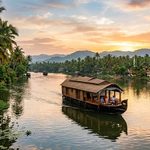
The Mekong Delta provides a completely different view of Vietnamese life.
Rivers, canals, farms, villages, fruit orchards, and floating markets shape much of the region. A guided boat trip can make it easier to understand how communities live and work around the waterways.
Phu Quoc
Phu Quoc is a popular choice for travelers who want to finish a Vietnam trip with beaches and a slower pace.
The island is particularly attractive for travelers combining sightseeing with a few days of relaxation. However, weather matters when planning a beach trip; Vietnam Tourism notes that Phu Quoc generally has sunnier conditions from October through June, while July–September can be stormier and wetter.
Best Vietnam Itinerary for First-Time Visitors
If this is your first trip, avoid trying to visit every destination.
7-Day Vietnam Itinerary
Days 1–2: Hanoi
Day 3: Ha Long Bay or Ninh Binh
Days 4–5: Hoi An or Da Nang
Days 6–7: Ho Chi Minh City
This itinerary is fast-paced, so choosing fewer destinations can make the trip more comfortable.
10-Day Vietnam Itinerary
Days 1–2: Hanoi
Day 3: Ninh Binh
Day 4: Ha Long Bay
Days 5–6: Hoi An
Day 7: Da Nang or Hue
Days 8–10: Ho Chi Minh City
14-Day Vietnam Itinerary
With two weeks, you can slow down and add more regional experiences.
Days 1–3: Hanoi and surrounding attractions
Days 4–5: Ninh Binh or Ha Long Bay
Days 6–8: Hoi An, Da Nang, and Hue
Days 9–11: Ho Chi Minh City
Days 12–13: Mekong Delta
Day 14: Ho Chi Minh City or Phu Quoc
Vietnam Tourism also provides destination-based itinerary ideas covering heritage, adventure, beaches, family travel, food, and other travel styles.
Best Time to Visit Vietnam
There is no single perfect month for every part of Vietnam because the country has different regional climates.
Vietnam Tourism identifies March through May as a strong period for traveling across the country, but the best conditions depend on where you are going.
| Region | Generally Favorable Period | What to Expect |
|---|---|---|
| Northern Vietnam | April–June, September–November | Comfortable sightseeing and clearer conditions |
| Central Vietnam | Depends on destination | Beaches, culture, and changing seasonal conditions |
| Southern Vietnam | December–April | Hotter and generally drier conditions |
| Phu Quoc | October–June | Better beach conditions |
Always check the weather for your specific destination instead of relying only on a country-wide forecast.
How Much Does a Vietnam Trip Cost?
Vietnam can work for different travel budgets.
Budget Travel
Budget travelers can reduce costs by staying in hostels or simple guesthouses, eating local food, using public transportation, and choosing shared tours.
Mid-Range Travel
A mid-range trip can include comfortable hotels, domestic flights, restaurants, organized day trips, and occasional private transportation.
Luxury Travel
Luxury travelers can choose upscale hotels and resorts, private guides, premium cruises, and private transfers.
Instead of setting one fixed daily budget for every traveler, plan around your travel style and the destinations you intend to visit. Prices can vary significantly between Hanoi, Hoi An, Ho Chi Minh City, islands, and resort areas.
How to Get Around Vietnam
Vietnam has several practical transportation options.
Domestic Flights
Flying is often the fastest option when traveling between Hanoi, Da Nang, and Ho Chi Minh City.
Trains
Overnight trains can be useful for travelers who want to cover long distances while saving a hotel night.
Buses
Buses connect many popular tourist destinations and can be useful for shorter regional journeys.
Motorbikes
Motorbikes are common in Vietnam, particularly outside major city centers. However, travelers should understand local traffic conditions, licensing requirements, insurance, and safety rules before riding.
Vietnam Tourism’s travel information also advises riders to wear helmets when using motorbikes.
Vietnamese Food You Should Try
Food is one of the strongest reasons to visit Vietnam.
Pho
Pho is Vietnam’s famous noodle soup and comes in different regional styles.
Banh Mi
Banh mi combines Vietnamese flavors with a French-influenced bread tradition. It is an easy and inexpensive meal while traveling.
Bun Cha
Bun cha is particularly associated with Hanoi and combines grilled pork, noodles, herbs, and dipping sauce.
Cao Lau
Cao lau is a Hoi An specialty and is worth trying while staying in the historic town.
Banh Xeo
This crispy savory pancake is another Vietnamese dish worth ordering, especially when traveling through southern and central regions.
Vietnam Travel Tips for First-Time Visitors
Vietnam becomes easier to navigate once you understand a few basics.
Carry some local cash: Cards are increasingly accepted, but cash remains useful for small restaurants, markets, transportation, and local shops.
Dress appropriately at religious sites: Lightweight clothing is useful for the climate, but more modest clothing is appropriate when visiting temples and pagodas.
Allow extra time for traffic: Crossing busy streets and moving around major cities can take longer than expected.
Do not overpack: You may move between cities several times, so a manageable suitcase or backpack makes the journey easier.
Check weather region by region: A sunny forecast in one part of Vietnam does not necessarily mean the same conditions elsewhere.
Vietnam Visa and Entry Information
Visa rules can change, so travelers should check the official Vietnamese immigration system before booking a trip.
Vietnam’s official e-visa system currently states that an e-visa can be valid for up to 90 days, with single or multiple entries, subject to the applicable rules.
The official Vietnam Tourism website also provides current visa information and notes visa exemptions for selected nationalities.
For your article, do not publish a fixed visa rule without checking the official source again before updating the page.
Is Vietnam Good for First-Time Travelers?
Yes. Vietnam offers a strong combination of food, history, nature, beaches, cities, and affordable travel options.
The key is choosing a realistic itinerary. Trying to see Hanoi, Ha Long Bay, Hoi An, Hue, Da Nang, Ho Chi Minh City, the Mekong Delta, and Phu Quoc in one short trip can leave you spending more time in transit than actually enjoying the destinations.
For a first visit, 10–14 days is a comfortable starting point for combining several regions.
Frequently Asked Questions About Vietnam Tourism
Is Vietnam good for tourism?
Yes. Vietnam is a strong destination for travelers interested in food, culture, history, nature, beaches, cities, and affordable travel.
How many days are enough for Vietnam?
Ten to fourteen days is a good starting point for a first trip covering multiple regions. A seven-day trip is possible, but it is better to focus on one or two regions.
Is Vietnam expensive for tourists?
Vietnam can be relatively affordable, especially for travelers who use local restaurants, guesthouses, public transportation, and shared tours. Luxury options are also widely available.
What is Vietnam best known for?
Vietnam is known for destinations such as Ha Long Bay, Hanoi, Hoi An, its street-food culture, beaches, limestone landscapes, historical sites, and the Mekong Delta.
What is the best month to visit Vietnam?
There is no single best month for every destination. March through May can work well for a broader country trip, while individual regions have their own more favorable periods.
Is Vietnam good for a two-week trip?
Yes. Two weeks gives first-time visitors enough time to combine northern, central, and southern Vietnam without trying to visit every destination.
Final Thoughts on Vietnam Tourism
Vietnam is best experienced as a collection of different regions rather than as one single destination. Hanoi and northern Vietnam offer history and dramatic landscapes, central Vietnam combines beaches and heritage, while the south brings together major-city energy, river life, and tropical islands.
For first-time visitors, the smartest approach is to choose a realistic route and leave enough time to actually enjoy each destination.
Whether your priority is street food in Hanoi, limestone landscapes in Ninh Binh, lantern-lit evenings in Hoi An, beaches in Phu Quoc, or river journeys in the Mekong Delta, Vietnam gives you plenty of reasons to plan a return trip.
Read More:
Maihar Devi Temple Darshan Timings, Ropeway Ticket Price & Booking Guide 2026
Arunachalam Temple Distance: Are You Closer Than You Think?

I am a travel enthusiast who loves exploring India’s beautiful destinations, culture, history, food, and hidden places. Through my travel website, I aim to help travelers discover amazing places in India and plan memorable trips with useful travel information and tips.