When you think of Tuscany Italy, chances are you picture sun-drenched hillsides, historic villages, and endless vineyards stretching across the landscape. This iconic region in central Italy has captivated travelers for centuries, and for good reason. Tuscany Italy offers a perfect blend of natural beauty, rich history, authentic culture, and world-class cuisine that few destinations can match.
Whether you’re planning your first visit or returning for the fifth time, this guide to the best places to visit in Tuscany Italy will help you discover destinations ranging from Renaissance art centers to dramatic coastal villages. Whether you spend a week hitting major attractions or take a month exploring hidden corners, Tuscany Italy promises unforgettable memories that will keep calling you back.
Florence: The Heart of Renaissance Art
Florence serves as the cultural epicenter of Tuscany Italy and remains one of Europe’s most magnificent cities. This is where the Renaissance truly came alive, and you can feel that creative energy walking through its historic streets.
The Duomo, with its iconic dome designed by Filippo Brunelleschi, stands as Florence’s most recognizable landmark. The sheer scale and architectural brilliance of this cathedral will leave you speechless. Inside, you’ll discover remarkable frescoes and marble work that showcase the skill of Renaissance artisans.
The Uffizi Gallery houses one of the world’s finest art collections. Here you’ll encounter masterpieces by Botticelli, Leonardo da Vinci, and Michelangelo. Many visitors spend entire days exploring these galleries, though even a few hours provides access to some of history’s greatest artistic achievements.
Beyond the major attractions, Florence’s charm lies in wandering its cobblestone streets, crossing the Ponte Vecchio at sunset, and discovering hidden piazzas. The city pulses with energy from morning cafes to evening aperitivos in the squares where locals gather.
Best time to visit: April to May or September to October for pleasant weather and fewer crowds than summer months.
Where to Stay in Florence
The historic center offers the most authentic experience, though it comes with higher prices and more tourists. The Oltrarno district across the Arno provides a more local atmosphere with excellent restaurants and artisan workshops.
Chianti Wine Country: A Liquid Treasure of Tuscany Italy
No visit to Tuscany Italy is complete without experiencing the legendary Chianti wine region. This rolling landscape of vineyards produces some of the world’s most celebrated red wines, and exploring the area offers both culinary and scenic rewards.
The main Chianti Classico zone stretches between Florence and Siena, featuring medieval villages, cypress-lined roads, and countless wineries welcoming visitors. Many estates offer tastings in atmospheric cellars or on sun-baked terraces overlooking their vineyards.
Radda in Chianti sits at the heart of wine country. This charming medieval town has maintained its authentic character while offering excellent restaurants, wine shops, and accommodation options. Walking the old town walls provides panoramic views of the surrounding vineyards.
Greve in Chianti serves as another popular base, featuring a stunning triangular piazza surrounded by arcaded buildings. The town’s relaxed atmosphere and excellent restaurants make it ideal for slower-paced exploration of the region.
Insider tip: Visit smaller, family-run wineries rather than only the famous estates. You’ll often find more personal service, better prices, and genuine connections with winemakers passionate about their craft.
Wine Tasting Experiences
Most wineries require advance reservations for tastings. Expect to pay between 15-40 euros per person for tastings that include 3-5 wines paired with local cheeses and cured meats. Many visitors hire drivers or take organized tours to enjoy wines safely.

Siena: Medieval Majesty and the Palio
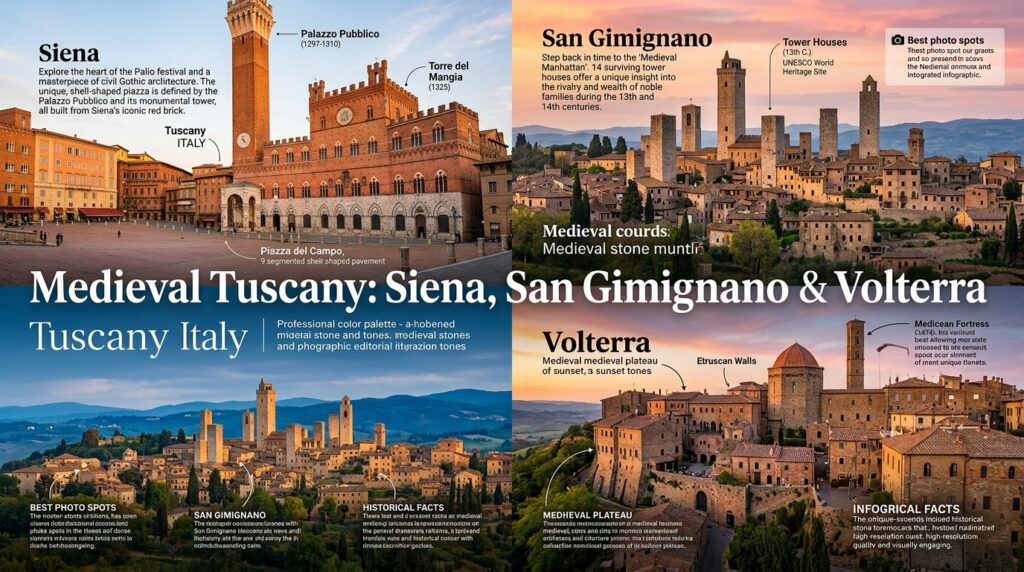
Siena rivals Florence in historical significance and arguably surpasses it in atmospheric charm. This walled medieval city feels frozen in time, with narrow streets, Gothic architecture, and a central piazza that hosts Italy’s most famous horse race.
The Piazza del Campo forms the heart of Siena and ranks among Europe’s most beautiful squares. The distinctive red brick shell-shaped plaza slopes gently downward and is surrounded by elegant medieval buildings. It’s the perfect spot for an espresso, people-watching, or simply soaking in the medieval ambiance.
Every summer, the Palio di Siena draws thousands of visitors to witness a spectacular horse race. Ten neighborhoods (contrade) compete in this centuries-old tradition with pageantry, pride, and passion that’s genuinely thrilling to experience. Even if you don’t attend the race, Siena’s pride in this tradition infuses the entire city with unique energy.
The Siena Cathedral showcases stunning Gothic architecture both inside and out. The intricate black and white marble striping of the facade creates a striking visual impact. Inside, detailed mosaics and sculptures demonstrate the extraordinary craftsmanship of medieval artisans.
Getting Around Siena
The hilltop city is pedestrian-only in the center, making exploration delightfully walkable. However, those steep medieval streets can be challenging. Wear comfortable shoes and take breaks in the numerous cafes and churches throughout the city.
San Gimignano: The Manhattan of the Middle Ages
San Gimignano presents one of Tuscany Italy’s most distinctive and photogenic sights. This small hilltop village is famous for its 14 remaining tower houses, giving the skyline a dramatically vertical appearance unlike anywhere else in the region.
In medieval times, wealthy families built these towers as symbols of power and status. The resulting forest of towers created an architectural legacy that has survived centuries and now captivates visitors seeking an authentic medieval experience.
Walking San Gimignano’s narrow streets transports you back 700 years. Piazzas open up unexpectedly, offering surprising viewpoints over the surrounding Val d’Elsa valley. The town’s compact size means you can explore it thoroughly in just a few hours, though many visitors choose to stay overnight to experience the village after day-trippers depart.
The town is also famous for white Vernaccia wine, a crisp white that pairs perfectly with the local Tuscan cuisine served in family-run restaurants throughout the village.
Photography note: Arrive early morning or late afternoon to capture the towers in the best light with fewer crowds obscuring your views.
Volterra: Art, Etruscan History, and Dramatic Landscapes
Volterra feels less touristy than other Tuscany Italy destinations while offering equally compelling attractions. Perched on a dramatic plateau, this atmospheric hilltop town combines Etruscan archaeological sites, Renaissance art, and stunning panoramic views.
The town has served as a significant settlement for over 2,500 years. Etruscan walls dating to the 4th century still partially surround the city. The Museo Etrusco Guarnacci houses one of Italy’s most important Etruscan collections, providing fascinating insights into this ancient civilization.
Volterra’s artistic heritage equals its historical significance. The Pinacoteca (art gallery) features important works by Rosso Fiorentino and other Renaissance masters. The cathedral and surrounding churches contain additional artworks that reflect Volterra’s cultural importance.
The surrounding landscape around Volterra is genuinely breathtaking. The Le Balze plateau on the town’s eastern edge showcases dramatic erosion formations, creating an otherworldly landscape that contrasts beautifully with Tuscany’s typical rolling countryside.
Alabaster Craftsmanship
Volterra has been a center of alabaster craftsmanship for centuries. Numerous shops sell everything from simple bowls to intricate sculptures. Visiting a workshop to watch artisans at work provides appreciation for this traditional craft.
Pienza: The Ideal Renaissance Town
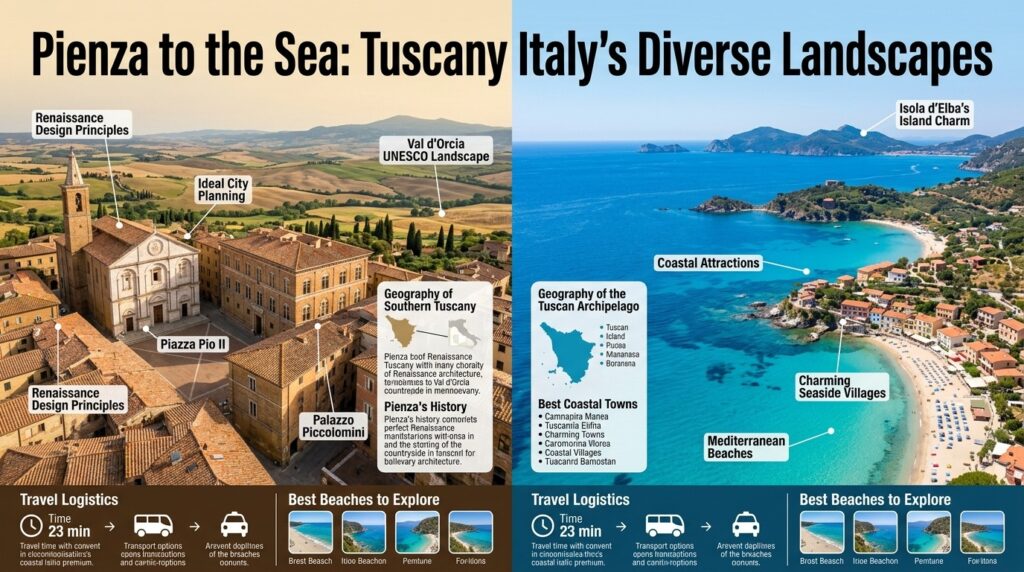
Pienza represents Renaissance ideals made manifest in stone and mortar. This small hilltop town was entirely redesigned in the 15th century by Pope Pius II, making it one of the first examples of planned Renaissance urbanism.
The town centers on the Piazza Pio II, a perfect Renaissance square surrounded by the cathedral, papal palace, and civic buildings. Every structure was carefully designed to create harmonious proportions and visual balance. Walking into this piazza feels like stepping into a Renaissance painting brought to life.
Pienza’s compact size means you can explore the entire town in a couple of hours, yet its architectural significance makes it a UNESCO World Heritage site. The town’s perfection feels somewhat surreal compared to the more organically developed medieval towns nearby.
The surrounding Val d’Orcia countryside showcases Tuscany, Italy’s most iconic landscape. Rolling hills, cypress tree avenues, and isolated farmhouses create endlessly photogenic scenes. Renting a car or taking a tour allows you to explore these stunning landscapes beyond the town itself.
Local Specialties
Pienza is famous for its pecorino cheese and local honey. Food shops throughout town sell these products, and several restaurants specialize in cheese-focused tasting menus that showcase local production.
The Etruscan Coast: Beaches and Seaside Villages
While Tuscany Italy is famous for countryside charm, many visitors overlook the coastal regions. The Etruscan Coast offers beautiful Mediterranean beaches, coastal villages, and opportunities for swimming and water sports.
Populonia stands out as the only Etruscan city built on the coast. This hilltop village overlooks the sea, combining historical interest with beach access. Walking trails descend from the town to small beaches and coves ideal for swimming in summer.
Isola d’Elba, Tuscany’s largest island, offers pristine beaches, hiking opportunities, and a more relaxed seaside atmosphere. Regular ferries from Piombino connect the island to mainland Tuscany Italy in just 15 minutes. The island’s various beaches suit different preferences, from crowded sandy strands to secluded rocky coves.
Castiglione della Pescaia combines medieval village charm with beach resort convenience. The walled old town sits just inland from long sandy beaches, offering the best of both Tuscany Italy’s attractions.
Summer considerations
July and August bring peak crowds and highest prices to coastal areas. June and September offer warmer water, fewer tourists, and better value.
Planning Your Tuscany Italy Adventure
Best Time to Visit
Spring (April-May) and fall (September-October) offer ideal weather, manageable crowds, and excellent value. Summer brings peak tourism and higher prices, while winter sees fewer visitors and occasional rain but provides a quieter, more authentic experience.
Getting Around
Renting a car provides maximum flexibility for exploring the region’s smaller towns and countryside. However, narrow medieval streets and challenging parking make driving through old town centers difficult. Train and bus networks connect major cities efficiently, though side trips to smaller villages require more planning.
Accommodation Options
Tuscany Italy offers everything from luxury agriturismos (farm stays) to family-run bed-and-breakfasts and upscale hotels. Staying in smaller towns provides more authentic experiences than major cities, though booking ahead is essential during peak seasons.
Budget Considerations
Tuscany Italy ranges from affordable to expensive depending on your choices. Eating where locals eat, using public transportation, and staying outside peak seasons dramatically reduces costs. Budget 50-80 euros daily for mid-range travel, or 100+ euros for more comfortable accommodation and dining.
FAQs
How many days do I need to explore Tuscany, Italy?
A minimum of 5-7 days allows you to visit 2-3 major destinations plus explore surrounding areas. However, 10-14 days provides a much more relaxed pace for experiencing the region authentically without feeling rushed.
Is it necessary to rent a car when visiting Tuscany Italy?
A car provides excellent flexibility for visiting smaller villages and countryside attractions. However, public transportation adequately connects major towns. Consider renting for just a few days to explore areas beyond main cities while relying on trains for longer distances.
What’s the best region for wine lovers visiting Tuscany Italy?
Chianti Classico remains the most famous wine region and offers the most developed infrastructure for tastings and tours. However, Brunello di Montalcino and Vino Nobile di Montepulciano produce equally excellent wines with fewer tourists.
Can I visit Tuscany Italy on a budget?
Absolutely. Staying in smaller towns, eating lunch as your main meal, using public transportation, and visiting during shoulder seasons significantly reduces costs. Many excellent experiences, from hiking to visiting churches, cost nothing.
What’s the single best thing to experience in Tuscany Italy?
There’s no single answer since different visitors connect with different aspects. Art lovers prioritize Florence and museum collections. Nature enthusiasts prefer countryside drives and hiking. Wine enthusiasts focus on tasting rooms and vineyards. Food lovers explore local trattorias and farmers markets. The beauty of Tuscany Italy is that it excels in all these areas simultaneously.
Conclusion: Why Tuscany Italy Captures Hearts Worldwide
Tuscany Italy represents more than just a tourist destination. The region embodies a lifestyle centered on simple pleasures: exceptional food and wine, natural beauty, artistic heritage, and human connection. Every town tells stories spanning centuries, every landscape invites deeper exploration, and every meal creates memories that last a lifetime.
The magic of Tuscany Italy lies not in checking boxes of famous attractions but in slowing down, embracing local rhythms, and allowing yourself to be genuinely present. Whether you spend a week hitting major destinations or a month immersing yourself in smaller villages, Tuscany Italy will undoubtedly leave an indelible mark on your heart. The rolling hills at sunset, the taste of fresh pasta in a small trattoria, the warmth of locals who welcome visitors with genuine hospitality, and the centuries of history visible in every stone combine to create something truly special. This is why travelers return to Tuscany Italy again and again, each visit revealing new layers of beauty and discovery that keep the region timeless and unforgettable.
Read More: Verona Italy – All You SHOULD Know Before Going (2026 Guide)

I am a travel enthusiast who loves exploring India’s beautiful destinations, culture, history, food, and hidden places. Through my travel website, I aim to help travelers discover amazing places in India and plan memorable trips with useful travel information and tips.