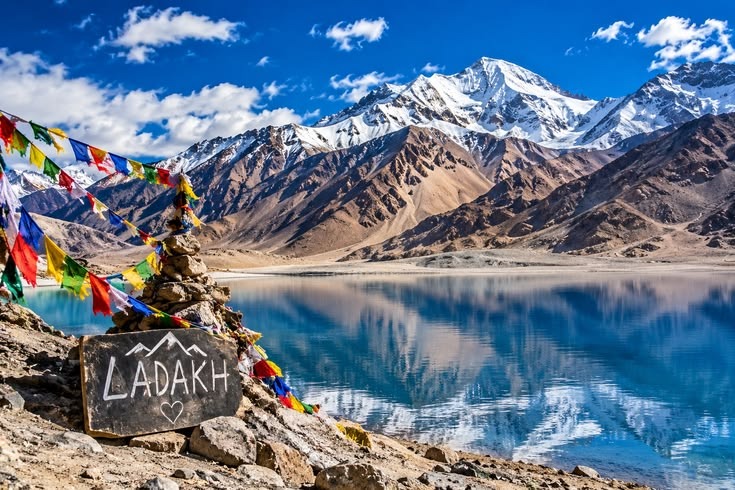
At the northern edge of India, Leh Ladakh feels like a destination shaped by extremes. High mountains surround broad valleys, ancient monasteries sit above quiet settlements, and winding roads cross landscapes that seem almost unreal. The region rewards travellers who slow down and allow time to adjust to the altitude instead of trying to fit every famous sight into a few rushed days.
Leh is the natural starting point for exploring the wider region, but the journey quickly expands beyond the town. Nubra Valley brings dramatic mountain scenery and traditional villages, while Pangong Lake offers an unforgettable high-altitude setting. Along the way, monasteries, local food, handicrafts and old trading settlements reveal a cultural side that is just as important as the scenery.
Leh Ladakh and Its High Mountain Landscape
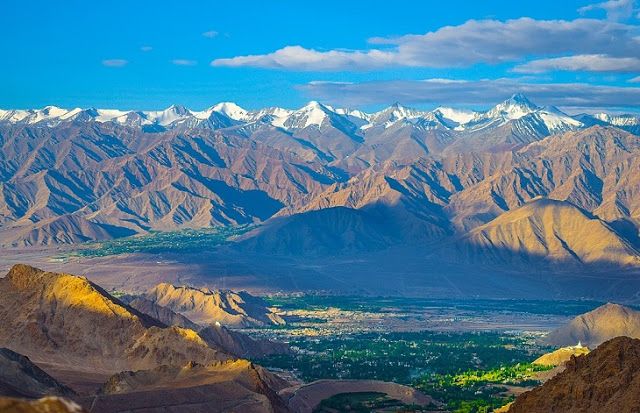
Ladakh lies in the high Himalayas and is known for its cold desert environment. Limited rainfall, high elevation and surrounding mountain ranges have created a landscape of barren slopes, rocky valleys and scattered green settlements.
Leh sits at roughly 3,500 metres above sea level and serves as the region’s main urban centre and travel base. Because of the altitude, arriving here is different from arriving in an ordinary hill station. Giving yourself time to rest before demanding activities is one of the most important parts of a comfortable trip.
| Area | Main appeal | Suitable for |
| Leh | Markets, historic sites and monasteries | First days and local sightseeing |
| Nubra Valley | Villages, monasteries and mountain scenery | Scenic road trips |
| Pangong Lake | Blue water and dramatic mountains | Dedicated excursion |
| Alchi | Historic Buddhist art | Culture and heritage |
| Sham Valley | Monasteries and valley views | Short day trip |
Leh Ladakh and the Historic Character of Leh
Leh grew as an important centre on historic trade routes connecting Central Asia, Tibet and the Indian subcontinent. That past can still be felt in its older streets and traditional architecture.
Leh Palace is one of the town’s best known landmarks. Associated with the Namgyal dynasty, the palace overlooks Leh and the surrounding valley. Nearby historic neighbourhoods provide a quieter glimpse of the town’s earlier character.
The central market offers a more contemporary experience, with shops, cafés and small businesses serving residents and visitors. Spending time here rather than treating Leh only as a stopover makes the destination more rewarding.
Leh Palace and the Old Town
A visit to the palace works well alongside a walk through the old part of town. The combination gives travellers a simple introduction to Ladakh’s history before heading into the more remote valleys.
Leh Ladakh and Its Buddhist Monasteries
Buddhist monasteries are central to the cultural identity of the region. Many occupy elevated positions above valleys, creating peaceful settings as well as impressive views.
Thiksey Monastery is particularly recognisable for its hilltop setting and traditional architecture. Hemis Monastery is another important religious centre and is associated with the annual Hemis festival. Alchi is valued for its historic Buddhist paintings and sculptures, while Lamayuru is known for its dramatic landscape and monastery.
Visitors should remember that these are active religious places. Modest clothing, quiet behaviour and respect for local instructions are appropriate, especially during ceremonies or prayers.
Leh Ladakh and the Region’s Best Attractions
The wider landscape offers several destinations worth building into an itinerary rather than visiting as quick photo stops.
Nubra Valley
Nubra is known for broad valleys, villages, monasteries and striking mountain scenery. Diskit Monastery is one of its most prominent cultural sights. The journey from Leh is an attraction in itself, with dramatic changes in landscape along the route.
Pangong Lake
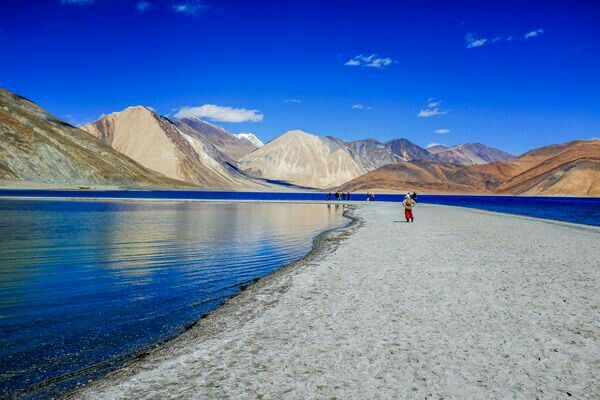
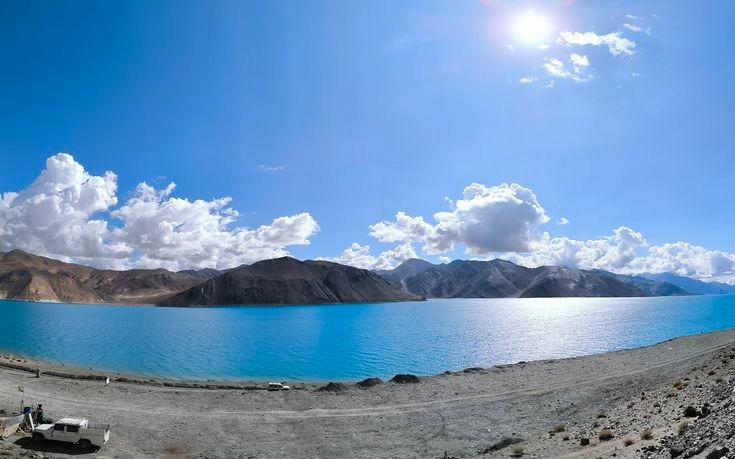
Pangong Lake is famous for its intense blue waters surrounded by stark mountains. It requires a substantial journey from Leh, so planning it as a dedicated excursion makes more sense than squeezing it into an already crowded day.
Indus Valley Excursions
The area around Leh includes popular stops such as Magnetic Hill, Gurudwara Pathar Sahib and the meeting point of the Indus and Zanskar rivers. These can form a practical day excursion when roads and local conditions are suitable.
Best Time to Visit Leh Ladakh
The main sightseeing season is generally the warmer part of the year, when more high mountain routes are accessible. Summer offers relatively comfortable daytime conditions in Leh and is popular for road trips to major valleys and lakes.
Autumn can bring clear mountain views and fewer visitors, although nights become colder. Winter is much quieter but brings severe cold and can make some high-altitude roads difficult or inaccessible.
| Season | What it offers | What to consider |
| Spring | Quieter travel and emerging seasonal activity | Snow may remain on high routes |
| June to September | Main road trip and sightseeing season | Popular places can be busy |
| October | Clear scenery and fewer crowds | Cold nights |
| Winter | Quiet atmosphere and snowy landscapes | Severe cold and limited access |
Leh Ladakh and How to Reach the Region
Leh has air connections with major Indian cities, while road routes connect the region with Srinagar and Manali when seasonal conditions allow. The Srinagar to Leh and Manali to Leh journeys are experiences in their own right, but road access depends on weather and snow clearance.
Flying is convenient for travellers with limited time, but it brings a rapid change in elevation. This makes acclimatisation particularly important after arrival. A road journey takes longer but allows the body to gain altitude more gradually.
Before setting out on a long road trip, check current route conditions and local travel guidance. Mountain weather can change quickly, making a flexible itinerary more practical than one built around tight connections.
Leh Ladakh and Things to Do
The best experiences do not require constant sightseeing. After acclimatisation, explore Leh Market, visit nearby monasteries and take short drives into the surrounding valleys. These slower activities provide a better introduction to the region than immediately attempting a demanding road journey.
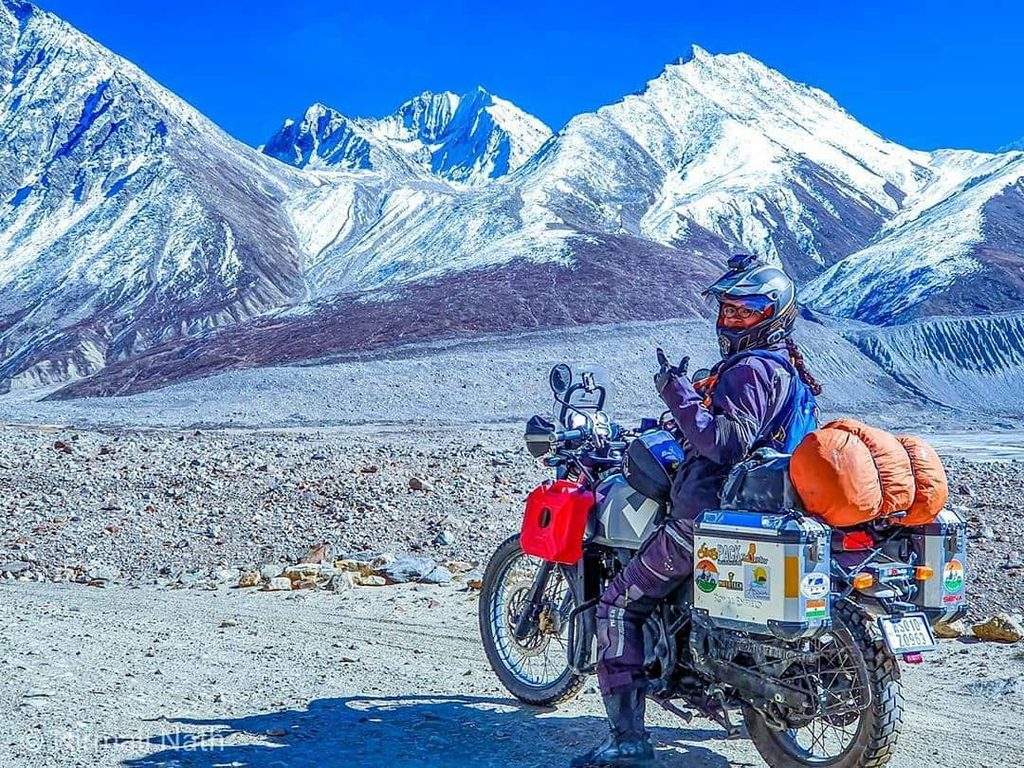
Adventure options include trekking, cycling and other outdoor activities, although suitability depends on altitude, season and current conditions. Travellers should choose activities according to their experience and allow enough recovery time.
Try Local Ladakhi Food
Food offers another way to experience the culture. Momos, thukpa and skyu are among the local dishes worth trying, while butter tea provides a taste of a traditional regional drink. Local restaurants can be good places to discover these flavours.
Leh Ladakh and Nearby Places to Explore
A longer itinerary allows travellers to look beyond the most photographed locations. The Indus Valley has several monasteries and villages suitable for shorter excursions, while Nubra and Pangong need more time.
Tso Moriri offers another high-altitude lake experience for travellers with additional days. Hanle is known for its remote setting and dark skies, but journeys to remote areas require careful planning and current access information.
The key is to avoid packing too many distant destinations into one schedule. Extra time is valuable because road conditions, weather and rest requirements can change plans.
| Place | Why visit | Planning approach |
| Thiksey | Monastery and valley views | Easy local excursion |
| Nubra Valley | Villages, monasteries and scenery | Allow overnight time |
| Pangong Lake | Dramatic lake landscape | Plan a dedicated excursion |
| Tso Moriri | Remote high-altitude lake | Best with additional days |
Leh Ladakh and Essential Travel Tips
Altitude should be the first planning consideration. Keep the initial schedule light, stay hydrated and pay attention to how you feel. If you develop significant altitude-related symptoms, seek medical help rather than continuing with strenuous sightseeing.
Warm layers are useful even in summer because evenings can become cold. Comfortable footwear and sun protection are also important at high elevation.
Respect the environment and local communities throughout the trip. Carry waste with you where disposal facilities are limited, follow instructions at monasteries and avoid entering restricted areas.
Keep essential medicines and documents organised. Cash can also be useful in smaller settlements where digital payment services may not always be reliable. Check current weather, road and transport information before longer journeys.
FAQs
How many days are enough for a first trip?
Around seven to ten days can provide a useful introduction, depending on your arrival method and chosen excursions. More time allows a slower pace and greater flexibility.
Is this region suitable for first-time Himalayan travellers?
Yes, if the journey is planned around altitude and weather. First-time visitors should keep the first days easy and avoid demanding activities immediately after arrival.
Which places are easiest to combine with Leh?
Thiksey, Shey and other Indus Valley attractions work well as shorter excursions. Nubra Valley and Pangong Lake generally need more dedicated travel time.
What should I pack for a trip to the high mountains?
Bring warm layers, comfortable walking shoes, sun protection, personal medicines, a reusable water bottle and essential documents. Adjust your clothing to the season and activities.
Can mountain roads close during winter?
Yes. Snow and severe weather can affect high-altitude routes. Seasonal access changes, so travellers should check current road conditions before starting a road journey.
Conclusion
The appeal of this Himalayan destination comes from its remarkable contrasts. Ancient monasteries rise above stark valleys, villages appear between immense mountains, and long journeys connect landscapes that can feel completely different from one another. The experience becomes richer when travellers allow time for rest, weather changes and quiet moments along the way.
Instead of trying to collect every famous viewpoint, choose a few places that genuinely interest you and experience them at a comfortable pace. Give Leh time to reveal its history and culture, then venture farther into the valleys with patience and respect for the environment. That approach turns a mountain holiday into a far more memorable journey.
Read More:Rann Utsav: A Complete Guide to Kutch’s White Desert Festival

I am a travel enthusiast who loves exploring India’s beautiful destinations, culture, history, food, and hidden places. Through my travel website, I aim to help travelers discover amazing places in India and plan memorable trips with useful travel information and tips.