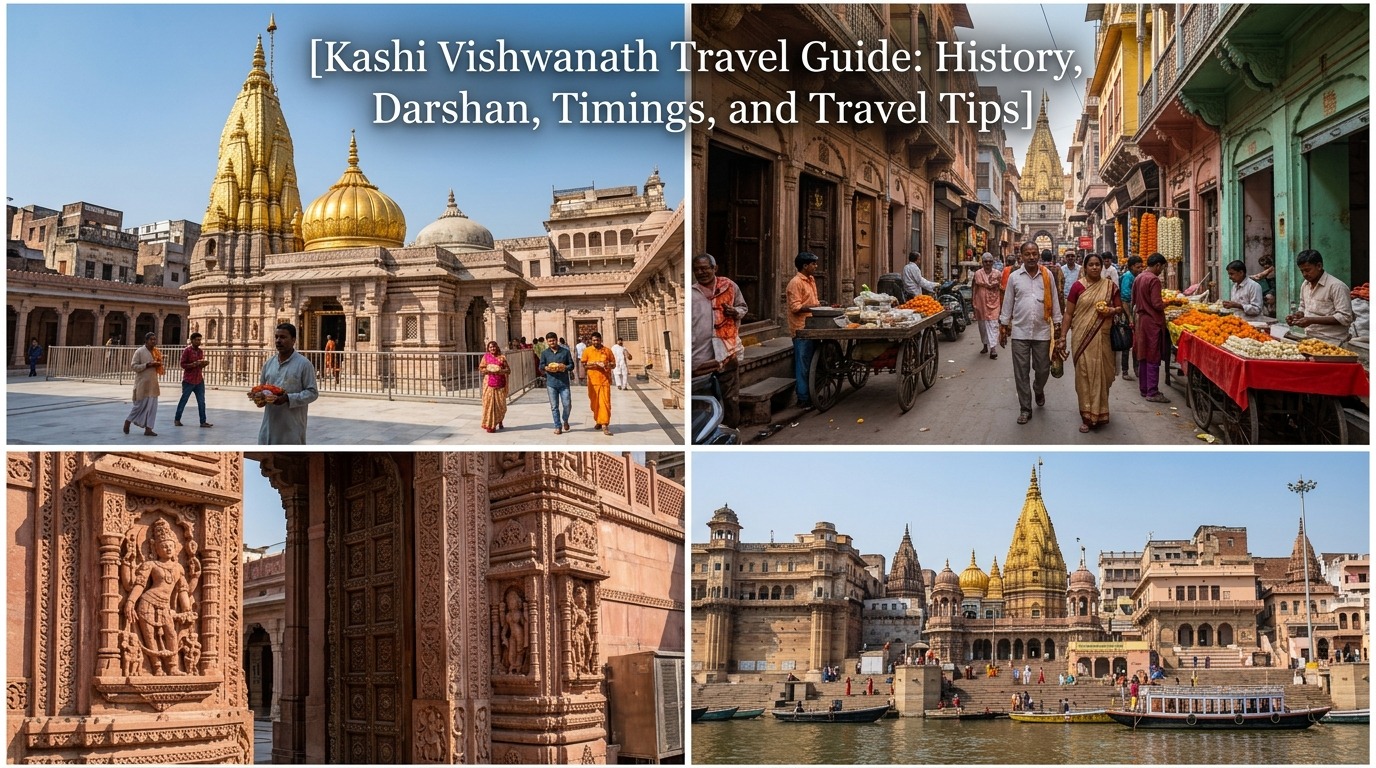
Kashi Vishwanath is more than a famous temple in Varanasi; it is one of the most important spiritual landmarks in India, drawing pilgrims and travelers toward the sacred heart of Kashi. Dedicated to Lord Shiva and home to one of the twelve Jyotirlingas, the temple has a deep connection with Hindu faith, Indian history, and the living culture of Varanasi.
A visit to Kashi Vishwanath can easily become the highlight of a Varanasi trip, especially when combined with the nearby Ganges ghats, narrow old-city lanes, local markets, and evening Ganga Aarti. Whether you are visiting for religious reasons or simply want to understand one of India’s most remarkable cultural destinations, a little planning will make the experience smoother and more meaningful.
Why Kashi Vishwanath Is So Important
Kashi Vishwanath Temple is dedicated to Lord Shiva, worshipped here as Vishwanath or Vishweshwara, meaning the ruler or lord of the universe. The temple houses a Jyotirlinga, making it one of the twelve particularly sacred Shiva temples recognized in Hindu tradition.
The temple’s importance is closely connected with Varanasi itself. Kashi has been a major center of Hindu learning, pilgrimage, philosophy, music, and culture for centuries. For many devotees, visiting the temple is not simply sightseeing but a deeply personal spiritual journey.
The present temple structure dates to 1780 and was built by Maharani Ahilyabai Holkar of Indore. Its distinctive golden domes later became associated with the temple’s popular name, the Golden Temple of Varanasi.
History and Religious Significance of Kashi Vishwanath
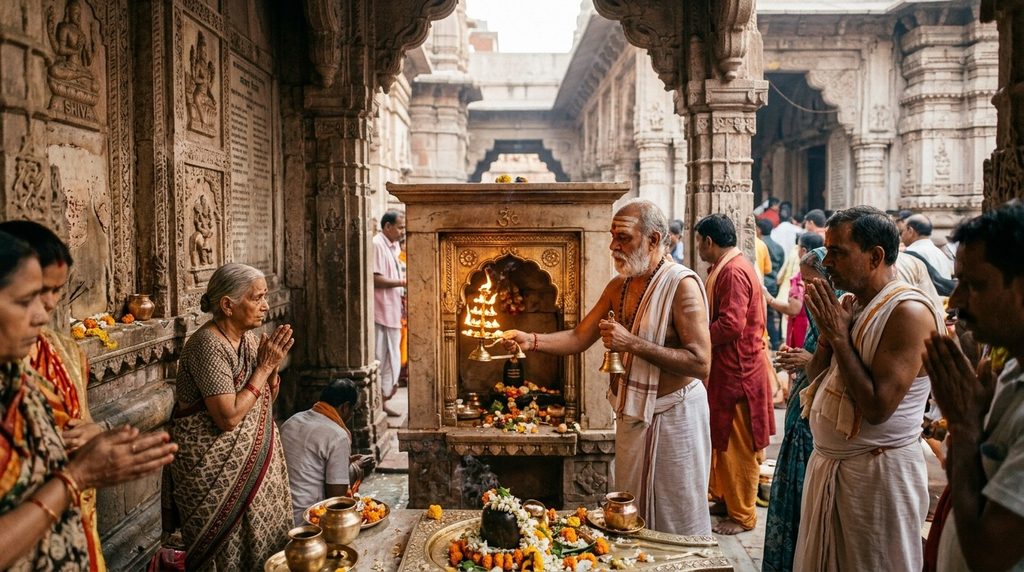
The history of Kashi Vishwanath is intertwined with the long and sometimes turbulent history of Varanasi. The temple has been destroyed and rebuilt several times, while the sacred site has continued to hold an important place in Hindu religious tradition.
The current structure was constructed on an adjacent site in 1780 under the patronage of Ahilyabai Holkar. Later, Maharaja Ranjit Singh donated gold that was used to cover two of the temple’s domes in 1839.
For travelers, this history adds another layer to the visit. The temple is not an isolated monument; it is part of the living religious landscape of Kashi, where temples, ghats, rituals, markets, and everyday life exist side by side.
Kashi Vishwanath Temple Timings and Darshan
Darshan arrangements can vary according to the temple’s daily schedule, special occasions, and crowd conditions, so checking the official temple portal before traveling is a wise idea. The temple’s published schedule lists several daily aarti services and paid options such as Sugam Darshan.
The official FAQ currently lists regular darshan periods as 4:00 AM–11:00 AM, 12:20 PM–7:00 PM, and 8:30 PM–9:00 PM. Travelers should verify the schedule close to their visit because festival days and special arrangements can differ.
| Temple service | Published timing | Important note |
| Mangla Aarti | 3:00–4:00 AM | Paid service on normal days |
| Sugam Darshan | 6:00 AM–6:00 PM | Special paid darshan |
| Bhog Aarti | 11:15 AM–12:20 PM | Daily ritual |
| Saptarishi Aarti | 7:00–8:15 PM | Evening aarti |
| Night Shringar/Bhog Aarti | 9:00–10:15 PM | Night ritual |
| Shayan Aarti | 10:30–11:00 PM | Free according to published schedule |
The official portal currently lists Sugam Darshan at ₹250 and Mangla Aarti at ₹500 on normal days. Fees and availability can change, so use the temple’s official booking system for the latest information.
How to Reach Kashi Vishwanath
Kashi Vishwanath is located in the old part of Varanasi, close to the Ganges and several famous ghats. Because the surrounding area has narrow lanes and pedestrian sections, reaching the general neighborhood by vehicle does not necessarily mean you can travel directly to the temple entrance.
The temple’s official FAQ identifies Varanasi Junction as the nearest railway station, Chaudhary Charan Singh Bus Stand as the bus station, and Lal Bahadur Shastri International Airport as the airport serving the area.
| Starting point | Practical option | Traveler tip |
| Varanasi Airport | Taxi or app-based cab toward the old city | Allow extra time for traffic |
| Varanasi Junction | Auto-rickshaw, taxi, or local transport | Expect a final walk |
| Varanasi Cantt area | Auto-rickshaw or taxi | Confirm the best pedestrian approach |
| Ganga ghats | Walk through the corridor/old-city area | A good choice if already sightseeing nearby |
The temple’s official information also notes that entry from the Ganga Ghat side is possible through Gate No. 1, with corridor access from the ghat side listed between 6:00 AM and 9:00 PM.
What to Expect During Your Temple Visit
A visit to Kashi Vishwanath is different from visiting an ordinary tourist attraction. The atmosphere is devotional, busy, and highly active, particularly during important religious occasions.
Security and entry procedures should be taken seriously. The temple’s official FAQ states that electronic and non-electronic gadgets, including mobile phones and pens, are not allowed inside the temple premises. Free lockers are available at several locations, including Mandir Chauk and designated help desks.
There is no formal dress code listed for darshan, although the official guidance advises devotees to wear decent clothing.
For a more comfortable visit:
- Carry only essential items.
- Follow security instructions.
- Wear comfortable footwear because walking is likely.
- Dress respectfully for a religious environment.
- Keep extra time for queues and security checks.
- Check official booking information before paying for special services.
- Avoid accepting unofficial offers from people claiming to provide guaranteed darshan.
Best Time to Visit Kashi Vishwanath
The best time depends on whether your priority is comfortable weather, religious festivals, or a quieter sightseeing experience.
October through March is generally more comfortable for exploring Varanasi because temperatures are usually more pleasant than during the intense summer months. Winter mornings can be cool, particularly around the Ganges, so light warm clothing can be useful.
Mahashivratri and other major Hindu festivals can create an especially powerful religious atmosphere, but they also bring very large crowds and more complicated travel conditions. If your main goal is a relaxed first visit, consider traveling outside major festival periods.
Early morning can be particularly rewarding for travelers who want to experience the spiritual rhythm of the old city before the streets become busier. It also gives you an opportunity to combine temple darshan with a morning visit to the Ganges.
Places to Visit Near Kashi Vishwanath
One of the biggest advantages of visiting Kashi Vishwanath is its location. You can combine the temple with several of Varanasi’s best-known cultural experiences without making long journeys across the city.
Dashashwamedh Ghat is one of the most famous nearby places and is closely associated with the evening Ganga Aarti. The ghats are also a good place to observe daily life along the Ganges, although visitors should always behave respectfully around religious ceremonies.
Other attractions worth adding to your Varanasi itinerary include:
- Ganga Ghats: Explore the riverfront and watch traditional rituals.
- Ganga Aarti: Experience the evening devotional ceremony at Dashashwamedh Ghat.
- Sarnath: Visit the important Buddhist site outside central Varanasi.
- Old City Markets: Browse shops selling handicrafts, textiles, religious items, and local products.
- Traditional Varanasi Food Areas: Try local vegetarian dishes and sweets.
- Boat Ride on the Ganges: A sunrise or sunset ride provides a different perspective of the ghats.
A full day can easily be spent exploring the temple area and nearby ghats, while two or three days allow you to experience Varanasi at a much less hurried pace.
Food, Shopping, and Local Culture
The streets around Kashi Vishwanath are full of the sights, sounds, and aromas that make old Varanasi distinctive. Small food shops, tea stalls, sweet shops, religious stores, and traditional markets create an atmosphere that feels very different from modern commercial districts.
Popular foods to look for include kachori sabzi, tamatar chaat, lassi, jalebi, and various traditional sweets. Varanasi is also known for its Banarasi silk, making the city a popular destination for travelers interested in textiles and traditional Indian craftsmanship.
When shopping, compare prices before purchasing and ask clearly about fabric quality, authenticity, and return policies when buying expensive silk products. For food, choose busy establishments with good turnover and sensible hygiene practices.
Most importantly, remember that Varanasi is a living religious city rather than a theme park. Photography may be inappropriate in certain religious situations, and visitors should avoid disturbing ceremonies or people engaged in worship.
Practical Travel Tips for Kashi Vishwanath

Planning a few details in advance can make your Kashi Vishwanath visit considerably easier. Start by checking the official temple website for current darshan, aarti, pooja, and booking information rather than relying on old travel blogs or social-media posts.
If you want a paid service such as Sugam Darshan or a particular aarti, check availability and current pricing before your journey. The official temple portal provides online services for darshan and religious offerings.
The temple also operates help-desk services, and the official website publishes current contact information for visitor assistance.
A few practical reminders:
- Keep your itinerary flexible around temple visits.
- Do not carry unnecessary electronics into the temple area.
- Use official booking channels whenever possible.
- Keep some cash available for small local purchases.
- Drink enough water, particularly outside the cooler months.
- Wear footwear suitable for walking through old-city lanes.
- Be patient around crowds.
- Respect local religious customs.
- Allow additional time for traffic and security.
- Combine the temple with nearby ghats rather than trying to cover too much in one morning.
Where to Stay and How to Plan Your Varanasi Trip
Staying near the old city can put you close to Kashi Vishwanath and the Ganges ghats, while areas farther away may offer easier vehicle access and a wider range of modern hotels.
The official temple trust also lists guest-house options associated with the temple, including Ganga Darshan Guest House near Dashashwamedh Ghat and Southern Grand Kashi in the corridor area.
For a first visit, a two- or three-day Varanasi itinerary works well. Reserve one morning for Kashi Vishwanath, explore nearby ghats afterward, and leave another period for Sarnath or other parts of the city.
A simple plan could look like this:
Day 1: Arrive in Varanasi, explore the old city, visit the Ganges ghats, and experience the evening atmosphere.
Day 2: Visit Kashi Vishwanath early, explore nearby temples and markets, and attend an evening Ganga Aarti.
Day 3: Visit Sarnath and spend the remaining time exploring Varanasi at a relaxed pace.
For current temple services, the official Shri Kashi Vishwanath website should be your first reference because schedules, prices, entry arrangements, and festival procedures can change.
FAQs
What is Kashi Vishwanath famous for?
Kashi Vishwanath is famous for its dedication to Lord Shiva and for housing one of the twelve Jyotirlingas. It is one of the most important Hindu pilgrimage temples in India.
What are the Kashi Vishwanath Temple timings?
The official FAQ lists darshan periods of 4:00 AM–11:00 AM, 12:20 PM–7:00 PM, and 8:30 PM–9:00 PM. Daily aarti services have separate timings, so visitors should check the official schedule before arriving.
Is there an entry fee for Kashi Vishwanath?
Regular temple entry is free, according to the temple’s official FAQ. Special darshan and particular religious services may have charges. The current official schedule lists Sugam Darshan as a paid service.
Can I take my mobile phone inside Kashi Vishwanath Temple?
No. The temple’s official FAQ states that mobile phones and other electronic or non-electronic gadgets are not allowed inside the temple premises. Free lockers are available at designated locations.
What should I wear when visiting Kashi Vishwanath?
There is no formal dress code listed by the temple for darshan, but visitors are advised to wear decent clothing. Since this is an important Hindu religious site, modest and respectful clothing is the safest choice.
Conclusion
Kashi Vishwanath offers travelers a rare opportunity to experience one of India’s most important religious landmarks within the living cultural landscape of Varanasi. Its ancient spiritual significance, historic architecture, daily rituals, nearby ghats, and distinctive old-city atmosphere make it much more than a quick sightseeing stop.
With sensible planning, respectful behavior, and up-to-date information about darshan and temple procedures, a visit to Kashi Vishwanath can become one of the most memorable parts of a Varanasi journey. Take your time, explore beyond the temple itself, and allow the character of Kashi to unfold naturally around you.
Read More:Venkateswara Temple, Tirumala

I am a travel enthusiast who loves exploring India’s beautiful destinations, culture, history, food, and hidden places. Through my travel website, I aim to help travelers discover amazing places in India and plan memorable trips with useful travel information and tips.