Some temples impress you with their towering architecture, while others leave a lasting impression through the story, faith, and traditions that surround them. Kanipakam Temple, officially known as Sri Varasiddhi Vinayaka Swamy Temple, belongs to the latter. Located in Kanipakam near Chittoor in Andhra Pradesh, this revered temple is dedicated to Lord Ganesha and is especially known for its self-manifested idol, which devotees believe continues to grow. The temple’s unusual legend and deeply devotional atmosphere make it an important pilgrimage destination for travelers exploring southern India.
A visit to Kanipakam Temple offers more than a short stop for darshan. The temple complex comes alive with prayers, rituals, flowers, bells, and pilgrims arriving throughout the day, while the surrounding town reflects the quiet rhythm of a traditional pilgrimage center. Festivals such as Brahmotsavam bring an especially vibrant energy, drawing large crowds to the temple. Whether you are visiting for spiritual reasons, cultural discovery, or simply to understand one of Andhra Pradesh’s fascinating religious landmarks, Kanipakam has a story worth experiencing.
Why Kanipakam Temple Is Famous
The Self-Manifested Ganesha Idol
The central attraction of Kanipakam Temple is its Swayambhu Sri Varasiddhi Vinayaka idol. According to temple tradition, the idol manifested naturally rather than being installed by human hands.
What makes the belief especially distinctive is the tradition that the idol continues to grow. The temple’s official information describes devotees receiving darshan of the naturally manifested form of Lord Vinayaka, making this shrine particularly significant among Ganesha temples.
A Temple Built Around Faith
The story associated with the idol is inseparable from the identity of Kanipakam. For devotees, the shrine represents divine presence rather than simply an architectural monument.
That spiritual focus shapes the visitor experience. Even when the temple is crowded, there is a strong sense of purpose as pilgrims move toward the sanctum for darshan.
The Legend Behind Kanipakam Temple
The Three Brothers
According to the traditional legend, three brothers lived in the area and worked as farmers. They are said to have shared a physical disability affecting their ability to perform their daily work.
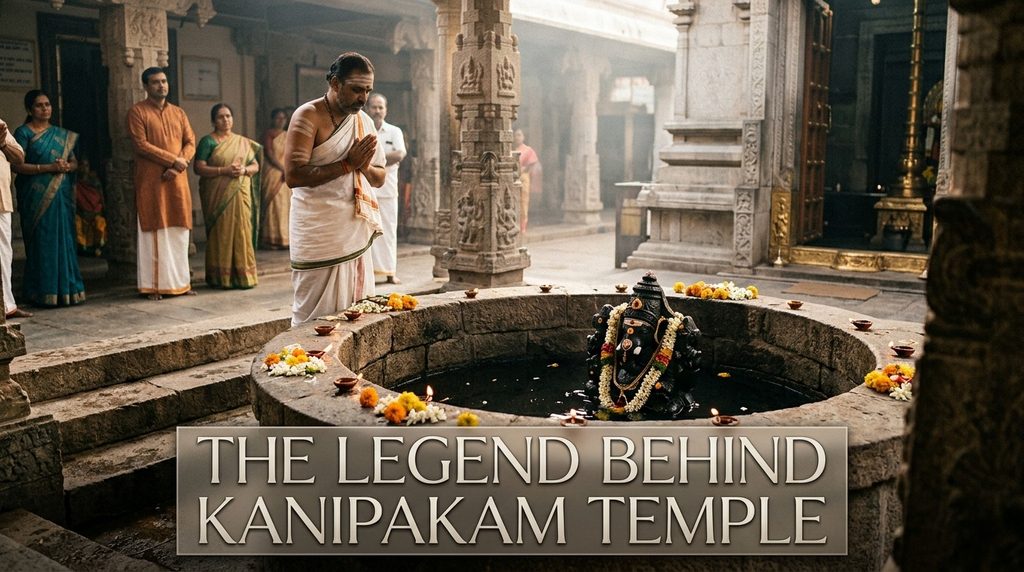
When they encountered a well and began digging to find water, tradition says they discovered a mysterious idol of Lord Vinayaka.
The Discovery of the Idol
The story describes water appearing from the spot where the idol was found, eventually filling the well. Devotees regard this event as the divine beginning of the Kanipakam shrine.
The temple tradition further holds that the idol remains within the original well, with water surrounding its base. This distinctive setting is one of the features that makes the shrine so memorable to visitors.
The History of Kanipakam Temple
Origins and Development
The shrine has ancient roots, while the temple complex developed through different periods of patronage and renovation. Historical accounts connect the growth of the temple with regional rulers and later developments that transformed it into an important pilgrimage center.
Over time, the temple became increasingly associated with Lord Varasiddhi Vinayaka and developed a strong reputation among Ganesha devotees.
A Living Religious Heritage
The importance of Kanipakam does not come only from its history. Daily worship, special rituals, festivals, and pilgrimages continue to shape the temple’s identity.
This combination of tradition and active worship gives travelers an opportunity to experience heritage in a living form rather than simply observing an old monument.
Exploring the Temple Architecture
Traditional South Indian Design
The temple reflects the architectural character commonly associated with South Indian Hindu temples, with decorated gateways, shrines, halls, and ceremonial spaces arranged around the sacred center.
While the central idol is the spiritual focus, the surrounding architecture helps create the sense of entering a distinct sacred environment.
The Sacred Well
One of the most unusual features is the association of the idol with the well described in the temple’s origin story. Devotees believe the idol remains in the water-filled area where it was discovered.
This gives the central shrine a character that differs from many conventional temple sanctums.
Religious Significance of Lord Varasiddhi Vinayaka
Ganesha as the Remover of Obstacles
Lord Ganesha is widely worshipped in Hindu tradition as the deity associated with wisdom, beginnings, and the removal of obstacles. This makes Ganesha temples especially popular with people starting new ventures, journeys, studies, marriages, and other important stages of life.
At Kanipakam, this devotion is strengthened by the temple’s unique Swayambhu tradition.
Why Devotees Visit
Pilgrims come to seek blessings for family, prosperity, health, education, business, and important personal decisions. The exact reasons are personal and vary from visitor to visitor.
For travelers, observing these devotional practices respectfully can provide a deeper understanding of the temple’s cultural importance.
Best Time to Visit Kanipakam Temple
Cooler Months
The cooler months generally offer a more comfortable environment for exploring Kanipakam and nearby destinations in Andhra Pradesh. October through February can be particularly pleasant for travelers who want to combine temple visits with wider sightseeing.
However, festival dates can bring much larger crowds than ordinary days.
Festival Season
If your goal is to experience the temple at its most energetic, visiting during a major festival can be memorable. If you prefer a calmer darshan experience, consider traveling outside peak festival periods.
| Travel Period | What to Expect |
| October–February | More comfortable weather |
| March–May | Hotter conditions |
| June–September | Monsoon influence and occasional rain |
| Festival periods | Large crowds and vibrant celebrations |
| Ordinary weekdays | Often more manageable for relaxed visits |
Kanipakam Temple Timings and Darshan
Check Before Traveling
Temple timings can change because of daily rituals, festivals, special ceremonies, and administrative arrangements. Visitors should verify the latest schedule through official temple or tourism information before traveling.
It is also wise to allow additional time for queues, particularly during weekends and religious celebrations.
Darshan Experience
The experience inside a popular pilgrimage temple can be very different from visiting a museum or historical monument. You may need to follow designated queues and move according to the temple’s crowd-management arrangements.
Patience is particularly valuable during busy periods.
Festivals at Kanipakam Temple
Brahmotsavam
Brahmotsavam is one of the most important annual celebrations at Kanipakam. The festival brings elaborate rituals, processions, decorations, and large numbers of devotees to the temple.
The atmosphere during festival days can be colorful and intense, offering travelers a vivid view of local religious culture.
Vinayaka Chavithi
Vinayaka Chavithi, the festival celebrating Lord Ganesha, is another significant occasion. The temple becomes especially active as devotees gather to offer prayers and participate in religious observances.
Travelers visiting during major celebrations should expect crowded roads, busy temple surroundings, and longer waiting times.
How to Reach Kanipakam Temple
By Road
Kanipakam is well connected by road with Chittoor and other nearby towns. Buses, taxis, and private vehicles are commonly used by pilgrims and travelers.
If you are creating a broader South Indian itinerary, the temple can be included as a cultural stop while exploring the Chittoor region.
By Rail
Chittoor is the nearest major railway station commonly used by visitors traveling to Kanipakam. From the station, you can continue by taxi, bus, or other local transport.
Check current train schedules before finalizing your travel plans.
By Air
Tirupati Airport is a practical air gateway for travelers coming from farther away. From the airport, Kanipakam can be reached by road.
Travel time depends on traffic and road conditions, so allow a comfortable buffer when planning connections.
Places to Visit Near Kanipakam Temple

Chittoor
Chittoor provides a convenient base for exploring Kanipakam and other attractions in the region. The city also offers accommodation, restaurants, transport connections, and everyday local experiences.
Tirupati
Travelers with additional time can combine Kanipakam with Tirupati, one of India’s most important pilgrimage destinations. The two locations can work well within a wider Andhra Pradesh temple itinerary.
Other Regional Temples
The surrounding region contains numerous religious and cultural sites, making Kanipakam a useful stop for travelers interested in temple architecture and pilgrimage traditions.
Rather than rushing through multiple temples in one day, consider allowing enough time to appreciate the distinctive history of each destination.
Where to Stay Near Kanipakam
Staying in Kanipakam
Simple accommodation and pilgrim-oriented facilities are available around the temple area. Staying nearby can be convenient if your priority is an early darshan or participation in temple rituals.
Staying in Chittoor or Tirupati
For travelers who want more accommodation choices, Chittoor and Tirupati can provide a wider range of hotels and services.
Your choice depends on whether you prioritize proximity to the temple or broader travel convenience.
Food and Local Travel Experience
South Indian Food
Visitors can expect familiar regional dishes such as idli, dosa, vada, pongal, rice meals, sambar, and other vegetarian options around pilgrimage areas.
Simple local food can be especially enjoyable after spending time in temple queues or exploring nearby attractions.
Respecting Local Traditions
Dress modestly, follow temple instructions, and avoid disturbing worshippers. Photography may be restricted in certain areas, so always follow posted rules.
Remember that Kanipakam is primarily a place of worship, not simply a tourist attraction.
Practical Tips for Visiting Kanipakam Temple
Plan Around Crowds
Weekends, public holidays, festivals, and special religious occasions can become very busy. Arriving earlier can help you manage your time more comfortably.
If your schedule is flexible, an ordinary weekday may provide a more relaxed experience.
What to Carry
Carry water, basic sun protection, comfortable clothing, and only essential belongings. Keep valuables secure, particularly when moving through crowded areas.
A flexible itinerary is also useful because temple visits can take longer than expected.
| Visitor Need | Helpful Tip |
| Temple visit | Check current timings before departure |
| Crowded days | Arrive early |
| Clothing | Wear modest, comfortable clothes |
| Photography | Follow temple restrictions |
| Summer travel | Carry water and sun protection |
| Festival visits | Expect large crowds |
| Accommodation | Book ahead during major events |
| Transport | Confirm return options in advance |
Why Kanipakam Temple Is a Memorable Journey
Kanipakam Temple has a distinctive identity because its spiritual importance is closely tied to the story of its naturally manifested Ganesha idol. The temple’s traditions, architecture, rituals, and festivals create an experience that feels deeply rooted in the local culture.
For travelers, the greatest appeal is not simply the opportunity to see a famous temple. It is the chance to witness how faith, legend, community, and daily life come together around a sacred place.
FAQs
What is Kanipakam Temple famous for?
Kanipakam Temple is famous for its Swayambhu Sri Varasiddhi Vinayaka idol, which devotees traditionally believe manifested naturally and continues to grow.
Where is Kanipakam Temple located?
Kanipakam Temple is located in Kanipakam near Chittoor in Andhra Pradesh, making it a convenient pilgrimage stop within the region.
What is the best time to visit Kanipakam Temple?
October to February is generally more comfortable for travel, while festival periods offer a vibrant experience but can bring very large crowds.
How can I reach Kanipakam Temple?
Kanipakam can be reached by road from Chittoor and nearby cities. Chittoor railway station and Tirupati Airport are commonly used transport gateways for visitors.
How much time should I spend at Kanipakam Temple?
A few hours can be enough for the main temple visit, but you should allow extra time during weekends, festivals, and other busy pilgrimage periods.
Conclusion
Kanipakam Temple is a destination where legend and living devotion come together in a remarkably personal way. The story of the self-manifested Sri Varasiddhi Vinayaka idol gives the temple its distinctive identity, while centuries of worship, traditional architecture, and vibrant festivals have transformed Kanipakam into an important pilgrimage center. For travelers, the experience offers far more than a glimpse of a historic shrine.
Take your time, approach the temple respectfully, and allow yourself to notice the details beyond the main darshan. The prayers, flowers, local streets, festival traditions, and stories surrounding the shrine all contribute to its character. Whether you arrive as a devotee or a curious traveler, Kanipakam Temple offers a memorable encounter with the spiritual and cultural richness of Andhra Pradesh.
Read moore:Arunachalam Temple Travel Guide: History, Architecture, Girivalam & Travel Tips 2026

I am a travel enthusiast who loves exploring India’s beautiful destinations, culture, history, food, and hidden places. Through my travel website, I aim to help travelers discover amazing places in India and plan memorable trips with useful travel information and tips.