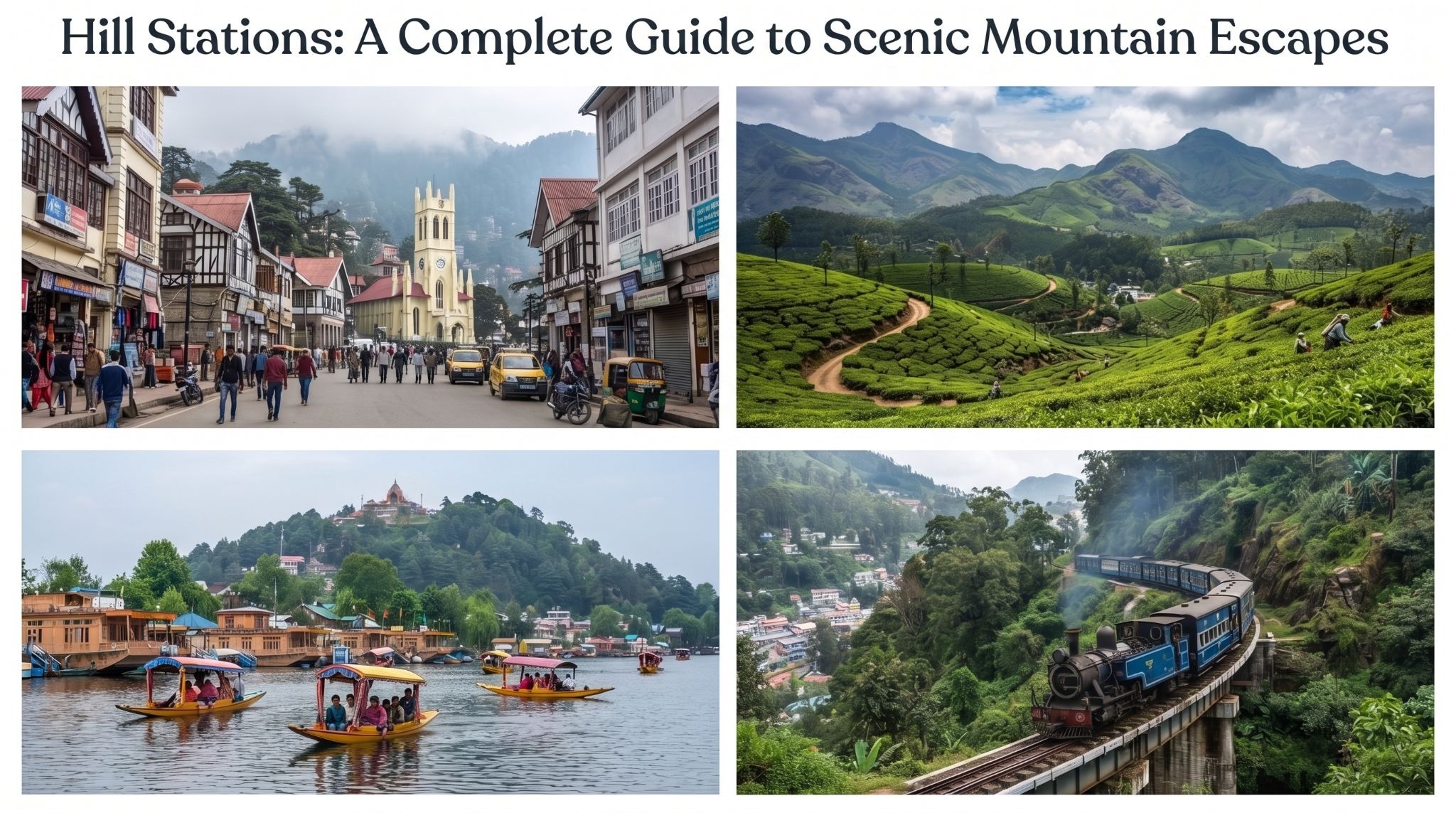
Hill stations offer a refreshing change from crowded cities, busy roads and rising temperatures. Perched among mountains, forests and valleys, these destinations attract travellers who want cooler weather, beautiful scenery and a slower pace of life. Whether you enjoy peaceful walks, dramatic viewpoints, local culture or outdoor adventures, a mountain escape can offer a completely different travel experience.
From famous Himalayan towns to quieter mountain communities, these elevated destinations come in many forms. Some are known for colonial architecture and lively markets, while others are valued for forests, lakes and remote landscapes. This guide explores what makes these mountain destinations special and how to plan a comfortable and rewarding trip.
Why Hill Stations Are Popular Travel Destinations
Hill Stations have long been popular because they combine natural beauty with a sense of escape. Higher elevations often bring cooler temperatures than nearby plains, while mountains and forests create opportunities for sightseeing, walking and outdoor recreation.
Many mountain towns also have distinct local identities. Architecture, food, markets and cultural traditions can vary considerably from one region to another. A visit is therefore not only about reaching a viewpoint. It can also be an opportunity to experience regional life at a slower pace.
The appeal changes with the season. Summer often attracts travellers looking for relief from heat, while winter can bring snow to suitable mountain regions. Spring and autumn may offer clear views and pleasant conditions in many destinations.
| Travel Experience | What Visitors Can Enjoy | Best Suited For |
| Scenic sightseeing | Valleys, viewpoints, forests and mountain landscapes | Nature lovers and photographers |
| Relaxed holidays | Cooler weather, quiet walks and slower days | Families and couples |
| Outdoor activities | Hiking and other location dependent activities | Active travellers |
| Cultural exploration | Local food, markets, architecture and traditions | Curious travellers |
| Seasonal travel | Flowers, green landscapes or snowfall depending on location | Repeat visitors |
Best Time to Visit Hill Stations
The best time to visit Hill Stations depends heavily on their location and altitude. There is no single season that works perfectly for every mountain destination.
Summer for Cooler Weather
In many regions, summer is the busiest period because travellers from warmer cities head toward higher elevations. Conditions can be more comfortable, although popular destinations may also become crowded.
Spring and Autumn for Pleasant Conditions
Spring and autumn are often attractive for travellers who prefer moderate temperatures and seasonal scenery. Clearer conditions can improve mountain views, although weather always varies by destination and year.
Winter for Snow and Quiet Landscapes
Some higher mountain areas receive snowfall during winter. This can create beautiful scenery but may also affect road conditions and transport. Travellers should always check local forecasts and road updates before planning a winter journey.
| Season | Typical Travel Experience | Planning Consideration |
| Spring | Fresh landscapes and changing seasonal scenery | Weather can vary with altitude |
| Summer | Cooler escape from hot lowland areas | Popular places may be busy |
| Autumn | Pleasant conditions and scenic views in many regions | Temperatures can fall quickly |
| Winter | Snow in suitable high altitude destinations | Transport may be affected |
Top Attractions in Hill Stations
The attractions in Hill Stations vary according to geography and local history. However, certain experiences are common across many mountain destinations.
Scenic Viewpoints
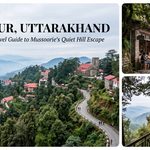
Viewpoints are often among the most popular attractions because they reveal valleys, forests, mountain ranges or surrounding settlements. Early morning and late afternoon can offer particularly pleasant light for photography, although visibility depends on weather conditions.
Lakes and Natural Landscapes
Many mountain regions feature lakes, rivers, waterfalls and forested areas. These places are ideal for relaxed sightseeing, but visitors should respect local environmental rules and avoid leaving waste behind.
Historic Areas and Local Architecture
Some well known mountain towns developed during earlier historical periods and contain distinctive buildings, churches, temples, mosques or traditional homes depending on the region. Exploring older neighbourhoods can provide a deeper understanding of the destination beyond its scenery.
Local Markets
Markets are useful places to discover regional food, handicrafts and everyday life. Rather than rushing through them, take time to observe local products and ask respectfully about traditional items.
Things to Do in Hill Stations
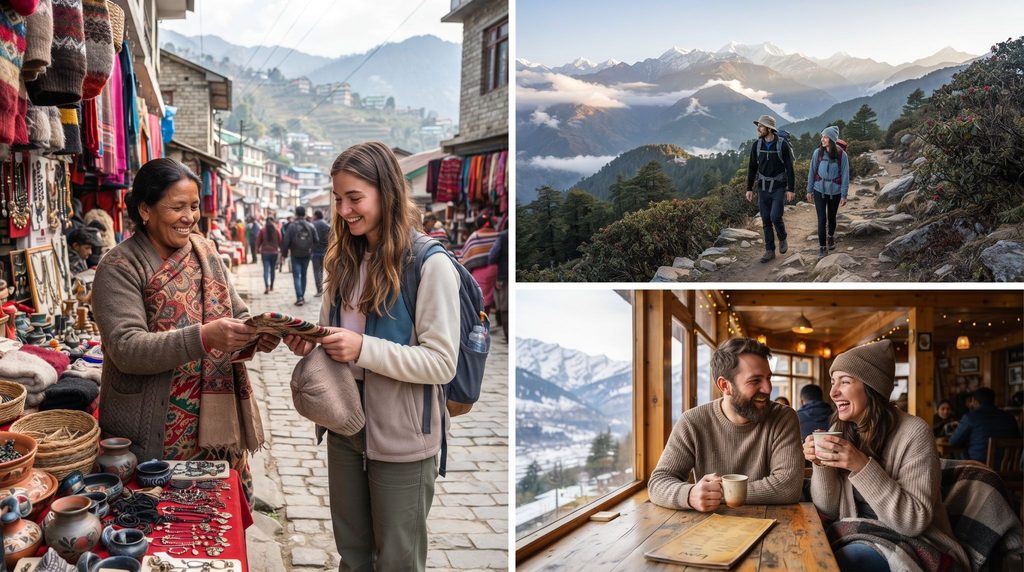
Hill Stations can suit both travellers who prefer quiet holidays and those who enjoy more active experiences.
Walking is one of the simplest ways to experience a mountain town. Short routes through markets, forests or quieter neighbourhoods often reveal details that are easy to miss from a vehicle.
Hiking can be another rewarding option, but routes should be selected according to fitness, weather and local conditions. For unfamiliar or remote trails, using reliable local guidance can improve safety and help travellers understand the environment.
Photography is also popular. Mountains can change appearance dramatically as clouds move across valleys and sunlight shifts throughout the day. Instead of focusing only on famous viewpoints, quieter streets and natural areas can produce equally memorable scenes.
Food is another important part of travel. Mountain regions often have dishes influenced by local agriculture, climate and cultural traditions. Choosing reputable local restaurants can add another dimension to the journey.
How to Reach Hill Stations
Reaching Hill Stations depends on the destination and regional transport network. Many are connected by road, while some popular mountain towns can also be reached through rail connections or nearby airports followed by road travel.
Road journeys are often part of the experience, especially where routes pass through valleys and mountain landscapes. However, mountain roads can be affected by weather, landslides or seasonal conditions.
Before travelling, check current transport information through reliable local or official sources. Allow extra time for mountain journeys because travel can take longer than similar distances on flat roads.
| Transport Option | When It Can Be Useful | Important Consideration |
| Private car or taxi | Flexible sightseeing and smaller groups | Road conditions can change |
| Bus or shared transport | Budget conscious travel | Schedules may vary |
| Train where available | Comfortable access to certain regions | Connections may require advance planning |
| Air travel followed by road | Long distance journeys to remote regions | Final mountain transfer may take several hours |
Culture and Local Experiences in Hill Stations
Hill Stations are more than scenic destinations. They are also communities where people live and work throughout the year. Travellers can have a more meaningful experience by learning about local customs and supporting responsible businesses.
Try regional food when possible and purchase locally made products from reputable sellers. Respect cultural and religious sites by following local expectations regarding clothing, photography and behaviour.
Simple interactions can also enrich a trip. A conversation with a shop owner, guide or host may reveal useful recommendations that do not appear in standard travel guides.
Responsible tourism is especially important in fragile mountain environments. Visitors should carry reusable water containers where practical, avoid littering and stay on designated paths in sensitive natural areas.
Where to Stay in Hill Stations
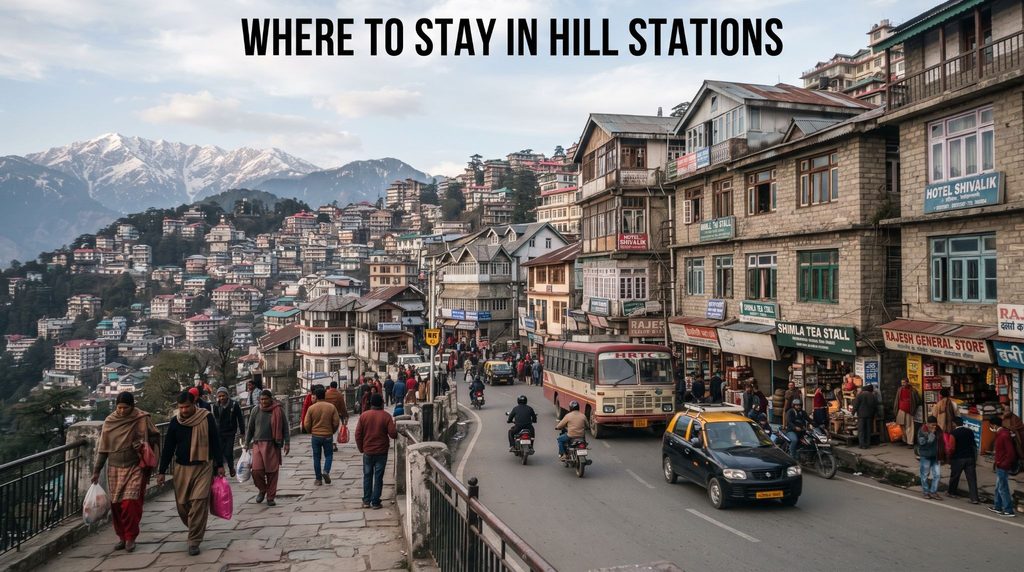
Accommodation ranges from simple guesthouses to established hotels and resorts, depending on the destination. The right choice depends on your travel style.
Central Locations
Staying near the main town can be convenient for restaurants, markets and local transport. It may also be busier, particularly during popular travel seasons.
Quiet Mountain Areas
Accommodation outside the busiest centre can provide more peaceful surroundings and better access to nature. However, travellers should consider transport availability, especially after dark or during poor weather.
Book in advance when visiting a popular destination during peak periods. Before confirming accommodation, check recent guest information and verify the location rather than relying only on promotional photographs.
Practical Travel Tips for Hill Stations
A successful mountain trip usually requires more preparation than a city break. Weather can change quickly, and temperatures may differ significantly between daytime and evening.
Pack layers rather than relying on one heavy outfit. Comfortable footwear is useful for uneven streets and walking routes. Rain protection may also be valuable depending on the season.
Keep travel plans flexible. Weather or road conditions can affect sightseeing schedules, especially in higher regions.
It is also wise to carry essential items such as identification, required travel documents and any regularly needed personal supplies. In remote destinations, access to certain services may be more limited than in large cities.
Most importantly, avoid trying to see everything in one day. Mountain travel is often more enjoyable when there is enough time to stop, walk and appreciate the surroundings.
Nearby Places to Explore from Hill Stations
Many Hill Stations can serve as a base for exploring nearby villages, forests, valleys and natural attractions. Day trips can add variety to a longer stay, but distances in mountainous terrain can be deceptive.
A destination that appears close on a map may require significant travel time because roads follow valleys and mountain slopes. Ask reliable local sources about current conditions before planning a day trip.
Combining a popular mountain town with one or two quieter nearby places can create a more balanced itinerary. This approach allows visitors to experience both well known attractions and less crowded landscapes.
FAQs about Hill Stations
What should I pack for a mountain holiday?
Pack clothing in layers, comfortable walking shoes, weather appropriate outerwear and essential personal items. Check the forecast shortly before departure because temperatures can change with altitude.
Are these destinations suitable for family travel?
Many mountain towns are suitable for families, particularly those with easy sightseeing options and reliable accommodation. Families should choose activities according to the age and mobility of everyone travelling.
Is advance booking necessary?
Advance booking is advisable during busy holiday periods and popular seasons. Less crowded periods may offer more flexibility, but availability can still vary by destination.
Can beginners enjoy hiking in mountain areas?
Yes, provided they choose suitable routes. Beginners should start with shorter established walks and avoid difficult or unfamiliar trails without proper preparation.
How many days are enough for a relaxing trip?
A short visit can cover major sights, but several days usually allow more time to explore at a comfortable pace. The ideal length depends on travel time and the number of nearby places you want to visit.
Conclusion
A mountain getaway is most rewarding when it is approached as more than a checklist of viewpoints. The best journeys leave room for slow mornings, changing weather, local food, unexpected scenery and quiet moments away from crowded routines.
Choose the season carefully, plan transport realistically and respect the communities and natural environments you visit. With thoughtful preparation and a flexible itinerary, these elevated destinations can offer experiences that remain memorable long after the journey home.
Read More: Romantic Sairya ka English title: A Romantic Journey

I am a travel enthusiast who loves exploring India’s beautiful destinations, culture, history, food, and hidden places. Through my travel website, I aim to help travelers discover amazing places in India and plan memorable trips with useful travel information and tips.