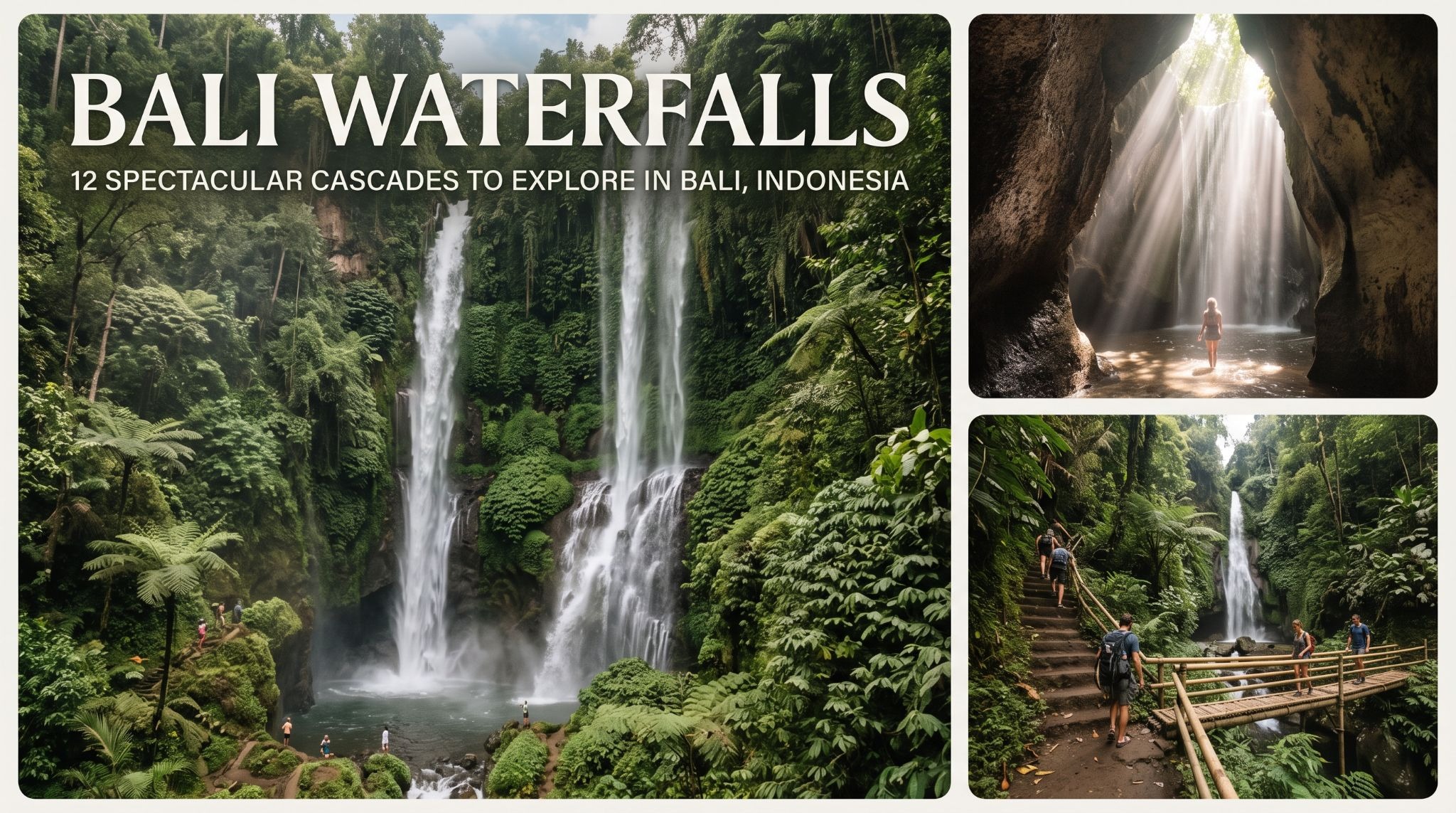
Bali’s waterfalls reveal a quieter, wilder side of the island, far removed from the beach clubs, busy resort towns, and crowded coastal roads. Hidden among tropical forests, tucked beneath emerald-green cliffs, and flowing through lush river valleys, these natural attractions offer some of the most memorable scenery in Indonesia. The journey to reach them can be just as rewarding as the waterfalls themselves, with jungle paths, rice terraces, traditional villages, and glimpses of everyday Balinese life along the way.
The best Bali waterfalls are not all alike. Some plunge dramatically into deep pools, others spread across broad rock formations, and a few reward visitors with peaceful forest surroundings that feel worlds away from the island’s busier attractions. Whether you want an adventurous trek, a refreshing swim, an unforgettable photography spot, or a relaxed nature excursion, this guide explores the waterfalls worth considering, when to visit, how to get around, and what to know before setting out.
Why Bali’s Waterfalls Deserve a Place on Your Itinerary
Bali’s mountainous interior receives substantial rainfall, particularly during the wet season. Combined with volcanic terrain, tropical vegetation, and numerous rivers and streams, this creates ideal conditions for waterfalls throughout the island.
Northern and central Bali are especially rewarding for waterfall exploration. Around Singaraja, Munduk, and the highlands of Buleleng Regency, water tumbles through forested ravines and steep valleys. Central Bali has its own collection of accessible cascades, making it possible to combine a waterfall excursion with temples, rice terraces, and traditional villages.
The experience changes considerably from one location to another. Some waterfalls are suitable for a short stop, while others require a longer walk down stone steps or forest trails. A few are popular swimming destinations, but strong currents, slippery rocks, and changing water levels can make swimming unsafe.
For travelers who want to experience more than Bali’s coastline, these natural attractions provide a compelling reason to spend time inland.
The Best Bali Waterfalls to Visit
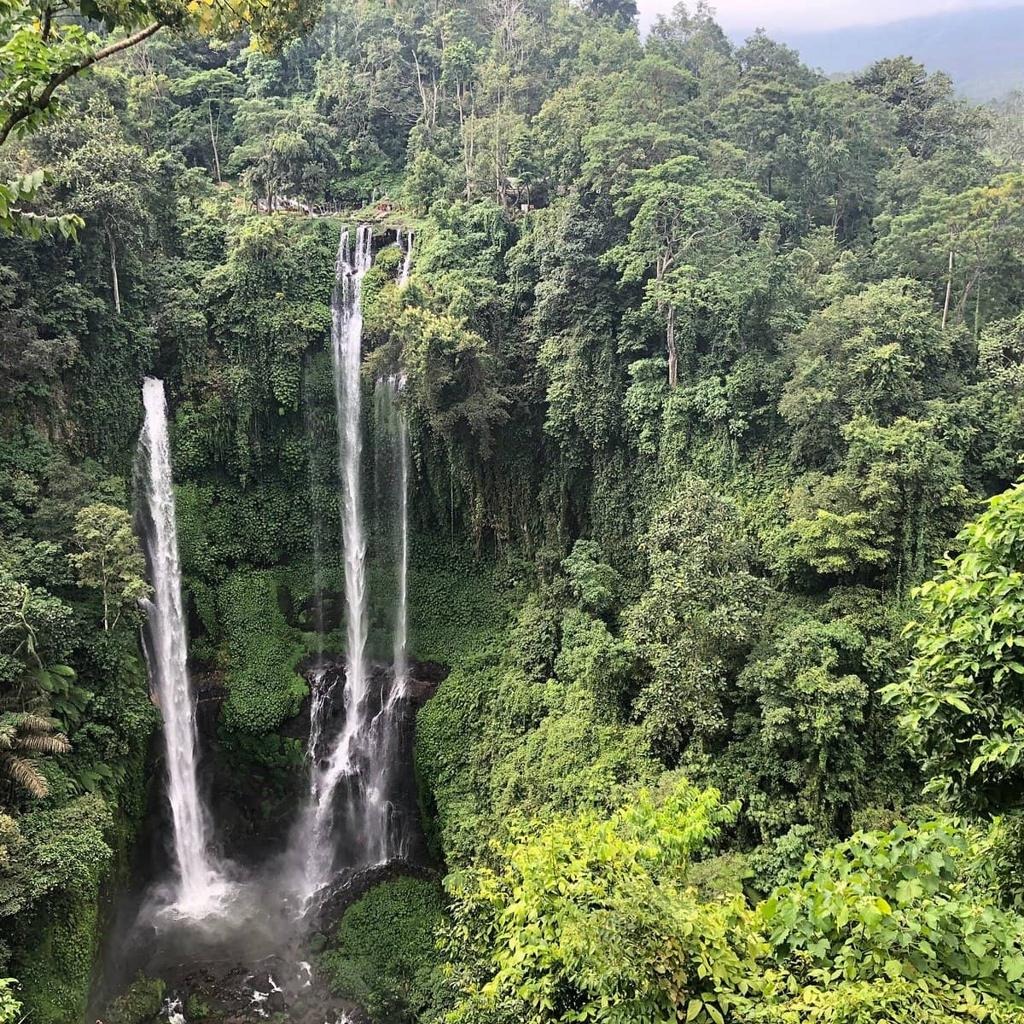
Each waterfall has a different character. The following destinations are among the most worthwhile choices for visitors, whether you are planning a dedicated waterfall trip or adding one stop to a wider Bali itinerary.
Sekumpul Waterfall: A Dramatic Jungle Spectacle
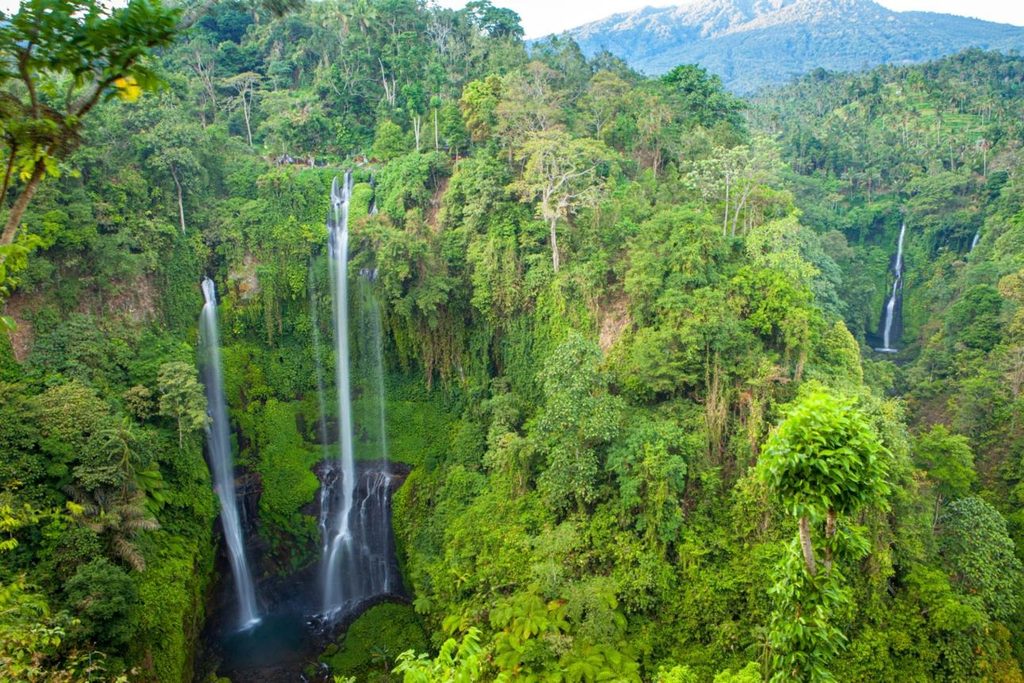
Sekumpul Waterfall is one of northern Bali’s most impressive natural sights. Rather than a single stream, the landscape features multiple cascades descending through a densely vegetated valley. From suitable viewpoints, the falls appear to emerge from the surrounding jungle, creating a striking scene of white water against deep green foliage.
Reaching the waterfall can involve steep steps, uneven paths, and river crossings, depending on the route and current conditions. It is best suited to travelers who are comfortable with physical activity and have enough time to explore without rushing.
The descent can be demanding, especially after rain, but the scale of the scenery makes Sekumpul a memorable choice for adventurous visitors.
Nungnung Waterfall: Power and Height
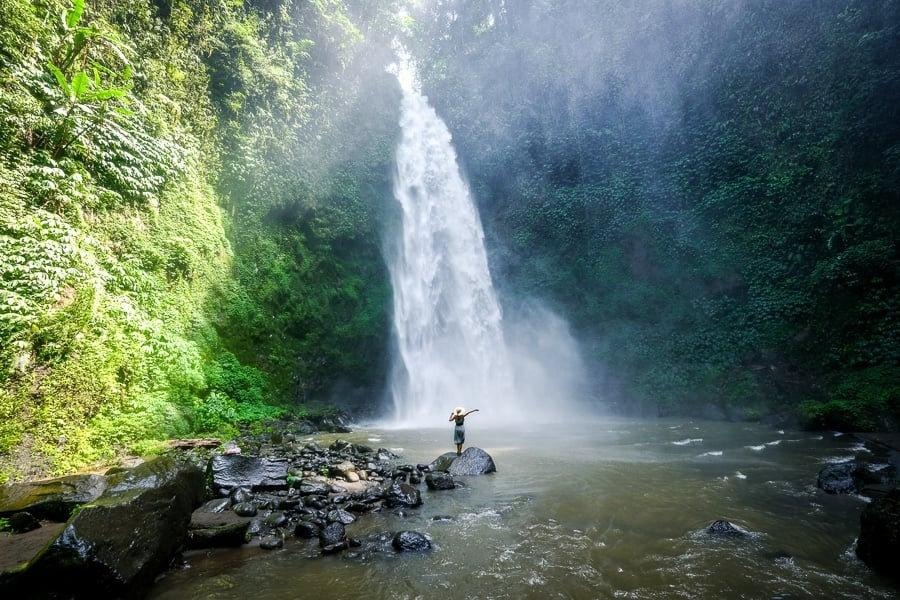
Located in Bali’s central highlands, Nungnung Waterfall is known for its powerful cascade and lush surroundings. Water drops into a rocky basin framed by tropical vegetation, creating a dramatic atmosphere that feels removed from the island’s urban areas.
The approach involves a substantial descent along steps. The return climb can be tiring, so bring water and allow time to rest. Spray near the waterfall can also make nearby surfaces slippery.
Nungnung is particularly appealing to travelers who enjoy dramatic natural scenery and do not mind working for the view.
Gitgit Waterfall: A Classic Northern Bali Stop
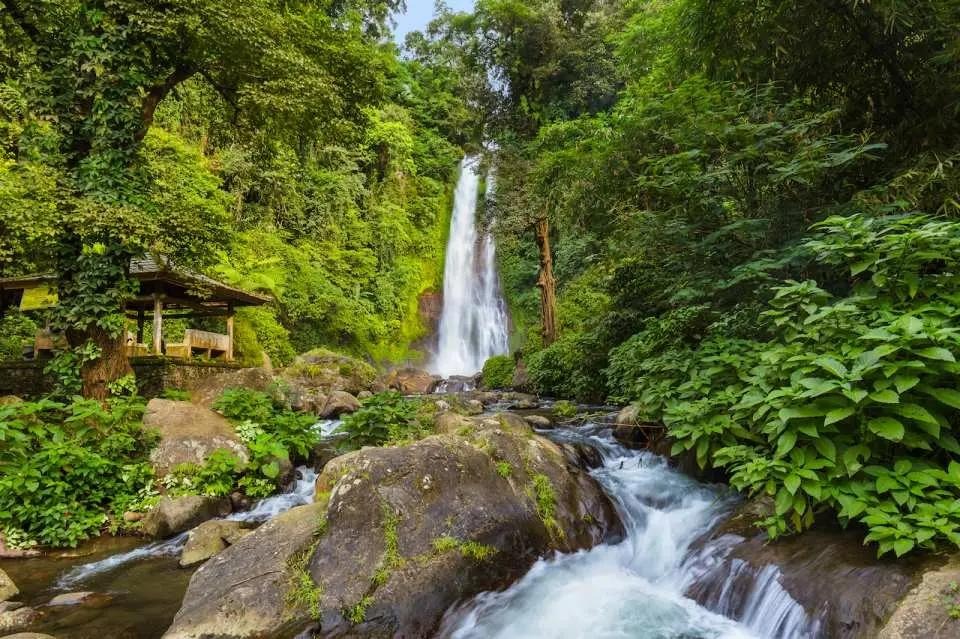
Gitgit Waterfall is one of the better-known waterfalls in northern Bali. Surrounded by tropical greenery, it is a popular stop for visitors exploring the highlands and the area around Singaraja.
The waterfall is often included in broader sightseeing routes, making it practical for travelers who want to see a cascade without committing to a particularly demanding expedition. The surrounding vegetation and flowing water also make it attractive for nature photography.
Conditions on the approach can vary, so comfortable footwear remains important even when the walk seems manageable.
Tukad Cepung Waterfall: A Waterfall Inside a Rocky Ravine
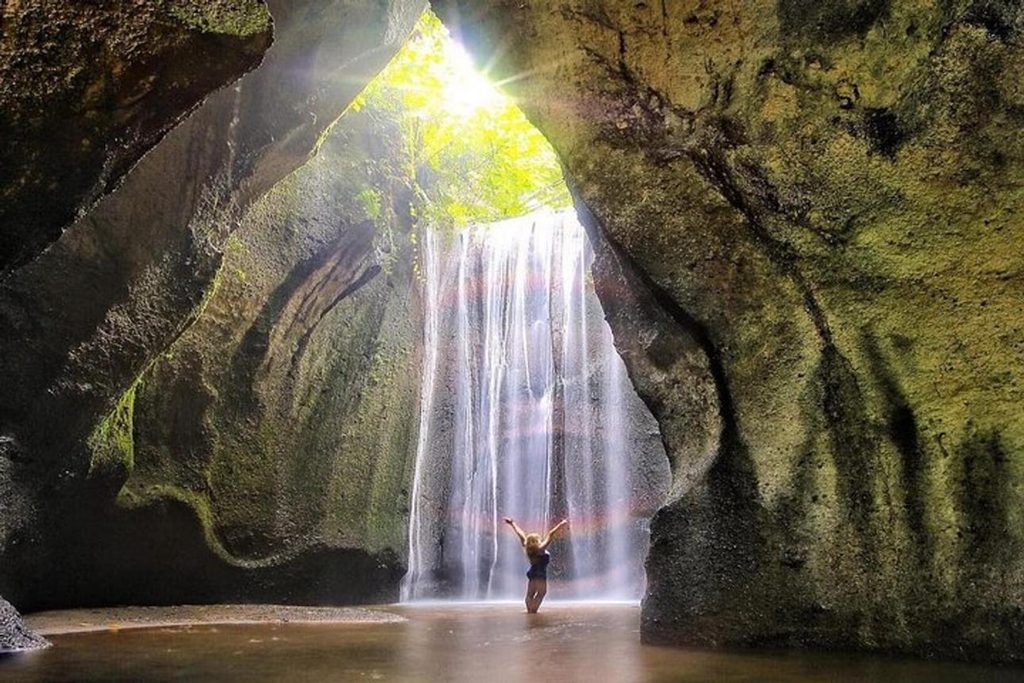
Tukad Cepung, in the Bangli area, is famous for its unusual setting. The waterfall sits within a narrow, enclosed rocky ravine, where sunlight can filter through openings above and illuminate the falling water.
When the light and weather cooperate, the result is one of Bali’s most distinctive waterfall photography opportunities. The enclosed setting, however, means the experience depends on more than sunshine alone. Water levels, visitor numbers, and the condition of the access route all influence the visit.
Expect steps and sections that may be wet underfoot. Arriving early can help you enjoy the surroundings before the busiest part of the day.
Banyumala Twin Waterfall: A Peaceful Forest Setting
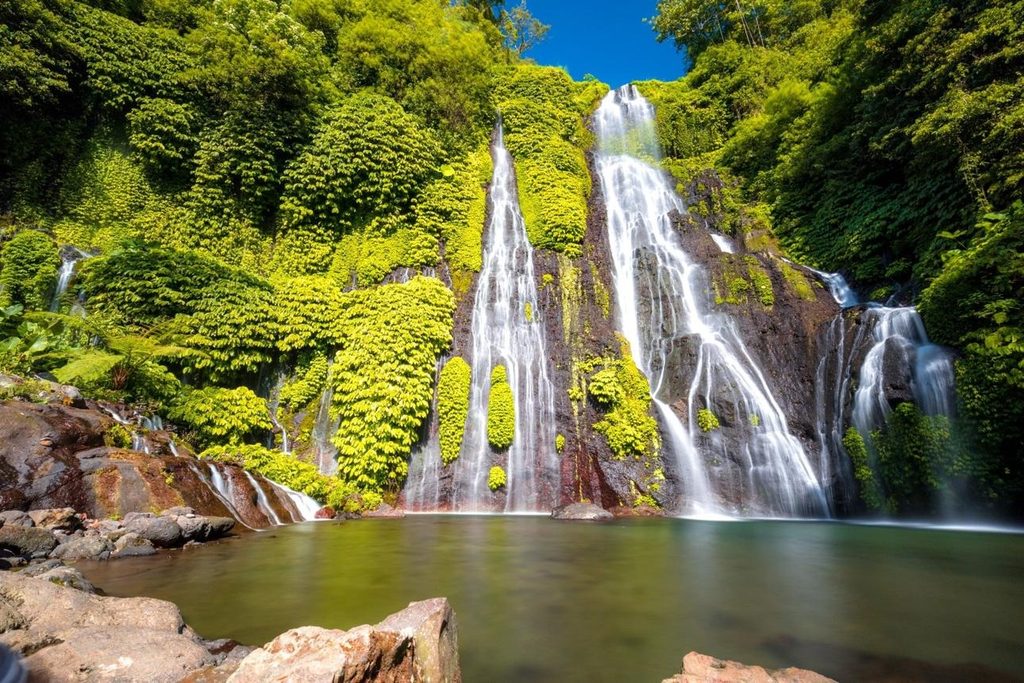
Banyumala Twin Waterfall, in the northern highlands, is known for its two main streams descending over a green rock face. Smaller rivulets often spread across the surrounding cliff, giving the waterfall a layered appearance.
Its forest setting makes it a lovely destination for travelers who want to spend time in nature rather than simply photograph a famous landmark. The descent can be uneven, and the final approach may be slippery, but the scenery rewards a patient visit.
Swimming may be possible when conditions permit, although the safety of the pool should always take priority over the appeal of a photograph.
Tegenungan Waterfall: Convenient and Lively
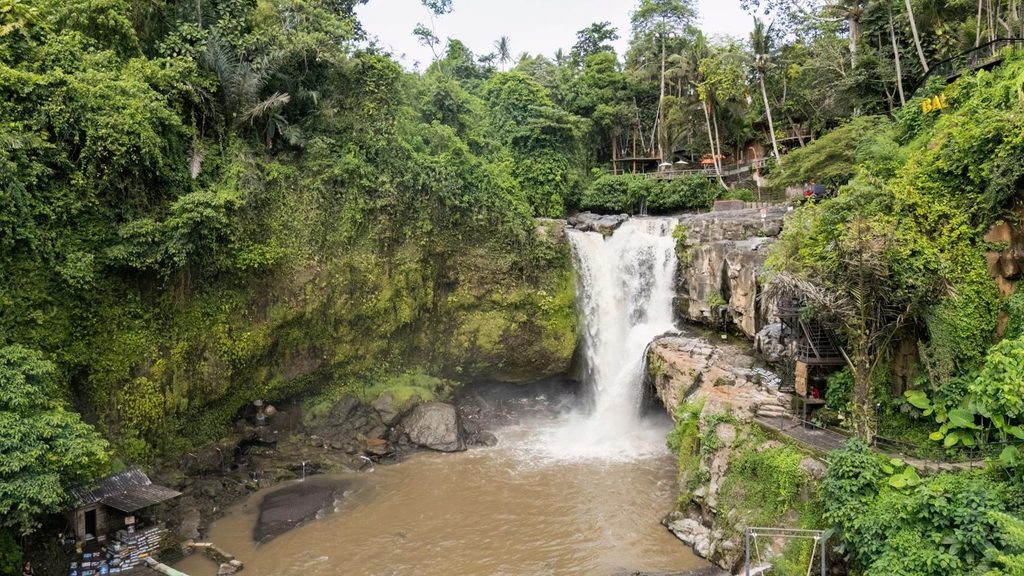
Tegenungan Waterfall is one of the most accessible choices for travelers staying around Ubud or southern Bali. Located near the village of Kemenuh, it is a popular excursion for visitors who want to see a substantial waterfall without traveling deep into the northern highlands.
The cascade is broad and powerful, especially after rainfall. Stairs lead toward the waterfall area, and the surrounding visitor facilities make the site relatively convenient compared with more remote alternatives.
Its popularity is also its main drawback. Crowds can affect the atmosphere, particularly during busy travel periods, so an early visit is worth considering.
Leke Leke Waterfall: A Hidden-Looking Forest Retreat
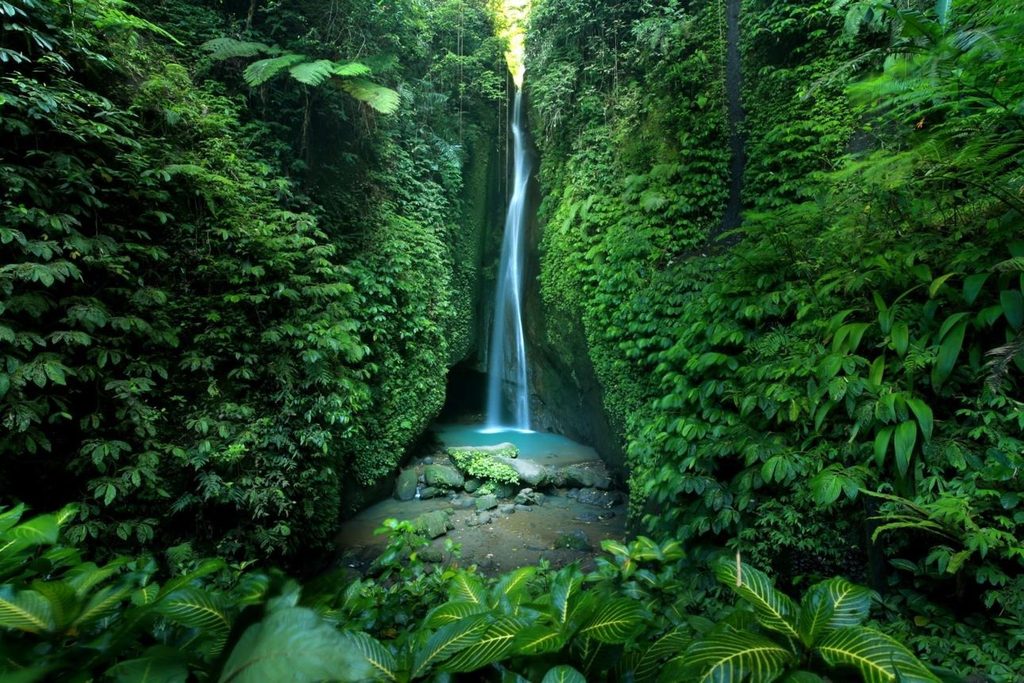
Leke Leke Waterfall is admired for its narrow stream dropping through a deep green forest setting. The waterfall’s slender shape creates a different visual effect from the broad, forceful cascades found elsewhere on the island.
A walk through tropical vegetation adds to the sense of escape, making this a good option for couples, photographers, and travelers who enjoy quieter natural scenery. The trail can be muddy or slippery after rain, so sturdy shoes are advisable.
Although it is often described as a hidden gem, Leke Leke is an established attraction. Visiting outside peak periods offers a better chance of enjoying its peaceful surroundings.
Aling-Aling Waterfall: For Adventure Lovers
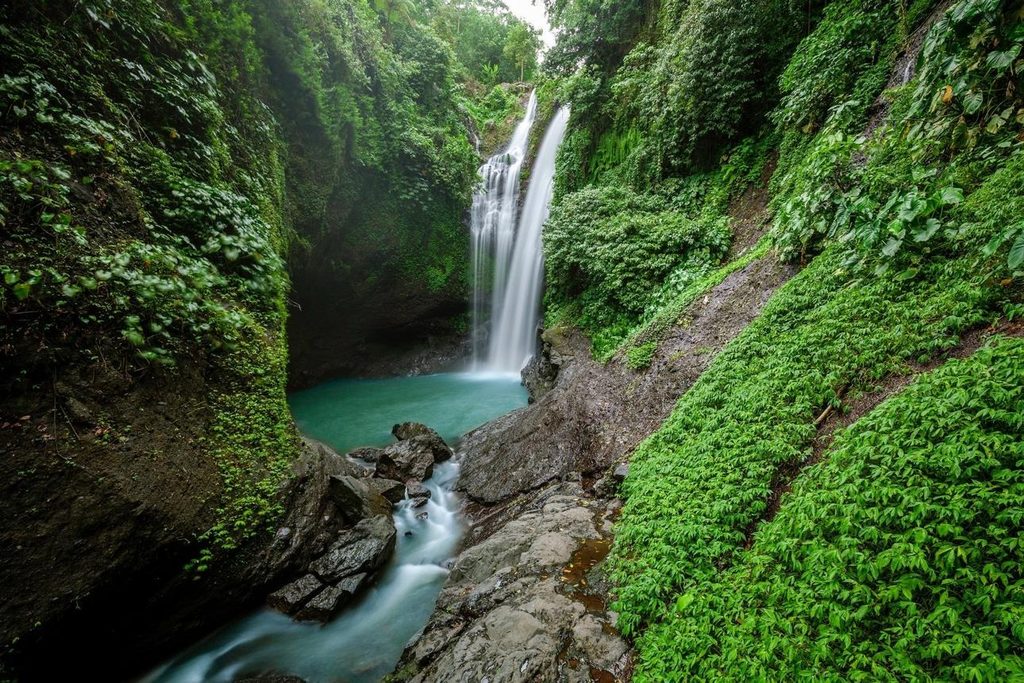
Aling-Aling Waterfall, near Sambangan in northern Bali, is particularly striking because of its height and lush surroundings. The main waterfall is admired primarily for its scenery, while the wider area is associated with adventure activities at designated nearby waterfalls.
Cliff jumping and sliding are sometimes promoted in this region, but they should never be treated as casual activities. Water depth, submerged rocks, currents, and seasonal conditions can change. Only consider such experiences through a reputable local operator who can assess conditions and explain the risks.
For visitors who prefer to stay on dry land, the forest landscape and waterfall viewpoints are reason enough to make the trip.
Kanto Lampo Waterfall: Cascading Water Over Dark Rock
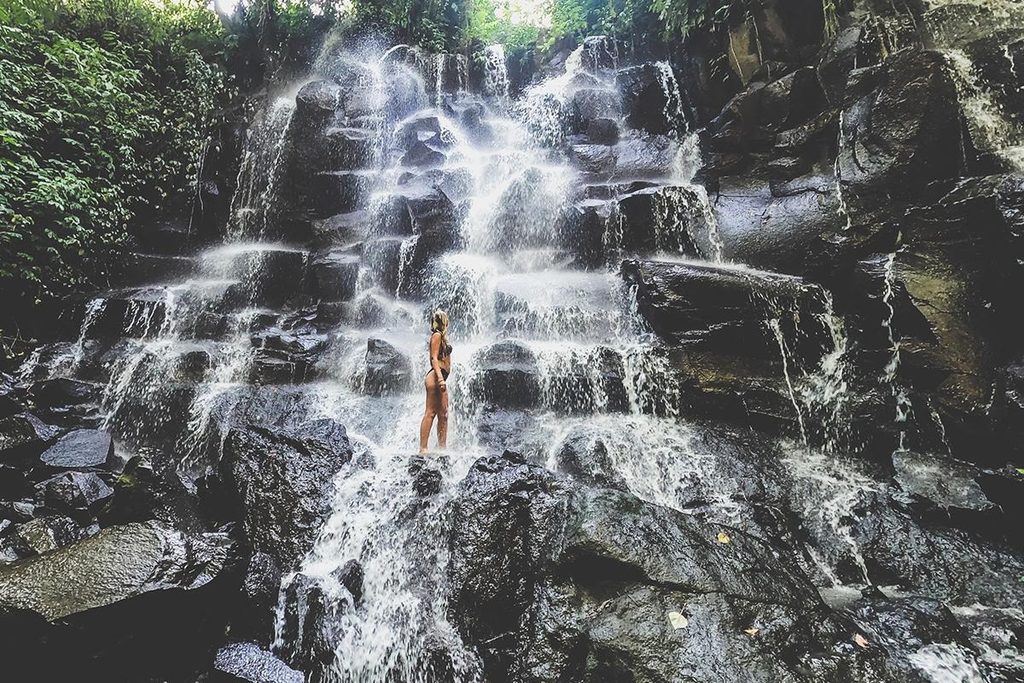
Kanto Lampo Waterfall, in Gianyar Regency, has a distinctive appearance. Instead of dropping in one uninterrupted column, water flows over a series of dark, stepped rock formations, creating a layered cascade.
The unusual rock face makes it a favorite for photography, particularly when the water spreads across the stones in thin, silver streams. Visitors often wade into shallow water near the falls for photographs, but rocks can be extremely slippery. Follow local instructions and avoid entering areas where the current is strong.
Its location makes Kanto Lampo a practical addition to a day of exploring the Gianyar region, especially for travelers based in Ubud.
Jembong Waterfall: A Green Escape Near the Northern Highlands
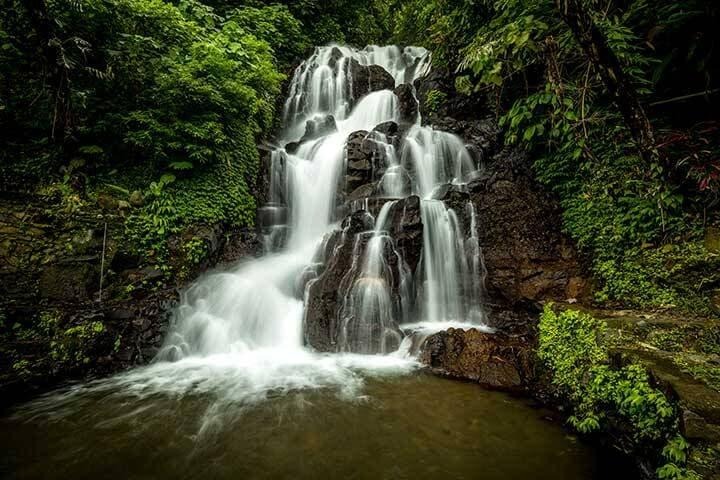
Jembong Waterfall is another worthwhile stop in northern Bali. Its surroundings are characterized by dense vegetation and a peaceful atmosphere, making it appealing to visitors who prefer a nature-focused excursion over a busy sightseeing attraction.
The waterfall is often associated with a gentler landscape than some of Bali’s more imposing cascades. The combination of greenery, flowing water, and shaded surroundings makes it a pleasant place to slow down.
Because northern Bali attractions can be spread across a wide area, consider combining Jembong with nearby destinations rather than making a separate long journey solely for this stop.
Banyu Wana Amertha: Several Cascades in One Area
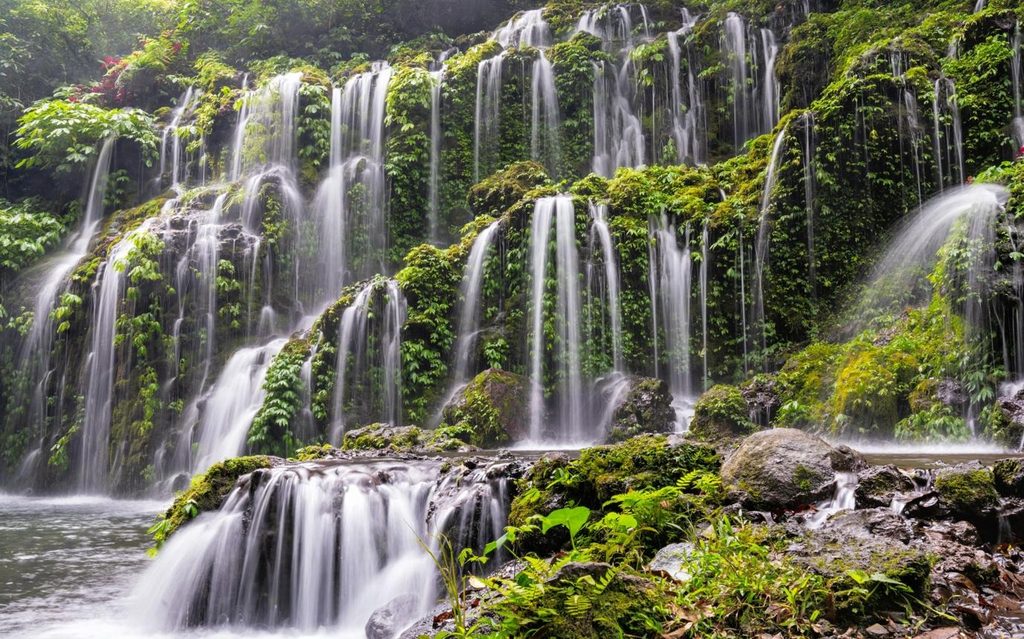
Banyu Wana Amertha is an excellent option for travelers who enjoy discovering different waterfall formations during one outing. The area is associated with several cascades, including broad, leafy curtains of water and narrower streams descending through tropical vegetation.
The variety is part of the attraction. Rather than seeing one waterfall and immediately returning to the road, visitors can explore a collection of natural features within the same general area.
Allow enough time for walking between the cascades, and check which paths are accessible when you arrive. Recent rainfall can affect trail conditions and the appearance of the waterfalls.
Bali Waterfalls Compared: Which One Should You Choose?
Choosing the right waterfall depends on where you are staying, how much walking you enjoy, and whether you care most about photography, scenery, swimming, or adventure.
| Waterfall | Best for | General experience | Location |
| Sekumpul | Dramatic scenery | Challenging jungle descent | North Bali |
| Nungnung | Powerful cascades | Steep stairway approach | Central highlands |
| Gitgit | Classic waterfall sightseeing | Established nature attraction | North Bali |
| Tukad Cepung | Photography | Enclosed rocky ravine | Bangli |
| Banyumala Twin | Forest scenery | Twin cascades and natural surroundings | North Bali |
| Tegenungan | Convenience | Popular, accessible excursion | Gianyar |
| Leke Leke | Couples and photographers | Narrow cascade in a green ravine | Central Bali |
| Aling-Aling | Adventure | Waterfall scenery and guided activities | North Bali |
| Kanto Lampo | Unique rock formations | Layered cascade | Gianyar |
| Jembong | A quieter nature stop | Green, relaxing surroundings | North Bali |
| Banyu Wana Amertha | Waterfall variety | Several cascades to explore | North Bali |
For a first visit, Tegenungan is convenient from Ubud, while Tukad Cepung offers a particularly distinctive setting. Travelers willing to spend more time exploring northern Bali should consider Sekumpul and Banyumala. If you want several different waterfalls in one area, Banyu Wana Amertha is worth investigating.
When Is the Best Time to Visit Bali Waterfalls?
Waterfalls in Bali can be visited throughout the year, but the experience changes with the seasons. Rainfall affects water volume, trail conditions, visibility, and whether swimming is advisable.
Bali generally has a drier season around April to October and a wetter season around November to March, although the timing and intensity of rain vary. During drier months, paths may be easier to navigate, but some waterfalls can have less dramatic flow. In wetter months, the cascades may become more powerful, while muddy trails and rising water levels require additional caution.
| Period | What to expect | Planning advice |
| April–May | Transition toward drier conditions; greenery often remains lush | A useful balance for hiking and sightseeing |
| June–September | Generally drier weather and more manageable trails | Start early and expect popular sites to attract visitors |
| October | Conditions may begin shifting toward the wet season | Check recent rainfall and trail conditions |
| November–March | Wetter weather and potentially stronger water flow | Avoid unsafe river crossings and follow local advice |
These are broad seasonal patterns rather than a guaranteed forecast. Conditions can differ between coastal areas and Bali’s mountainous interior.
Is the rainy season worth it?
It can be, especially if your priority is seeing waterfalls with substantial flow. However, heavy rain can make steep steps, rocks, and river crossings hazardous. A waterfall that looks spectacular in photographs may be unsuitable for swimming or even inaccessible on a particular day.
What time of day should you go?
Morning is usually a sensible choice. You can avoid some of the midday heat, enjoy softer light, and reach popular sites before the busiest hours. For Tukad Cepung, sunlight entering the ravine can create striking photographic effects, but the timing depends on the season, weather, and position of the sun.
How to Reach Bali’s Waterfalls
Most waterfalls are reached by road, followed by a walk. The main decision is whether to arrange a private driver, rent a scooter, or join an organized excursion.
Private driver
A private driver is often the most comfortable option for visiting several waterfalls in one day. It is particularly useful for families, couples, and travelers unfamiliar with Bali’s roads. You can plan a flexible route, carry spare clothes, and avoid navigating unfamiliar roads after a tiring hike.
Agree on the itinerary and any waiting arrangements beforehand. Northern Bali’s waterfalls are spread across mountainous terrain, so a day trip from southern resort areas can involve considerable time on the road.
Scooter rental
Scooters offer flexibility and can be practical for confident, experienced riders. However, Bali’s roads may be narrow, winding, congested, or slippery after rain. Mountain routes require particular care.
Only ride if you have the appropriate licence and insurance coverage, wear a proper helmet, and feel comfortable with local traffic conditions. A scooter is not automatically the best choice simply because it is cheaper.
Organized tours
A guided tour can simplify transport and help you understand local conditions. Some excursions combine waterfalls with temples, rice terraces, or viewpoints. Check how much walking is involved, whether entrance charges are included, and whether the itinerary leaves enough time at each stop.
| Transport option | Main advantage | Main consideration | Best suited to |
| Private driver | Flexible route and comfortable travel | Higher overall cost than independent transport | Families, couples, small groups |
| Scooter | Independence and flexibility | Requires riding experience and suitable documents | Confident, experienced riders |
| Organized tour | Convenient planning | Less freedom to change the schedule | First-time visitors |
| Local taxi or ride service | Useful for individual journeys where available | Return transport may be difficult in remote areas | Shorter trips and accessible locations |
For remote waterfalls, arrange your return journey before setting off. Mobile reception and transport availability can be less reliable in rural areas than around Bali’s main tourist centers.
What to Pack for a Waterfall Excursion
A little preparation makes a significant difference, particularly at waterfalls that require a steep walk or a descent into a valley.
Bring shoes with reliable grip. Sandals and smooth-soled footwear can be uncomfortable on wet steps, muddy trails, and uneven stones. If you plan to swim where it is permitted and safe, pack swimwear and a lightweight towel.
A practical day bag should include:
- Drinking water and a small snack.
- Comfortable walking shoes with good traction.
- Swimwear and a change of clothes.
- A waterproof pouch for your phone.
- Sunscreen and insect repellent.
- Cash for local expenses where card payments may not be available.
- A small first-aid kit for minor scrapes.
Keep valuables secure, and avoid carrying unnecessary equipment on steep trails. A heavy camera bag can make a difficult descent more tiring than expected.
Swimming, Safety, and Responsible Travel
Swimming is one of the biggest attractions of Bali’s waterfalls, but a beautiful pool is not necessarily a safe one. Water depth, currents, slippery rock surfaces, and submerged obstacles can be difficult to judge from the shore.
Follow posted restrictions and instructions from local staff. Do not jump from cliffs or ledges unless an activity is specifically permitted and supervised by qualified local operators. Even familiar swimming spots can become dangerous after heavy rainfall.
Before entering the water, consider the following:
- Check whether swimming is permitted at that particular waterfall.
- Avoid the water during heavy rain or when the current appears strong.
- Stay away from the base of powerful cascades where falling water can create hazardous conditions.
- Never assume a pool is deep enough for jumping.
- Keep children within close reach and supervise them continuously.
- Turn back if a trail, bridge, or river crossing looks unsafe.
Responsible travel matters beyond personal safety. Take rubbish with you, avoid damaging plants, respect local signs, and use established paths. Some waterfall areas are managed by local communities, and following their guidance helps preserve both the landscape and the visitor experience.
Photography Tips for Capturing Bali’s Waterfalls
Waterfalls can be challenging to photograph because the bright water contrasts with dark rocks and shaded vegetation. The best approach is often to slow down and pay attention to the surrounding landscape rather than photographing only the falling water.
For a wide composition, include the forest, cliff walls, or riverbed to show the scale of the setting. A vertical frame works particularly well for tall cascades such as Nungnung, while the layered rock formations at Kanto Lampo lend themselves to closer compositions.
Overcast conditions can be useful because they soften harsh contrasts. In bright conditions, look for shaded angles that preserve detail in the water. A tripod and a slower shutter speed can create a silky effect, but use them only where the ground is stable and there is enough space to set up safely.
At Tukad Cepung, the interplay of sunlight and shadow is central to the scene. Arrive with enough time to observe how the light falls, and be considerate of other visitors waiting for photographs.
Protect your camera and phone from spray. A waterproof pouch is useful around the water, but it does not replace careful handling near slippery edges.
Where to Stay for Easy Waterfall Access
Your accommodation base can shape how many waterfalls you can comfortably visit. Bali’s roads and mountainous terrain make location more important than a map might suggest.
Ubud: A practical central base
Ubud works well for waterfalls in Gianyar and parts of central Bali, including Tegenungan and Kanto Lampo. It also provides access to restaurants, accommodation across different budgets, cultural attractions, and other inland excursions.
It is a sensible choice if waterfalls are one part of a broader Bali holiday rather than the main focus.
Munduk and the northern highlands: For nature-focused trips
Staying in the northern highlands puts you closer to several waterfall areas, including Banyumala and attractions around Munduk and Buleleng. The cooler highland atmosphere and forested scenery make this region appealing to travelers who prefer nature, walking, and quieter evenings.
An overnight stay can make a northern waterfall itinerary far more relaxed than driving there and back from southern Bali in one day.
Southern Bali: Best for beaches and nightlife
Areas such as Seminyak, Canggu, and the Bukit Peninsula are better suited to travelers prioritizing beaches, dining, and nightlife. Waterfall excursions are still possible, but reaching northern Bali can take a substantial part of the day.
If waterfalls are a major reason for your trip, consider spending at least one night inland rather than treating every excursion as a return journey from the coast.
A One-Day Bali Waterfall Itinerary
A successful waterfall day is less about visiting as many places as possible and more about choosing attractions that fit together geographically. Spending too much time driving between distant locations can leave little energy for the walks themselves.
Option 1: A relaxed day from Ubud
Start with Tegenungan Waterfall, then continue to Kanto Lampo if conditions and your schedule allow. These two Gianyar attractions make a more practical combination than attempting to reach several northern waterfalls in the same day.
Afterward, return to Ubud for a relaxed afternoon exploring its cafés, shops, or cultural attractions.
Option 2: A full day in northern Bali
Choose a northern Bali base and focus on a small group of waterfalls, such as Sekumpul and Banyumala Twin Waterfall. Depending on the exact route, trail conditions, and time available, you may prefer to visit just one thoroughly rather than rush between several.
| Itinerary | Suggested stops | Recommended pace |
| Central Bali | Tegenungan and Kanto Lampo | Relaxed, with time for breaks |
| Northern Bali | Sekumpul and Banyumala Twin | Full day, with substantial walking |
| Bangli area | Tukad Cepung and nearby cultural attractions | Half to full day |
| Nature-focused stay | Waterfalls around Munduk and Buleleng | One or more days |
These are planning suggestions, not fixed schedules. Confirm current access arrangements before departure, and allow extra time for road traffic, walking, and changing weather.
Nearby Attractions Worth Combining With Waterfalls
Waterfalls fit naturally into a wider exploration of Bali’s interior. Depending on your route, you can pair a morning in the forest with cultural landmarks, highland scenery, or a meal in a local village.
Tegallalang Rice Terraces
The Tegallalang area is known for its sculpted rice terraces and layered green landscapes. It can complement a central Bali itinerary, particularly if you are staying in Ubud.
Ulun Danu Beratan Temple
Located beside Lake Beratan in the Bedugul highlands, Ulun Danu Beratan is known for its lakeside temple setting and mountain scenery. It makes a natural companion to a northern or central highlands excursion, although the best route depends on which waterfall you choose.
Lake Buyan and Lake Tamblingan
These highland lakes offer a different kind of natural scenery, with forested slopes and cooler surroundings. They are worth considering if you want a day that includes more than waterfall walks.
Local villages and Balinese food
Allow time for a meal along the way. Depending on the area, you may find small local eateries serving dishes such as nasi campur, mie goreng, or nasi goreng. Trying regional food adds another dimension to a day spent exploring Bali beyond its main resort areas.
Rather than squeezing all these attractions into one itinerary, choose the ones that lie naturally along your route.
FAQs
Which Bali waterfall is the most beautiful?
Sekumpul is an excellent choice for dramatic jungle scenery, while Banyumala Twin is admired for its twin cascades and lush surroundings. Tukad Cepung is especially distinctive because of its enclosed rocky setting. The best choice depends on whether you prefer grand landscapes, forest scenery, or unusual photographic compositions.
Can you swim at Bali’s waterfalls?
Swimming is possible at some waterfalls when conditions allow, but it is not permitted or safe everywhere. Water levels, currents, slippery rocks, and recent rainfall can change conditions quickly. Always follow local guidance and avoid swimming when the water is turbulent.
Are Bali’s waterfalls suitable for families with children?
Some are suitable for family outings, but the difficulty varies considerably. Tegenungan may be a convenient choice for families staying around Ubud, although its steps can still be challenging. Waterfalls involving steep descents, river crossings, or slippery trails require closer consideration, especially with young children.
How many waterfalls can you visit in one day?
Two waterfalls can make a comfortable day when they are relatively close together and involve manageable walks. More may be possible, but travel time, trail difficulty, weather, and crowds all affect the schedule. For remote northern waterfalls, focusing on one or two is often more rewarding.
Are Bali’s waterfalls worth visiting during the rainy season?
Yes, provided conditions are safe. Rainy-season waterfalls can have impressive water flow and lush surroundings, but trails may become muddy, and currents can be dangerous. Check local conditions before leaving and be prepared to change your plans if heavy rain makes access unsafe.
Conclusion
Bali’s waterfalls reveal a side of the island that deserves more than a quick stop between beach visits. From Sekumpul’s dramatic valley to Tukad Cepung’s unusual rocky setting, each offers a different way to experience the island’s forests, rivers, and mountainous interior.
The most rewarding trip is one that matches your interests and leaves room for the unexpected. Choose waterfalls that suit your fitness level, allow time to enjoy the surroundings, and take local safety advice seriously. With a thoughtful route and a little flexibility, a waterfall excursion can become one of the most memorable parts of your Bali holiday.
Read More: Wayanad Places: 15 Beautiful Places to Visit for Nature, Wildlife and Adventure

I am a travel enthusiast who loves exploring India’s beautiful destinations, culture, history, food, and hidden places. Through my travel website, I aim to help travelers discover amazing places in India and plan memorable trips with useful travel information and tips.