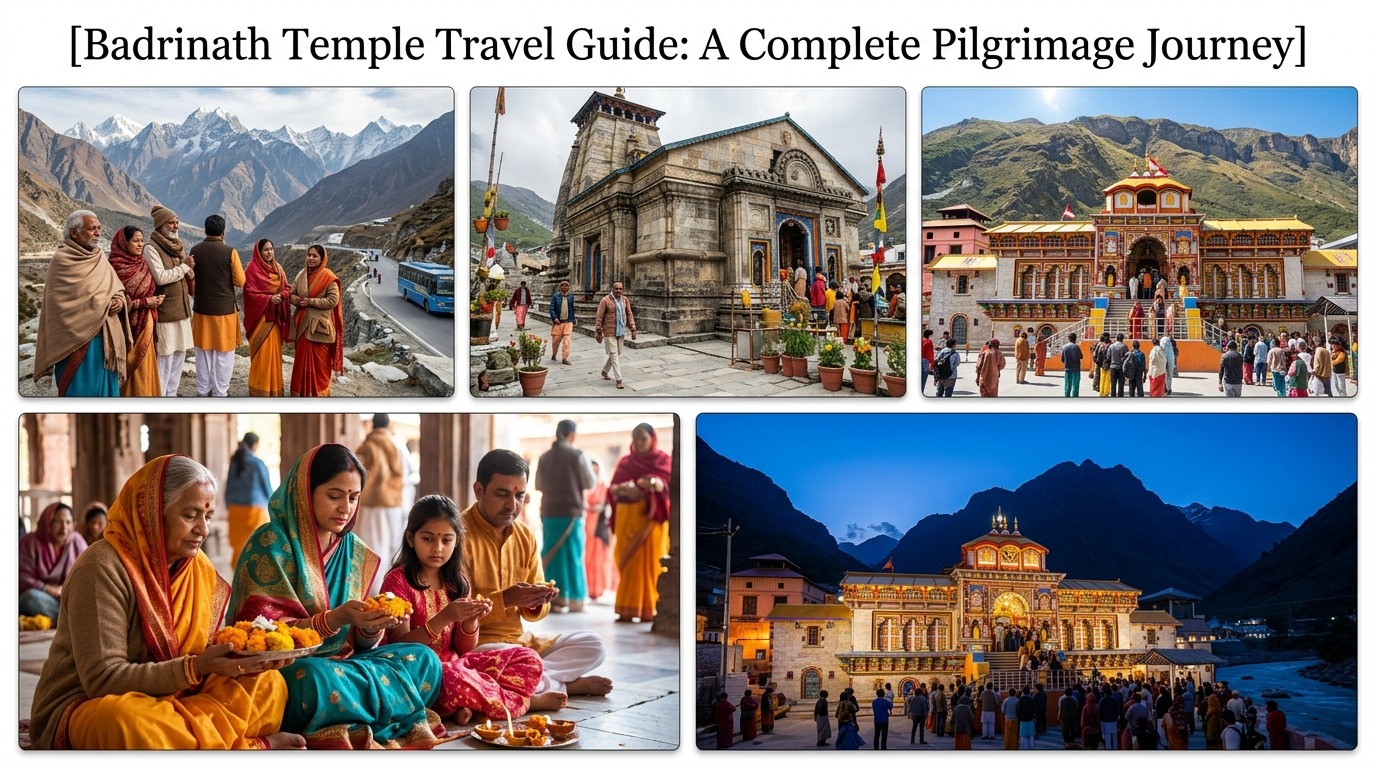
High in the Garhwal Himalayas of Uttarakhand, surrounded by dramatic mountain peaks and the Alaknanda River, Badrinath Temple is one of India’s most revered pilgrimage destinations. The sacred shrine dedicated to Lord Vishnu attracts devotees, spiritual seekers, and travelers who come to experience its peaceful setting and powerful religious atmosphere. The journey itself is part of the experience, taking visitors through winding mountain roads, deep valleys, rivers, and spectacular Himalayan scenery.
A visit to Badrinath Temple is about much more than reaching a famous shrine. The surrounding landscape, ancient legends, nearby sacred sites, hot springs, and traditional rituals make the destination worth exploring slowly. Because Badrinath lies at a high altitude and is accessible only during a limited part of the year, careful planning is essential. Understanding the best season, transportation options, accommodation, temple etiquette, and nearby attractions can help make your pilgrimage comfortable and memorable.
Why Badrinath Temple Is So Important
The religious importance of Badrinath Temple extends across centuries of Hindu tradition. It is dedicated to Lord Vishnu in the form of Badrinarayan and is considered one of the most important pilgrimage sites in India.
Part of Char Dham
Badrinath is one of the four major Char Dham pilgrimage destinations traditionally associated with a sacred journey through India.
One of the Chota Char Dham Sites
Within Uttarakhand, Badrinath forms part of the Chota Char Dham pilgrimage circuit, alongside Kedarnath, Gangotri, and Yamunotri.
Sacred Himalayan Setting
The temple’s location beside the Alaknanda River and beneath towering Himalayan peaks adds to its spiritual and visual appeal.
History and Legends of Badrinath Temple
The history of Badrinath Temple is closely connected with Hindu traditions, mythology, and the development of pilgrimage routes through the Himalayas.
Connection With Lord Vishnu
According to Hindu tradition, the site is associated with Lord Vishnu’s meditation in the Himalayan landscape.
Adi Shankaracharya
Tradition credits the 8th-century philosopher and theologian Adi Shankaracharya with helping revive the shrine as an important pilgrimage center.
Temple Renovations
The temple has undergone various renovations and repairs over the centuries because of its challenging Himalayan environment and changing pilgrimage infrastructure.
Badrinath Temple Architecture
The colorful façade and distinctive design of Badrinath Temple stand out dramatically against the surrounding mountain landscape.
Colorful Entrance
The temple’s entrance features bright colors and traditional decorative elements that create a striking appearance.
Main Shrine
The sanctum contains the sacred image of Badrinarayan, the form of Lord Vishnu worshipped at the temple.
Traditional Details
The structure incorporates architectural features associated with Himalayan temple traditions, while later renovations have influenced its present appearance.
Best Time to Visit Badrinath Temple
Because of its high-altitude Himalayan location, Badrinath Temple is not accessible throughout the entire year. The pilgrimage season generally takes place during the warmer months, with exact opening and closing dates determined annually.
Summer Season
May and June are popular months for pilgrimage because the temple is open and mountain conditions are generally more suitable than during winter.
Monsoon Season
July and August can bring heavy rainfall in the wider region, increasing the risk of landslides and road disruptions. Check current weather and travel advisories before departure.
Autumn
September and October can offer cooler conditions and beautiful mountain scenery. However, temperatures can drop quickly after sunset.
Winter Closure
The temple closes for the winter season, and the deity’s ceremonial arrangements move according to local religious traditions. Always verify the official opening dates for the year you plan to visit.
How to Reach Badrinath Temple
Traveling to Badrinath Temple requires a combination of road transportation and, depending on your starting point, rail or air travel.
By Air
Jolly Grant Airport near Dehradun is the nearest major airport commonly used by travelers heading toward Badrinath. From there, the remaining journey is completed by road or other permitted transportation.
By Train
Rail travelers can reach major stations such as Rishikesh or Haridwar before continuing toward Badrinath by road.
By Road
Buses, taxis, and private vehicles connect Badrinath with other destinations in Uttarakhand. Mountain roads can be slow, so allow plenty of time.
Helicopter Services
Helicopter services may be available on selected Himalayan pilgrimage routes or packages, depending on the season and current operating conditions. Availability and regulations should be checked before booking.
Badrinath Temple Darshan and Puja Guide
Planning your darshan at Badrinath Temple requires attention to the current temple schedule and pilgrimage arrangements. Timings, rituals, and access procedures can vary by season and special occasions.
Morning Darshan
Early morning can be a peaceful time for devotees, although popular rituals may attract significant crowds. Check the current schedule before planning your visit.
Special Pujas
The temple offers different forms of worship and ritual services. Availability, booking procedures, and fees can change, so use official temple or pilgrimage information when making arrangements.
Temple Etiquette
Dress modestly, follow instructions from temple staff, and maintain a respectful atmosphere. Photography may be restricted in certain areas.
Allow Extra Time
Queues, security procedures, road conditions, and seasonal crowds can make the visit take longer than expected. Avoid scheduling another important activity immediately afterward.
Places to Visit Near Badrinath Temple
The area surrounding Badrinath Temple contains several sacred and scenic places that can easily be added to a pilgrimage itinerary.
Tapt Kund
Tapt Kund is a natural hot-water spring located near the temple. It has religious significance for pilgrims, and visitors should follow current local instructions regarding bathing and access.
Mana Village
Mana is a well-known village near the India-Tibet border and is often described as one of India’s last villages before the border. Its mountain setting and traditional character make it a popular excursion.
Vasudhara Falls
Vasudhara Falls is a dramatic natural attraction near Mana. Reaching the falls requires walking and can be physically demanding, especially at high altitude.
Charan Paduka
Charan Paduka is a sacred site located on a mountain trail above Badrinath. The climb requires reasonable fitness and appropriate footwear.
Badrinath Weather and Altitude
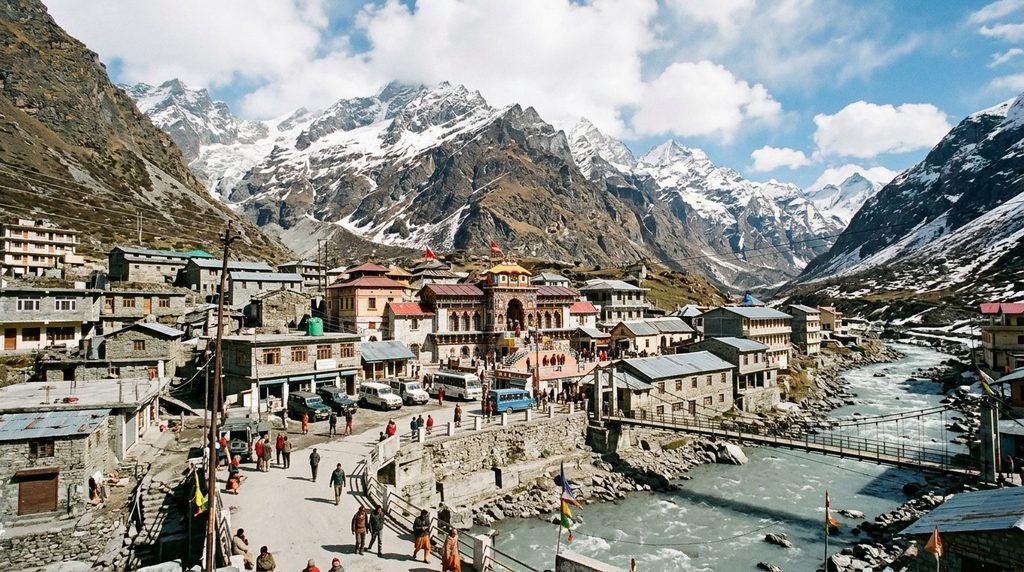
The high-altitude setting makes weather an important consideration when visiting Badrinath Temple. Conditions can change quickly, even during the pilgrimage season.
Cool Summer Conditions
Summer days can be pleasant compared with the plains, but mornings and evenings remain cool. Warm layers are useful.
Rain and Road Conditions
Monsoon rainfall can affect roads, cause delays, and increase the risk of landslides in parts of Uttarakhand.
Cold Autumn Nights
Temperatures can fall sharply after sunset during September and October. A warm jacket, gloves, and thermal layers can make evenings more comfortable.
Take Altitude Seriously
Badrinath is situated at roughly 3,100 meters above sea level. Travelers should avoid rushing after arrival and pay attention to how their bodies respond to the elevation.
Where to Stay Near Badrinath Temple
Accommodation options around Badrinath Temple range from simple pilgrim facilities to hotels and guesthouses.
Hotels Near the Temple
Staying close to the shrine can make early morning darshan more convenient and reduce the need for local transportation.
Budget Accommodation
Budget hotels, guesthouses, and pilgrim-oriented facilities are available, particularly during the pilgrimage season.
Comfortable Stays
Some properties offer private bathrooms, hot water, heating or other seasonal amenities. Facilities can be more basic than those found in larger cities.
Book in Advance
Accommodation demand can rise sharply during the pilgrimage season, especially around holidays and major religious occasions. Early booking is advisable.
What to Eat in Badrinath
Food around Badrinath Temple is generally simple and suited to pilgrims traveling through the Himalayan region.
Vegetarian Meals
Visitors can find vegetarian staples such as dal, rice, roti, vegetables, and simple thali meals.
Warm Drinks
Tea and other hot beverages are useful during cool mornings and evenings.
Eat Carefully at High Altitude
Choose clean and reputable food establishments, stay hydrated, and avoid eating excessively heavy meals if you are adjusting to the altitude.
Things to Do Around Badrinath Temple
Although Badrinath Temple is the main reason most travelers come to the region, the surrounding Himalayan landscape offers several memorable experiences.
Explore Mana Village
Walk through the traditional mountain settlement, browse locally made products, and enjoy views of the surrounding peaks. Keep in mind that weather and road conditions can affect access.
Visit Tapt Kund
Experience the atmosphere around this naturally heated spring near the temple. Follow local instructions and current bathing guidelines.
Enjoy Himalayan Scenery
The mountains around Badrinath provide beautiful opportunities for photography and quiet walks. Early morning often offers particularly clear and peaceful views.
Explore Nearby Sacred Sites
Several small shrines and religious landmarks around Badrinath can be incorporated into a pilgrimage itinerary.
Badrinath Temple Travel Tips
A little preparation can make a major difference when visiting Badrinath Temple, particularly because of the altitude and remote mountain setting.
Carry Warm Clothing
Even during the summer pilgrimage season, mornings and evenings can be cold. Pack layers, a warm jacket, socks, and comfortable walking shoes.
Check Road Conditions
Mountain roads can be affected by rain, landslides, construction, and other conditions. Check current local updates before beginning your journey.
Carry Essential Documents
Keep identification, accommodation details, tickets, permits where applicable, and emergency contact information safely accessible.
Stay Hydrated
Drink enough water and avoid rushing during your first hours at high altitude. Give yourself time to adjust.
Respect Religious Customs
Dress modestly, follow temple instructions, and behave respectfully around shrines, rituals, priests, and other pilgrims.
Badrinath Temple Pilgrimage Budget
The cost of a Badrinath Temple trip depends on your starting point, transportation, accommodation, and the length of your journey.
Budget Pilgrimage
Travelers can reduce expenses by using shared transportation, simple guesthouses, and basic vegetarian meals.
Mid-Range Trip
A comfortable pilgrimage may include private or shared taxis, better hotels, and additional sightseeing around Badrinath.
Premium Travel
Travelers seeking convenience can consider private transportation, higher-end accommodation where available, and organized pilgrimage packages.
Keep an Emergency Budget
Mountain journeys can involve unexpected delays or additional transportation costs. Keeping some extra money available is a sensible precaution.
Responsible Travel in the Himalayas
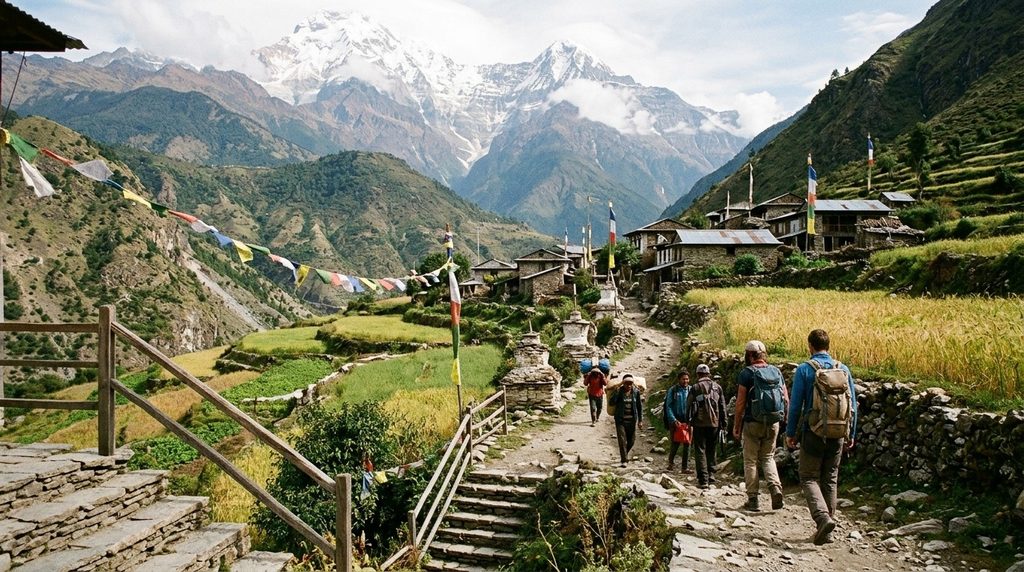
Protecting the environment and respecting local communities is especially important around Badrinath Temple and the wider Himalayan region.
Avoid Littering
Carry waste with you when bins are unavailable and avoid leaving plastic, food packaging, or other rubbish along mountain roads and trails.
Respect Local Communities
Ask permission before photographing people or private spaces, and support local businesses where possible.
Protect Natural Areas
Stay on established paths, avoid disturbing wildlife, and never damage vegetation or natural formations.
Travel Mindfully
The Himalayas are environmentally sensitive. Responsible choices help preserve the region for pilgrims and future travelers.
FAQs
What is Badrinath Temple famous for?
Badrinath Temple is one of India’s most important Hindu pilgrimage sites. It is dedicated to Lord Vishnu and is traditionally included among the four major Char Dham destinations.
When does Badrinath Temple open?
The temple opens seasonally, generally during spring and remains accessible through the pilgrimage months before closing for winter. Exact opening and closing dates are announced annually.
What is the best time to visit Badrinath Temple?
May, June, September, and early October are commonly considered useful periods for pilgrimage, although weather and road conditions should always be checked before traveling.
How many days are needed for a Badrinath trip?
Two to three days in the Badrinath area can allow time for darshan and nearby attractions, while a longer itinerary is useful if you are traveling through the wider Char Dham circuit.
Is Badrinath suitable for first-time mountain travelers?
Yes, but visitors should take the altitude seriously, prepare for changing weather, allow enough travel time, and avoid overloading their itinerary with strenuous activities.
Conclusion:
A journey to Badrinath Temple is an experience where spirituality and Himalayan beauty come together. The sacred shrine, dramatic mountains, Alaknanda River, traditional pilgrimage practices, and nearby attractions create a destination that feels very different from ordinary sightseeing trips. For many devotees, the journey carries deep religious meaning, while travelers interested in nature and culture can also appreciate the remarkable landscape and local traditions. Because Badrinath is remote and located at high altitude, preparation is essential. Check the latest temple dates and travel conditions, pack appropriately for changing weather, allow extra time on mountain roads, and respect local customs. With patience and thoughtful planning, a visit to Badrinath Temple can become a peaceful, memorable, and deeply rewarding Himalayan journey.
Read More:Ranganathaswamy Temple: Exploring Srirangam’s Sacred Heritage

I am a travel enthusiast who loves exploring India’s beautiful destinations, culture, history, food, and hidden places. Through my travel website, I aim to help travelers discover amazing places in India and plan memorable trips with useful travel information and tips.