There is a specific kind of silence that exists only within the towering sandstone walls of Zion National Park. It isn’t a hollow silence, but one filled with the distant rush of the Virgin River and the rustle of cottonwood trees swaying in a canyon breeze. As you stand on the valley floor, looking up at monoliths like the Sentinel or the Court of the Patriarchs, the sheer scale of the landscape is enough to make you catch your breath. The Navajo sandstone, painted in vibrant shades of cream, pink, and deep vermillion, tells a story of millions of years of geological patience, carved into the masterpiece we see today.
For many travelers, a visit to this corner of Southwest Utah is more than just a box to check on a bucket list; it’s a transformative experience. Whether you are wading through the icy, knee-deep waters of a slot canyon or watching the sunrise set the Great White Throne ablaze with golden light, the park offers a raw, unfiltered connection to the natural world. In this guide, we’ll walk through everything you need to know to navigate Zion National Park with ease, ensuring your trip is as seamless as it is spectacular.
Why Zion National Park Captivates Every Traveler
Zion is often the crown jewel of Utah’s “Mighty 5” national parks, and for good reason. Unlike the Grand Canyon, where you stand on the rim looking down, Zion invites you to stand at the bottom of the canyon looking up. This perspective creates an intimate, immersive atmosphere that makes every hike feel like a journey into a hidden world. The park’s unique geography creates diverse microclimates, where hanging gardens of ferns and wildflowers cling to weeping rock walls just a few miles away from arid, cactus-dotted desert slopes.
The Best Time to Visit Zion National Park for Perfect Weather
Timing is everything when planning your desert escape. While the park is open year-round, each season offers a drastically different experience.
Spring: Waterfalls and Wildflowers
From March to May, the park wakes up. Snowmelt from the high plateaus feeds the waterfalls, making spots like the Emerald Pools particularly vibrant. However, keep in mind that the Virgin River is often too high and fast for hiking The Narrows during this time.
Fall: The Photographer’s Dream
September and October are arguably the best months to visit. The sweltering summer heat has faded, the shuttle crowds thin out slightly, and the cottonwoods turn a brilliant gold, providing a stunning contrast against the red cliffs.
Navigating the Park: The Zion Canyon Shuttle System
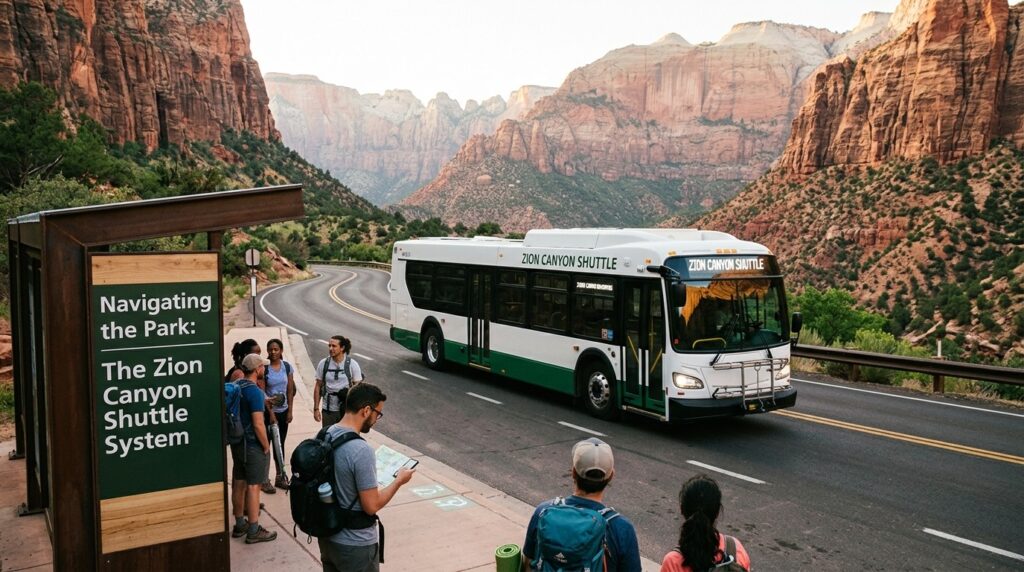
To protect the delicate canyon environment, Zion National Park operates a mandatory shuttle system for most of the year. During the peak season, private vehicles are not allowed on Zion Canyon Scenic Drive. You’ll park your car at the Visitor Center or in the nearby town of Springdale and hop on the frequent, free shuttles. It’s a stress-free way to see the sights, allowing you to stare out the windows at the cliffs rather than worrying about finding a parking spot.
Iconic Hikes You Can’t Miss
Zion is a hiker’s paradise, offering everything from paved strolls to world-famous, adrenaline-pumping climbs.
Angel’s Landing: Conquering the Ridge
Perhaps the most famous hike in the world, Angel’s Landing is not for the faint of heart. The final half-mile follows a narrow sandstone ridge with steep drop-offs on both sides, supported by metal chains. Note that a permit is now required to hike this section, so be sure to enter the lottery well in advance.
The Narrows: Walking in the River
This hike takes you into the narrowest part of Zion Canyon. There is no trail; you simply hike upstream in the Virgin River itself. With walls a thousand feet tall and only twenty feet apart in some sections, it is a surreal experience that feels like walking through the heart of the earth.
Family-Friendly Trails for All Ages
You don’t need to be an elite athlete to enjoy the beauty of Zion National Park. There are several accessible trails that offer incredible views with minimal elevation gain.
Riverside Walk
This two-mile round-trip trail is paved and relatively flat, following the Virgin River to the mouth of The Narrows. It’s perfect for strollers and those who want to see the canyon’s lush vegetation and hanging gardens.
Lower Emerald Pools
A gentle climb leads you to a collection of pools tucked beneath a weeping cliff. In the spring and summer, you can often walk behind a thin veil of falling water, a refreshing treat in the desert heat.
The Quiet Side: Exploring Kolob Canyons
Most visitors stick to the main Zion Canyon, but the Kolob Canyons district—located about 40 miles northwest—offers a more secluded experience. Here, you’ll find soaring crimson peaks and deep box canyons without the shuttle crowds. The five-mile scenic drive in this area is one of the most underrated stretches of pavement in the National Park Service.
Planning Your Stay: Camping vs. Luxury Lodging
Where you sleep can greatly impact your experience. Staying inside the park allows you to beat the morning rush, while staying in Springdale offers more amenities.
- Zion Lodge: The only “hotel” inside the park. It offers a historic feel and unparalleled access to trails.
- Watchman Campground: Located near the South Entrance, this is the most popular spot for tent and RV camping.
- Springdale Hotels: Just outside the gates, you’ll find luxury resorts and boutique motels that offer spas, pools, and high-end dining.
Wildlife Encounters: What to Watch For
The park is teeming with life if you know where to look. It is common to see Mule Deer grazing in the meadows near the lodge or Wild Turkeys roaming the canyon floor. If you’re lucky, you might spot a Bighorn Sheep perched on a rocky ledge in the East Zion area. Remember to always keep a safe distance and never feed the wildlife, no matter how “friendly” the squirrels may seem.
Photography Tips: Capturing the Golden Hour

To truly capture the essence of Zion National Park, you need to understand the light. Because the canyon is so deep, the floor stays in shadow long after the sun has risen.
- Canyon Junction Bridge: This is the iconic spot for sunset, where you can photograph the Watchman framed by the river.
- Towers of the Virgin: Head to the museum patio at sunrise to watch the peaks turn a fiery orange.
- Polarizing Filters: Use these to cut through the glare on the river and make the red rocks “pop” against the blue sky.
Vital Safety Tips for Desert Exploration
The desert is beautiful but can be unforgiving. Safety should always be your top priority.
- Flash Flood Awareness: In The Narrows, flash floods are a real and deadly threat. Always check the weather forecast and the “Flash Flood Potential” rating at the Visitor Center before heading into a slot canyon.
- Hydration: The dry air wicks moisture from your body quickly. Carry more water than you think you need—at least one gallon per person per day.
- Heat Stroke: During the summer, temperatures can soar above 100°F. Hike early in the morning and rest during the heat of the midday sun.
Essential Packing List for Your Adventure
Preparing for Zion National Park requires more than just a pair of sneakers.
| Item | Why You Need It |
|---|---|
| Sturdy Hiking Boots | To protect your ankles on rocky, uneven terrain. |
| Water Filter/Bladder | To stay hydrated on long trails like West Rim. |
| Wading Socks/Boots | Specifically for The Narrows (can be rented in Springdale). |
| Sun Protection | High-SPF sunscreen, a wide-brimmed hat, and sunglasses. |
| Trekking Poles | These are a lifesaver for balance in the river or on steep descents. |
Where to Eat: Dining in and Around Springdale
After a long day of hiking, you’ll be hungry. Springdale is a gateway town that punches well above its weight in terms of culinary options. From locally roasted coffee and breakfast burritos at Deep Creek Coffee Co. to upscale southwestern fare at King’s Landing Bistro, there is something for every palate. Don’t forget to grab a locally brewed craft beer to toast to a successful day of exploring.
A Lasting Impression of the High Desert
As you drive out of the park, perhaps through the historic Zion-Mount Carmel Tunnel with its “windows” looking out over the canyon, you’ll likely find yourself already planning your return. Zion National Park has a way of staying with you. Its combination of grand scale and intricate detail—the massive cliffs and the tiny desert flowers—creates a sense of wonder that is increasingly rare in our busy world. It is a place that reminds us of the power of nature and the importance of preserving these wild spaces for generations to come.
(FAQs)
1. Do I need a reservation to enter Zion National Park?
Currently, you do not need a reservation to enter the park itself, but you do need to pay an entrance fee or show a valid America the Beautiful pass. However, certain hikes, most notably Angel’s Landing, require a permit obtained through a lottery system.
2. Is Zion National Park dog-friendly?
Dogs are generally not allowed on the trails or shuttles in Zion. The only exception is the Pa’rus Trail, a paved path near the south entrance. If you are traveling with a pet, you may need to look into boarding options in Springdale.
3. Can I hike The Narrows if I can’t swim?
The Narrows is a wading hike, not a swimming hike. In most normal conditions, the water ranges from ankle-deep to waist-deep. However, water levels fluctuate, and there may be short sections where you need to scramble over rocks. Always check the current flow rate before starting.
How many days should I spend in the park?
While you can see the highlights in one day, we recommend at least two to three days in Zion National Park. This allows you one day for a major hike like The Narrows or Angel’s Landing, one day for smaller trails and the scenic drive, and a third day to explore the East Rim or Kolob Canyons.
What is the “Zion-Mount Carmel Tunnel” and can my RV fit?
The tunnel is a historic 1.1-mile stretch of road that connects the South Entrance to the East Entrance. Large vehicles and RVs require a “tunnel permit” and an escort, as the rangers must stop two-way traffic to allow large vehicles to drive down the center of the narrow tunnel. Be sure to check size restrictions before you arrive.
Read more:Central Park Travel Guide 2026: Best Things to See
Maihar Devi Temple Darshan Timings, Ropeway Ticket Price & Booking Guide 2026
Arunachalam Temple Distance: Are You Closer Than You Think?

I am a travel enthusiast who loves exploring India’s beautiful destinations, culture, history, food, and hidden places. Through my travel website, I aim to help travelers discover amazing places in India and plan memorable trips with useful travel information and tips.