Croatia has quietly become one of Europe’s most captivating destinations, and frankly, I wish more travelers knew about the incredible places to visit in Croatia beyond the obvious tourist trail. For years, this Mediterranean country remained overshadowed by Italy and Greece, but those days are long gone. Today, Croatia is booming with travelers who’ve discovered something special about this corner of the world.
If you’re thinking about a road trip through this Adriatic gem, you’re in for something genuinely special. I’ve spent considerable time exploring Croatia’s winding coastal roads, hidden coves, and centuries-old towns. The best way to experience this country is behind the wheel, free to chase that perfect sunset, discover hidden villages, and swim in waters so blue they seem impossible.
This guide covers all the essential places to visit in Croatia that will make your road trip memorable. Whether you’re a history buff fascinated by Roman ruins, a beach lover seeking pristine waters, or an adventure seeker looking for mountain hikes and island hopping, you’ll find something here that speaks directly to you. We’ll explore the iconic sites everyone visits, the hidden gems most travelers miss, and the practical information you need to plan your perfect Croatian journey.
The beauty of a Croatian road trip is flexibility. You can follow this guide exactly, or use it as inspiration to create your own adventure. Either way, you’re about to experience one of Europe’s most rewarding destinations.
Best Places to Visit in Croatia: A Complete Destination Guide
Why Croatia Should Be Your Next Road Trip Destination
Before diving into specific locations, let’s talk about why a Croatian road trip belongs on your travel bucket list.
The Adriatic coast stretches over 1,700 kilometers along Croatia’s border, and the roads hugging these cliffs are nothing short of spectacular. You can drive from one architectural masterpiece to another in a matter of hours, then find yourself swimming in coves that postcards only dream about. This combination of accessibility and dramatic beauty is rare in Europe.
The infrastructure here is solid and reliable. Roads are well-maintained, signs are clear, and the distances between major attractions are manageable. You can cover a lot of ground without feeling rushed. Unlike some European road trips that demand white-knuckle driving through congested cities, Croatia’s main routes are generally straightforward and scenic.
The people are warm and genuinely welcoming. Croatian hospitality isn’t performed for tourists, it’s authentic. Locals are happy to recommend their favorite spots, and you’ll find yourself in conversations that turn into friendships by the end of your meal.
Cost-wise, Croatia offers excellent value compared to other Mediterranean destinations. Your money stretches further here, whether you’re staying in luxury villas overlooking the Adriatic or charming family-run hotels in medieval towns.
When to Visit Croatia and How to Get There

Best Time to Visit
The timing of your road trip makes a huge difference in your experience. May through June and September through October are your sweet spots for visiting places to visit in Croatia. The weather is pleasant without being scorching, accommodation prices are reasonable, and crowds are smaller than peak summer.
July and August can be unbearably hot and crowded. Some roads near major towns become congested with tour buses. Hotels charge premium prices and still get booked out. If you must visit during summer, go early in the morning and late in the afternoon to avoid peak crowds.
Winter is beautiful but not ideal for most travelers. Many smaller attractions close seasonally. Some ferries to islands stop running. The weather can be unpredictable, though some days are genuinely gorgeous.
Getting Around and Renting a Car
Rent a car at Zagreb airport if you’re flying into the capital, or Zadar if you want to start your road trip from the coast. An economy sedan works fine for most roads, though an SUV gives you extra confidence on some rougher coastal drives and mountain passes.
Parking can be tricky in old medieval towns where streets are barely wide enough for one car. Most places have clearly marked paid parking lots nearby. Pay attention to blue line parking, which requires payment through an app or parking attendant. White lines are free parking.
Driving Regulations and Safety Tips
Speed limits are 130 km/h on highways, 110 km/h on main roads, and 50 km/h in towns. Police conduct regular speed checks, especially on highways near the border. Headlights must be on at all times, even during daylight hours. You’ll need to carry a warning triangle and reflective vests in your rental car.
Driving at night in rural areas requires extra caution because street lighting is limited. Stick to daylight hours whenever possible. The roads are safe, but visibility can be challenging. Most importantly, enjoy the drive. These roads are some of Europe’s most beautiful, so don’t rush.
Dubrovnik: Medieval Magic on the Coast
The Iconic Walled City
Dubrovnik is probably the most famous place to visit in Croatia, and yes, it absolutely lives up to the hype. This walled medieval city is impossibly picturesque, with honey-colored stone buildings packed within protective walls that rise dramatically from the sea. The city feels frozen in time, yet it’s surprisingly vibrant with local life.
Walking the city walls is non-negotiable when you visit. The circuit takes about two hours and offers perspectives of the city that photos simply cannot capture. The walls rise high enough to provide aerial views of red-tiled roofs, the harbor, and the surrounding islands. Go early in the morning around 8 AM or late afternoon around 5 PM to avoid the tour group crush that fills the walls at midday.
The Old Town itself is best explored on foot, wandering the narrow streets without a specific plan. Get lost intentionally. You’ll find family-run restaurants tucked away in quiet corners, local wines you’ve never heard of, and that perfect spot for sunset drinks overlooking the harbor.
Beyond the City Walls
Don’t just walk the walls and leave Dubrovnik behind. Take the cable car up Srd Mountain for truly aerial views of the city and surrounding landscape. On clear days, you can see the nearby islands. Swim at Banje Beach, located just outside the city walls, where locals and visitors mix naturally.
Take a boat tour to the nearby Elaphiti Islands. These three main islands offer quiet beaches, good restaurants, and a chance to see the Adriatic from the water. Day trips are easy to arrange from any hotel in Dubrovnik.
For Game of Thrones fans, several locations in Dubrovnik featured prominently in the show. You can join a specialized tour if you’re interested, though it’s worth exploring these spots on your own as well. The city is small enough that you’ll stumble across filming locations naturally.
Where to Stay and How Long to Visit
Stay outside the city walls if budget is a concern. The Lapad and Gruz neighborhoods offer significantly better value while keeping you close to everything. The neighborhoods feel more authentically Croatian than the Old Town, which has become heavily touristy.
Book accommodations early, especially in peak season. Late June through August fills up months in advance. Two to three days is ideal for Dubrovnik. One day is too rushed to actually experience the city. Four days might feel repetitive unless you’re taking island day trips or exploring the surrounding region.
Split: Ancient Ruins and Modern Culture
Diocletian’s Palace: A Living Monument
Split is where ancient Rome collides with contemporary Croatian culture, and the result is absolutely captivating. Diocletian’s Palace isn’t really a palace in the traditional sense. It’s a massive fortified complex that the Roman Emperor Diocletian built for his retirement around 305 AD, making it nearly 1,700 years old.
What makes this place genuinely unique is that people still live within the palace walls today. You’ll walk through 1,700-year-old corridors where locals are having coffee, where restaurants operate out of ancient chambers, and where daily life happens inside a UNESCO World Heritage Site. It’s not a museum frozen in time, it’s a living, breathing community.
Exploring the Palace Complex
Start at the basement level to understand the palace’s original layout and how it functioned. The substructure is fascinating because it reveals how Roman architects designed spaces for heating, storage, and water management. From there, work your way up to the ground level and the Peristyle, a stunning colonnaded courtyard that serves as the palace’s heart.
The Cathedral of Saint Dominus sits within the palace complex. It was originally Diocletian’s mausoleum before being converted to a church. Climb the bell tower for panoramic views across the city and harbor. On clear days, you can see islands dotting the Adriatic in the distance.
Exploring Beyond the Palace
Don’t spend your entire time within the palace walls. Split has grown into a vibrant modern city with distinct neighborhoods worth exploring.
Head to Marjan Forest Park for hiking trails with stunning views over the Adriatic. The park has several different routes ranging from easy walks to more challenging hikes. You’ll see locals jogging, cycling, and walking dogs among the pine trees. Visit Bacvice Beach where locals play Picigin, a unique Croatian sport involving a small ball and surprisingly athletic movements.
Split’s Riva waterfront is perfect for an evening stroll. Locals gather here, street musicians perform, and the atmosphere is genuinely vibrant without feeling contrived. Grab a coffee or drink at one of the numerous cafes and watch the world go by. This is where you experience authentic Split life.
Staying in Split and Nearby Alternatives
Staying right inside the palace creates an unforgettable experience, but it’s expensive and noisy with constant foot traffic. The nearby town of Trogir, just 30 kilometers away, offers excellent value and its own medieval charm. You can easily day trip to Split from Trogir or split your time between both towns.
Two to three days is perfect for experiencing Split properly. One day lets you see the palace and basic sights. Additional days allow you to explore neighborhoods, take day trips to nearby islands, or venture to Trogir. Many travelers rush through Split in six hours, which is a mistake. This city deserves more of your time.
The Dalmatian Coast: Coastal Towns and Hidden Gems

The Stretch Between Split and Dubrovnik
The stretch of coastline between Split and Dubrovnik is where places to visit in Croatia reveals its full, unfiltered beauty. Dramatic mountains plunge directly into the sea. Villages perch impossibly on cliffsides. Islands dot the waters offshore like scattered jewels.
This region offers multiple ways to travel. You can drive the coastal road and make stops along the way. You can take a slower route through mountain passes and discover inland villages. You can combine both approaches for maximum variety. Most travelers rush through this section in 2-3 hours, but it deserves at least a full day.
Mostar and the Neretva Valley
If you have flexibility in your itinerary, head inland to Mostar in Bosnia and Herzegovina. It’s only 2.5 hours from Split but feels like a different world. The Stari Most, the iconic Old Bridge, is the most photographed structure in the region. But the entire town rewards exploration with cobblestone streets, riverside cafes, and genuine Bosnian culture.
The Neretva River Valley is lush and surprisingly unexpected given the rocky coastline nearby. Stop at a restaurant overlooking the river and have fresh grilled fish caught that morning. Many travelers skip this inland detour, which means you get to enjoy it without crowds. The valley also produces excellent wine and brandy.
Makarska: A Genuine Beach Town
Makarska won’t win awards for uniqueness or dramatic beauty, but it’s genuinely pleasant. Good swimming, decent restaurants, and a relaxed vibe that feels authentically Croatian rather than touristy. It’s a solid overnight stop between Split and Dubrovnik where you can actually rest rather than just passing through.
The beach is pebbled, the water is clear, and local families spend time here rather than tourists, which tells you something about its appeal. Grab a fresh seafood dinner, sleep well, and continue south in the morning.
Peljesac Peninsula: Wine and Views
Wine lovers should absolutely detour to Peljesac Peninsula. This narrow strip of land is known for producing Plavac Mali wine, a deep red that pairs beautifully with local seafood. Vineyards run down to the sea on both sides, creating postcard-perfect scenery.
Stop at a winery, taste some wine, grab lunch. The peninsula has become more touristy in recent years, but it’s still worth visiting. The combination of wine, food, and views makes it worthwhile.
Ston: Medieval Walls You’ve Never Heard Of
Ston has impressive defensive walls that rival those of Dubrovnik in terms of historical significance, yet virtually no tourists know about it. The walls run for 7 kilometers around the town. You can walk portions of them and get a genuine sense of medieval military architecture.
The town is perfect for a one-to-two-hour break during your drive. Park, walk the walls, grab a meal at a family restaurant, and continue your journey. It’s these unexpected stops that make road trips memorable.
The Islands: Croatia’s Scattered Paradise
Understanding Island Geography and Ferry Access
The islands are where the best places to visit in Croatia reveal their true character. Each island has its own distinct personality, culture, and appeal. The Adriatic is dotted with hundreds of islands, but the major ones easily accessible by ferry offer unique experiences worth including in your road trip.
Ferries connect the islands regularly. You can buy tickets at the dock or book online in advance. Some ferries are direct between two islands, others make multiple stops. Ferry schedules change seasonally, so check current schedules before planning your itinerary. Summer ferries run more frequently than off-season schedules.
Expect ferries to be full during peak summer months. Arrive early to secure a spot. Local ferries are remarkably cheap and work perfectly fine for short island hops. The journey itself is part of the experience, not just transportation.
Hvar: Trendy, Sophisticated, and Beautiful
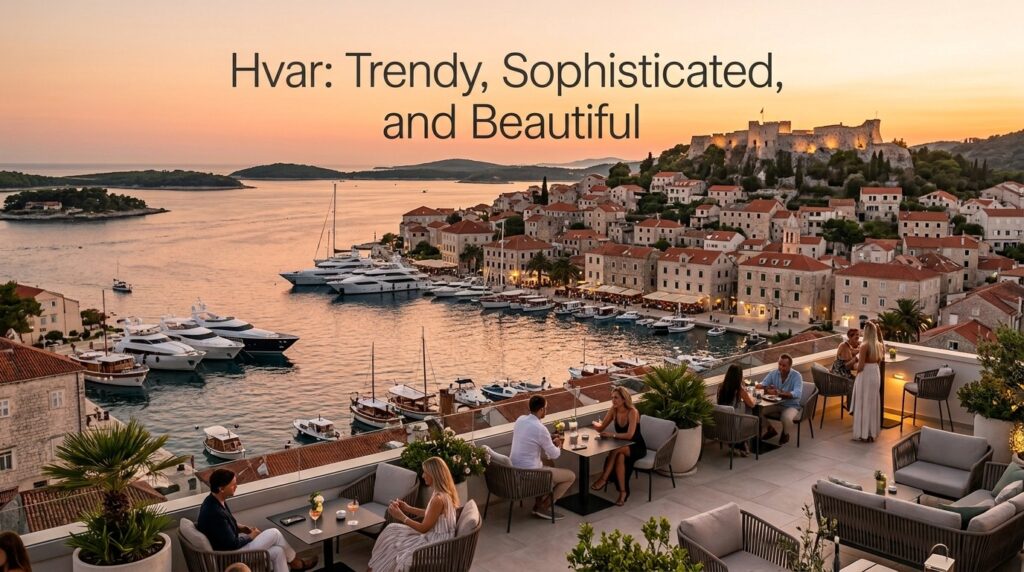
Hvar is probably the most popular island destination, and for good reasons. The main town is charming, with lavender-scented breezes and a busy harbor full of yachts and local fishing boats. This is where wealthy Europeans come to yacht and party, but you don’t need money or a yacht to enjoy the island.
The island produces exceptional wine and lavender grows wild across the inland areas. Hiking trails connect quiet beaches on the island’s edges. Rent a scooter or car and explore beyond the main town where you’ll find authentic island life far from the harbor crowds.
Stay a night or two at minimum. One day doesn’t give you enough time to experience what makes Hvar special. The island deserves at least two days to explore both the town and the rural interior.
Vis: Authentic and Underdeveloped
Vis feels like you’ve traveled back in time to what Croatia was before mass tourism. The island was closed to tourists until 1989 due to military occupation, which meant development basically stopped. This preserved an authenticity you won’t find on other more developed islands.
Komiža on the western side is the best base for exploring Vis. It’s smaller and more genuine than the eastern side’s main town. Stiniva Beach, hidden in a cove on the southern coast, is absolutely stunning. The journey to reach it is part of the appeal, as you have to hike down a narrow path between tall cliffs to reach the hidden beach.
Stay two days if you can. Day trippers miss what makes Vis special. You need time to wander, eat slowly, and feel the island’s rhythm. This is where you’ll find the most authentic Croatian island experience.
Korcula: History and Medieval Charm
Korcula is traditionally known as Marco Polo’s birthplace, though this is historically disputed. The truth about his birthplace doesn’t matter because the island and its main town are genuinely gorgeous. Narrow stone streets wind through the town, defensive walls provide views over the harbor, and fishing boats fill the waterfront.
The town is less developed and touristy than Hvar, more genuine than Vis. It’s the Goldilocks island for many travelers. Korcula offers the perfect balance between authentic island culture and tourist infrastructure. Good restaurants, nice hotels, beautiful scenery, and fewer crowds than the most famous islands.
One or two days here is ideal. The town is small enough to explore thoroughly in a day, but staying overnight lets you experience it as locals do, with evening strolls and quiet mornings.
Mljet: Nature and National Park Adventure
Mljet has national park status and it’s absolutely worth visiting if you have time. The island has two saltwater lakes in the middle, which is genuinely unusual and striking. You can swim in these lakes, kayak between them, bike around the island, or simply hike through Mediterranean forests.
Getting to Mljet is more complicated than reaching other islands, which keeps it quieter and more peaceful. Ferries take longer and don’t run as frequently. This slight inconvenience is actually a blessing because it means fewer tourists arrive. If you have flexibility in your itinerary, include Mljet. This is where you’ll escape crowds.
Plan a full day or overnight. Day trips are possible but feel rushed. You’d rather spend time kayaking in the lakes and hiking forest trails than rushing through the experience.
The Adriatic Hinterland: Mountains, Lakes, and Medieval Towns
Plitvice Lakes National Park: Nature’s Masterpiece
Plitvice Lakes National Park is Croatia’s most famous natural attraction, featuring 16 interconnected lakes surrounded by dense forests. Waterfalls cascade between lakes in a seemingly endless series of beautiful drops. Boardwalks wind through the landscape without disturbing the delicate ecosystem, letting you walk through nature without damaging it.
Plan a full day for Plitvice. Entry fees are reasonable for what you experience. The park has shuttle boats that transport you across some of the larger lakes if walking isn’t feasible or you want to maximize time hiking different sections. In summer, crowds are intense, so arrive early in the morning or consider visiting during shoulder seasons.
The park is equally beautiful in spring with wildflowers, summer with lush green foliage, and autumn with changing colors. Winter visits are quiet but some trails may be icy. Plan accordingly if you visit in winter months.
Zadar: Underrated Coastal City
Zadar is often overlooked by road trippers rushing between Split and Dubrovnik heading toward famous destinations. This is a genuine mistake. Zadar deserves more time than most travelers give it.
The city has impressive Roman ruins, medieval churches, and a waterfront that’s arguably as beautiful as Split’s. The Sea Organ is unique to Zadar. This architectural installation on the waterfront creates music when waves move through it. Sit nearby at sunset, listen to the waves singing, and watch the sky change color over the Adriatic. It’s genuinely magical and meditative.
Stay one or two nights. Walk the old town, eat fresh seafood at the waterfront, and take time to understand why locals love this city. Zadar feels like an authentic Croatian city rather than a tourist destination, which is exactly what makes it worth visiting.
Rovinj: Istrian Charm and Mediterranean Beauty

In the northern region of Istria, Rovinj looks like an Italian fishing village that somehow ended up in Croatia. Pastel-colored houses tumble down hillsides directly to the sea. The food scene is excellent, and the atmosphere feels European in a way that’s hard to describe.
This region produces some of Croatia’s best wine. It also grows truffles, which feature heavily in local cuisine. If you venture north to Istria, plan several days to explore properly. Visit the region’s wineries, eat at farm-to-table restaurants, and experience authentic Istrian culture.
Rovinj is perfect for 1-2 nights. Use it as a base to explore the surrounding region. The town itself is small enough to see in a few hours, but the region offers enough interest for several days of exploration.
Practical Information for Your Croatian Road Trip
Distances and Driving Times
Understanding driving distances helps you plan realistic daily routes.
Zagreb to Dubrovnik: 8 hours, 600 kilometers. This is the longest drive, typically done over two to three days with stops.
Split to Dubrovnik: 2.5 hours, 220 kilometers. A short drive, perfect for a morning drive allowing an afternoon in Dubrovnik.
Split to Zadar: 3.5 hours, 300 kilometers. Head north instead of south, perfect if you’re reversing the typical route.
These times are direct routes without stops. Add significant time if you’re stopping frequently or taking scenic detours through mountain passes.
Fuel, Tolls, and Parking
Highways have tolls. You can pay in cash or by card at toll booths. Keep small bills handy. Fill up fuel whenever you see a station, especially in smaller towns, because pumps aren’t always readily available in remote areas.
Parking in old medieval towns is always tricky because streets are impossibly narrow. Look for clearly marked parking lots on the edges of old towns. Most towns have free or paid parking within walking distance of the historic center.
Communication and Internet
Buy a local SIM card at the airport. Croatian mobile companies offer good data plans at low rates. You’ll use data for navigation, translation, and staying connected with friends back home.
Public WiFi is widely available in hotels, restaurants, and cafes. The connection is usually decent but not always fast. Don’t rely on WiFi for navigation while driving. Use your mobile data instead.
Accommodation and Booking
Book accommodations in advance during summer months. June through August books out early for good locations. Shoulder seasons offer better prices and smaller crowds. Winter accommodations are cheapest but some properties close seasonally.
Read reviews carefully. Look for places with character rather than generic chain hotels. Family-run guesthouses and small hotels often provide better experiences than large hotels.
Food and Dining Culture
Croatian cuisine emphasizes fresh, local ingredients. Seafood on the coast is exceptional. Inland areas focus on meat dishes and fresh produce. Budget approximately 10-15 euros for a casual meal and 20-30 euros for something nicer.
Restaurants don’t rush you. It’s normal to spend two or three hours over dinner, which is part of the experience. Eat where locals eat, not where tour signs advertise. Your best meals will be at family restaurants in small towns, not touristy spots in major cities.
Currency and Payments
Croatia uses the Euro. ATMs are plentiful in towns and cities. Credit cards are widely accepted, though some smaller family-run places prefer cash. Keep some cash on hand for small purchases, tolls, and parking.
Travel Insurance
Get comprehensive travel insurance that covers car rental and medical emergencies. It’s not expensive and provides genuine peace of mind. Medical insurance especially matters in case of accidents or health issues.
FAQs
What’s the best time of year to visit the best places to visit in Croatia?
May through June and September through October are ideal seasons. The weather is pleasant, and crowds are smaller than during peak summer. July and August are hot, expensive, and crowded. Winter is quiet but many attractions close seasonally.
How many days do I need to see all the best places to visit in Croatia properly?
A proper road trip needs 7 to 10 days minimum to experience the major destinations without rushing. Two weeks allows deeper exploration and includes islands and the hinterland. Three weeks lets you slow down and really experience Croatian life rather than rushing destination to destination.
Is it safe to rent a car and drive in places to visit in Croatia?
Yes, it’s very safe. Roads are well-maintained and clearly marked. Traffic rules are enforced consistently. Driving at night requires more caution because rural street lighting is limited, but daytime driving is straightforward and rewarding.
Do I need an international driving permit to drive in places to visit in Croatia?
Your home country driving license is generally sufficient. Check your country’s specific requirements before traveling. Most travelers find their regular license works fine without needing an international permit.
What’s the most underrated place to visit in Croatia?
Ston is widely overlooked despite having impressive 7-kilometer defensive walls. Vis is authentic and underdeveloped compared to other islands. The Neretva Valley and inland wine country reward exploration. Zadar is overlooked because it’s between more famous cities. These spots offer genuine experiences without heavy tourism pressure.
CONCLUSION
The best places to visit in Croatia form a route that combines history, natural beauty, and genuine culture. This road trip isn’t about checking boxes on a list, it’s about understanding why this corner of Europe captivates everyone who visits.
Start in Dubrovnik to experience medieval European architecture at its finest. Drive the Dalmatian Coast to understand why these mountains and sea matter so deeply. Stop in Split to touch ancient Roman history. Island hop to find your own paradise. Venture inland to see how locals actually live beyond the tourist trail.
Bring comfortable driving shoes, sunscreen, a good appetite, and a camera. But more importantly, bring an open mind. Leave room in your itinerary for spontaneous detours. Talk to locals. Eat where they eat. Swim where they swim. Watch sunsets without checking your phone.
A Croatian road trip is one of Europe’s great adventures. It’s accessible, affordable, and incredibly rewarding. It’s the kind of trip that changes how you see travel and what matters to you. Start planning today, and prepare for an experience that will stay with you for years.
Read More: Travel to Croatia in August: Complete Guide for the Perfect Summer Vacation

I am a travel enthusiast who loves exploring India’s beautiful destinations, culture, history, food, and hidden places. Through my travel website, I aim to help travelers discover amazing places in India and plan memorable trips with useful travel information and tips.