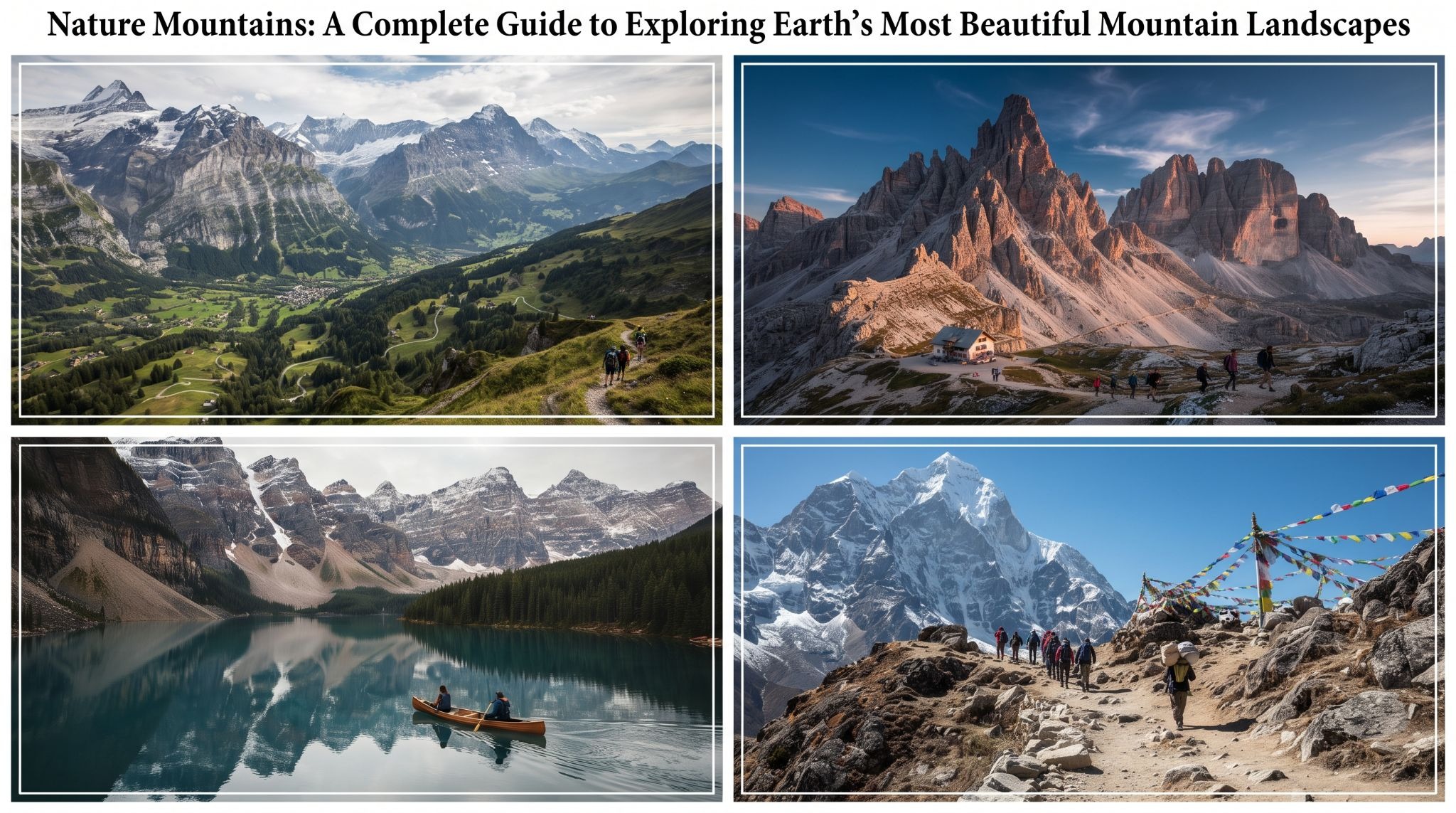
Nature mountains have a way of changing the pace of travel. The higher you climb, the quieter the surroundings often become, replaced by forests, flowing streams, open valleys, rocky ridges, and wide views that make everyday routines feel far away. From snow-covered peaks to green mountain ranges shaped by centuries of wind and water, these landscapes offer some of the most rewarding experiences for travelers who enjoy the outdoors.
Exploring mountainous regions is not only about reaching a summit. Some of the best experiences happen on a peaceful trail, beside an alpine lake, in a small mountain village, or while watching clouds move across distant peaks. Whether you enjoy hiking, photography, wildlife, scenic drives, or simply spending time in peaceful surroundings, mountain landscapes can offer a memorable connection with the natural world.
Why Nature Mountains Are Among the World’s Most Inspiring Landscapes
Mountains are among the most dramatic features of the natural environment. They influence weather, create river systems, provide habitats for wildlife, and shape the cultures of communities that live around them. Their appearance can change dramatically from one region to another.
The Himalayas are known for immense high-altitude landscapes and some of the world’s highest peaks. The Alps combine dramatic mountains with lakes, valleys, and well-known outdoor destinations. The Andes stretch across South America and include volcanic landscapes, high plateaus, and remote mountain communities. Other ranges, including the Rockies, Carpathians, and Appalachian Mountains, offer entirely different scenery and travel experiences.
What makes these environments especially appealing is their variety. A single journey may include dense forests at lower elevations, wildflower meadows higher up, rocky slopes near the peaks, and snow in the highest areas.
| Mountain Landscape | Typical Features | Popular Travel Experiences |
| High mountain ranges | Snow, glaciers, rocky peaks | Trekking and mountaineering |
| Forested mountains | Trees, waterfalls, wildlife | Hiking and scenic drives |
| Volcanic mountains | Craters, lava landscapes, dramatic slopes | Hiking and photography |
| Alpine regions | Meadows, lakes, high peaks | Walking and nature travel |
Best Time to Visit Nature Mountains
The best time to explore nature mountains depends heavily on the region, altitude, and type of experience you want. Mountain weather can change quickly, and conditions at higher elevations may be very different from those in nearby towns.
Spring often brings fresh greenery and blooming vegetation in lower and middle elevations. Summer is generally popular for hiking because many trails become more accessible after winter snow melts. Autumn can offer cooler temperatures and colorful forests in regions with deciduous trees. Winter creates spectacular snowy scenery but may limit access to roads and hiking routes.
Travelers should always research the specific mountain area they plan to visit. Seasonal conditions vary significantly between the Himalayas, European mountains, North American ranges, and tropical highlands.
| Season | What Travelers May Experience | Best For |
| Spring | Fresh vegetation and flowing streams | Nature walks and photography |
| Summer | More accessible highland areas | Hiking and outdoor exploration |
| Autumn | Cooler conditions and seasonal colors | Scenic travel and walking |
| Winter | Snow-covered landscapes | Winter scenery and snow activities |
Best Experiences in Nature Mountains for Outdoor Travelers
Mountain regions offer much more than difficult climbing routes. Travelers with different interests and fitness levels can find meaningful ways to experience these landscapes.
Hiking Through Changing Landscapes
Hiking is one of the most accessible ways to explore mountainous environments. Trails may pass through forests, valleys, grasslands, and rocky viewpoints. Short walks can be as rewarding as longer treks, particularly in areas with waterfalls or panoramic overlooks.
It is important to choose routes that match your experience and physical ability. Weather, altitude, trail conditions, and daylight can all affect a hike.
Visiting Lakes and Waterfalls
Many mountain landscapes contain lakes fed by rainfall, snowmelt, or natural springs. These areas often provide quieter places to rest and enjoy the scenery. Waterfalls are also common where rivers descend rapidly through steep valleys.
Some mountain lakes and waterfalls are easily reached, while others require longer walks. Checking local access conditions before traveling is always useful.
Enjoying Scenic Drives
Not every traveler wants to hike for hours. Mountain roads can provide memorable views of valleys, forests, rivers, and distant peaks. Scenic drives are especially useful for families, older travelers, and visitors with limited time.
Road conditions can change because of weather, maintenance, or natural events. It is wise to check current local information before beginning a mountain drive.
Nature Mountains and the Wildlife That Depends on Them
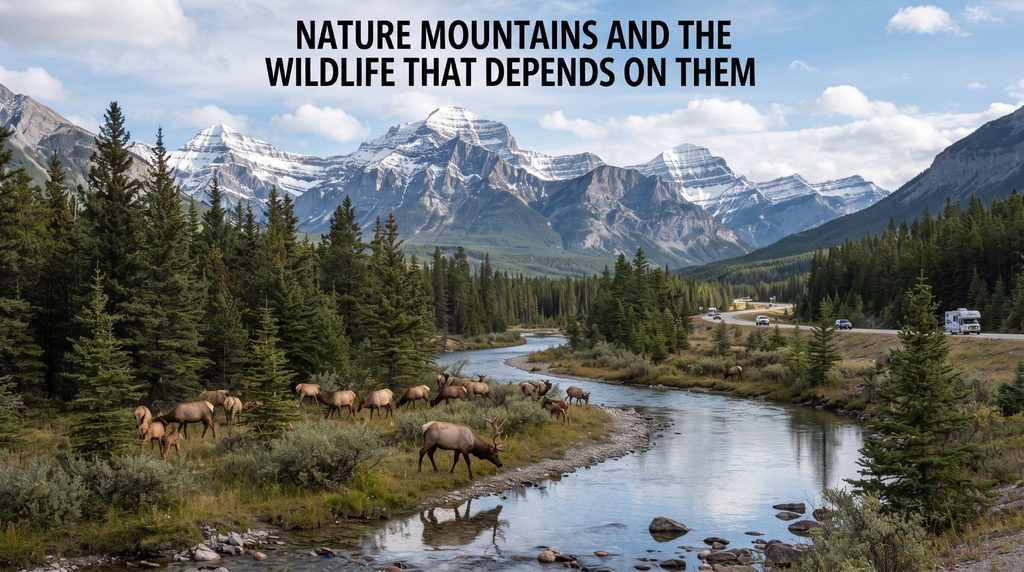
Mountain ecosystems support a remarkable variety of plants and animals. Different elevations create different habitats, allowing species to adapt to forests, grasslands, rocky slopes, and colder alpine environments.
Wildlife varies widely by region. Mountain areas may be home to deer, mountain goats, birds of prey, wild cats, and many smaller species. In higher and more remote regions, travelers may encounter signs of wildlife without actually seeing animals.
Responsible wildlife viewing is essential. Visitors should maintain distance, avoid feeding animals, stay on established paths where required, and respect protected habitats. The goal should be to observe the natural environment without disturbing it.
| Responsible Travel Practice | Why It Matters |
| Stay on suitable trails | Helps reduce damage to fragile habitats |
| Keep a respectful distance from wildlife | Protects both animals and visitors |
| Carry reusable supplies | Reduces waste in remote areas |
| Take rubbish away | Helps preserve natural landscapes |
| Follow local guidance | Supports safety and conservation |
How to Travel Safely Through Nature Mountains
Mountain environments can be beautiful but unpredictable. Weather can change quickly, temperatures may fall with altitude, and trails can become difficult because of rain, snow, ice, or loose ground.
Preparation makes a major difference. Wear suitable footwear, carry enough water, bring clothing appropriate for changing temperatures, and keep navigation tools available when exploring unfamiliar areas. A short route should not be underestimated simply because it looks easy on a map.
Altitude is another important consideration in high mountain regions. Travelers heading to significant elevations should allow time to adjust and pay attention to how they feel. Severe symptoms should never be ignored.
If you are planning a demanding hike or remote trek, local guides and official information can provide valuable knowledge about current conditions.
Nature Mountains and the Culture of Mountain Communities
Many mountain regions are home to communities with traditions closely connected to the surrounding landscape. Farming, seasonal movement, local architecture, food, crafts, and festivals may all reflect the challenges and opportunities of living in higher terrain.
Small mountain towns and villages can add an important cultural dimension to a nature-focused journey. Local markets, regional dishes, traditional buildings, and conversations with residents often provide a deeper understanding of the area.
Travelers should approach these communities respectfully. Supporting local businesses where possible and following local customs can make travel more beneficial for residents while creating a more meaningful experience for visitors.
Local Food and Regional Traditions
Mountain cuisine often reflects local agriculture and climate. Recipes may use ingredients that grow well in valleys and nearby farmland, while traditional preservation methods can also influence local cooking.
Trying regional food is one of the simplest ways to connect with a destination beyond its scenery.
How to Plan a Nature Mountains Trip
A successful mountain trip begins with realistic planning. Choose a destination based on your available time, experience, budget, and preferred activities rather than selecting a location only because of famous photographs.
Consider transportation carefully. Some mountain destinations are connected by airports, trains, or major roads, while others require additional local travel. Public transport may be available in some popular regions, but remote areas can have limited services.
Accommodation also varies widely. Travelers may find hotels in established mountain towns, smaller guesthouses in villages, mountain lodges near trails, or camping options where permitted.
Before leaving, check weather forecasts, local access updates, and any official guidance for protected areas.
Photography and Quiet Moments in Nature Mountains
Mountains are popular with photographers because light and weather can transform the same landscape throughout the day. Early morning and late afternoon often create softer light, while clouds can add depth and movement to distant views.
However, photography should not become the only purpose of the journey. Some of the strongest mountain memories come from simply sitting beside a stream, listening to wind move through trees, or watching changing weather across a valley.
Taking time away from screens can make the experience feel more immediate. Mountain travel often rewards patience.
Sustainable Ways to Enjoy Nature Mountains
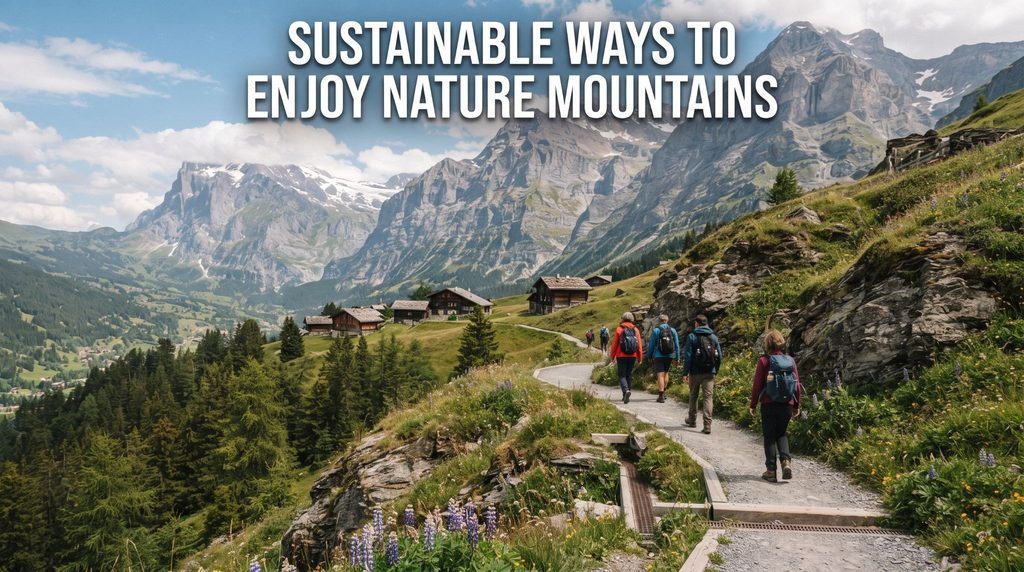
Growing interest in outdoor travel makes responsible behavior increasingly important. Mountain environments can be sensitive, especially in areas with limited infrastructure or fragile alpine ecosystems.
Travelers can reduce their impact by carrying reusable bottles, avoiding unnecessary plastic, respecting wildlife, using marked routes where appropriate, and leaving natural objects where they belong. Small actions become especially important when thousands of visitors travel through the same landscape.
Choosing locally owned accommodation, guides, and businesses can also help mountain communities benefit from tourism.
FAQs
Why are mountain landscapes popular with travelers?
They offer dramatic scenery, outdoor activities, peaceful surroundings, and opportunities to experience diverse ecosystems and local cultures.
What should I pack for a mountain trip?
Pack suitable clothing for changing weather, comfortable footwear, water, basic navigation tools, and any equipment needed for planned activities.
Is hiking suitable for beginners?
Yes. Many mountain destinations have short and manageable trails, but beginners should choose routes that match their fitness and experience.
How can travelers protect fragile mountain environments?
Stay on appropriate trails, avoid disturbing wildlife, carry waste away, reduce plastic use, and follow local conservation guidance.
Are mountain destinations worth visiting in winter?
Yes, but winter travel requires additional preparation because snow, ice, road closures, and cold temperatures can affect access and safety.
Conclusion
Mountain landscapes offer far more than impressive views. They provide space for adventure, quiet reflection, cultural discovery, and a closer understanding of the natural world. Whether you spend a few hours walking through a forested valley or several days exploring high-altitude trails, the experience is often shaped by slowing down and paying attention to the environment around you.
The most rewarding journey is not necessarily the one that reaches the highest summit. It is the one planned responsibly, experienced with curiosity, and remembered for the moments when the landscape makes you feel genuinely connected to the world beyond everyday life.
Read More: Mountain Destinations: The Ultimate Guide to Epic Peaks, Scenic Towns and Unforgettable Adventures

I am a travel enthusiast who loves exploring India’s beautiful destinations, culture, history, food, and hidden places. Through my travel website, I aim to help travelers discover amazing places in India and plan memorable trips with useful travel information and tips.