Along the sacred banks of the Ganges in Varanasi, Kashi Vishwanath stands as one of India’s most revered temples and an important destination for Hindu pilgrims. Dedicated to Lord Shiva, the temple is traditionally recognized as one of the twelve Jyotirlingas and has drawn devotees for centuries. Its location in the heart of Varanasi places visitors within a remarkable landscape of ancient lanes, colorful markets, historic ghats, devotional music, and timeless spiritual traditions.
A visit to Kashi Vishwanath is about more than seeing a famous temple. The experience begins as you move through the lively streets of the old city and continues with the atmosphere of the temple complex, nearby ghats, and evening ceremonies along the Ganges. Whether you arrive for pilgrimage, cultural exploration, or a deeper experience of Varanasi, understanding darshan arrangements, temple etiquette, transportation, accommodation, and the best time to visit can make your journey considerably easier.
Why Kashi Vishwanath Is So Important
The religious significance of Kashi Vishwanath is deeply connected with Lord Shiva and the ancient spiritual identity of Varanasi, also known as Kashi.
One of the Twelve Jyotirlingas
The temple is traditionally regarded as one of the twelve Jyotirlingas, making it one of the most important Shiva temples for Hindu devotees.
Sacred Significance of Kashi
Varanasi has long been considered a sacred city, and the Kashi Vishwanath Temple occupies a central position in its religious landscape.
A Place of Pilgrimage
Devotees visit to offer prayers, perform rituals, and seek blessings. The experience can be especially meaningful for those following a pilgrimage tradition passed through generations.
History of Kashi Vishwanath Temple
The history of Kashi Vishwanath reflects the complex and changing history of Varanasi. The temple has been rebuilt and renovated multiple times over the centuries.
Rebuilt Temple Structure
The present temple structure is associated with the rebuilding of the shrine in the 18th century under the patronage of Maharani Ahilyabai Holkar of Indore.
Golden Temple Domes
The temple is famous for its gold-covered domes and distinctive golden spire, which have become recognizable features of the Varanasi skyline.
Modern Temple Corridor
The Kashi Vishwanath Dham development has significantly transformed access around the temple, connecting the shrine area more directly with the Ganges and improving visitor facilities.
Kashi Vishwanath Temple Architecture
The architecture of Kashi Vishwanath combines traditional Hindu temple design with distinctive details that reflect the shrine’s long history.
Golden Features
The gold-covered domes and spire create a striking appearance, particularly when illuminated against the Varanasi sky.
Sacred Inner Sanctum
The main sanctum houses the revered Jyotirlinga of Lord Shiva. Entry arrangements and access can depend on current temple rules and crowd management.
Kashi Vishwanath Dham
The expanded temple corridor provides broader pathways, visitor facilities, and a more organized approach to the sacred complex while retaining the temple’s central religious character.
Kashi Vishwanath Darshan and Puja Guide
Understanding the current darshan and puja procedures is essential before visiting Kashi Vishwanath, particularly during busy pilgrimage seasons.
Regular Darshan
Devotees can visit according to the temple’s current darshan arrangements. Timings, entry procedures, and crowd-management rules can change, so check official information before traveling.
Special Puja Services
Various puja and worship services may be available through the temple’s official arrangements. Advance booking may be required for certain services.
Security and Belongings
Security checks are part of the temple visit. Restrictions may apply to mobile phones, cameras, bags, electronic devices, and other belongings, so review the latest rules before arrival.
Best Time to Visit Kashi Vishwanath
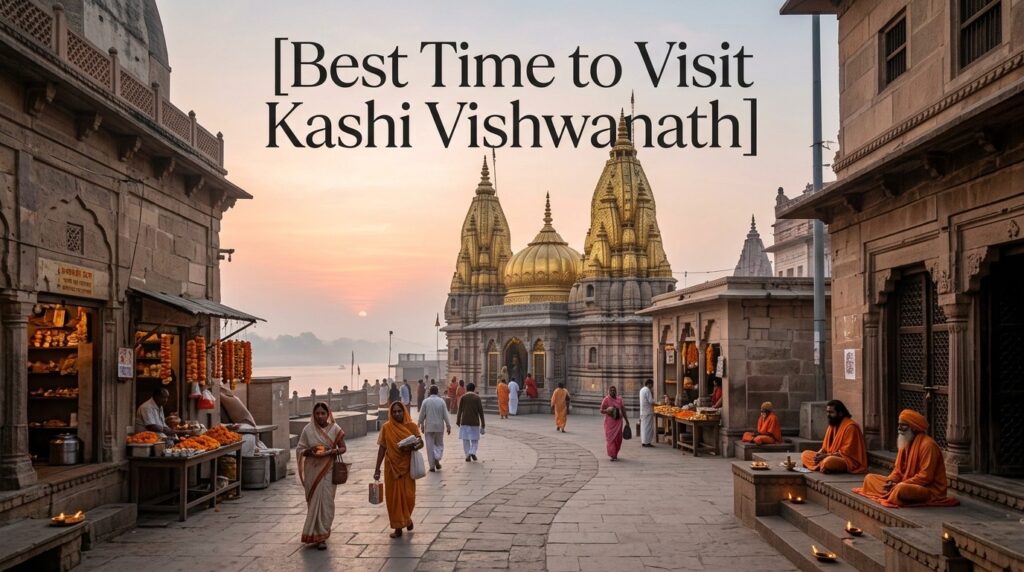
Choosing the right season can make exploring Kashi Vishwanath and the surrounding city much more comfortable.
Winter Season
October through February generally brings cooler conditions, making it pleasant to explore Varanasi’s lanes, ghats, and temples.
Summer Season
March through June can become extremely hot. If traveling during this period, schedule outdoor sightseeing during the early morning or evening and drink plenty of water.
Monsoon Season
Rain can bring humidity and occasional disruptions, but the city can also take on a different atmosphere during the wet season.
Festival Periods
Mahashivratri and other major Hindu festivals can attract exceptionally large crowds. These occasions offer an intense devotional atmosphere but require extra planning and patience.
How to Reach Kashi Vishwanath
Reaching Kashi Vishwanath is relatively convenient because Varanasi has strong air, rail, and road connections. The final part of the journey takes you into the historic old city, where narrow lanes and busy pedestrian areas are part of the experience.
By Air
Lal Bahadur Shastri International Airport serves Varanasi and connects the city with several major Indian destinations. From the airport, taxis and other local transportation can take you toward the city center.
By Train
Varanasi has major railway stations with connections to cities across India. Depending on your arrival station, taxis, auto-rickshaws, and other local services can take you toward the temple area.
By Road
Buses, taxis, and private vehicles connect Varanasi with nearby cities. Road travel can be convenient for travelers combining Varanasi with destinations such as Ayodhya, Prayagraj, or Lucknow.
Reaching the Temple Area
Because the old city contains narrow lanes and pedestrian sections, vehicles may not be able to reach the temple entrance directly. Be prepared to walk part of the way.
Places to Visit Near Kashi Vishwanath
A visit to Kashi Vishwanath becomes even more rewarding when you explore the historic and spiritual attractions surrounding the temple.
Dashashwamedh Ghat
One of Varanasi’s most famous ghats, Dashashwamedh Ghat is an important location for the evening Ganga Aarti and offers a lively view of the riverfront.
Manikarnika Ghat
Known for its important Hindu cremation traditions, Manikarnika Ghat is a deeply significant religious site. Visitors should behave respectfully and avoid intrusive photography.
Kaal Bhairav Temple
Kaal Bhairav is another important Shiva-related shrine in Varanasi and is often included in traditional pilgrimage itineraries.
Sarnath
Located outside the central city, Sarnath is an important Buddhist destination where Gautama Buddha is traditionally believed to have delivered his first sermon.
Ganga Aarti and Varanasi’s Spiritual Atmosphere
The Ganges is central to the spiritual character of Varanasi, and combining a visit to Kashi Vishwanath with time along the river can create a richer experience.
Evening Ganga Aarti
The Ganga Aarti is a visually powerful ceremony featuring lamps, devotional prayers, music, and chanting along the riverfront.
Sunrise by the Ganges
Early morning is one of the most peaceful times to experience Varanasi. A boat ride at sunrise can offer beautiful views of the ghats as the city slowly awakens.
Explore the Ghats
Walking along the riverfront provides glimpses into daily life, religious ceremonies, pilgrims, local vendors, and centuries-old traditions.
Where to Stay in Varanasi
Choosing accommodation near the main attractions can make your Kashi Vishwanath trip more convenient, especially if you plan early morning temple visits.
Hotels Near the Old City
Staying close to the temple and ghats reduces travel time and makes it easier to explore the area on foot.
Budget Accommodation
Varanasi has many affordable guesthouses, hostels, and budget hotels suitable for pilgrims and backpackers.
Comfortable Hotels
Travelers seeking more comfort can find properties with air conditioning, private bathrooms, restaurants, room service, and river views.
Stay Near the Ganges
A riverside property can provide easy access to the ghats and beautiful sunrise or sunset views, although some old-city accommodations may involve walking through narrow lanes.
Local Food to Try During Your Kashi Vishwanath Trip
A visit to Kashi Vishwanath is also an opportunity to experience the distinctive food culture of Varanasi. The city is famous for vegetarian dishes, traditional sweets, snacks, and refreshing drinks.
Popular Varanasi Snacks
Try local favorites such as kachori-sabzi, tamatar chaat, samosa, and other vegetarian street foods. Choose clean, busy food stalls or established restaurants.
Banarasi Sweets
Jalebi, rabri, malaiyyo during its seasonal availability, and other traditional sweets are popular choices for visitors exploring the city’s food scene.
Banarasi Paan
Banarasi paan is closely associated with the city’s culture. If you want to try it, choose a reputable local shop and ask about the ingredients if you have dietary restrictions.
Practical Travel Tips for Kashi Vishwanath
A little preparation can make your Kashi Vishwanath visit considerably easier, particularly during festivals and busy pilgrimage periods.
Check Official Temple Information
Darshan timings, entry arrangements, puja bookings, security procedures, and restrictions can change. Check the latest information through official temple sources before traveling.
Carry Only Essential Items
Security restrictions may apply to bags, phones, cameras, and electronic devices. Carry as little as possible and follow current instructions about lockers or designated storage.
Dress Respectfully
Choose modest, comfortable clothing appropriate for a sacred religious environment. If you plan to participate in a specific ritual, check whether additional dress requirements apply.
Allow Extra Time
Crowds, security checks, pedestrian lanes, and local traffic can make short distances take longer than expected. Avoid scheduling important activities too tightly.
Stay Hydrated
Varanasi can become very hot, particularly in summer. Carry water where permitted and take regular breaks during long walks.
Best Experiences Beyond Kashi Vishwanath
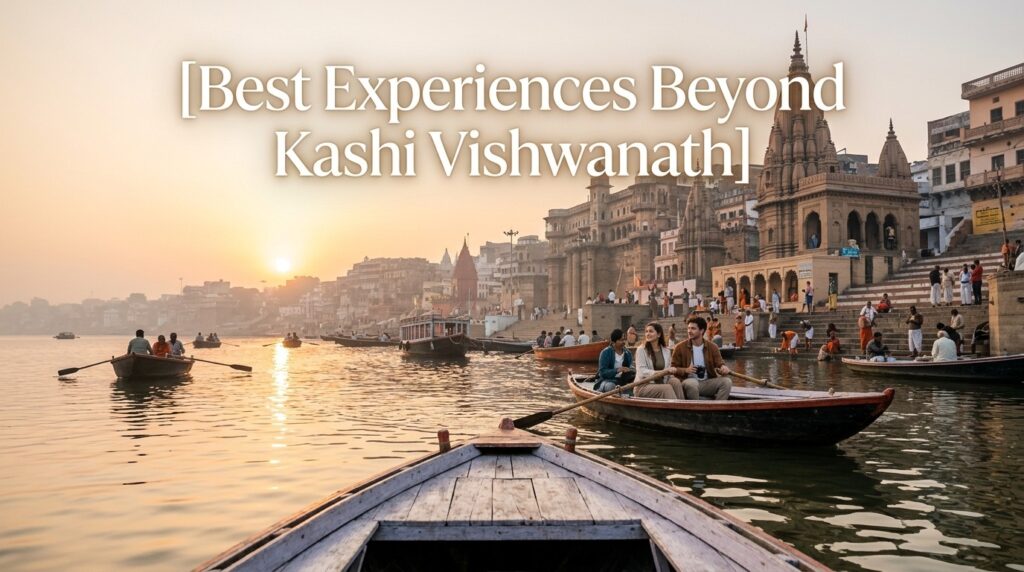
Although Kashi Vishwanath may be the main reason for your visit, Varanasi rewards travelers who take time to experience the city’s wider cultural landscape.
Take a Sunrise Boat Ride
Watching the first light spread across the Ganges while the ghats slowly come alive is one of Varanasi’s most memorable experiences.
Wander Through the Old Lanes
The narrow streets around the temple reveal small shrines, traditional shops, local homes, food stalls, and unexpected architectural details.
Experience Evening Varanasi
After sunset, the riverfront becomes vibrant with ceremonies, lamps, music, and visitors gathering along the ghats.
Visit Sarnath
If your schedule allows, dedicate part of a day to Sarnath for a quieter experience focused on Buddhist history and archaeology.
FAQs
What is Kashi Vishwanath famous for?
Kashi Vishwanath is one of India’s most revered Shiva temples and is traditionally recognized as one of the twelve Jyotirlingas. It is located in the sacred city of Varanasi.
What is the best time to visit Kashi Vishwanath?
October through February generally offers more comfortable weather. Major festivals can be spiritually vibrant but attract very large crowds.
How long do you need in Varanasi for Kashi Vishwanath?
Two to three days is a good starting point for visiting the temple, exploring major ghats, experiencing the Ganga Aarti, and seeing nearby attractions.
What should I carry when visiting Kashi Vishwanath?
Carry identification and essential personal items, but avoid unnecessary bags and electronic devices because temple security rules may restrict certain belongings.
What can I visit near Kashi Vishwanath?
Dashashwamedh Ghat, Manikarnika Ghat, Kaal Bhairav Temple, the Ganges riverfront, and Sarnath are among the notable places to include in a Varanasi itinerary.
Conclusion:
A journey to Kashi Vishwanath offers much more than a visit to a famous temple. It opens the door to Varanasi’s ancient spiritual traditions, sacred riverfront, historic lanes, devotional ceremonies, and distinctive local culture. From offering prayers at the Jyotirlinga and witnessing the Ganga Aarti to taking a peaceful sunrise boat ride and exploring the city’s historic neighborhoods, every part of the journey can reveal something different. Plan your temple visit carefully, check current entry requirements, respect local customs, and leave enough time to experience Varanasi beyond its main attraction. With thoughtful preparation, a trip to Kashi Vishwanath can become a deeply memorable spiritual and cultural experience.
Read More:Sawariya Seth Ji Mandir: History, Timings & Travel Guide

I am a travel enthusiast who loves exploring India’s beautiful destinations, culture, history, food, and hidden places. Through my travel website, I aim to help travelers discover amazing places in India and plan memorable trips with useful travel information and tips.