The Faroe Islands are one of Europe’s last truly untouched destinations, where dramatic cliffs, colorful villages, roaring waterfalls, and endless ocean views create landscapes unlike anywhere else on Earth. Tucked away between Iceland and Norway in the North Atlantic Ocean, this breathtaking archipelago remains a hidden treasure for travelers seeking authentic experiences instead of crowded tourist hotspots. Whether you dream of hiking along towering sea cliffs, watching puffins in their natural habitat, or driving through picturesque mountain roads, Faroe Islands Travel offers an unforgettable adventure filled with raw natural beauty and peaceful surroundings. Every journey through these islands feels like stepping into a real-life fairytale where nature takes center stage.
In recent years, Faroe Islands Travel has become increasingly popular among photographers, hikers, and nature lovers looking for destinations beyond the usual European cities. Despite its growing popularity, the islands have managed to preserve their unique culture, welcoming local communities, and breathtaking scenery. From the iconic village of Gásadalur and the famous Múlafossur Waterfall to dramatic hiking trails, charming turf-roofed houses, and scenic coastal drives, every island has something extraordinary to offer. This complete 2026 travel guide covers everything you need to know before planning your Faroe Islands Travel, including the best time to visit, top attractions, transportation, accommodation, travel costs, local food, safety tips, and practical advice for an unforgettable trip.
Why Choose Faroe Islands Travel in 2026?
Few destinations in Europe offer the same combination of untouched landscapes, peaceful villages, and dramatic coastal scenery as the Faroe Islands. Unlike many popular tourist destinations, the islands remain refreshingly uncrowded, allowing visitors to enjoy nature without long queues or heavy traffic.
Whether you’re an adventure seeker, wildlife enthusiast, road trip lover, or photographer, the Faroe Islands provide experiences that are difficult to find elsewhere. Every island feels unique, connected by an impressive network of tunnels, bridges, and ferries that make exploring surprisingly convenient.
Top Reasons to Visit
- Spectacular cliffs overlooking the Atlantic Ocean
- World-famous hiking trails
- Incredible waterfalls
- Charming Scandinavian villages
- Puffin and seabird watching
- Scenic road trips
- Peaceful atmosphere
- Excellent photography opportunities
- Rich Nordic culture
- Safe destination for travelers
Where Are the Faroe Islands Located?
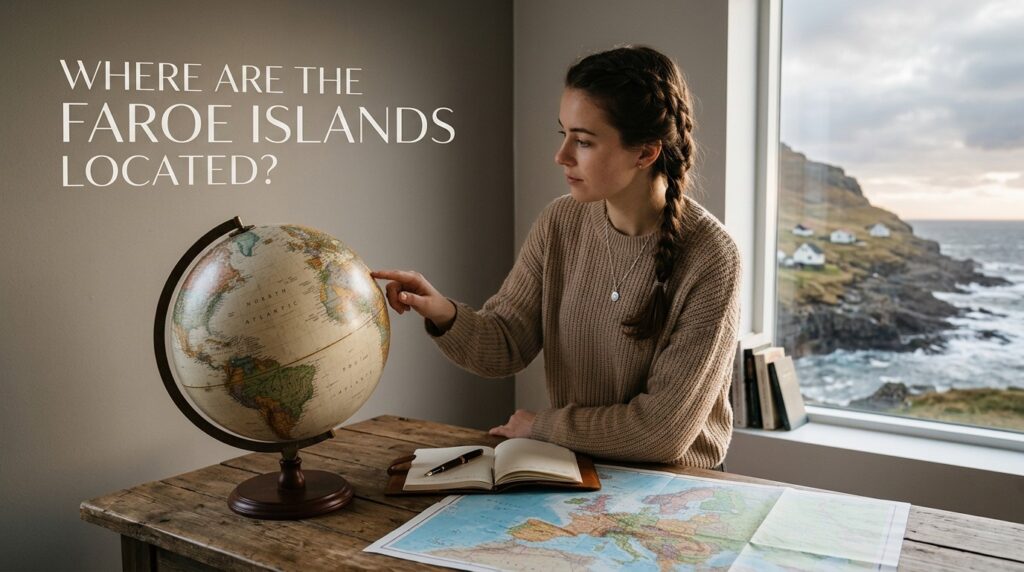
The Faroe Islands are a self-governing territory within the Kingdom of Denmark, situated in the North Atlantic Ocean between Iceland, Norway, and Scotland. The archipelago consists of 18 volcanic islands, each connected by tunnels, bridges, ferries, or causeways.
Although relatively small in size, the islands offer an incredible variety of landscapes, from steep mountains and green valleys to dramatic coastlines and remote fishing villages.
Quick Facts
- Country: Kingdom of Denmark
- Capital: Tórshavn
- Number of Islands: 18
- Currency: Danish Krone (DKK)
- Language: Faroese and Danish
- Driving Side: Right-hand side
- Time Zone: Western European Time (WET)
Why the Location Is Special
Because the Faroe Islands sit in the middle of the North Atlantic, they experience constantly changing weather and spectacular ocean views. Their isolated location has helped preserve both their natural beauty and centuries-old traditions, making them one of Europe’s most distinctive travel destinations.
What Is the Best Time for Faroe Islands Travel?
Choosing the right season can significantly shape your experience. While the Faroe Islands can be visited year-round, each season offers something different, from lush green landscapes in summer to dramatic winter scenery.
Summer (June to August)
Summer is the most popular season for Faroe Islands Travel. Long daylight hours, milder temperatures, and accessible hiking trails make it the ideal time to explore the islands.
Perfect for:
- Hiking
- Road trips
- Puffin watching
- Boat tours
- Camping
- Photography
Spring (April to May)
Spring brings blooming landscapes, fewer visitors, and peaceful hiking conditions. It’s an excellent season for travelers looking to avoid peak tourist crowds.
Autumn (September to October)
Autumn transforms the islands with vibrant colors and dramatic skies. Photographers often consider this one of the best times to capture the Faroe Islands’ rugged beauty.
Winter (November to March)
Winter offers a completely different atmosphere. Snow-covered mountains, powerful Atlantic storms, and quiet villages create unforgettable scenery, although weather conditions can occasionally affect transportation.
What Are the Best Places to Visit During Faroe Islands Travel?
Every island offers something unique, but several destinations have become must-visit landmarks for first-time travelers.
Tórshavn
One of the world’s smallest capitals, Tórshavn combines colorful harbor views, historic buildings, cozy cafés, museums, and excellent restaurants. It’s also the perfect base for exploring the rest of the islands.
Gásadalur Village
This tiny village became world-famous thanks to its breathtaking location surrounded by mountains and sea cliffs. The peaceful atmosphere and spectacular scenery make it one of the Faroe Islands’ most photographed locations.
Múlafossur Waterfall
Flowing directly into the Atlantic Ocean, Múlafossur Waterfall is one of the Faroe Islands’ most iconic natural attractions. The combination of dramatic cliffs, crashing waves, and cascading water creates an unforgettable view.
Saksun
Known for its traditional turf-roofed houses and stunning lagoon, Saksun feels like stepping back in time. The quiet surroundings and picturesque landscapes make it a favorite stop for photographers and nature lovers.
Gjógv
This charming village is famous for its natural sea-filled gorge, colorful houses, and scenic walking trails. It’s one of the best places to experience authentic Faroese village life while enjoying spectacular coastal views.
What Are the Best Things to Do During Faroe Islands Travel?
Whether you’re an outdoor adventurer, a wildlife enthusiast, or someone who simply loves breathtaking scenery, Faroe Islands Travel offers unforgettable experiences at every turn. The islands are filled with dramatic hiking trails, charming villages, scenic coastal drives, and unique cultural attractions that appeal to every type of traveler.
Go Hiking Through Spectacular Landscapes
The Faroe Islands are considered one of Europe’s best hiking destinations. Trails lead across towering cliffs, green mountains, hidden waterfalls, and remote valleys where you’ll often walk for hours without seeing large crowds.
Popular hikes include:
- Lake Sørvágsvatn (The Floating Lake)
- Trælanípa Cliff
- Klakkur Mountain
- Slættaratindur, the highest mountain in the Faroe Islands
Always check the local weather before setting out, as conditions can change quickly.
Take a Scenic Road Trip
Driving is one of the best ways to explore the islands. Modern subsea tunnels, mountain roads, and picturesque bridges connect most of the major islands, making every journey part of the adventure.
You’ll discover:
- Small fishing villages
- Coastal viewpoints
- Hidden waterfalls
- Peaceful countryside
- Dramatic ocean scenery
Experience Faroese Wildlife
The islands are home to thousands of seabirds, including the famous Atlantic puffin during the summer months. Boat tours also offer opportunities to spot seals, dolphins, and occasionally whales.
How to Get to the Faroe Islands?
Although the Faroe Islands feel wonderfully remote, getting there is surprisingly straightforward thanks to regular flights and seasonal ferry services.
Flying to the Faroe Islands
The easiest way to reach the islands is by air. Vágar Airport is the country’s only international airport and welcomes flights from several major European cities.
Popular departure cities include:
- Copenhagen
- Reykjavík
- Edinburgh
- Paris (seasonal)
- Oslo (seasonal)
Booking several months in advance often provides the best airfare, especially for summer travel.
Arriving by Ferry
Travelers with their own vehicle may prefer the ferry service from Denmark. The journey takes longer but offers a unique way to arrive while bringing a car or campervan.
Getting Around After Arrival
Once you arrive, transportation is simple thanks to the islands’ excellent infrastructure.
Options include:
- Rental cars
- Public buses
- Ferries
- Helicopter services between selected islands
- Guided tours
Most visitors choose a rental car because it offers the greatest flexibility.
What Is the Weather Like During Faroe Islands Travel?
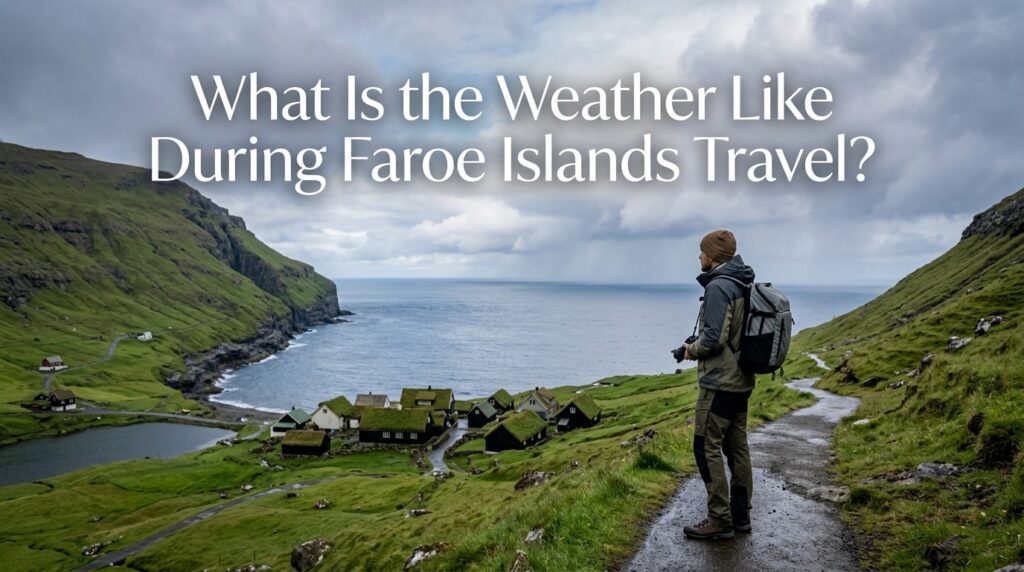
Weather is one of the most fascinating aspects of Faroe Islands Travel. It’s often said that you can experience four seasons in a single day, and that saying is surprisingly accurate.
The Gulf Stream helps keep temperatures relatively mild throughout the year, but rain, sunshine, fog, and strong winds can all appear within a few hours.
Average Temperatures
- Spring: 4°C to 8°C
- Summer: 10°C to 15°C
- Autumn: 7°C to 11°C
- Winter: 2°C to 6°C
Although temperatures rarely become extreme, waterproof clothing is essential.
Packing for the Weather
Bring clothing that can easily be layered.
Recommended items include:
- Waterproof jacket
- Windproof outer layer
- Hiking boots
- Warm fleece
- Gloves
- Beanie
- Backpack rain cover
Good preparation allows you to enjoy the islands regardless of changing conditions.
How Much Does Faroe Islands Travel Cost?
The Faroe Islands are generally more expensive than many European destinations, but careful planning can help you manage your budget without missing the best experiences.
Budget Travelers
Estimated daily budget:
- Accommodation: €40 to €90
- Food: €20 to €40
- Transportation: €20 to €50
Approximate daily total:
€80 to €180
Mid-Range Travelers
Estimated daily budget:
- Hotels
- Restaurant meals
- Rental car
- Popular attractions
Approximate daily total:
€180 to €300
Luxury Travelers
Visitors seeking luxury hotels, fine dining, private tours, and premium experiences should expect to spend approximately:
€350+ per day
Money-Saving Tips
You can reduce costs by:
- Booking flights early
- Traveling during the shoulder season
- Staying in guesthouses
- Preparing some meals yourself
- Sharing rental cars with travel companions
- Visiting free natural attractions
Although prices are higher than average, the unforgettable landscapes make the experience well worth the investment.
Where to Stay During Faroe Islands Travel?
Choosing the right place to stay can make your Faroe Islands Travel experience even more enjoyable. Although the islands are relatively small, each area offers a different atmosphere. Some are ideal for sightseeing, while others are perfect for hiking, photography, or relaxing in peaceful surroundings.
Stay in Tórshavn
The capital city is the most popular base for first-time visitors. It offers the widest selection of hotels, restaurants, cafés, supermarkets, and tour operators. Staying here also makes it easy to explore other islands by car or public transport.
Best for:
- First-time visitors
- Families
- Couples
- Food lovers
- Travelers without a rental car
Stay Near Vágar Island
If your itinerary focuses on iconic attractions like Múlafossur Waterfall, Gásadalur, and Lake Sørvágsvatn, staying on Vágar Island can save valuable travel time.
Guesthouses and Holiday Homes
Many locals rent comfortable guesthouses and holiday cottages that provide an authentic Faroese experience. These accommodations are often quieter than hotels and offer stunning views of the mountains or ocean.
Booking Tips
For the best experience:
- Reserve accommodation several months in advance for summer.
- Choose free cancellation whenever possible.
- Stay near your planned activities to reduce driving time.
- Read recent guest reviews before booking.
What Local Food Should You Try During Faroe Islands Travel?
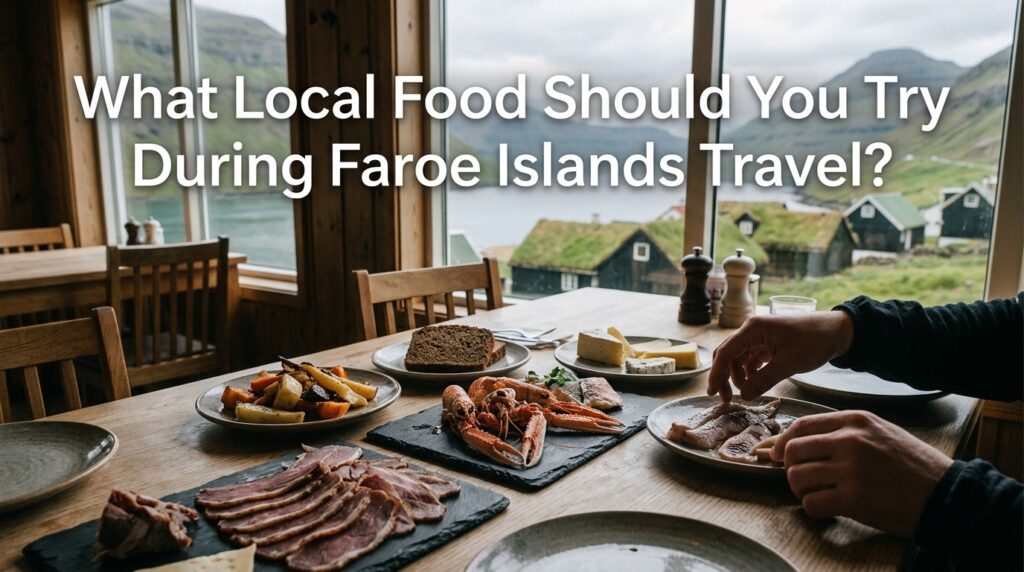
One of the highlights of Faroe Islands Travel is discovering the islands’ unique Nordic cuisine. Fresh seafood, locally raised lamb, and traditional recipes have shaped Faroese food culture for centuries.
Fresh Seafood
The surrounding Atlantic Ocean provides some of Europe’s freshest seafood. Many local restaurants serve salmon, cod, haddock, shellfish, and other seasonal catches prepared with simple, high-quality ingredients.
Faroese Lamb
The Faroe Islands are famous for their free-roaming sheep, and locally produced lamb is considered one of the country’s signature dishes. Its rich flavor reflects the animals’ natural diet and rugged environment.
Traditional Specialties
Travelers looking for authentic culinary experiences may also encounter traditional Faroese foods that have been preserved using age-old methods. While some flavors can be adventurous, they offer a fascinating insight into local history and culture.
Modern Nordic Dining
In recent years, talented chefs have combined traditional ingredients with modern cooking techniques, creating world-class dining experiences that attract food lovers from around the globe.
Is Faroe Islands Travel Safe for Tourists?
Yes. The Faroe Islands are considered one of the safest travel destinations in Europe. Crime rates are extremely low, and both locals and visitors enjoy a peaceful environment.
Even so, nature deserves respect. Rapid weather changes, steep cliffs, and remote hiking trails require careful planning and sensible precautions.
Safety Tips
To enjoy a safe trip:
- Check the weather before hiking.
- Stay on marked trails.
- Avoid walking too close to cliff edges.
- Tell someone your hiking plans.
- Carry enough water and snacks.
- Keep your phone fully charged.
Driving Safety
Roads are well maintained, but some mountain routes are narrow and weather conditions can change quickly. Drive carefully, especially in fog or strong winds.
Emergency Services
Emergency services are reliable, and medical facilities are available throughout the islands. Travel insurance is strongly recommended for international visitors.
What Should You Pack for Faroe Islands Travel?
Packing wisely is essential because the weather can change several times in a single day. Bringing the right clothing and equipment will help you stay comfortable throughout your adventure.
Essential Clothing
Layering is the key to staying comfortable.
Pack:
- Waterproof jacket
- Windproof coat
- Warm fleece
- Thermal base layers
- Hiking trousers
- Waterproof hiking boots
- Wool socks
- Gloves
- Warm hat
Travel Essentials
Don’t forget:
- Power bank
- Camera
- Extra memory cards
- Universal travel adapter
- Reusable water bottle
- Sunglasses
- Small first-aid kit
- Day backpack
Photography Equipment
The Faroe Islands are a paradise for photographers. If photography is one of your priorities, consider bringing:
- Wide-angle lens
- Tripod
- Drone (where permitted)
- Lens cleaning cloth
- Waterproof camera cover
Being well prepared means you can focus on enjoying the breathtaking landscapes instead of worrying about changing weather conditions.
What Is the Best 5-Day Faroe Islands Travel Itinerary?
If you’re visiting for the first time, a five-day itinerary gives you enough time to experience the Faroe Islands’ breathtaking landscapes, charming villages, and unforgettable hiking trails without feeling rushed.
Day 1: Explore Tórshavn
Begin your journey in the capital city by exploring the historic Tinganes district, colorful harbor, local cafés, museums, and boutique shops before enjoying a traditional Faroese dinner.
Day 2: Visit Vágar Island
Spend the day discovering some of the islands’ most famous attractions, including Gásadalur Village, Múlafossur Waterfall, and the spectacular Lake Sørvágsvatn hiking trail.
Day 3: Discover Northern Villages
Drive through scenic mountain roads to visit Saksun, Tjørnuvík, Gjógv, and other picturesque villages while stopping at panoramic viewpoints along the way.
Day 4: Hiking and Wildlife
Choose one of the Faroe Islands’ famous hiking trails and keep an eye out for Atlantic puffins during the summer months. End the day with sunset photography overlooking the Atlantic Ocean.
Day 5: Hidden Gems and Local Culture
Visit lesser-known villages, browse local craft shops, enjoy authentic Faroese cuisine, and spend your final afternoon soaking in the peaceful atmosphere before departing.
What Hidden Gems Should You Explore During Faroe Islands Travel?
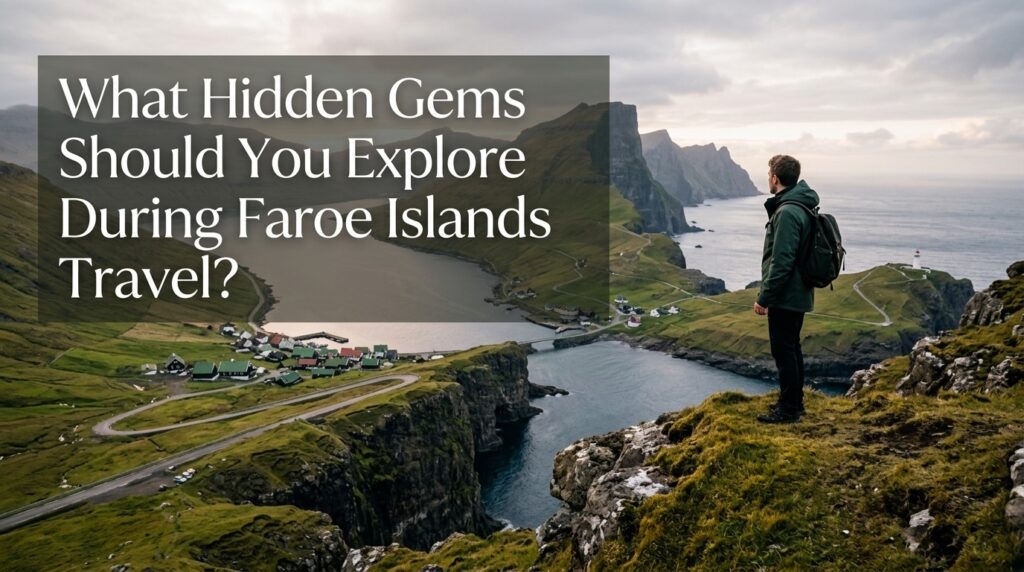
While famous attractions attract most visitors, some of the Faroe Islands’ greatest treasures remain hidden away in quiet villages and remote coastal landscapes.
Kirkjubøur
This historic village is home to one of the Faroe Islands’ oldest settlements, medieval ruins, and the country’s oldest inhabited wooden house.
Funningur
Surrounded by dramatic mountains and a peaceful fjord, Funningur offers spectacular scenery with far fewer visitors than the more popular destinations.
Viðareiði
Located on the northernmost inhabited island, this beautiful village provides breathtaking coastal views and excellent hiking opportunities.
Kalsoy Island
Often called the “James Bond Island,” Kalsoy is famous for the Kallur Lighthouse, dramatic cliffs, and one of the most scenic hikes in the Faroe Islands.
These lesser-known destinations provide a quieter and more authentic travel experience while showcasing the incredible diversity of the archipelago.
Final Travel Tips for Faroe Islands Travel
Planning ahead will help you enjoy every moment of your Faroe Islands Travel adventure. Although the islands are easy to explore, changing weather conditions and limited accommodation mean a little preparation goes a long way.
Book Early
Hotels, rental cars, and flights often sell out months in advance during the summer season. Booking early usually gives you the best prices and more accommodation choices.
Stay Flexible
Weather conditions can change quickly, so keep your itinerary flexible. If one hiking trail is closed due to weather, there are always other incredible places to explore.
Respect Nature
The Faroe Islands are known for their untouched beauty. Stay on marked paths, avoid disturbing wildlife, and help preserve these remarkable landscapes for future visitors.
Drive Carefully
Road conditions are generally excellent, but fog, rain, and strong winds can reduce visibility. Allow extra time when driving between islands.
Take Your Time
Rather than rushing from one attraction to another, slow down and enjoy the peaceful villages, dramatic scenery, and friendly local culture that make the Faroe Islands so special.
FAQs
Is Faroe Islands Travel expensive?
Yes, the Faroe Islands are generally more expensive than many European destinations. However, planning ahead, traveling during the shoulder season, booking accommodation early, and visiting free natural attractions can help reduce your overall travel costs.
Do I need a car for Faroe Islands Travel?
Renting a car is highly recommended because it gives you the freedom to explore remote villages, scenic viewpoints, and hiking trails at your own pace. Public transport is available, but it doesn’t reach every attraction as conveniently.
How many days are enough for Faroe Islands Travel?
A stay of 5 to 7 days is ideal for first-time visitors. This gives you enough time to explore the main islands, enjoy several hikes, visit charming villages, and experience the islands’ spectacular natural beauty without feeling rushed.
Conclusion
If you’re searching for a destination that combines dramatic landscapes, peaceful villages, unforgettable hiking trails, and authentic Nordic culture, Faroe Islands Travel should be at the top of your bucket list. Every island offers something unique, from breathtaking waterfalls and towering sea cliffs to colorful harbors and scenic coastal drives. Whether you’re an adventure enthusiast, photographer, wildlife lover, or simply looking to escape crowded tourist destinations, the Faroe Islands deliver an experience unlike anywhere else in Europe.
With careful planning, flexible travel dates, and a sense of adventure, Faroe Islands Travel can become one of the most memorable journeys you’ll ever take. Take time to explore beyond the famous attractions, connect with the welcoming local communities, and embrace the islands’ ever-changing weather and spectacular scenery. Once you’ve experienced this remarkable North Atlantic paradise, you’ll understand why so many travelers dream of returning again and again.
Read More: My Ultimate Bali Indonesia Travel Guide: Everything You Need to Know for Your 2026 Adventure

I am a travel enthusiast who loves exploring India’s beautiful destinations, culture, history, food, and hidden places. Through my travel website, I aim to help travelers discover amazing places in India and plan memorable trips with useful travel information and tips.