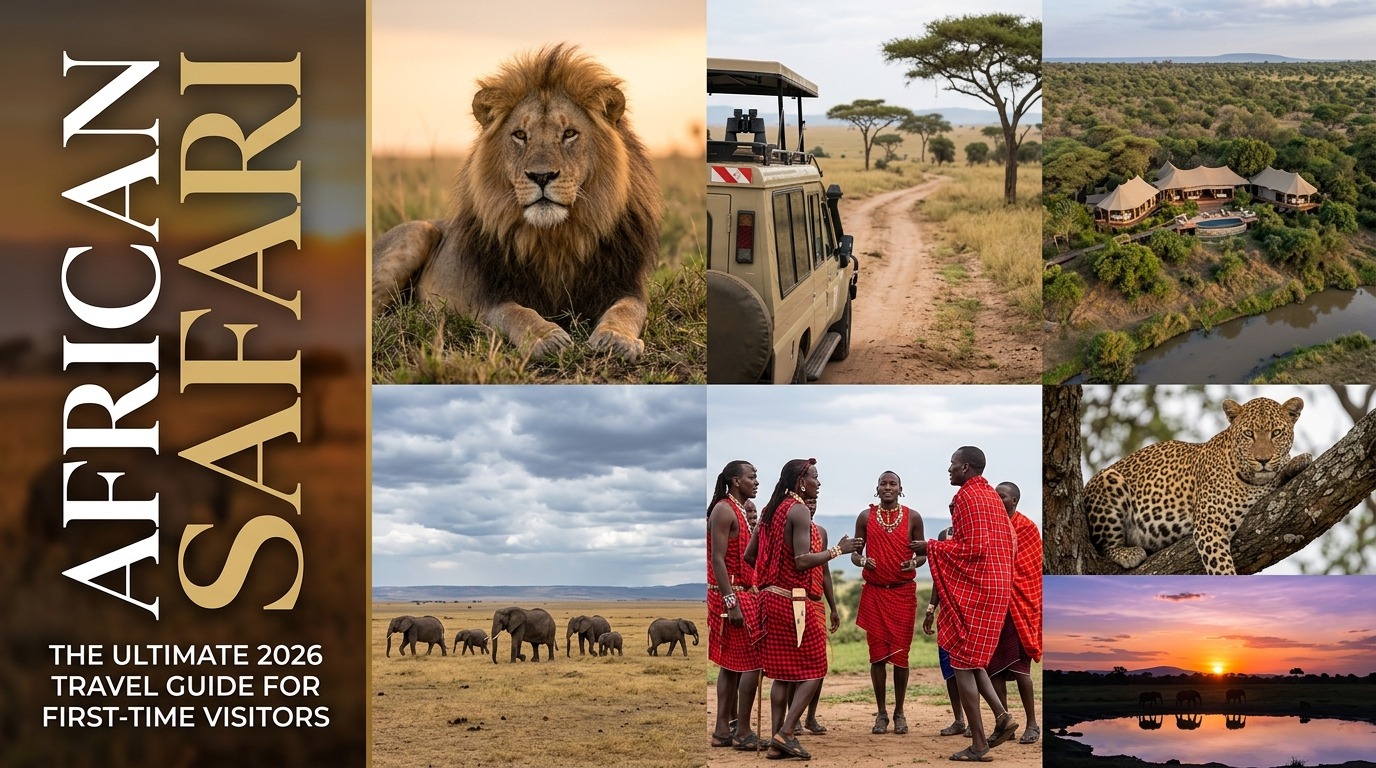
Planning an African Safari is a dream for many travelers, offering the chance to witness some of the world’s most extraordinary wildlife in their natural habitat. From watching lions roam the savannah and elephants gather around watering holes to spotting elusive leopards resting in ancient trees, a safari is unlike any other travel experience. Whether you’re visiting Africa for the first time or returning to explore a different region, careful planning can help you choose the right destination, travel season, accommodation, and safari style to make the most of your adventure.
An African Safari is about much more than seeing wild animals. It is an opportunity to experience breathtaking landscapes, meet local communities, stay in luxury lodges or traditional tented camps, and learn about conservation efforts that protect Africa’s incredible biodiversity. This complete 2026 guide covers everything you need to know before booking your safari, including the best countries to visit, when to travel, expected costs, what animals you can see, safety tips, accommodation options, and expert advice for first-time visitors.
Why Choose an African Safari?
An African Safari offers an unforgettable combination of adventure, nature, and cultural experiences. Unlike a zoo or wildlife park, you’ll observe animals living freely across vast national parks and private reserves, creating moments that are both exciting and authentic.
Every game drive is different. One morning you might watch a pride of lions relaxing after a hunt, while later in the day you could see giraffes browsing treetops, hippos cooling off in rivers, or elephants crossing open grasslands.
Top Reasons to Experience an African Safari
- See the famous Big Five in the wild.
- Explore world-renowned national parks.
- Enjoy breathtaking sunrise and sunset game drives.
- Stay in luxury safari lodges or tented camps.
- Learn about African wildlife and conservation.
- Experience local cultures and traditions.
- Capture incredible wildlife photographs.
- Create unforgettable family or honeymoon memories.
Where Is the Best Place for an African Safari?
Africa is home to dozens of exceptional safari destinations, each offering unique landscapes, wildlife, and travel experiences. Choosing the right country depends on your budget, interests, and the type of safari you want.
Kenya
Kenya is one of the world’s most iconic safari destinations. The Maasai Mara National Reserve is famous for its abundant wildlife and the spectacular Great Migration, where millions of wildebeest and zebras cross the plains each year.
Best for:
- First-time safari visitors
- Big Five sightings
- Great Migration
- Hot air balloon safaris
Tanzania
Tanzania offers some of Africa’s largest protected wildlife areas. The Serengeti National Park is renowned for endless plains filled with lions, cheetahs, elephants, and migrating herds, while the Ngorongoro Crater provides excellent year-round wildlife viewing.
Best for:
- Luxury safaris
- Photography
- Wildlife diversity
- Honeymoon trips
South Africa
South Africa combines outstanding safari experiences with modern infrastructure, making it an excellent choice for self-drive travelers and families.
Kruger National Park is one of Africa’s largest game reserves and offers excellent opportunities to spot the Big Five.
Best for:
- Families
- First-time visitors
- Self-drive safaris
- Luxury lodges
Botswana
Botswana is known for exclusive safari experiences with fewer crowds. The Okavango Delta, a UNESCO World Heritage Site, offers unique wildlife viewing by traditional mokoro canoe and guided boat safaris.
Best for:
- Luxury travelers
- Birdwatching
- Exclusive safaris
- Water-based wildlife experiences
Namibia
Namibia offers a completely different safari experience with dramatic desert landscapes, rugged mountains, and unique wildlife.
Etosha National Park is famous for its waterholes, where animals gather throughout the dry season.
Best for:
- Self-drive adventures
- Desert landscapes
- Photography
- Smaller crowds
What Is the Best Time to Go on an African Safari?
The best time for an African Safari depends on the destination and the wildlife experience you’re hoping to enjoy. In general, the dry season is considered the best period because animals gather around rivers and waterholes, making them easier to spot.
Dry Season (June to October)
This is the most popular safari season across much of Africa.
Advantages include:
- Easier wildlife viewing
- Pleasant temperatures
- Fewer mosquitoes
- Better road conditions
- Excellent photography opportunities
Because this is peak travel season, it’s recommended to book accommodation and safari tours several months in advance.
Green Season (November to May)
The rainy or green season transforms many national parks into lush landscapes filled with newborn animals and migratory birds.
Benefits include:
- Lower accommodation prices
- Fewer tourists
- Beautiful green scenery
- Excellent birdwatching
- Great opportunities for photography
Although wildlife can be more difficult to spot due to thicker vegetation, many travelers appreciate the quieter atmosphere and better value.
How Many Days Do You Need for an African Safari?
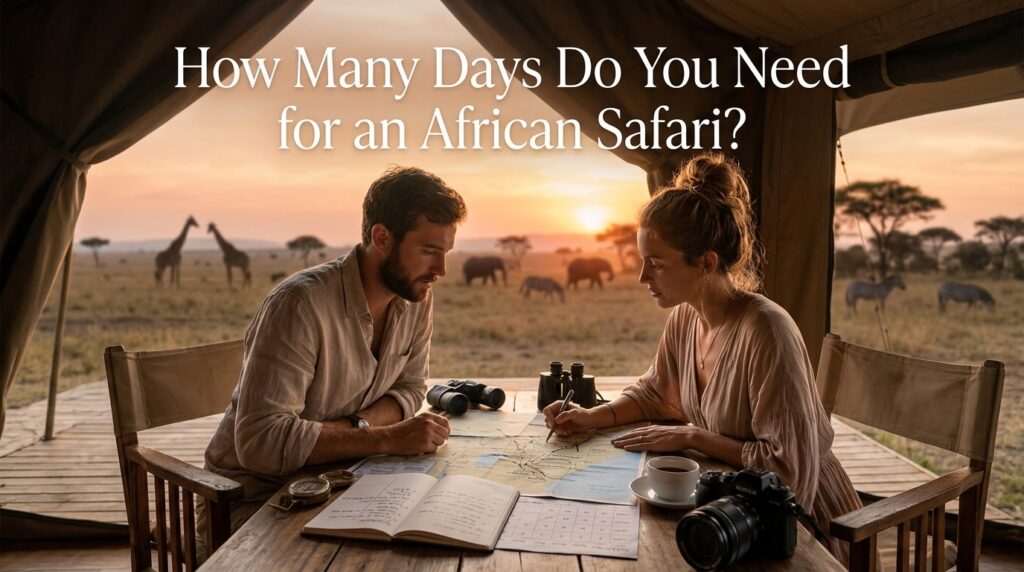
The ideal safari length depends on your budget and travel goals.
3 to 4 Days
Perfect for travelers with limited time. A short safari usually includes several game drives and opportunities to see many of Africa’s famous animals.
5 to 7 Days
A one-week safari provides a more relaxed pace and allows you to explore multiple national parks or private reserves.
This is the most popular option for first-time visitors.
10 to 14 Days
Longer safaris allow you to combine several countries or ecosystems while enjoying a wider variety of wildlife experiences.
Many travelers combine a safari with a beach holiday in destinations such as Zanzibar or Mauritius.
What Animals Can You See on an African Safari?
One of the biggest reasons people book an African Safari is the incredible diversity of wildlife. While every safari is unique, most visitors hope to spot the famous Big Five, originally named by hunters as the most difficult animals to track on foot.
The Big Five
- Lion
- Leopard
- Elephant
- African Buffalo
- Rhinoceros
Seeing all five during one safari is possible in several parks, although leopard and rhino sightings often require a bit more patience and luck.
Other Incredible Wildlife
Depending on the destination, you may also see:
- Cheetahs
- Giraffes
- Zebras
- Wildebeest
- Hippopotamuses
- Crocodiles
- Hyenas
- African Wild Dogs
- Warthogs
- Jackals
- Ostriches
- Flamingos
- Eagles
- Vultures
- Hundreds of bird species
Every game drive offers something different, making each day on safari a new adventure. Experienced guides use their knowledge of animal behavior, tracks, and recent sightings to maximize your chances of encountering wildlife while respecting the natural environment.
How Much Does an African Safari Cost?
The cost of an African Safari varies depending on the country you visit, the time of year, the type of accommodation you choose, and whether you join a guided tour or arrange your own trip. While safaris are often considered luxury vacations, there are excellent options for every budget, from affordable camping adventures to world-class private lodges.
Booking well in advance, traveling during the shoulder season, and comparing safari packages can help you save money without compromising your experience.
Budget African Safari
Budget safaris are ideal for backpackers, students, and travelers looking for an unforgettable wildlife adventure at a lower cost.
Estimated Daily Budget
| Expense | Estimated Cost (€) |
| Budget Lodge or Camping | €60–€120 |
| Meals | €20–€35 |
| Shared Game Drives | €40–€80 |
| Park Fees | €30–€80 |
| Transport | €20–€50 |
Estimated Total: €170–€365 per day
Mid-Range African Safari
Mid-range safaris offer a balance between comfort and value, making them the most popular choice for couples and families.
Estimated Daily Budget
| Expense | Estimated Cost (€) |
| Safari Lodge | €180–€350 |
| Meals | Usually Included |
| Game Drives | Often Included |
| Park Fees | €40–€100 |
| Transport | €40–€80 |
Estimated Total: €250–€500 per day
Luxury African Safari
Luxury safaris include premium lodges, private game drives, gourmet dining, and personalized wildlife experiences.
Expect to spend:
€700 to €2,000+ per person per day
Luxury packages often include airport transfers, guided game drives, meals, drinks, and exclusive safari activities.
Where Should You Stay on an African Safari?
Choosing the right accommodation is one of the most important parts of planning an African Safari. Each option offers a different experience, so your choice should depend on your budget, travel style, and comfort preferences.
Luxury Safari Lodges
Luxury lodges combine exceptional comfort with incredible wildlife viewing.
Typical features include:
- Spacious suites
- Private decks
- Infinity pools
- Fine dining
- Professional safari guides
- Daily game drives
Many luxury lodges overlook rivers or watering holes where wildlife can often be seen without leaving your room.
Tented Safari Camps
Tented camps offer an authentic safari atmosphere while still providing comfortable beds, private bathrooms, and excellent hospitality.
Many travelers consider this the perfect balance between adventure and comfort.
Expect:
- Comfortable canvas tents
- En-suite bathrooms
- Guided safari activities
- Campfire dinners
- Stunning natural surroundings
Budget Campsites
Camping safaris provide an affordable way to experience Africa’s national parks.
Facilities usually include:
- Shared bathrooms
- Dining tents
- Organized game drives
- Experienced safari guides
This option is especially popular with younger travelers and adventure seekers.
Guided Safari or Self-Drive Safari: Which Is Better?
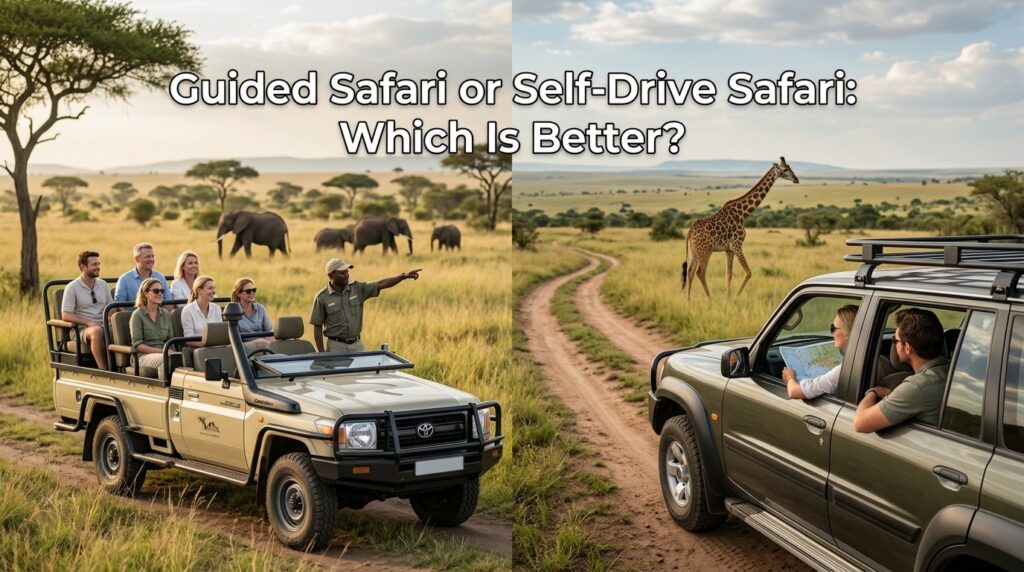
One of the biggest decisions when planning an African Safari is choosing between a professionally guided safari and a self-drive adventure.
Guided Safari
A guided safari is recommended for most first-time visitors.
Advantages include:
- Expert wildlife guides
- Easier animal spotting
- No navigation stress
- Greater safety
- Local knowledge
- Educational experience
Professional guides understand animal behavior and know where recent wildlife sightings have occurred, increasing your chances of unforgettable encounters.
Self-Drive Safari
Self-drive safaris are popular in countries with excellent road infrastructure, particularly South Africa and Namibia.
Benefits include:
- Complete travel flexibility
- Lower overall costs
- Travel at your own pace
- Stop whenever you choose
However, self-driving requires careful planning, confidence behind the wheel, and a good understanding of park regulations.
What Should You Pack for an African Safari?
Packing wisely can make your African Safari much more comfortable. Temperatures often change throughout the day, with cool mornings and warm afternoons.
Essential Clothing
Pack lightweight, breathable clothing in neutral colors such as:
- Khaki
- Olive green
- Beige
- Brown
Neutral colors help you blend into the environment and are less likely to attract insects.
Bring:
- Long-sleeved shirts
- Lightweight trousers
- Fleece jacket
- Waterproof jacket
- Comfortable walking shoes
- Wide-brim hat
Avoid bright colors and camouflage clothing, which may not be appropriate in some countries.
Safari Equipment
Don’t forget:
- Binoculars
- Camera with zoom lens
- Extra memory cards
- Power bank
- Reusable water bottle
- Sunglasses
- Small backpack
- Torch or headlamp
Good binoculars can dramatically improve your wildlife viewing experience.
Travel Essentials
Carry:
- Passport
- Travel insurance documents
- Copies of important documents
- Credit cards
- Local currency
- Universal travel adapter
- Personal medications
Health and Safety Tips for an African Safari
A well-planned African Safari is generally safe, especially when visiting reputable national parks and staying with experienced tour operators.
Vaccinations
Depending on your destination, your healthcare provider may recommend vaccinations for:
- Hepatitis A
- Hepatitis B
- Typhoid
- Tetanus
- Yellow Fever (required for some countries)
Always check the latest entry requirements before traveling.
Malaria Prevention
Some safari destinations have a risk of malaria.
Helpful precautions include:
- Taking prescribed antimalarial medication if recommended
- Wearing long sleeves after sunset
- Using insect repellent
- Sleeping under mosquito nets where provided
Wildlife Safety
Always follow your guide’s instructions.
Remember:
- Never leave your vehicle unless permitted.
- Keep a safe distance from wildlife.
- Avoid making loud noises.
- Never feed wild animals.
- Stay inside designated viewing areas.
Respecting wildlife helps protect both visitors and animals.
Essential Photography Tips for an African Safari
An African Safari offers countless opportunities for breathtaking photographs. A little preparation can make a huge difference to the quality of your images.
Best Times for Photography
The best lighting usually occurs during:
- Early morning game drives
- Late afternoon safaris
- Sunset hours
The soft golden light during these periods creates beautiful wildlife photographs.
Camera Tips
For the best results:
- Carry spare batteries.
- Bring multiple memory cards.
- Use a telephoto lens if available.
- Keep your camera easily accessible.
- Be patient and wait for natural animal behavior.
Remember that enjoying the experience is just as important as taking photographs. Sometimes the most memorable safari moments are those simply watched with your own eyes.
What Are the Best African Safari Destinations?
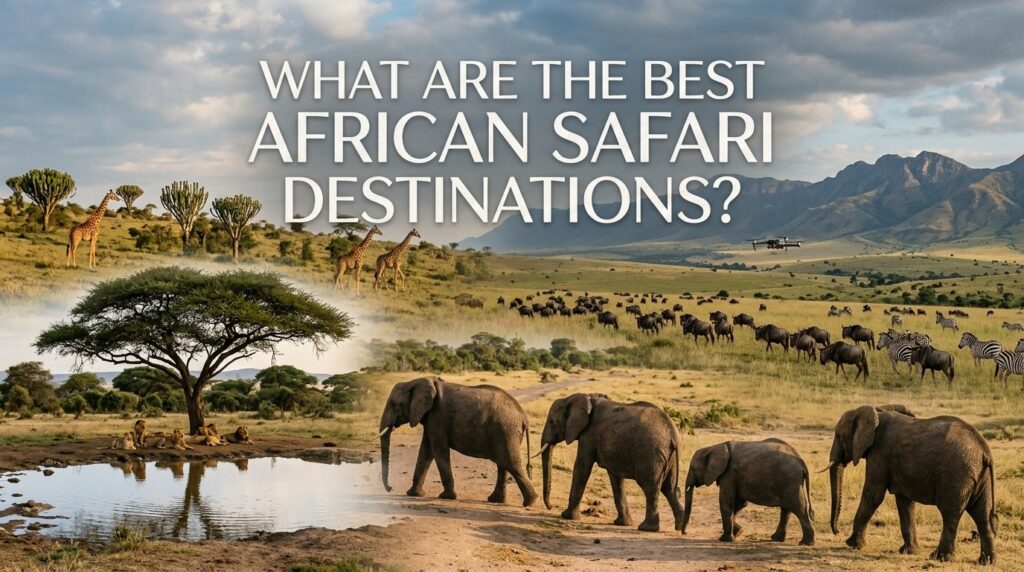
Africa is home to hundreds of protected parks and wildlife reserves, but a few destinations consistently rank among the world’s best safari experiences. Each offers unique landscapes, wildlife, and activities, making it important to choose the one that best matches your travel style and expectations.
Serengeti National Park, Tanzania
The Serengeti National Park is one of Africa’s most famous safari destinations and a UNESCO World Heritage Site. Covering nearly 15,000 square kilometers, the park is renowned for its endless plains, abundant predators, and the spectacular Great Migration.
Visitors have excellent opportunities to spot:
- Lions
- Leopards
- Cheetahs
- Elephants
- Buffalo
- Giraffes
- Zebras
- Wildebeest
Best Time to Visit Serengeti
Although wildlife can be seen throughout the year, the dry season from June to October generally provides the best game viewing.
Top Activities
- Morning game drives
- Evening safaris
- Hot air balloon rides
- Wildlife photography
- Guided bush walks in designated areas
Maasai Mara National Reserve, Kenya
The Maasai Mara National Reserve is one of the most iconic safari destinations in Africa. It forms part of the larger Serengeti ecosystem and is famous for incredible predator sightings and the annual Great Migration.
During migration season, millions of wildebeest and zebras cross the Mara River while crocodiles wait below, creating one of nature’s most dramatic spectacles.
Why Visit Maasai Mara?
Highlights include:
- Excellent Big Five sightings
- Great Migration
- Luxury safari lodges
- Cultural visits to Maasai villages
- Sunrise hot air balloon safaris
Kruger National Park, South Africa
The Kruger National Park is one of Africa’s largest and most accessible game reserves. Thanks to its excellent roads and visitor facilities, it is particularly popular with families and travelers interested in self-drive safaris.
Wildlife commonly seen includes:
- Lions
- White rhinos
- Leopards
- African elephants
- Hyenas
- Wild dogs
- Hippos
- Hundreds of bird species
Why Choose Kruger?
Advantages include:
- Excellent road network
- Affordable accommodation
- Self-drive opportunities
- Guided safari options
- Wide range of wildlife
Etosha National Park, Namibia
Located in northern Namibia, Etosha National Park offers a completely different safari experience. The park’s massive salt pan attracts wildlife to surrounding waterholes, especially during the dry season.
Visitors often see:
- Black rhinos
- Elephants
- Springbok
- Oryx
- Lions
- Giraffes
- Ostriches
The unique desert landscape provides exceptional opportunities for photography.
Okavango Delta, Botswana
The Okavango Delta is one of Africa’s most extraordinary natural wonders. Unlike traditional safari destinations, much of the wildlife here is explored by boat or traditional mokoro canoe.
The seasonal floodwaters create a rich ecosystem supporting an incredible variety of wildlife.
Popular sightings include:
- Hippos
- Crocodiles
- Elephants
- Leopards
- Buffalo
- Rare bird species
Luxury camps throughout the delta provide exclusive safari experiences with fewer visitors than many other parks.
Ngorongoro Crater, Tanzania
The Ngorongoro Crater is the world’s largest intact volcanic caldera and one of Africa’s finest wildlife destinations.
Because animals remain inside the crater throughout the year, visitors enjoy excellent chances of seeing the Big Five in a single day.
The crater is home to:
- Lions
- Rhinos
- Buffalo
- Flamingos
- Hyenas
- Hippos
- Wildebeest
The dramatic scenery makes every game drive unforgettable.
Chobe National Park, Botswana
If seeing elephants is your priority, Chobe National Park should be at the top of your list.
The park supports one of Africa’s largest elephant populations, with thousands gathering along the Chobe River during the dry season.
Top Experiences
- River safaris
- Sunset cruises
- Traditional game drives
- Birdwatching
- Wildlife photography
Boat safaris provide a completely different perspective compared to vehicle-based game drives.
Bwindi Impenetrable National Park, Uganda
For travelers seeking a once-in-a-lifetime wildlife encounter, Bwindi Impenetrable National Park offers unforgettable mountain gorilla trekking experiences.
Accompanied by experienced guides, visitors hike through dense rainforest before spending up to one hour observing a habituated gorilla family in its natural habitat.
Why Visit Bwindi?
Highlights include:
- Mountain gorilla trekking
- Dense tropical rainforest
- Rich birdlife
- Community tourism
- Scenic hiking trails
Permits should be booked several months in advance because visitor numbers are strictly limited.
Can You See the Big Five on an African Safari?
The famous Big Five remain the top goal for many visitors planning an African Safari.
The Big Five include:
- Lion
- Leopard
- African Elephant
- African Buffalo
- Rhinoceros
These animals earned their name during the hunting era because they were considered the most difficult and dangerous to track on foot. Today, they are celebrated as Africa’s most sought-after wildlife sightings.
Several parks offer excellent opportunities to see all five species, including:
- Serengeti National Park
- Maasai Mara National Reserve
- Kruger National Park
- Ngorongoro Crater
- Private game reserves in South Africa
Although many travelers hope to complete the Big Five in a single safari, it’s important to remember that wildlife is unpredictable. Every sighting is unique, making each safari a truly authentic adventure.
Should You Book an African Safari Independently or Through a Tour Operator?
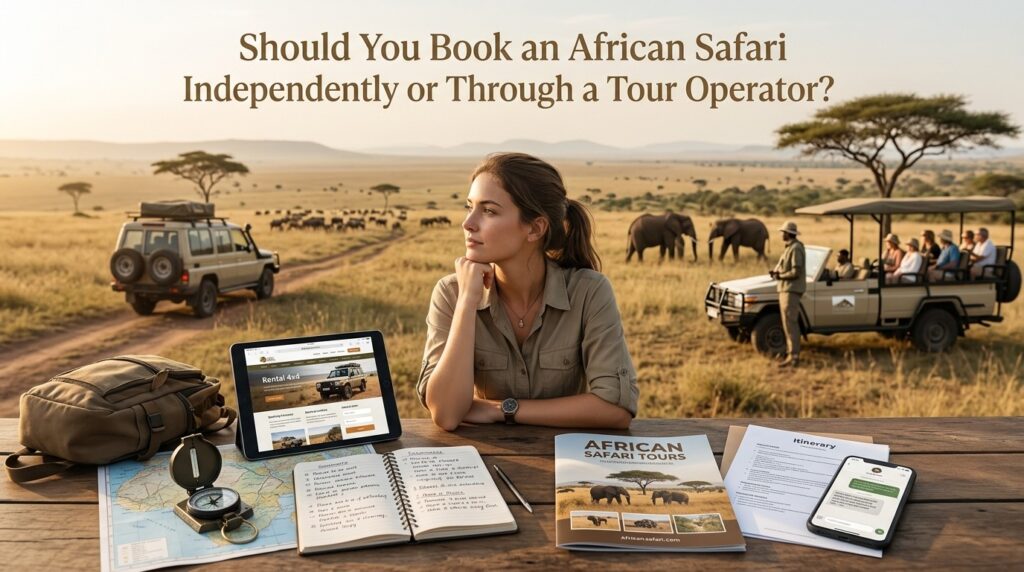
Both options have advantages depending on your travel experience and preferences.
Booking Through a Tour Operator
Ideal for:
- First-time visitors
- Families
- Luxury travelers
- Honeymoon couples
Benefits include:
- Accommodation included
- Airport transfers
- Professional guides
- Organized game drives
- Meals included in many packages
Planning Your Own Safari
Independent travel offers greater flexibility and can reduce costs, particularly in countries like South Africa and Namibia where self-drive safaris are common.
Whichever option you choose, booking reputable operators and accommodations well in advance is highly recommended, especially during the peak safari season.
Essential Travel Tips Before Your African Safari
A well-planned African Safari is far more enjoyable than one arranged at the last minute. A few smart decisions before departure can improve your comfort, increase your chances of seeing wildlife, and help you avoid unnecessary expenses.
Book Your Safari Early
The best safari lodges and camps often sell out months in advance, especially during the dry season between June and October. If you’re planning to visit popular destinations such as the Serengeti, Maasai Mara, or Kruger National Park, booking six to twelve months ahead gives you the widest choice of accommodation and better prices.
Carry Enough Cash
Although credit cards are accepted at many hotels and luxury lodges, smaller camps, local markets, and rural communities may prefer cash. Keep a small amount of local currency for tips, souvenirs, and small purchases.
Purchase Comprehensive Travel Insurance
Travel insurance is strongly recommended for every safari. A good policy should cover:
- Medical emergencies
- Trip cancellations
- Lost luggage
- Flight delays
- Emergency evacuation if required
Respect Wildlife at All Times
Wild animals should always be observed from a safe distance. Never attempt to feed, approach, or call animals for photographs. Following your guide’s instructions helps protect both visitors and wildlife.
Common Mistakes to Avoid on an African Safari
Many first-time visitors make simple mistakes that can affect their overall experience. Knowing what to avoid will help you enjoy a smoother and more rewarding safari.
Expecting to See Every Animal
Wildlife sightings are never guaranteed. Even in the best national parks, animals move freely across vast landscapes. Patience is one of the most rewarding parts of every safari.
Packing Too Much
Most domestic safari flights have strict baggage limits, often allowing only soft-sided bags with a maximum weight between 15 and 20 kilograms. Pack light and bring only essential clothing and equipment.
Ignoring Weather Conditions
African weather varies greatly between regions and seasons. Early mornings can be surprisingly cool, while afternoons may become very hot. Dressing in lightweight layers is usually the best approach.
Forgetting Spare Camera Batteries
Game drives often last several hours, and charging opportunities may be limited at remote camps. Carry spare batteries and extra memory cards to avoid missing unforgettable wildlife moments.
Is an African Safari Suitable for Families?
Absolutely. Many safari destinations welcome families and provide activities designed specifically for children.
Best Family Safari Destinations
Some of the most family-friendly safari locations include:
- Kruger National Park, South Africa
- Pilanesberg National Park, South Africa
- Madikwe Game Reserve, South Africa
- Maasai Mara, Kenya
- Serengeti National Park, Tanzania
Many lodges offer:
- Family suites
- Swimming pools
- Children’s safari programs
- Junior ranger activities
- Educational wildlife experiences
Parents should always check minimum age requirements before booking, as some camps restrict young children on game drives.
Is an African Safari Good for Honeymoon Couples?
An African Safari is one of the world’s most memorable honeymoon experiences. Many couples combine exciting wildlife adventures with luxury accommodation, private dining, and breathtaking landscapes.
Why Honeymooners Love African Safaris
Popular honeymoon experiences include:
- Private sunset game drives
- Candlelit dinners under the stars
- Luxury tented suites
- Infinity pools overlooking wildlife
- Spa treatments
- Hot air balloon safaris
- Bush breakfasts in the wilderness
Many travelers also combine a safari with a relaxing beach holiday in destinations such as Zanzibar, Mauritius, or the Seychelles.
Responsible Tourism and Wildlife Conservation
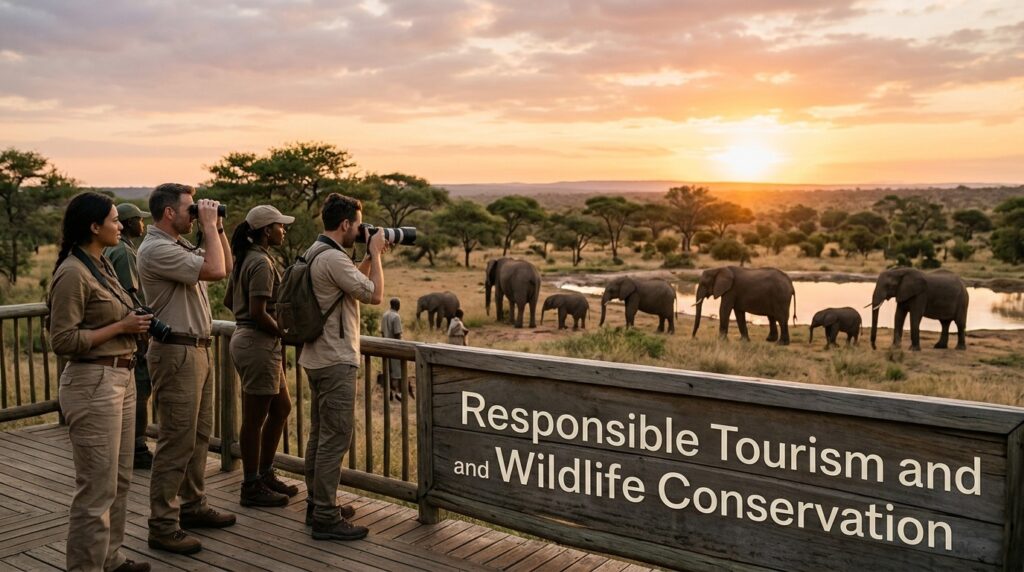
Responsible tourism plays an important role in protecting Africa’s incredible wildlife and supporting local communities. Choosing ethical safari operators helps ensure that tourism contributes to long-term conservation.
How You Can Travel Responsibly
Simple ways to make a positive impact include:
- Choose licensed safari operators.
- Stay at eco-friendly lodges.
- Respect park rules.
- Avoid purchasing products made from wildlife.
- Support local guides and community businesses.
- Reduce plastic waste by carrying a reusable water bottle.
By traveling responsibly, visitors help protect endangered species and preserve Africa’s unique ecosystems for future generations.
FAQs
Is an African Safari safe for tourists?
Yes. An African Safari is generally very safe when booked through reputable tour operators or national parks. Always follow your guide’s instructions, remain inside the vehicle unless permitted, and respect wildlife at all times.
What is the best country for a first African Safari?
For first-time visitors, Kenya, Tanzania, and South Africa are among the best choices. They offer outstanding wildlife viewing, experienced safari guides, excellent accommodation, and well-developed tourism infrastructure.
How much does a 7-day African Safari cost?
A seven-day African Safari can cost anywhere from €1,200 for a budget camping trip to more than €10,000 for a luxury safari. The final price depends on the destination, accommodation, transportation, park fees, and the type of safari you choose.
Conclusion
An African Safari is one of the most extraordinary travel experiences you can have. Watching lions rest beneath acacia trees, elephants wander across open plains, giraffes browsing in the distance, and thousands of animals moving freely through protected landscapes creates memories that last a lifetime. Every national park offers something different, whether it’s the Great Migration in Kenya and Tanzania, the desert wildlife of Namibia, the waterways of Botswana’s Okavango Delta, or the famous Big Five in South Africa.
Planning ahead is the key to a successful safari. Choosing the right destination, traveling during the best season, selecting accommodation that suits your budget, packing appropriately, and respecting wildlife will make your adventure both comfortable and unforgettable. Whether you’re traveling as a solo explorer, a family, a couple on honeymoon, or a group of friends, an African Safari offers an incredible opportunity to experience nature at its most spectacular. With careful preparation and an adventurous spirit, your 2026 safari can become the journey of a lifetime.
Read More: Ireland Road Trip: The Ultimate 7-Day Travel Guide (2026)