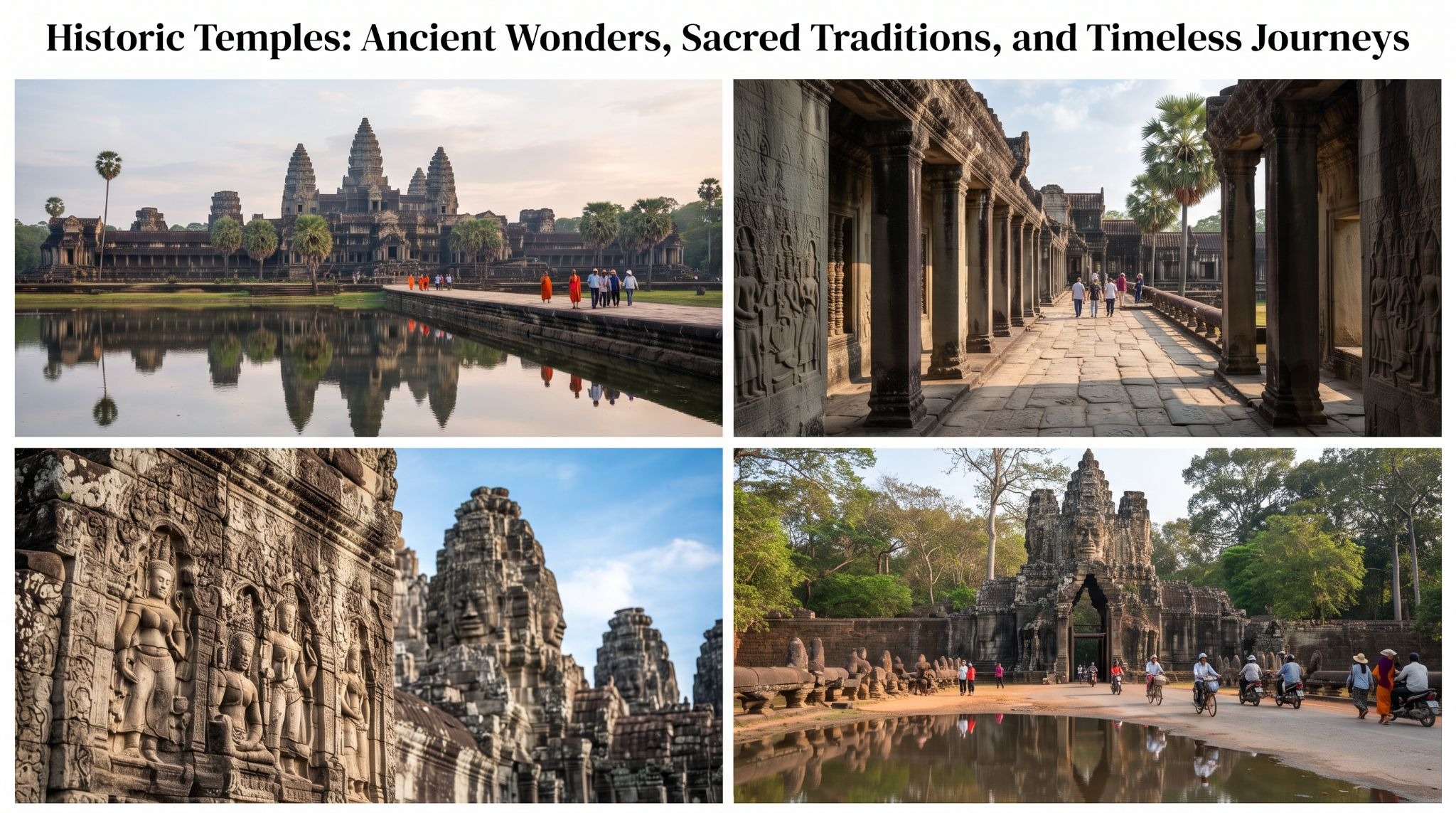
Historic Temples offer far more than beautiful architecture. They are places where centuries of faith, art, craftsmanship, and local traditions remain part of everyday life. From stone sanctuaries carved into mountains to grand complexes surrounded by gardens and busy streets, these sacred places reveal how different civilizations expressed their beliefs and shaped the landscapes around them.
Traveling to historic temples can also change the way a destination feels. A visit may begin with admiration for an ancient gateway or detailed sculpture, but the experience often becomes more meaningful as you notice the rituals, quiet courtyards, local festivals, and communities that continue to care for these remarkable sites. Whether you are interested in history, architecture, photography, or culture, temple journeys can provide some of the most memorable experiences in world travel.
Why Visit Historic Temples Around the World
Historic Temples connect travelers with civilizations that existed long before modern cities and transport networks. Their architecture often reflects the materials, beliefs, artistic traditions, and political history of the society that created them.
Some sites are famous for enormous stone structures while others are valued for delicate carvings, painted interiors, bronze statues, or carefully planned courtyards. Visiting several temples in different countries can reveal striking differences in design while also showing shared human ideas about spirituality and community.
| Temple | Country | Known For |
| Angkor Wat | Cambodia | Monumental Khmer architecture |
| Borobudur | Indonesia | Buddhist architecture and reliefs |
| Kiyomizu-dera | Japan | Wooden architecture and hillside setting |
| Brihadisvara Temple | India | Chola architecture and stone craftsmanship |
| Temple of Heaven | China | Imperial ceremonial architecture |
Most Remarkable Historic Temples to Explore
The world is home to thousands of ancient and historic religious sites, but several stand out because of their architectural importance and cultural heritage.
Angkor Wat in Cambodia
Angkor Wat is one of the best known temple complexes in the world. Built during the Khmer Empire, it is famous for its monumental scale, towers, galleries, and extensive bas-reliefs. The surrounding Angkor archaeological area contains many other important structures, making the region especially rewarding for travelers who want to spend several days exploring.
Borobudur in Indonesia
Borobudur in Central Java is a remarkable Buddhist monument built with multiple levels decorated with relief panels and stupas. Its design encourages visitors to move upward through the monument, creating a journey that combines architecture, art, and Buddhist symbolism.
Kiyomizu-dera in Japan
Kiyomizu-dera in Kyoto is renowned for its wooden stage and hillside location. The temple is closely connected with Kyoto’s cultural landscape and offers a different experience from enormous stone complexes. Seasonal scenery around the temple adds another dimension to a visit.
Architecture and Art of Historic Temples
Temple architecture can tell a story even before a visitor understands the religious traditions behind it. Columns, gateways, towers, courtyards, sculptures, inscriptions, and reliefs can reveal how builders and artists worked within the cultural traditions of their time.
In South and Southeast Asia, visitors may encounter richly decorated stonework and monumental towers. Japanese temples often emphasize timber construction and carefully arranged spaces. In other regions, sacred architecture may incorporate painted surfaces, domes, gardens, or massive ceremonial avenues.
| Architectural Feature | What Travelers Can Look For |
| Reliefs | Stories, religious scenes, historical figures, and decorative patterns |
| Towers | Regional architectural styles and symbolic designs |
| Courtyards | Spaces used for movement, gatherings, or ceremonies |
| Columns | Carving techniques and structural design |
| Gateways | Decorative details and the transition into sacred spaces |
| Inscriptions | Historical, religious, or commemorative information |
Best Time to Visit Historic Temples
The ideal season depends heavily on the country and destination. Weather can affect walking conditions, crowds, photography, and access to outdoor areas, so checking the local climate before traveling is worthwhile.
For destinations with hot summers, cooler months may provide a more comfortable experience. In tropical regions, travelers may prefer periods with lower rainfall. Spring and autumn can be particularly attractive in places where seasonal landscapes are an important part of the temple experience.
Early mornings are often useful regardless of season. They can provide cooler conditions and a quieter atmosphere before busy sightseeing periods. Travelers should also check whether religious ceremonies or local festivals affect access because some occasions can change normal visitor arrangements.
Cultural Experiences at Historic Temples
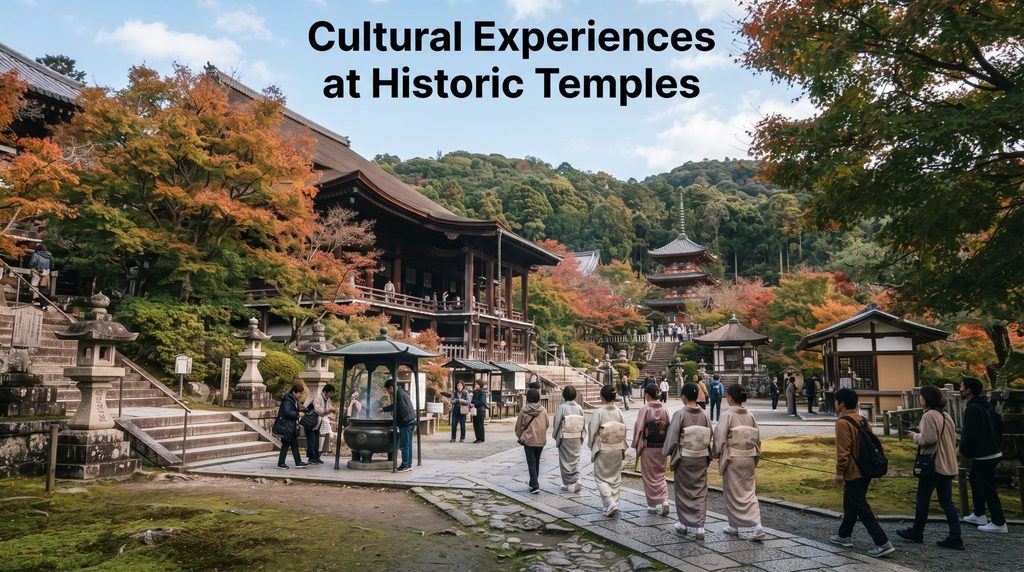
A temple visit becomes more meaningful when travelers look beyond the architecture. Many historic religious sites remain active places of worship rather than simply being monuments preserved for tourists.
Visitors may see people praying, lighting incense, making offerings, attending ceremonies, or quietly spending time in sacred spaces. These activities are part of living traditions and should be treated respectfully.
Respecting Sacred Spaces
Dress requirements vary between destinations, but modest clothing is generally a sensible choice when visiting religious sites. Travelers should follow posted instructions about photography, footwear, restricted areas, and behavior.
Avoiding loud conversations and giving worshippers adequate space can make the visit more respectful. When uncertain, following local guidance is usually the best approach.
How to Plan a Historic Temples Journey
Planning a temple-focused trip does not require visiting dozens of sites. A carefully selected itinerary can be more rewarding than trying to see everything.
Start by choosing a region that interests you. Cambodia and Thailand offer extensive temple landscapes, Japan combines historic temples with distinctive seasonal scenery, while India provides enormous architectural variety across different historical periods.
Allow enough time at major sites. Large complexes can take several hours to explore properly, especially when they contain multiple buildings or archaeological areas.
| Planning Consideration | Practical Approach |
| Number of temples | Choose quality experiences instead of rushing between many sites |
| Clothing | Check local religious expectations before visiting |
| Weather | Review seasonal conditions for the destination |
| Photography | Follow site specific photography rules |
| Transport | Research local transport and walking requirements |
| Timing | Consider early morning visits for comfort and atmosphere |
Historic Temples and Nearby Attractions
Temple destinations are often surrounded by other cultural and natural attractions. Combining them can make a trip more varied without taking away from the main purpose of the journey.
In Kyoto, historic temples can be combined with traditional neighborhoods, gardens, markets, and other cultural landmarks. Around Angkor, travelers can explore additional archaeological sites across the wider complex. In India, major temples are often located near historic cities where visitors can discover museums, forts, markets, and traditional food.
The best combinations depend on the destination, but the principle is simple: choose nearby experiences that complement the temple visit rather than creating an exhausting schedule.
Photography Tips for Historic Temples
Historic Temples offer extraordinary opportunities for photography because of their architecture, textures, landscapes, and changing light. Early morning and late afternoon can produce softer natural light, although the best conditions vary by location and season.
Look beyond the most obvious landmark. Doorways, carved details, reflections, courtyards, rooflines, and surrounding vegetation can create stronger photographs than a single wide shot.
Photography should never take priority over cultural respect. If a particular area prohibits photography or asks visitors not to photograph ceremonies, follow those instructions.
Responsible Travel at Historic Temples
Responsible tourism helps protect historic places for future generations. Travelers should avoid touching carvings, climbing structures where prohibited, leaving waste, or entering restricted areas.
Supporting local guides, artisans, restaurants, and small businesses can also help tourism benefit surrounding communities. When purchasing souvenirs, choosing locally made products can provide a more meaningful connection to the destination.
Most importantly, remember that many historic temples are still sacred places. Treating them as living cultural spaces rather than ordinary tourist attractions creates a better experience for both visitors and local communities.
What Makes Historic Temples Worth Visiting
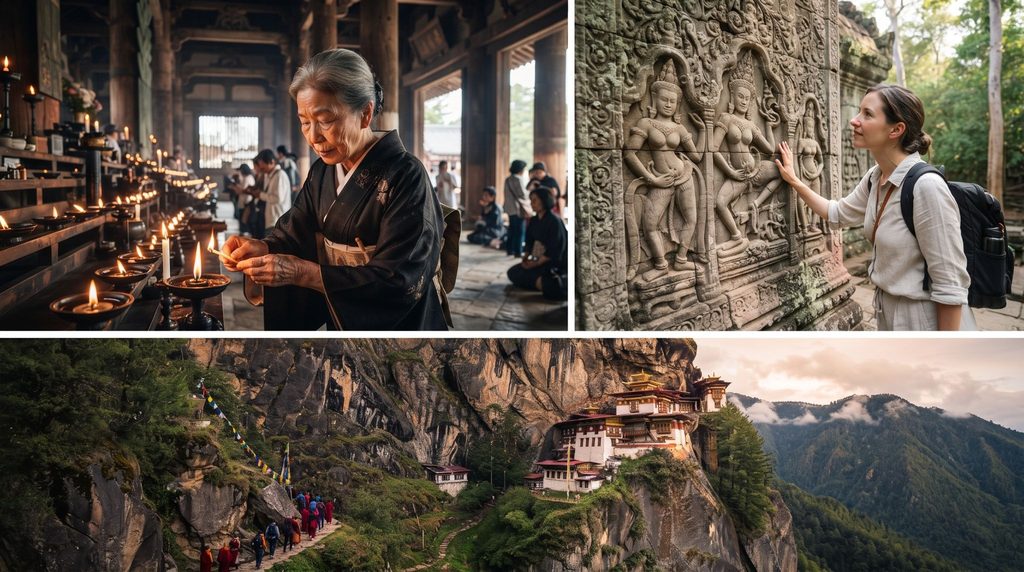
The greatest appeal of these sites is not simply their age. It is the combination of history, human creativity, spiritual traditions, and living culture that continues to surround them.
A centuries old temple can make history feel immediate. A carved wall can reveal artistic traditions that survived across generations. A quiet courtyard can offer a pause from a busy itinerary. Even a short visit can leave travelers with a deeper understanding of the people and civilizations connected to the place.
FAQs
What should I wear when visiting an ancient temple?
Modest clothing is usually a good choice, particularly at active religious sites. Some destinations may have additional requirements, so visitors should check local guidance before entering.
Can I take photographs inside temples?
Photography policies differ between sites. Some areas may allow photography while others restrict it, especially during religious ceremonies. Always follow signs and instructions from staff.
How much time should I spend at a major temple complex?
It depends on the size and importance of the site. Smaller temples may take an hour or two, while large archaeological complexes can require several hours or even multiple visits.
Are historic temples suitable for family trips?
Yes. Many temple destinations can be enjoyable for families, particularly when children are given some historical context and the itinerary includes enough breaks and time for exploration.
What is the best way to learn about a temple’s history?
A reputable local guide, official information center, museum, or well researched guidebook can provide valuable historical and cultural context that may not be obvious from the architecture alone.
Conclusion
A journey through historic temples is ultimately a journey through human history. These places preserve remarkable architecture while continuing to reflect the beliefs, traditions, and craftsmanship of the communities connected to them. Whether you choose one famous monument or build an entire cultural itinerary around sacred sites, take time to look closely, travel respectfully, and experience the destination beyond its photographs. The most memorable temple visits are not simply about seeing an old building. They are about understanding the story that has allowed it to remain meaningful for generations.
Read More: Beautiful Temples Around the World: Sacred Places of History, Art and Wonder

I am a travel enthusiast who loves exploring India’s beautiful destinations, culture, history, food, and hidden places. Through my travel website, I aim to help travelers discover amazing places in India and plan memorable trips with useful travel information and tips.