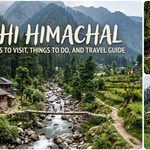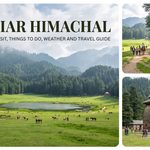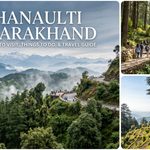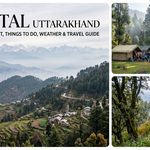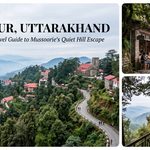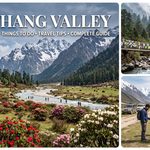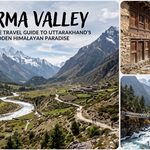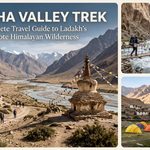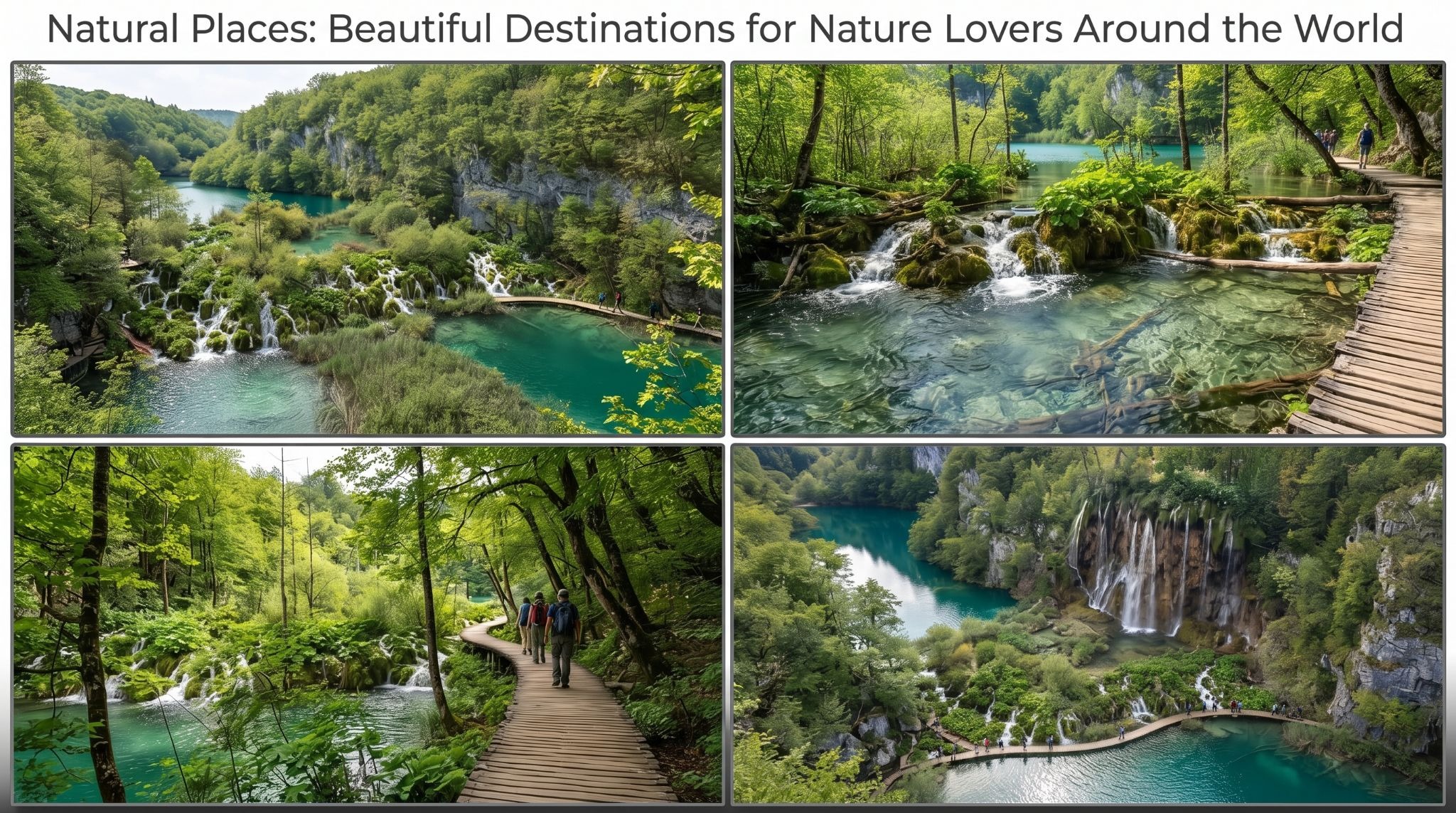
Natural places offer something that busy cities and crowded tourist attractions often cannot provide. They give travelers space to slow down, breathe fresh air, and experience landscapes shaped by mountains, forests, rivers, oceans, deserts, and wildlife. Whether you enjoy peaceful walks beneath tall trees or dramatic views from high mountain trails, spending time in nature can make a journey feel more meaningful.
From tropical coastlines to remote valleys, the world is filled with remarkable landscapes worth exploring. Some destinations are famous for their beauty while others remain quieter and less developed. The best trips often combine iconic scenery with responsible travel, allowing visitors to enjoy the environment while respecting the communities and ecosystems that make these destinations special.
Why Natural Places Are Worth Visiting
Natural places provide experiences that are difficult to recreate in urban environments. A walk through a forest changes with the weather and season. A mountain viewpoint can look completely different in the morning and late afternoon. Wildlife sightings are unpredictable, which is part of what makes them memorable.
Nature travel can also introduce visitors to different landscapes and cultures. Many communities have developed close relationships with their surrounding environment through farming, fishing, conservation, and traditional ways of life. Visiting respectfully can help travelers understand how people and landscapes are connected.
Popular Types of Natural Places to Explore
The natural world offers an enormous variety of travel experiences. Choosing the right landscape depends on what you enjoy and how you prefer to travel.
Mountains and valleys
Mountain destinations are ideal for scenic drives, hiking, photography, and cooler weather. Valleys often combine dramatic scenery with rivers, villages, and agricultural landscapes.
Forests and national parks
Forests can provide quiet walking trails, diverse plant life, and opportunities to observe wildlife. National parks often protect important ecosystems and offer designated visitor areas.
Beaches and coastal landscapes
Coastal destinations offer more than swimming. Rocky cliffs, mangrove forests, islands, sea caves, and coastal walking routes can provide very different experiences depending on the region.
| Type of landscape | Best suited for | Typical experiences |
| Mountains | Active travelers and photographers | Hiking, viewpoints and scenic drives |
| Forests | Wildlife and nature lovers | Walking, birdwatching and guided tours |
| Coastlines | Relaxed and adventurous travelers | Swimming, boating and coastal walks |
| Lakes and rivers | Families and peaceful trips | Sightseeing, paddling and picnics |
| Deserts | Travelers seeking unusual scenery | Sunrise views, stargazing and cultural experiences |
Best Time to Visit Natural Places
The best time to visit natural places depends heavily on climate, altitude, rainfall, and the type of experience you want. A mountain region may be most accessible during warmer months while a tropical destination may be more enjoyable during a dry season.
Before planning a trip, check local weather patterns rather than relying only on general travel advice. Seasonal changes can affect road conditions, hiking routes, water levels, wildlife activity, and visitor access.
| Travel season | Possible advantages | Planning considerations |
| Spring | Fresh landscapes and mild conditions in many regions | Weather can change quickly |
| Summer | Longer days and easier access in some mountain areas | Popular destinations may be crowded |
| Autumn | Pleasant temperatures and seasonal colors | Conditions vary significantly by region |
| Winter | Snow landscapes and quieter travel in some locations | Cold weather may limit transport and activities |
Top Experiences in Natural Places
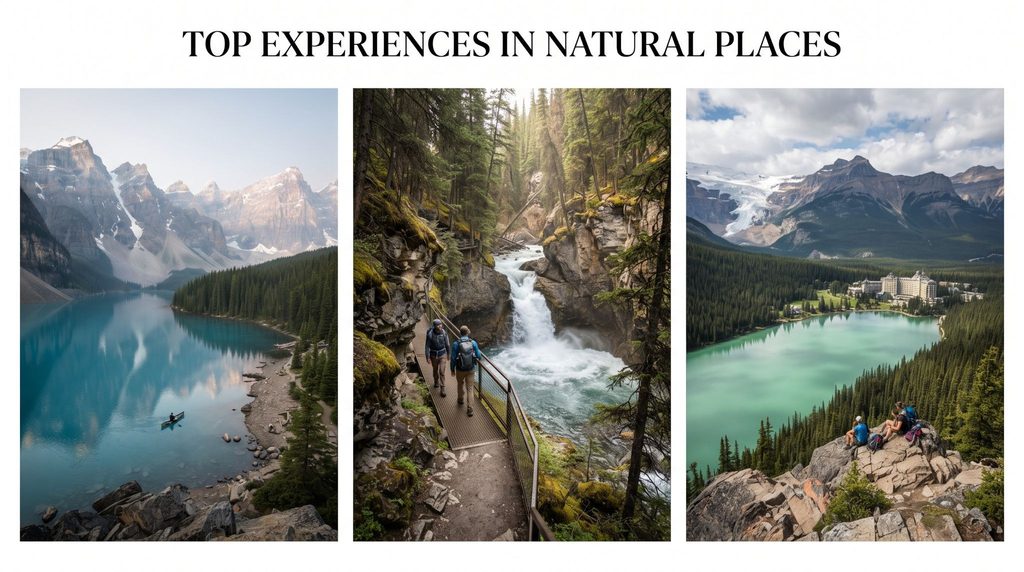
One of the best ways to enjoy a natural destination is to avoid trying to see everything too quickly. Choose a few experiences that allow you to spend real time in the landscape.
Hiking and walking
Walking is one of the simplest ways to understand a destination. Even short trails can reveal changing scenery that is impossible to appreciate from a vehicle. Choose routes suitable for your fitness level and follow local safety guidance.
Wildlife observation
Wildlife experiences can be rewarding when approached responsibly. Keep a safe distance, avoid feeding animals, and follow rules designed to protect sensitive habitats.
Scenic journeys
Road trips, train journeys, and boat trips can be excellent ways to experience large landscapes. The journey itself often becomes part of the destination, especially in regions with mountains, coastlines, lakes, or wide open countryside.
How to Plan a Trip to Natural Places
Planning is especially important when visiting areas where weather and infrastructure can change quickly. Research access routes before departure and allow extra time for unexpected delays.
It is also useful to understand the level of development at your chosen destination. Some areas have well marked trails and regular public transport while others require private transport or local guides.
| Planning factor | What to check before traveling | Why it matters |
| Weather | Seasonal conditions and short term forecasts | Helps with clothing and safety planning |
| Transport | Available roads and public connections | Some remote areas have limited services |
| Accommodation | Location and availability | Staying nearby can reduce unnecessary travel |
| Activities | Access requirements and local regulations | Some areas require permits or guides |
| Safety | Local conditions and emergency information | Natural environments can change quickly |
Responsible Travel in Natural Places
Beautiful landscapes can be damaged when tourism is poorly managed. Responsible travel begins with simple choices that reduce unnecessary impact.
Stay on designated trails where they are provided and avoid disturbing plants or animals. Take waste away when suitable disposal facilities are not available. Reusable water bottles and containers can also reduce single use waste during a trip.
Supporting locally owned accommodation, guides, restaurants, and services can help tourism benefit nearby communities. When visiting culturally important landscapes, follow local guidance and treat religious or traditional sites with respect.
Photography Tips for Natural Places
Natural scenery often looks best when photographed patiently. Instead of taking every image from the first viewpoint, spend time observing how the light changes.
Early morning and late afternoon can provide softer light in many locations, although weather conditions remain important. Try including a trail, tree, rock formation, or person in the composition to give the image a sense of scale.
Remember that photography should never disturb wildlife or damage the environment. Avoid stepping into protected areas simply to find a better angle.
Natural Places and Local Communities
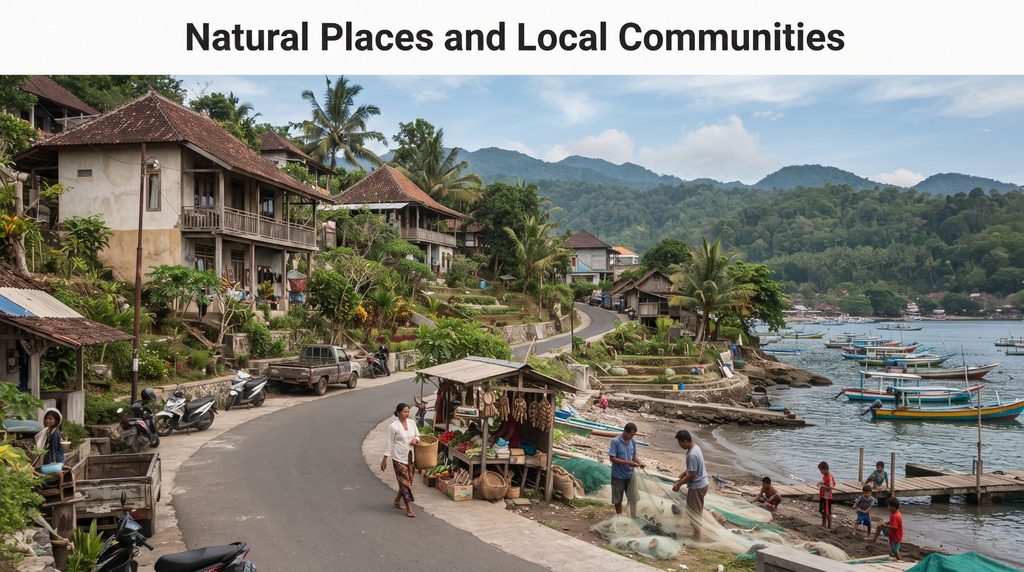
Nature destinations are rarely separate from human life. Many forests, mountains, coastlines, and valleys are closely connected with nearby communities.
Travelers can learn more about a region by trying local food, speaking with guides, visiting small businesses, and understanding how people live with the surrounding landscape. These experiences often add depth to a trip and create a more balanced understanding of the destination.
Respect is especially important when visitors enter small communities. Ask before photographing people, follow local customs, and avoid treating everyday life as a tourist attraction.
Practical Tips for Visiting Natural Places
A successful nature trip usually depends more on preparation than expensive equipment. Comfortable clothing suitable for changing conditions is often more useful than carrying unnecessary items.
Keep enough drinking water when visiting remote areas and carry suitable navigation tools where mobile coverage may be unreliable. Let someone know your plans before starting longer hikes, particularly in unfamiliar terrain.
It is also wise to remain flexible. Weather may change, roads may close, and certain activities may become unavailable. Adjusting plans responsibly is part of traveling safely in natural environments.
FAQs
What makes a destination ideal for nature travel?
A good nature destination offers access to landscapes, outdoor experiences, and environments that can be explored responsibly and safely.
Are national parks suitable for first time nature travelers?
Many are suitable for beginners because they may provide visitor information, marked routes, and designated viewing areas. Research individual parks before visiting.
What should I pack for an outdoor trip?
Packing depends on the climate and activity, but suitable clothing, water, footwear, and basic safety items are usually important.
How can travelers protect the environment while visiting scenic destinations?
Follow local rules, avoid leaving waste, stay on appropriate routes, and avoid disturbing wildlife or sensitive habitats.
Is it better to travel independently or with a local guide?
It depends on the destination. Independent travel may work well in accessible areas, while a knowledgeable local guide can be valuable in remote or environmentally sensitive regions.
Conclusion
The world’s most memorable landscapes are not always the ones that demand the busiest itinerary. A quiet forest walk, a mountain sunrise, a peaceful lake, or an untouched stretch of coastline can leave a lasting impression when experienced with time and attention.
Traveling through nature is also a responsibility. Careful planning, respect for local communities, and thoughtful behavior help protect the landscapes that travelers come to admire. Choose places that genuinely interest you, travel at a pace that allows you to appreciate them, and leave each destination in a condition that others can enjoy in the future.
Read More: Summer Mountains: A Complete Guide to Fresh Air, Scenic Trails and High Altitude Escapes

I am a travel enthusiast who loves exploring India’s beautiful destinations, culture, history, food, and hidden places. Through my travel website, I aim to help travelers discover amazing places in India and plan memorable trips with useful travel information and tips.