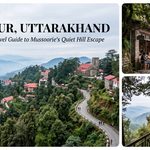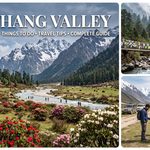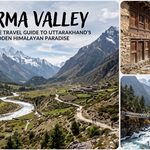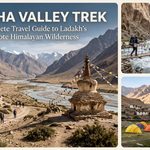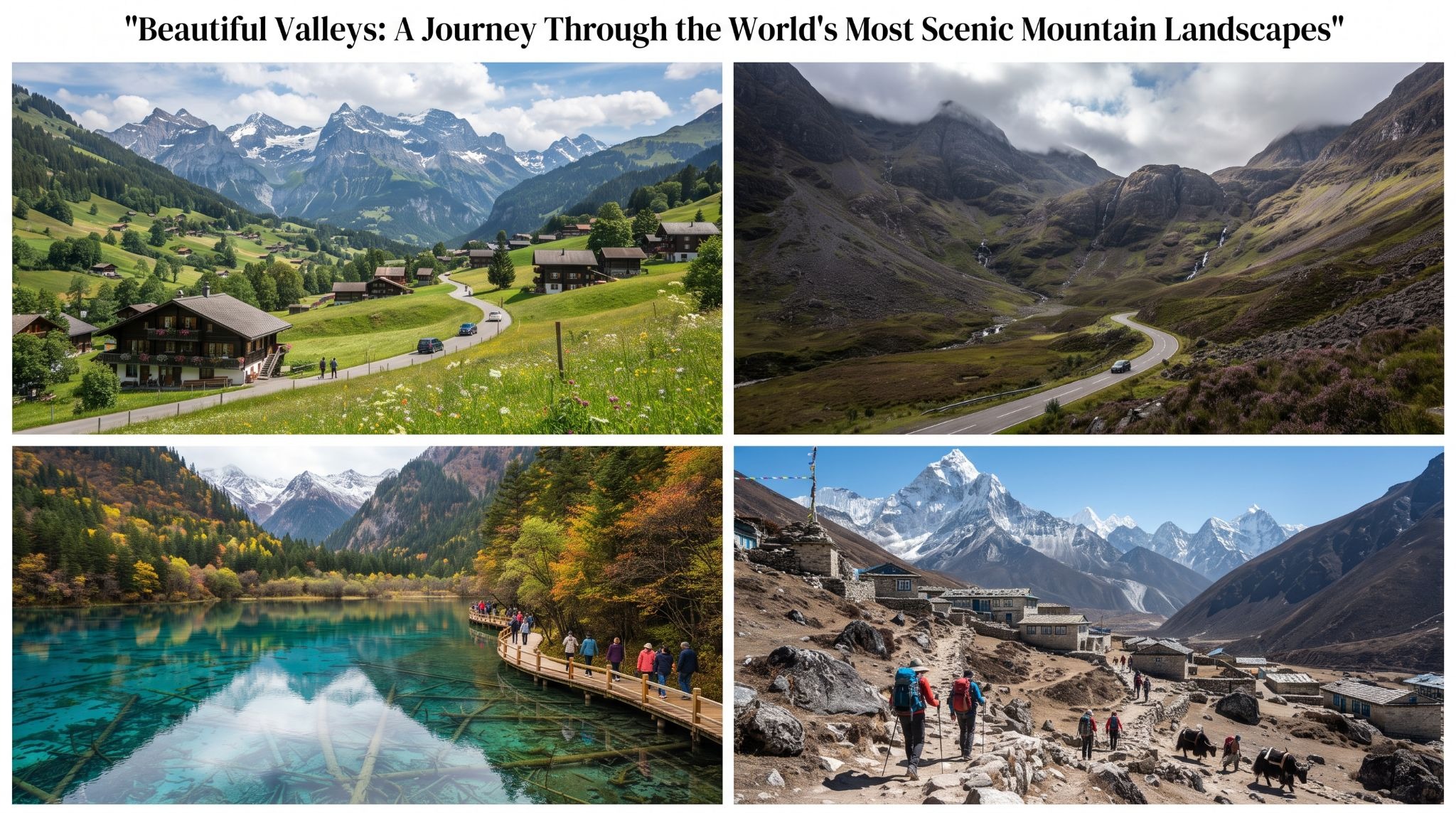
Beautiful Valleys have a way of making travelers slow down. Surrounded by mountains, forests, rivers, and open meadows, these landscapes often feel calmer and more intimate than the dramatic peaks above them. A valley can be the heart of a mountain region, connecting villages, trails, farms, lakes, and centuries of local culture.
From the green landscapes of Europe to the dramatic mountain regions of Asia and the wide wilderness areas of North America, valleys offer very different travel experiences. Some are ideal for hiking and photography, while others are better explored through quiet village walks, scenic road trips, or long afternoons beside a river. The best journeys allow time to experience both the famous views and the everyday life that gives each landscape its character.
Why Beautiful Valleys Are Worth Exploring
Beautiful Valleys offer a remarkable combination of scenery and accessibility. Mountain peaks can sometimes feel distant or difficult to reach, but valleys often provide natural routes through spectacular landscapes. Roads, walking paths, rivers, and settlements usually follow the lower ground, making these places easier to explore.
They also reveal how people have adapted to mountain environments. Traditional houses, terraced fields, grazing areas, local food, and small communities often form an important part of the experience. This balance between nature and human life gives many valleys a distinctive atmosphere.
For travelers who enjoy outdoor experiences without wanting every day to involve demanding climbing, valleys can provide an excellent base. You may be able to hike in the morning, visit a village in the afternoon, and return to a comfortable town or guesthouse by evening.
Famous Beautiful Valleys Around the World
Some valleys are internationally known, while others remain quieter and more dependent on regional tourism. Each offers a different combination of landscape, climate, and culture.
| Valley | Region | Known For |
| Kashmir Valley | South Asia | Mountain scenery, lakes, gardens, and changing seasons |
| Lauterbrunnen Valley | Switzerland | Waterfalls and dramatic Alpine surroundings |
| Yosemite Valley | United States | Granite cliffs, waterfalls, and famous national park scenery |
| Hunza Valley | Pakistan | High mountain landscapes, villages, and historic sites |
| Douro Valley | Portugal | River landscapes and terraced vineyards |
| Jiuzhaigou Valley | China | Forests, lakes, waterfalls, and colorful natural scenery |
These destinations are different in character. Yosemite Valley is shaped by enormous granite formations and protected wilderness, while Lauterbrunnen is known for a narrow Alpine setting framed by steep mountains and waterfalls. Hunza combines dramatic mountain scenery with strong cultural and historical interest.
The Kashmir Valley is admired for its broad natural setting and seasonal beauty, while the Douro Valley offers a more cultivated landscape where the river and agricultural terraces are central to the experience.
Natural Landscapes in Beautiful Valleys
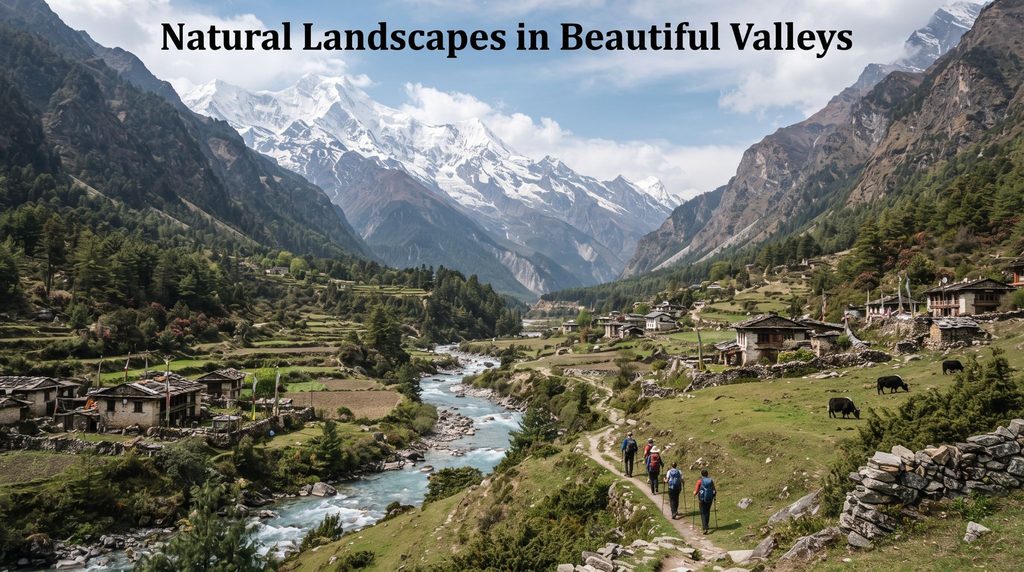
The scenery of a valley is rarely defined by only one feature. Its character usually comes from the relationship between mountains, water, vegetation, and changing light.
Rivers and Lakes
Rivers often shape the entire landscape. They create fertile land, support settlements, and provide a natural route through mountain regions. In some destinations, calm lakes reflect surrounding peaks and forests, creating some of the most memorable views in the region.
Water also changes the travel experience. A valley with a rushing river may feel energetic and wild, while one with a quiet lake can feel peaceful and reflective.
Forests and Meadows
Forests bring texture and color to mountain landscapes. In warmer months, green slopes and alpine meadows can create a softer contrast with rocky peaks. Autumn may transform the same landscape into shades of gold, red, and orange.
Meadows are particularly important in many mountain regions because they provide open views. They can also support traditional agriculture and seasonal grazing, connecting the natural landscape with local life.
Mountains and Changing Light
A valley view can look completely different throughout the day. Early morning often brings softer light and clearer views, while afternoon weather may create clouds around higher slopes. Sunset can change the appearance of cliffs and peaks within minutes.
For photography and sightseeing, patience is often more valuable than rushing from one viewpoint to another.
Best Time to Visit Beautiful Valleys
The best time to visit Beautiful Valleys depends heavily on location. A European Alpine valley, a Himalayan valley, and a North American national park can have very different weather patterns.
Spring and summer are often popular for green landscapes, hiking, and outdoor activities. Autumn is especially attractive for travelers who enjoy cooler weather and seasonal colors. Winter can transform some valleys into snow-covered destinations, although transportation and hiking access may become more limited.
| Season | Typical Experience | Best For |
| Spring | Fresh greenery, flowing rivers, changing weather | Nature walks and seasonal scenery |
| Summer | Warmer temperatures and wider access to trails | Hiking and outdoor travel |
| Autumn | Cooler conditions and changing foliage | Photography and scenic road trips |
| Winter | Snowy landscapes in suitable regions | Winter sports and quiet scenery |
Before planning a trip, check local weather conditions and seasonal access. Mountain weather can change quickly, and conditions at higher elevations may be very different from those in the valley below.
Things to Do in Beautiful Valleys
Beautiful Valleys can be explored in many ways, depending on the destination and the time available. Walking is often one of the best options because it allows travelers to notice small details that are easy to miss from a vehicle.
Hiking and Scenic Walks
Valleys frequently offer routes ranging from gentle riverside paths to demanding mountain trails. A short walk can be enough to experience forests, waterfalls, bridges, and open viewpoints.
Choose routes according to your fitness level and the local conditions. In remote areas, it is especially important to prepare for changing weather and carry suitable supplies.
Photography and Nature Watching
Photography is one of the simplest ways to enjoy a scenic valley, but the best images are not always found at famous viewpoints. Village roads, quiet riversides, and early morning landscapes can be equally rewarding.
Nature lovers may also enjoy watching birds, wildlife, and seasonal plant life. Always respect protected areas and avoid disturbing animals for photographs.
Exploring Local Communities
Many valleys are home to communities with long connections to the surrounding landscape. Visiting local markets, trying regional food, and learning about traditional crafts can add depth to a nature-focused journey.
Respect is important. Small communities should not be treated as tourist attractions alone. Travelers can support local businesses and follow local customs while enjoying the cultural side of the region.
Culture and Daily Life in Beautiful Valleys
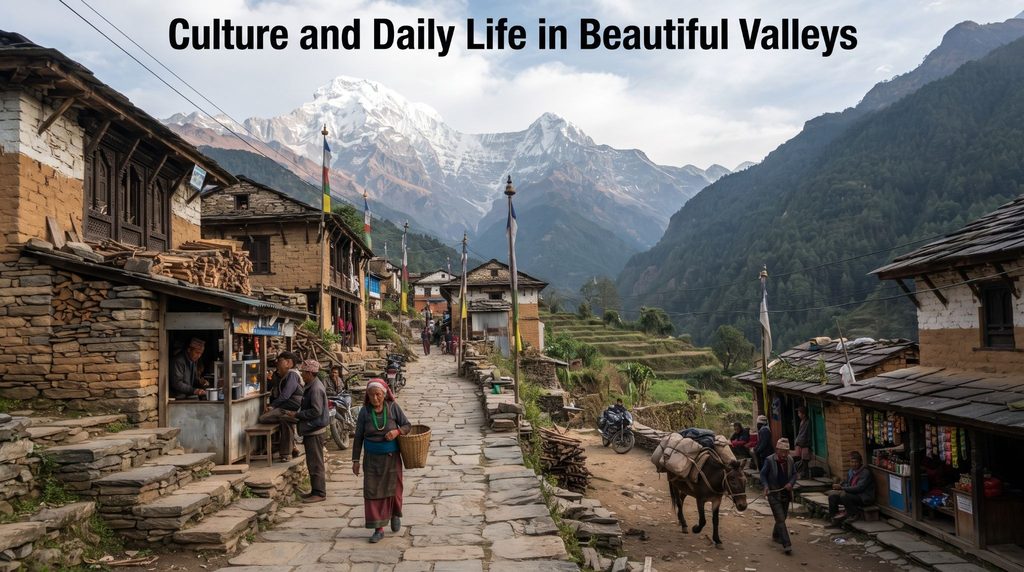
Valley communities often develop distinctive traditions because mountains can shape movement, trade, agriculture, and communication. Architecture may reflect local climate conditions, while food traditions often depend on crops and ingredients available in the region.
In agricultural valleys, the changing seasons may influence daily life more visibly. Planting, harvesting, grazing, and local festivals can all reflect the natural rhythm of the landscape.
Travelers should remember that culture is not separate from scenery. The villages, farms, religious sites, and traditional pathways found throughout a valley are often part of the story that makes the destination meaningful.
How to Travel Through Beautiful Valleys
Transportation depends on the location. Some valleys are connected by major roads and railways, while others require long drives through mountain passes or narrow roads.
| Travel Method | Best Use | Important Consideration |
| Car | Flexible exploration and remote viewpoints | Mountain roads may require careful driving |
| Train | Scenic travel in well-connected regions | Routes are limited to certain valleys |
| Local transport | Visiting towns and villages | Schedules may be less frequent |
| Walking | Short-distance exploration | Weather and trail conditions matter |
| Guided tours | Remote or unfamiliar areas | Choose operators with local knowledge |
A flexible itinerary is often best. Mountain roads can be affected by weather, and popular viewpoints may be more enjoyable during quieter parts of the day.
Practical Tips for Visiting Beautiful Valleys
A successful valley trip does not require complicated planning, but a few practical choices can make the journey much more comfortable.
Pack layers rather than relying on one heavy outfit. Even during warmer months, mornings and evenings can be cool in mountain regions. Comfortable footwear is useful for uneven paths and village streets.
Allow extra time for travel. Scenic mountain routes may take longer than they appear on a map because of curves, weather, and stops along the way.
It is also worth staying longer than one night when possible. A short visit may provide a beautiful view, but an extra day allows you to experience changing weather, local routines, and quieter parts of the landscape.
Responsible Travel in Beautiful Valleys
Beautiful Valleys are often environmentally sensitive. Increased tourism can place pressure on trails, water sources, wildlife habitats, and small communities.
Stay on marked paths where required, carry away waste, and avoid leaving litter in natural areas. Respect photography restrictions and local customs, especially near religious or private places.
Supporting locally owned accommodation, restaurants, and guides can also help ensure that tourism benefits the communities that maintain and live within these landscapes.
FAQs
What makes a valley a good travel destination?
A memorable valley usually combines attractive natural scenery with opportunities for walking, sightseeing, cultural experiences, and access to nearby mountain landscapes.
Are mountain valleys suitable for family travel?
Many are suitable for families, especially destinations with easy walking routes, reliable accommodation, and accessible scenic areas. Activities should always be chosen according to weather and local conditions.
What should I pack for a valley trip?
Comfortable walking shoes, layered clothing, rain protection, drinking water, and basic travel essentials are useful for most mountain destinations.
Is it better to stay in a valley or visit on a day trip?
Staying overnight usually provides a richer experience because you can enjoy early mornings, evenings, changing light, and nearby areas without rushing.
How can travelers protect natural mountain areas?
Follow local rules, stay on designated trails, avoid littering, respect wildlife, and support responsible local businesses and guides.
Conclusion
The most rewarding valley journeys are not always about reaching the highest viewpoint or checking off famous attractions. They are about noticing how mountains, water, forests, villages, and people belong to the same landscape. Whether you choose a well-known destination or a quieter mountain region, taking time to travel slowly can reveal details that a rushed itinerary would miss.
Read More: Nature Mountains: A Complete Guide to Exploring Earth’s Most Beautiful Mountain Landscapes

I am a travel enthusiast who loves exploring India’s beautiful destinations, culture, history, food, and hidden places. Through my travel website, I aim to help travelers discover amazing places in India and plan memorable trips with useful travel information and tips.