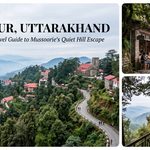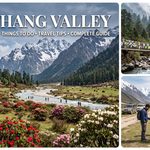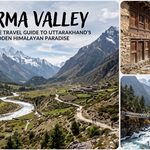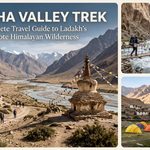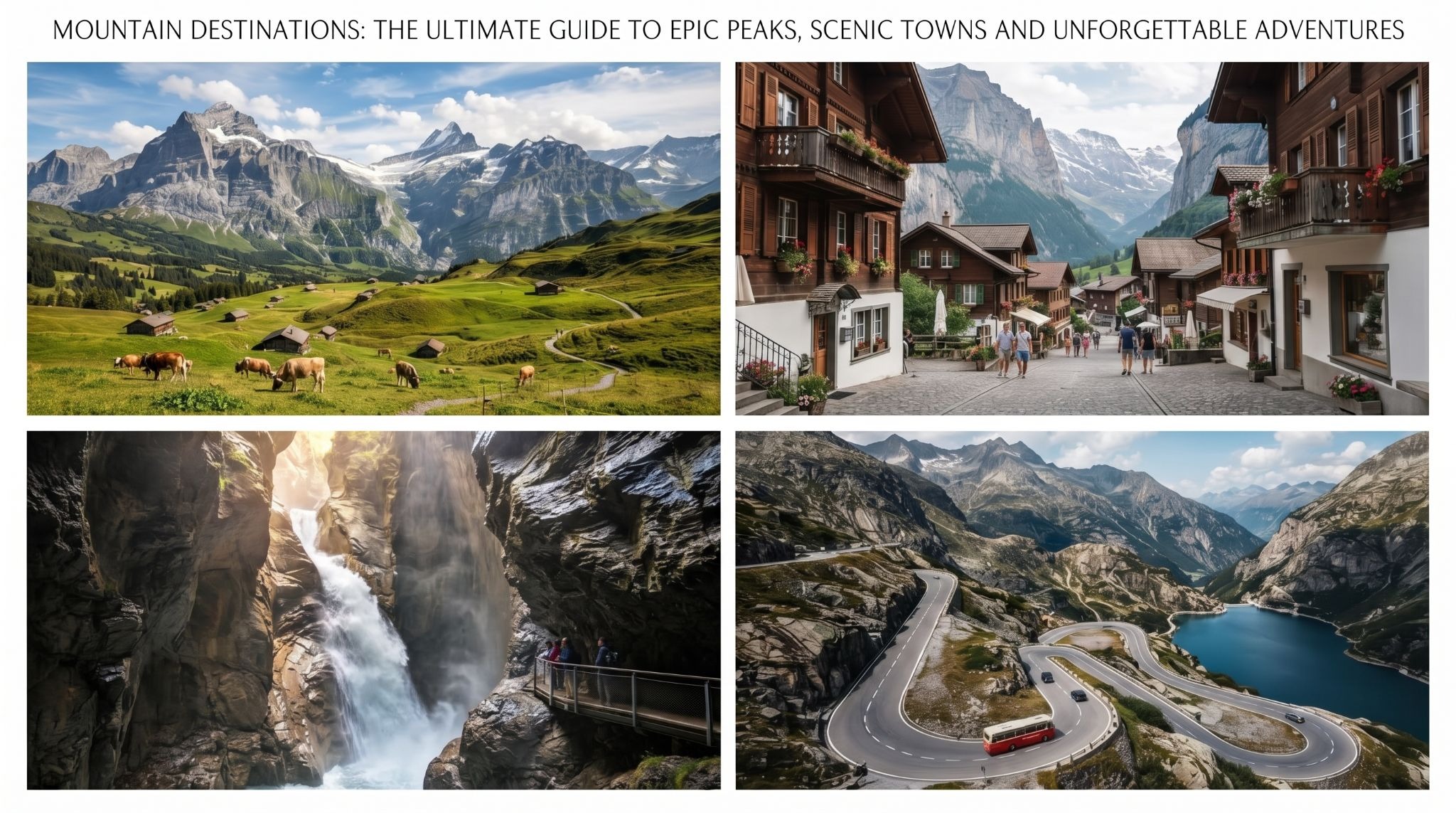
Mountain destinations have a special way of changing the pace of a journey. Roads wind through deep valleys, villages sit beneath dramatic peaks and even an ordinary morning can come with a spectacular view. Whether you dream of hiking beneath snow covered summits, exploring alpine towns or simply escaping into quieter landscapes, the world’s mountain regions offer experiences for almost every kind of traveler.
From the European Alps and the Canadian Rockies to the Himalayas and the Andes, these landscapes are remarkably diverse. Some are ideal for relaxed sightseeing and scenic rail journeys while others attract experienced hikers, climbers and adventure travelers. Choosing the right region depends on the season, your interests and how much time you have available. This guide explores what makes these highland escapes memorable and how to plan a rewarding trip.
Why Mountain Destinations Are Worth Visiting
A mountain trip is about more than impressive scenery. The landscape often shapes the culture, food, architecture and everyday life of the communities living there. Traditional villages in the Alps have a very different character from Himalayan settlements or Patagonian towns.
Many regions also offer activities throughout the year. Summer can bring hiking, cycling and wildlife viewing while winter transforms many high altitude areas into destinations for skiing and snow activities. Even travelers who prefer not to take part in demanding outdoor adventures can enjoy viewpoints, local markets, cultural attractions and scenic drives.
| Region | Known for | Best suited to |
| European Alps | Alpine villages, hiking and skiing | First time mountain travelers |
| Canadian Rockies | Lakes, peaks and wildlife | Nature lovers and road trippers |
| Himalayas | High peaks, trekking and culture | Adventure and cultural travel |
| Andes | Dramatic landscapes and diverse cultures | Explorers and experienced hikers |
| Patagonia | Glaciers, trails and wilderness | Outdoor and nature enthusiasts |
Best Mountain Destinations for Scenic Landscapes
Some places stand out because the scenery remains the main attraction wherever you go. The Canadian Rockies are famous for turquoise lakes, rugged peaks and expansive wilderness. The Alps combine dramatic landscapes with accessible towns and well developed tourism infrastructure.
The Dolomites in northern Italy offer another distinctive setting. Their pale rock formations rise sharply above green valleys and traditional settlements. In South America, Patagonia provides a more remote feeling with glaciers, mountains and open landscapes stretching across southern Argentina and Chile.
For travelers who want the world’s most recognizable high mountain scenery, the Himalayas are difficult to overlook. The region contains some of the highest peaks on Earth and has a rich cultural landscape shaped by centuries of local traditions.
Best Mountain Destinations for Adventure
Adventure looks different from one traveler to another. For some, it means a challenging multi day trek. For others, it may be cycling along a mountain road or taking a cable car to a high viewpoint.
The Himalayas are renowned for trekking routes and mountaineering. The Alps offer hiking, climbing, skiing and cycling across numerous countries. The Andes provide opportunities for trekking and exploring landscapes that range from high plateaus to dramatic valleys.
Before choosing an adventure destination, consider your experience and fitness level. Weather can change quickly in mountainous environments, and altitude can become a serious consideration in higher regions.
Choose Experiences That Match Your Ability
A scenic trail near a mountain town can be just as rewarding as a demanding expedition. If you are new to high altitude travel, begin with lower elevation walks and allow time to adjust before attempting strenuous activities.
Best Mountain Destinations for Culture and Local Experiences
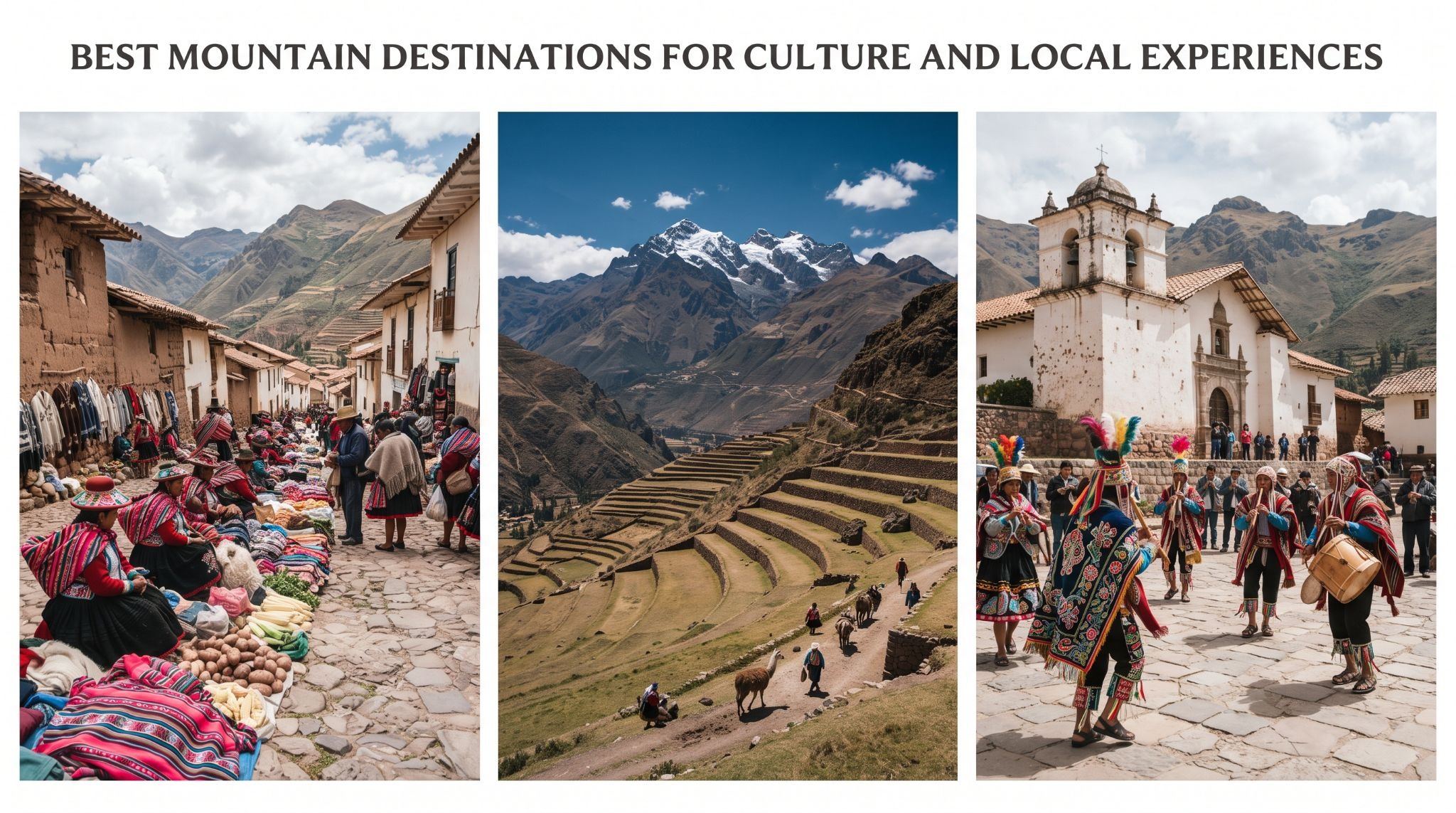
Mountain communities often have strong traditions that are closely connected to their surroundings. In Nepal, Bhutan and parts of northern India, travelers can encounter Buddhist and Hindu cultural traditions alongside distinctive local architecture and festivals.
European mountain regions offer a different experience. Villages across the Alps are known for regional cuisines, traditional buildings and long established farming traditions. In the Andes, Indigenous cultures remain an important part of the identity of many communities.
Food is another rewarding way to understand a region. Alpine destinations are associated with cheeses, breads and hearty dishes while Himalayan and Andean cuisines reflect local ingredients and centuries of cultural exchange.
| Destination area | Cultural experience | What travelers can explore |
| Nepal Himalayas | Mountain and religious traditions | Monasteries, villages and local cuisine |
| Swiss Alps | Alpine heritage | Villages, regional food and traditional architecture |
| Andes | Indigenous and Spanish influences | Markets, historic communities and regional dishes |
| Northern Italy | Alpine and Italian traditions | Mountain villages, food and distinctive architecture |
Best Time to Visit Mountain Destinations
The best season depends heavily on the region and the experience you want. Summer is generally popular for hiking in many temperate mountain areas because trails are more accessible. Winter attracts travelers interested in skiing and snowy landscapes.
Spring and autumn can provide quieter conditions in some destinations, although mountain weather is often unpredictable and higher trails may remain inaccessible because of snow.
High altitude regions require additional planning. Conditions can vary significantly even within the same season, so travelers should check local weather and trail information before setting out.
| Travel goal | Generally favorable season | Important consideration |
| Hiking in temperate mountains | Late spring to early autumn | Snow can remain at higher elevations |
| Skiing and snow activities | Winter | Conditions vary by resort and elevation |
| Scenic sightseeing | Depends on destination | Check weather and seasonal access |
| High altitude trekking | Destination specific | Acclimatization and weather matter |
How to Plan a Trip to Mountain Destinations
Start by choosing the experience rather than simply picking the most famous peak. A traveler looking for peaceful scenery may prefer a small alpine town while someone seeking adventure may choose a trekking region.
Think about transportation as well. Mountain areas can require combinations of flights, trains, buses, cars or local transport. Travel times can also be longer than they appear on a map because roads follow valleys and mountain passes.
Accommodation should be chosen according to your daily plans. Staying in a central town can provide access to restaurants and transport while a remote lodge may offer greater immersion in nature.
Pack according to the environment rather than relying solely on the calendar. Layers, comfortable footwear, sun protection and rain protection are useful in many mountain regions. For higher elevations, specialist equipment may be necessary depending on the activity.
Things to Do in Mountain Destinations Beyond Hiking
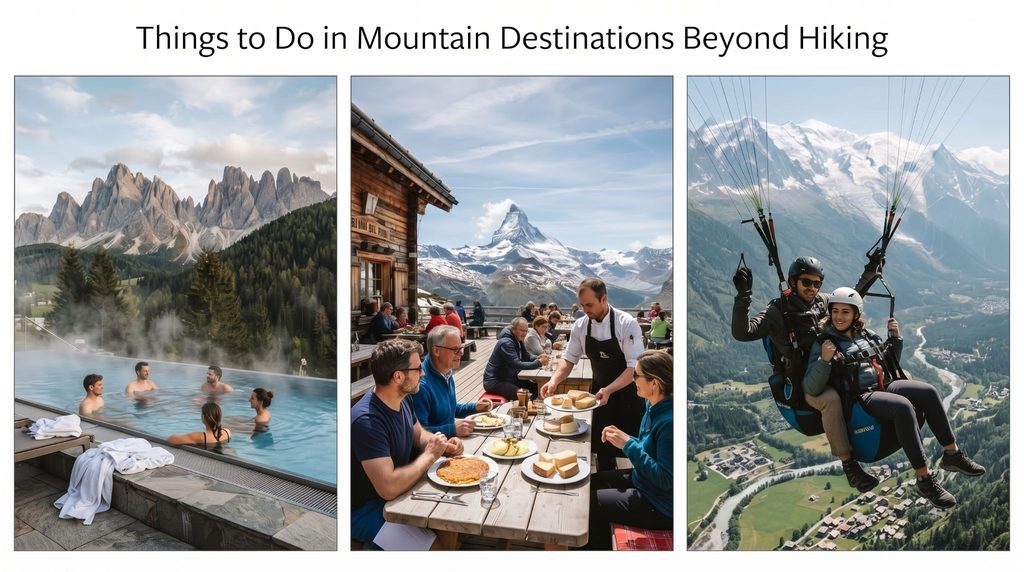
You do not have to be an experienced hiker to enjoy the mountains. Scenic rail journeys, cable cars, viewpoints and mountain roads can provide spectacular perspectives with less physical effort.
Wildlife watching is another popular experience. Mountain regions can support species adapted to difficult environments, although sightings are never guaranteed. Photography is also particularly rewarding because changing weather and light can transform the landscape throughout the day.
Travelers can spend time exploring historic villages, visiting museums, sampling regional food or simply enjoying a quiet afternoon surrounded by peaks.
Practical Tips for Mountain Destinations
Mountain travel rewards preparation. Check weather forecasts shortly before outdoor activities and understand the difficulty of any trail you plan to follow. Do not underestimate exposure to sun, cold or sudden weather changes.
Altitude deserves particular attention in high mountain regions. If you are traveling somewhere significantly higher than your normal environment, research acclimatization and recognize the symptoms of altitude illness. Seek professional medical advice when appropriate.
Respect local communities and protected natural areas. Stay on marked trails where required, carry waste with you and avoid disturbing wildlife. Supporting locally owned accommodation, restaurants and guides can also help keep tourism benefits within mountain communities.
Choosing the Right Mountain Destinations for Your Trip
The best destination is ultimately the one that fits your interests, time and comfort level. Families may value easy sightseeing and convenient facilities while experienced trekkers may prioritize remote trails and challenging terrain.
If scenery is your priority, consider the Alps or Canadian Rockies. For cultural depth and high altitude adventure, the Himalayas offer extraordinary possibilities. For wilderness and dramatic landscapes, Patagonia and parts of the Andes deserve serious consideration.
The key is to leave enough flexibility in your itinerary. Mountain weather can change plans quickly, and allowing extra time often makes the journey more enjoyable rather than less productive.
FAQs
What are the best mountain regions for first time visitors?
The Alps and Canadian Rockies can be good choices because they combine spectacular scenery with established tourism services and a wide range of activities.
Which mountain areas are best for hiking?
The Alps, Himalayas, Andes and Patagonia all offer excellent hiking opportunities. The right choice depends on your experience, fitness, season and preferred level of difficulty.
Can I enjoy a mountain holiday without hiking?
Yes. Scenic drives, cable cars, rail journeys, viewpoints, villages, food and cultural attractions provide plenty of ways to experience mountain landscapes without demanding hikes.
What should I pack for a mountain trip?
Pack layers, comfortable footwear, weather protection and sun protection. For high altitude or technical activities, additional equipment may be necessary.
Is mountain travel suitable for families?
Many mountain regions have family friendly towns, viewpoints and gentle walking routes. Families should choose activities according to children’s ages, weather conditions and local terrain.
Conclusion
The world’s great mountain regions offer far more than impressive photographs. They bring together wilderness, culture, adventure and slower moments that can make a journey feel genuinely different from everyday life. Whether you choose an alpine village, a Himalayan trail, a Patagonian wilderness or the Rockies, thoughtful planning will help you experience the landscape safely and meaningfully.
Choose a place that matches the kind of traveler you are rather than simply chasing the highest peak. With the right season, realistic itinerary and respect for the environment and local communities, a mountain escape can become one of the most memorable journeys you take.
Read More: Mountain Towns: Charming Escapes for Nature, Culture, and Adventure

I am a travel enthusiast who loves exploring India’s beautiful destinations, culture, history, food, and hidden places. Through my travel website, I aim to help travelers discover amazing places in India and plan memorable trips with useful travel information and tips.