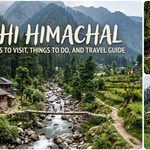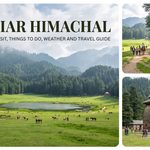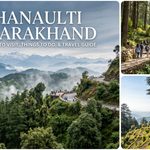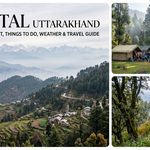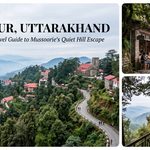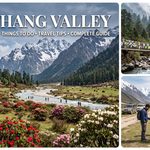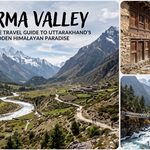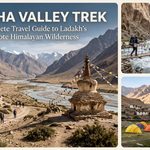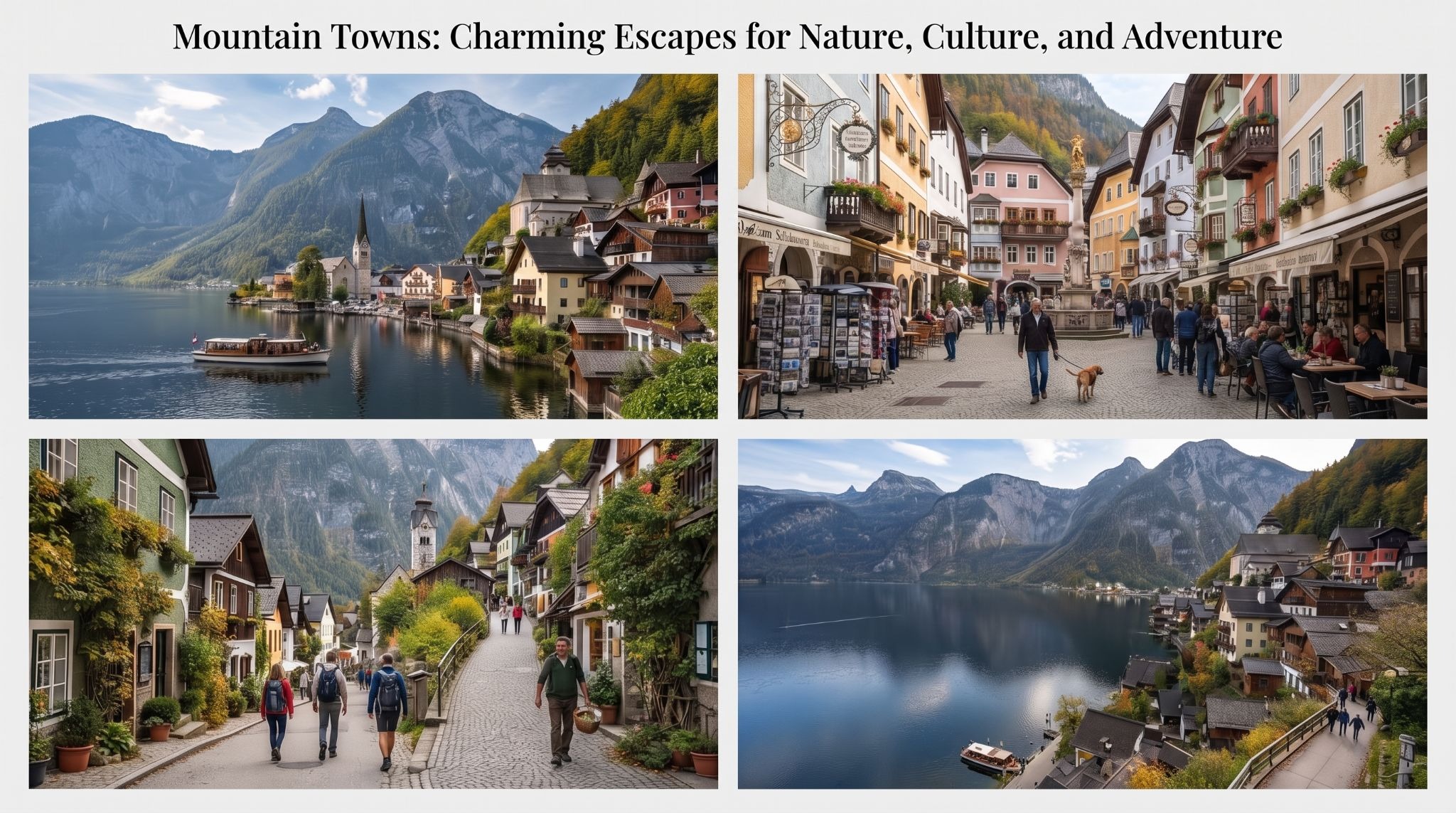
Mountain towns have a special way of slowing life down. Surrounded by forested slopes, rocky peaks, clear streams, and open skies, these destinations offer a refreshing break from crowded cities. Some are known for hiking and skiing while others attract travelers with historic streets, local food, peaceful scenery, and long established traditions. What connects them is the opportunity to experience mountain landscapes at a more relaxed pace.
From the Swiss Alps to the Himalayas and the Rockies, mountain communities come in many different forms. A good trip is not only about reaching a high viewpoint. It is also about exploring local neighborhoods, discovering regional traditions, enjoying scenic roads, and allowing enough time to appreciate the landscape. Whether you want an active adventure or a quiet escape, the right mountain destination can make an unforgettable addition to your travel plans.
Best Time to Visit Mountain Towns
The best season depends heavily on what you want to do. Summer is generally popular for hiking, sightseeing, road trips, and outdoor activities because many mountain routes are more accessible. Autumn brings colorful forests and cooler temperatures in many regions. Winter transforms destinations into snowy retreats where skiing and other winter activities become major attractions.
Spring can be particularly peaceful, although conditions vary significantly with elevation. Snow may remain at higher levels while lower valleys begin warming. Before traveling, check local weather and road conditions because mountain conditions can change quickly.
| Season | Typical Experience | Best For |
| Spring | Fresh landscapes and changing conditions | Quiet trips and lower elevation walks |
| Summer | Accessible trails and outdoor activities | Hiking, sightseeing, and road trips |
| Autumn | Cooler weather and changing foliage | Photography and scenic escapes |
| Winter | Snowy landscapes and winter sports | Skiing and snow experiences |
Top Attractions in Mountain Towns
The attractions are often closely connected to the surrounding landscape. Scenic viewpoints provide expansive mountain panoramas while walking trails lead into forests, valleys, and alpine areas. Many destinations also have historic centers where traditional architecture reflects the region’s past.
Local museums and cultural attractions can add depth to a trip. Instead of simply photographing the scenery, visitors can learn how communities developed around farming, trade, tourism, or mountain industries.
Scenic Viewpoints
Look for viewpoints that can be reached without an unnecessarily difficult hike. Cable cars, mountain railways, or accessible roads operate in some destinations, although services vary by location and season.
Historic Centers
Old streets, traditional houses, churches, markets, and small local museums can reveal a different side of mountain life. Spending a few hours exploring on foot is often worthwhile.
Things to Do in Mountain Towns
Outdoor experiences are usually the main attraction. Hiking is one of the most flexible choices because trails range from short walks to demanding routes. Cycling, climbing, horseback riding, skiing, and snowshoeing are also available in different destinations.
You do not need to plan every hour around adventure. Sitting at a viewpoint with a warm drink, walking through a quiet village, or visiting a local market can be just as memorable.
| Activity | Suitable Season | Planning Consideration |
| Hiking | Spring to autumn in many regions | Check trail and weather conditions |
| Cycling | Spring to autumn | Routes can vary greatly in difficulty |
| Skiing | Winter | Snow conditions and resort operations vary |
| Photography | Year-round | Light and visibility change with weather |
| Village walks | Year-round | Comfortable footwear is useful |
Mountain Towns for Food and Local Culture
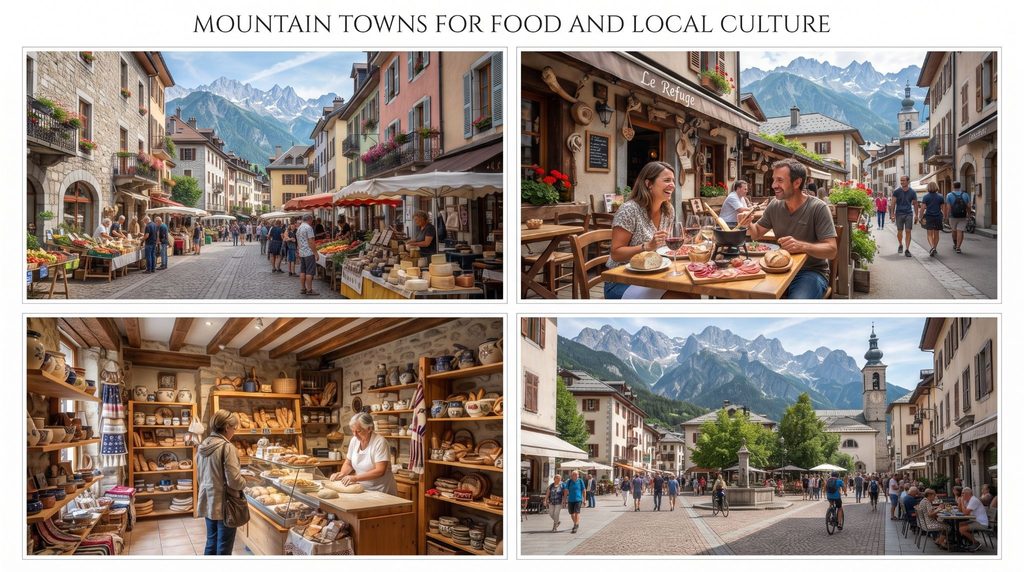
Food can be one of the best ways to understand a mountain region. Local dishes often reflect ingredients and traditions that developed around the surrounding environment. Depending on the country, travelers may encounter regional cheeses, breads, stews, grilled dishes, preserved foods, or locally produced sweets.
Markets and family run restaurants can offer a more authentic sense of place than eating only in areas designed for visitors. If you have dietary restrictions, learn a few useful local food terms before arriving and communicate clearly when ordering.
Experiencing Local Traditions
Respect local customs and avoid treating traditional communities simply as photo opportunities. Ask permission before photographing people and follow local guidance at religious or culturally important sites.
How to Reach Mountain Towns
Getting to a mountain destination can be part of the experience. Some communities are connected by major roads and public transportation while others require a combination of trains, buses, and local transfers. In remote areas, transportation may be less frequent than in major cities.
If you are driving, allow extra time for mountain roads. Weather, traffic, construction, and road conditions can affect travel times. Avoid assuming that a short distance on a map means a quick journey.
| Transport Option | Main Advantage | Best Consideration |
| Train | Comfortable scenic travel in some regions | Check connections and seasonal schedules |
| Bus | Useful for smaller communities | Services may be less frequent |
| Rental car | Greater flexibility | Mountain driving requires extra care |
| Local transport | Helpful after arrival | Routes and schedules vary by destination |
Where to Stay in Mountain Towns
Accommodation choices range from small guesthouses and traditional inns to hotels, apartments, and mountain lodges. Your location can make a noticeable difference to the experience.
Staying near the center is convenient for restaurants, shops, and local attractions. Properties farther from town may provide more privacy and scenery but can require transportation. In winter destinations, travelers may also prefer accommodation with convenient access to ski areas.
Book ahead during busy travel periods, especially when a destination has limited accommodation.
Nearby Places to Explore From Mountain Towns
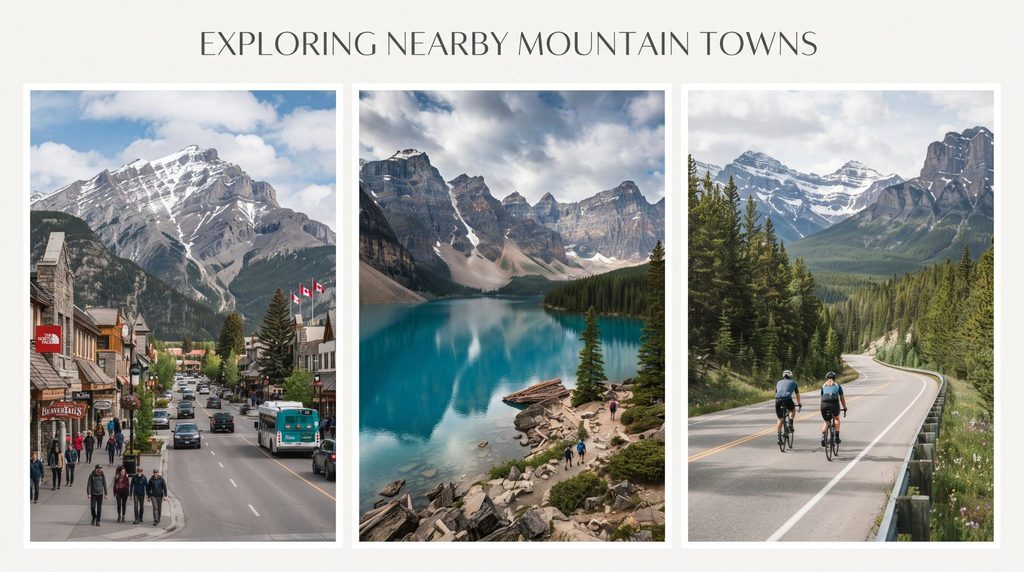
A mountain town can also work as a base for exploring nearby valleys, lakes, villages, forests, and protected landscapes. Day trips are often easier when you avoid changing accommodation every night.
Before setting out, check the actual travel conditions rather than relying solely on map distance. Mountain roads can be winding and journeys can take longer than expected.
A slower itinerary is often more rewarding. Instead of trying to visit several distant attractions in one day, choose one main destination and leave time for unexpected stops.
Practical Tips for Mountain Towns
Mountain travel rewards preparation. Pack layers because temperatures can change considerably between valleys and higher elevations. Comfortable footwear is important even if you do not intend to undertake a serious hike.
Check weather forecasts before outdoor activities and follow marked routes. Carry water and basic essentials on longer walks. If you are traveling to a high altitude destination, give yourself time to adjust and avoid pushing yourself if you feel unwell.
Respect nature by staying on designated paths where required, carrying waste with you, and avoiding disturbance to wildlife.
FAQs About Mountain Travel
What should I pack for a mountain vacation?
Bring layered clothing, comfortable walking shoes, rain protection, sun protection, and a small daypack. Your exact packing list should reflect the season and altitude.
Are mountain destinations suitable for families?
Many are. Look for destinations with easy walking routes, convenient transportation, family friendly attractions, and accommodation suited to children.
How many days are enough for a mountain getaway?
Three to five days can work well for a short trip. Longer stays are useful if you want hiking, day trips, cultural experiences, and plenty of relaxed time.
Is it better to rent a car?
It depends on the destination. A car can provide flexibility in remote areas, while trains and buses may be more convenient in regions with reliable public transportation.
How can I travel responsibly in mountain regions?
Stay on marked trails, reduce waste, respect local communities, conserve resources, and follow rules designed to protect wildlife and natural areas.
Conclusion
The best mountain escapes are not necessarily the places with the highest peaks or longest list of attractions. They are destinations where nature, community, culture, and everyday life come together. Give yourself time to explore beyond the main viewpoints, enjoy local food, walk through quiet streets, and experience the landscape at its own pace. With thoughtful planning and respect for the environment, a trip to the mountains can become far more than a quick sightseeing stop.
Read More: Hill Stations: A Complete Guide to Scenic Mountain Escapes

I am a travel enthusiast who loves exploring India’s beautiful destinations, culture, history, food, and hidden places. Through my travel website, I aim to help travelers discover amazing places in India and plan memorable trips with useful travel information and tips.