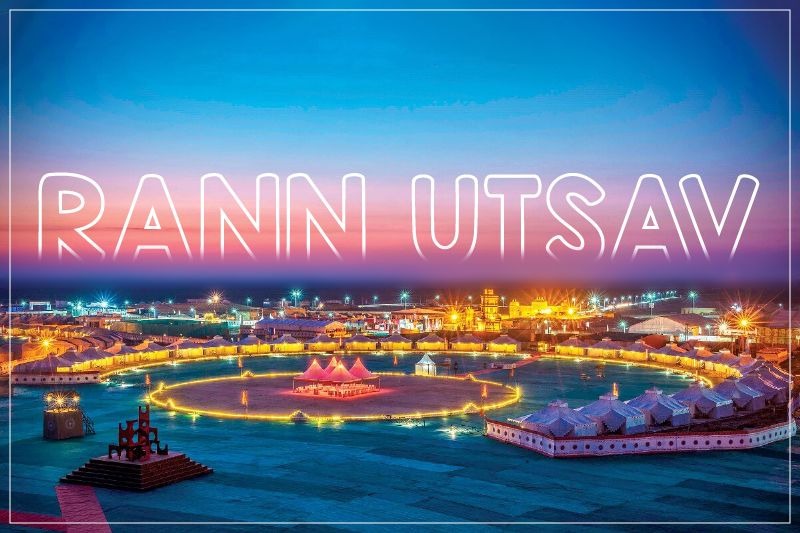
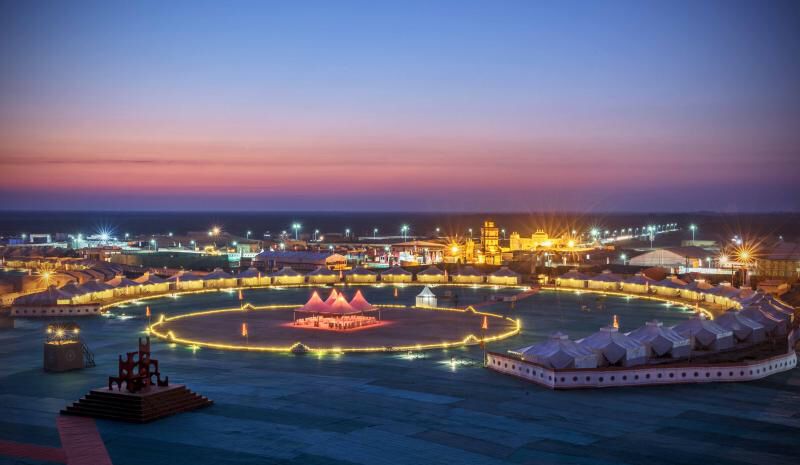
Rann Utsav brings together one of Gujarat’s most extraordinary landscapes with the music, crafts, food and traditions of Kutch. Held around Dhordo beside the Great Rann of Kutch, the festival turns the vast white salt desert into a lively cultural destination during the cooler months. The contrast is striking. By day, the landscape stretches toward the horizon in almost complete silence. By evening, folk performances, traditional crafts and local flavours create a very different atmosphere.
The experience is about much more than visiting a festival ground. A trip here can introduce travellers to Kutchi embroidery, mud craft, Rogan painting, folk traditions and rural communities while also offering time in the remarkable salt landscape. Dhordo is the main base for the festival experience, while Bhuj serves as the principal gateway for exploring this part of Kutch.
Rann Utsav and the Landscape of Kutch
The setting is the Great Rann of Kutch, a seasonal salt marsh that becomes a striking white landscape during the dry months. Gujarat Tourism describes the area as a vast salt desert shaped by geological changes over time. During the monsoon, parts of the Rann hold water, while the landscape dries into salt-covered plains later in the year.
That changing landscape is an important part of the festival’s appeal. The openness makes the horizon feel unusually distant, while winter light creates dramatic conditions for photography. Around Dhordo, the festival provides a comfortable base from which visitors can experience the landscape without treating the desert as merely a backdrop.
| Feature | What visitors can expect |
| Main festival setting | Dhordo in Kutch |
| Natural highlight | Great Rann of Kutch |
| Main season | Cooler months from late autumn through winter |
| Cultural focus | Kutchi music, dance, crafts and food |
| Nearby gateway | Bhuj |
Rann Utsav and the Culture of Kutch
Kutch has a distinctive cultural identity shaped by many communities and generations of craftsmanship. The festival provides an opportunity to see traditional skills that remain important to the region, including embroidery, textile work, leatherwork, pottery, woodcraft and other forms of handmade art. Dhordo itself is particularly associated with mud craft and Mutwa embroidery.
For travellers, one of the most rewarding parts is seeing these traditions in context rather than simply buying finished souvenirs. Across Kutch, villages and artisan communities preserve techniques that have become closely associated with the region. A visit can therefore feel like a cultural journey as much as a sightseeing trip.
Music, Dance and Local Flavours
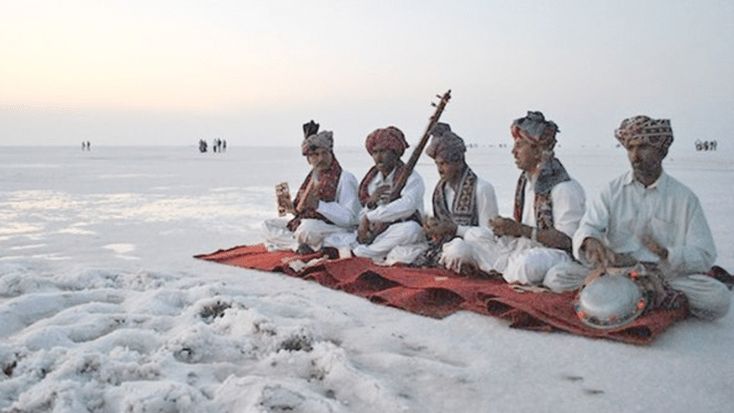
Evenings are often central to the festival atmosphere. Folk music and dance bring a strong sense of place, while regional food adds another layer to the experience. Instead of rushing through a long list of attractions, give yourself enough time to sit, listen and observe. The slower pace allows the character of Kutch to become part of the journey.
Rann Utsav and the White Rann Experience
The White Rann is the visual centrepiece of a visit. The salt-covered ground appears almost endless, and its appearance changes with the position of the sun. Early morning can feel quiet and spacious, while sunset brings warmer tones across the landscape. On suitable nights, moonlight can create an entirely different view of the salt plains. Gujarat Tourism specifically highlights the White Rann as a memorable winter landscape, particularly around full moon periods.
Visitors should remember that this is a natural environment rather than a conventional urban attraction. Weather, access arrangements and local conditions can change, so it is sensible to follow current instructions when entering the designated White Rann area.
Rann Utsav Attractions Beyond the Festival
A longer stay gives travellers the chance to explore parts of Kutch beyond Dhordo. Gujarat Tourism lists Kalo Dungar, Narayan Sarovar and Chhari Dhand Wetland Reserve among attractions associated with the wider region.
Kalo Dungar
Kalo Dungar, or the Black Hills, provides a dramatic contrast to the white salt plains. The elevated landscape offers a different perspective on the surrounding Kutch region and is commonly included in excursions from the festival area.
Chhari Dhand
Chhari Dhand is a wetland reserve that offers an entirely different side of Kutch. Its habitats support a variety of birdlife, making it especially interesting for travellers who want to combine the desert landscape with nature experiences.
Narayan Sarovar
Narayan Sarovar is another important destination in the wider Kutch region. Combining the festival with nearby cultural and natural attractions can turn a short event visit into a more complete Kutch itinerary.
Rann Utsav and Traditional Handicrafts
Handicrafts are one of the strongest reasons to spend time around the festival beyond the main performances. Gujarat Tourism highlights embroidery, tie and dye, leatherwork, pottery, bell metal craft and Rogan painting as examples of the region’s artistic traditions.
Rogan painting is particularly distinctive because of its connection with the Kutch region. Visitors interested in crafts should consider visiting artisan villages where possible rather than limiting shopping to a single marketplace.
| Craft or tradition | What makes it interesting |
| Kutchi embroidery | Detailed textile work associated with communities across Kutch |
| Mutwa embroidery | A distinctive embroidery tradition associated with Dhordo and surrounding areas |
| Rogan painting | A specialised textile art associated with Kutch |
| Leatherwork | Traditional craft found in villages across the region |
| Pottery and mud craft | Useful examples of Kutch’s distinctive handmade traditions |
Rann Utsav Accommodation and Staying in Dhordo
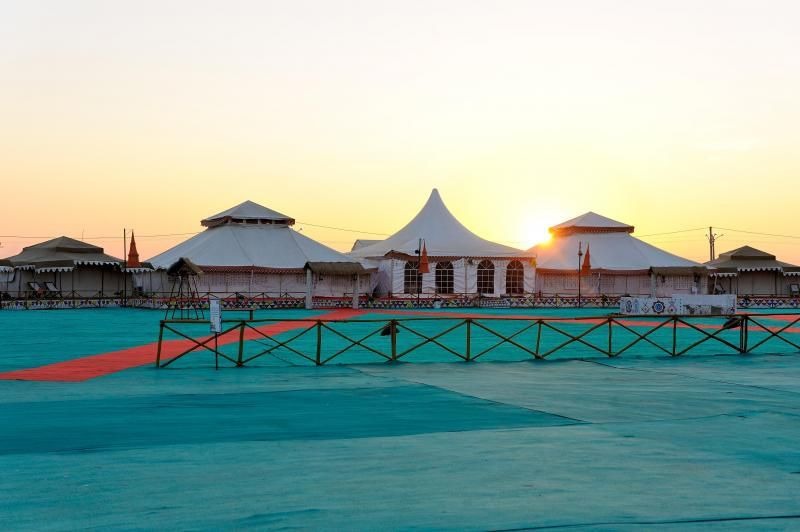
Accommodation is an important part of planning because Dhordo becomes the centre of activity during the festival season. The well-known tented accommodation concept gives visitors the option of staying close to the festival environment, while registered resorts and other accommodation options are also available in the wider Kutch area. Gujarat Tourism currently lists registered properties in Kutch, including accommodation options around the festival region.
Staying closer to Dhordo can reduce daily travel and make it easier to enjoy evening activities. Staying elsewhere may suit travellers who prefer a quieter base or want to combine the festival with a broader Kutch road trip.
Best Time to Visit Rann Utsav
The festival takes place during the cooler part of the year, when the salt desert is at its most accessible and visually distinctive. Gujarat Tourism’s festival calendar currently lists the 2026 to 2027 edition from November 2026 into February 2027. Exact arrangements and operating details should be checked before travelling because event schedules can change.
Winter evenings can become noticeably cool, especially in an exposed landscape. Comfortable layers are therefore useful even if daytime temperatures feel pleasant.
| Travel period | Why consider it |
| November | Good for experiencing the opening part of the festival season |
| December | Cooler weather and strong festive atmosphere |
| January | Comfortable winter conditions and plenty to explore in Kutch |
| February | Useful for travellers planning a later-season visit |
Rann Utsav Travel Planning and Entry
Bhuj is the main transport gateway for visitors travelling toward the Great Rann. Gujarat Tourism states that Bhuj is the closest air and rail node to the Rann and places the Rann roughly 85 kilometres from Bhuj. The department also notes that Bhuj is connected by road, while the local airport provides domestic connectivity.
Entry arrangements for the White Rann should be checked before departure. Gujarat Tourism directs visitors to the official online permit system for White Rann access at Dhordo. This is especially important because access requirements can differ from simply reaching the festival area.
For a smoother trip, keep your accommodation confirmation, transport details and any required entry documentation together. It is also wise to check official festival information shortly before departure rather than relying on old schedules found online.
Rann Utsav Practical Tips for Visitors
A little preparation can make a major difference in Kutch. The landscape is expansive, services can be spread out and temperatures can change considerably between day and night.
Consider these practical points:
- Carry comfortable footwear suitable for walking on uneven and salt-covered ground.
- Take sun protection for daytime outings.
- Bring a warm layer for winter evenings.
- Keep drinking water with you during longer excursions.
- Check White Rann permit requirements before visiting the salt desert.
- Allow enough time for travel between Dhordo and attractions farther across Kutch.
- Buy handicrafts thoughtfully and, where possible, learn about the artisans and communities behind them.
- Check current festival and accommodation information before confirming your itinerary.
Rann Utsav as a Complete Kutch Journey
The best way to approach the festival is not as a single event but as an introduction to the wider region. The White Rann provides the unforgettable landscape, while Dhordo introduces visitors to local hospitality and crafts. Beyond it lie historic sites, wetlands, villages and other distinctive parts of Kutch. Gujarat Tourism’s broader Kutch guide highlights a wide range of heritage, wildlife, religious and cultural attractions across the region.
A thoughtful itinerary can therefore balance organised festival activities with slower experiences such as meeting artisans, visiting nearby villages and watching the landscape change through the day. That combination gives the journey considerably more depth than simply arriving for an evening performance.
FAQs
What is the best reason to visit the festival?
The combination of the Great Rann’s white salt landscape and Kutch’s living traditions makes the experience distinctive. Visitors can enjoy cultural performances while also exploring crafts, food and nearby attractions.
How far is the White Rann from Bhuj?
Gujarat Tourism places the Great Rann at about 85 kilometres from Bhuj. Actual journey time depends on the route, road conditions and the specific destination within the Rann area.
Do visitors need a permit for the White Rann?
Gujarat Tourism provides an online permit system specifically for entry to the White Rann at Dhordo. Travellers should check the current requirements before visiting.
What can travellers buy in Kutch?
Kutch is known for traditional handicrafts including embroidery, textiles, leatherwork, pottery, bell metal craft and Rogan painting. Visiting artisan communities can add context to the shopping experience.
Is Dhordo the only place worth visiting in Kutch?
No. Dhordo is an excellent base for the festival experience, but the wider region includes destinations such as Kalo Dungar, Chhari Dhand, Narayan Sarovar, Dholavira and several heritage and cultural attractions.
Conclusion
A journey to the salt desert during festival season offers a rare combination of landscape and culture. The White Rann supplies the unforgettable scenery, but the traditions of Kutch give the experience its real character. From artisan villages and folk performances to regional food and excursions across the wider district, there is plenty to discover beyond the main festival setting. Plan enough time to experience both the celebrated sights and the quieter corners of Kutch, and the journey can become far more meaningful than a simple event visit.
Read More:Kanaka Durga Temple: Vijayawada’s Sacred Hilltop Landmark

I am a travel enthusiast who loves exploring India’s beautiful destinations, culture, history, food, and hidden places. Through my travel website, I aim to help travelers discover amazing places in India and plan memorable trips with useful travel information and tips.