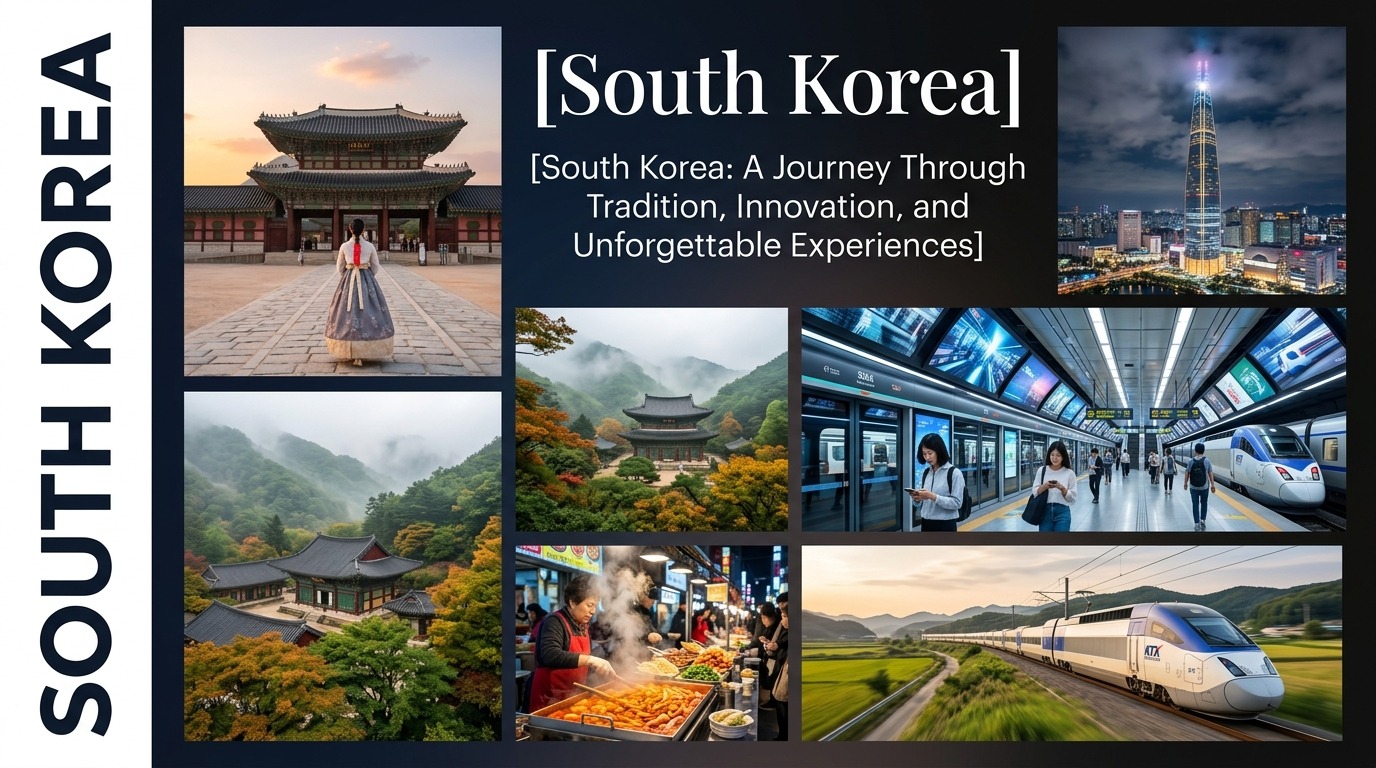
There are few places in the world where centuries-old palaces stand in the shadow of futuristic skyscrapers, where quiet mountain temples coexist with bustling shopping districts, and where tradition and innovation blend so naturally. South Korea is one of those rare destinations. From the energetic streets of Seoul to the peaceful countryside dotted with ancient villages, the country offers a travel experience that feels both exciting and deeply meaningful. Every corner reveals a different side of Korean life, inviting visitors to look beyond the headlines and discover a culture rich in history, creativity, and hospitality.
What makes South Korea especially memorable is the way it surprises travelers. One day, you might find yourself exploring a royal palace that has stood for centuries, and the next, enjoying cutting-edge technology in one of the world’s most advanced cities. Add incredible food, breathtaking landscapes, vibrant festivals, and welcoming locals, and it becomes easy to understand why South Korea continues to attract visitors from around the globe.
Where Is South Korea Located?
South Korea is located in East Asia on the southern half of the Korean Peninsula. It shares a border with North Korea and is surrounded by the Yellow Sea, the East Sea, and the Korea Strait.
Its strategic location has played an important role throughout history, influencing trade, culture, and international relations. Today, South Korea is known as one of Asia’s most dynamic countries, combining economic success with a rich cultural heritage.
The country’s efficient transportation network makes it easy for visitors to explore both urban and rural destinations.
The Rich History of South Korea
The story of South Korea stretches back thousands of years and is filled with remarkable achievements, challenges, and cultural development.
Ancient Kingdoms
The Korean Peninsula was once home to powerful kingdoms that shaped the country’s cultural identity.
Dynasties and Traditions
For centuries, royal dynasties contributed to the development of architecture, literature, art, and philosophy.
Modern Transformation
Following periods of hardship, South Korea experienced rapid growth and became one of the world’s leading economies.
Preserving the Past
Despite modernization, historical sites and traditions continue to play an important role in everyday life.
Why South Korea Captivates Travelers
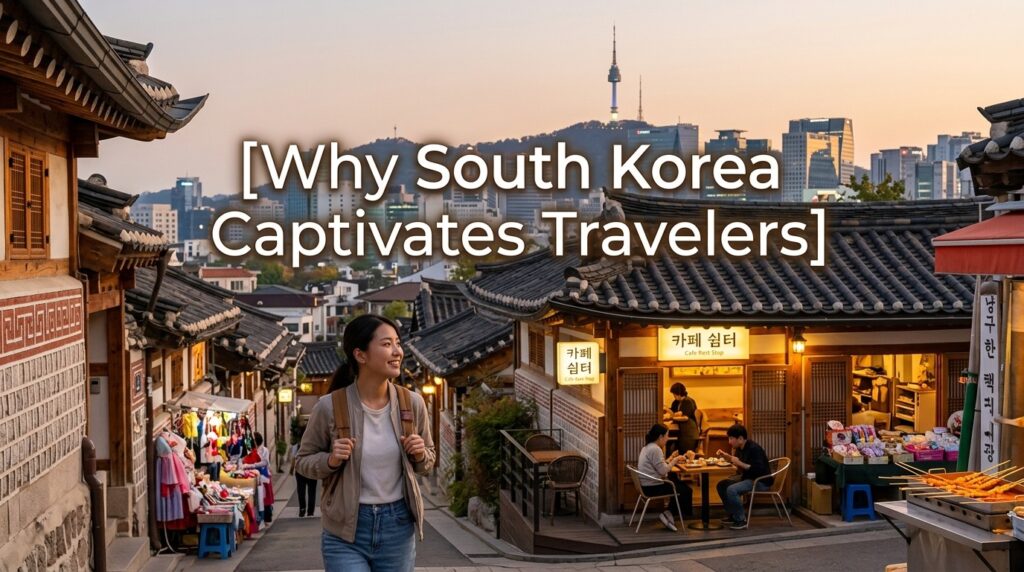
Many visitors arrive with certain expectations, only to discover that South Korea offers much more than they imagined.
A Blend of Old and New
Ancient landmarks and futuristic technology exist side by side.
Diverse Experiences
Travelers can enjoy city life, mountain adventures, cultural attractions, and coastal escapes.
Warm Hospitality
Visitors often praise the kindness and helpfulness of local residents.
Unique Cultural Identity
South Korea maintains strong traditions while embracing modern trends.
These qualities create a destination that feels both familiar and completely unique.
Exploring Seoul: The Heart of South Korea
No trip to South Korea is complete without spending time in Seoul.
Historic Palaces
The city is home to magnificent royal palaces that offer insight into Korea’s past.
Modern Cityscape
Towering buildings, innovative architecture, and vibrant neighborhoods showcase Seoul’s modern character.
Shopping and Entertainment
Visitors can explore everything from luxury districts to traditional markets.
Dynamic Nightlife
The city comes alive after dark with restaurants, cafes, and cultural attractions.
Seoul perfectly represents the energy and diversity of modern South Korea.
Traditional Culture and Heritage
One of the most rewarding aspects of visiting South Korea is experiencing its cultural traditions.
Hanok Villages
Traditional Korean houses offer a glimpse into historical lifestyles.
Ancient Customs
Many customs and ceremonies continue to be celebrated today.
Traditional Clothing
The hanbok remains an important symbol of Korean heritage.
Cultural Performances
Music, dance, and art help preserve centuries-old traditions.
These experiences allow visitors to connect with the country’s rich cultural roots.
The Natural Beauty of South Korea
While cities often receive attention, South Korea also boasts impressive natural landscapes.
Mountain Scenery
The country is known for its scenic mountain ranges and hiking trails.
Coastal Destinations
Beautiful beaches and dramatic coastlines attract visitors throughout the year.
National Parks
Protected areas showcase diverse ecosystems and stunning landscapes.
Seasonal Beauty
Each season transforms the scenery in unique and beautiful ways.
Nature lovers will find countless opportunities to explore the outdoors.
Korean Food: A Culinary Adventure
Food is an essential part of the South Korea travel experience.
Traditional Dishes
Many recipes have been passed down through generations.
Street Food Culture
Bustling food markets offer countless local specialties.
Regional Flavors
Different areas of the country feature unique culinary traditions.
Dining as a Social Experience
Meals often emphasize sharing and community.
Korean cuisine provides one of the most memorable aspects of any visit.
The Influence of Korean Pop Culture
Over the past two decades, South Korea has become a global cultural powerhouse.
K-Pop
Korean music has gained millions of fans worldwide.
Television and Cinema
Korean films and television series have achieved international recognition.
Fashion and Beauty
The country’s influence extends into global fashion and skincare trends.
Cultural Exports
South Korean entertainment continues to shape popular culture around the world.
This global influence has sparked increased interest in visiting the country.
Festivals and Celebrations
Throughout the year, South Korea hosts a variety of festivals that reflect its culture and traditions.
Seasonal Festivals
Events celebrate everything from flowers to harvests.
Cultural Celebrations
Traditional performances showcase local heritage.
Modern Events
Music, art, and entertainment festivals attract international audiences.
Community Spirit
Festivals provide opportunities to experience local life and hospitality.
These celebrations offer unique insights into Korean culture.
The Best Time to Visit South Kore
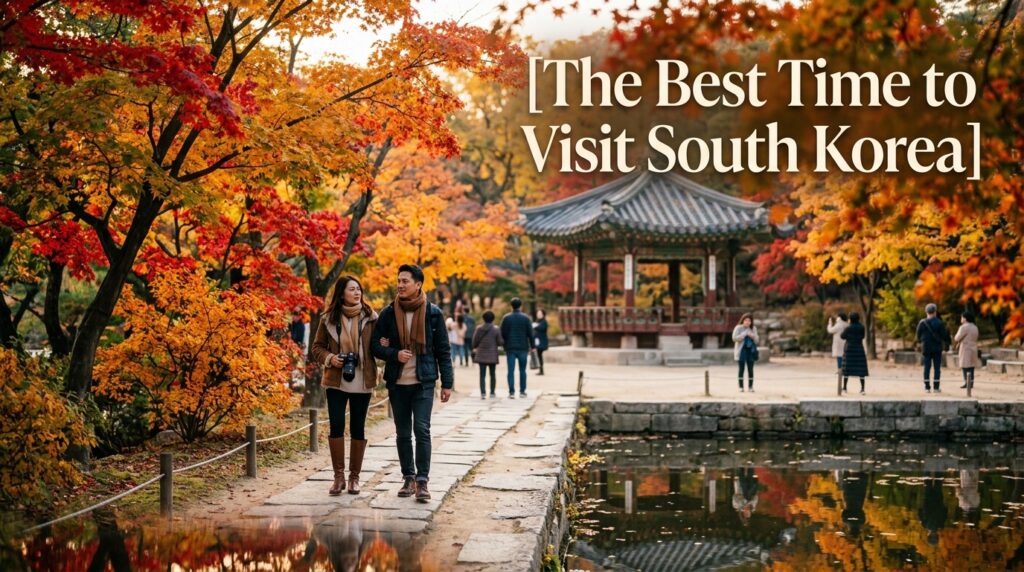
Every season offers something different for travelers.
Spring
Cherry blossoms create breathtaking scenery across the country.
Summer
Outdoor activities and coastal destinations become especially popular.
Autumn
Colorful foliage transforms mountains and parks into spectacular landscapes.
Winter
Snow-covered scenery and winter sports attract many visitors.
The best season depends largely on personal travel preferences.
Transportation and Getting Around
Traveling throughout South Korea is remarkably convenient.
High-Speed Rail
Modern train systems connect major cities efficiently.
Public Transportation
Subways and buses make urban travel simple and affordable.
Domestic Flights
Air travel offers quick access to distant regions.
Visitor-Friendly Infrastructure
Clear signage and modern facilities make navigation easier for international travelers.
Efficient transportation contributes significantly to the country’s popularity.
Travel Tips for Visiting South Korea
A little preparation can enhance the overall experience.
Learn Basic Korean Phrases
Simple greetings are often appreciated by locals.
Respect Cultural Customs
Understanding local etiquette helps create positive interactions.
Explore Beyond Major Cities
Smaller towns often reveal a different side of the country.
Try Local Foods
Sampling regional specialties adds depth to any journey.
These simple tips can help visitors enjoy a smoother and more rewarding trip.
FAQs
What is South Korea famous for?
South Korea is famous for its rich culture, advanced technology, K-pop, Korean cuisine, historic palaces, beautiful landscapes, and globally influential entertainment industry.
How many days should I spend in South Korea?
Most travelers recommend spending at least seven to ten days in South Korea to experience major cities, cultural attractions, natural landscapes, and local traditions.
What is the best time to visit South Korea?
Spring and autumn are often considered the best times to visit because of pleasant weather, beautiful scenery, and seasonal festivals.
Is South Korea expensive for tourists?
South Korea offers options for a variety of budgets. Visitors can find affordable accommodations and dining choices alongside luxury experiences.
Why should I visit South Korea?
South Korea offers a unique combination of history, culture, modern innovation, delicious food, friendly people, and diverse attractions that create an unforgettable travel experience.
Conclusion
South Korea is a destination that effortlessly combines history, innovation, culture, and natural beauty. From the bustling energy of Seoul and the serenity of ancient temples to scenic mountain landscapes and unforgettable culinary experiences, the country offers something for every type of traveler. Its ability to honor tradition while embracing the future creates a unique atmosphere that leaves a lasting impression.
Whether you’re drawn by cultural heritage, modern attractions, world-famous cuisine, or breathtaking scenery, South Korea rewards curiosity and exploration. Every journey reveals new experiences, meaningful connections, and memorable moments, making it one of Asia’s most fascinating destinations.
Read more:Tower Bridge London: The Iconic Landmark That Defines the City’s Skyline