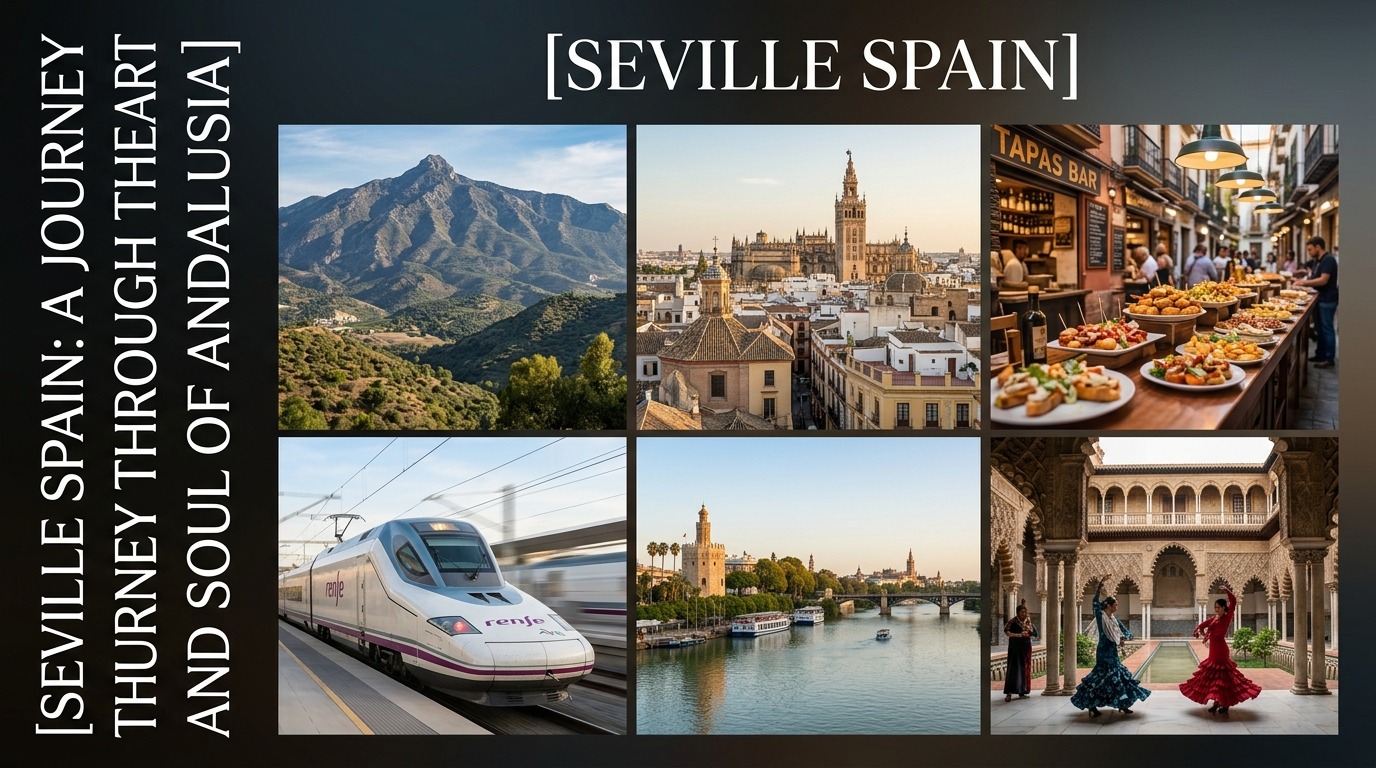
There are cities that impress visitors with famous landmarks, and then there are places that leave a lasting impression through atmosphere, culture, and character. Seville Spain belongs firmly in the second category. The capital of Andalusia is a city that feels alive at every hour of the day, where orange-scented streets lead to hidden courtyards, centuries-old churches stand beside lively tapas bars, and the sound of flamenco drifts through narrow cobbled lanes after sunset. It is a destination that effortlessly blends history, passion, and everyday Spanish life.
What makes Seville Spain so captivating is its ability to reveal something new around every corner. One moment, you’re admiring an extraordinary palace influenced by centuries of Moorish artistry; the next, you’re sitting in a sunlit square watching locals enjoy a slow afternoon conversation. Rich in tradition yet full of energy, Seville invites travelers to experience Spain beyond the guidebooks and discover a city that feels both timeless and deeply authentic.
Where Is Seville Spain Located?
Seville Spain is located in the southern region of Andalusia, one of the country’s most culturally rich and historically significant areas. Positioned along the Guadalquivir River, the city has served as an important center of trade, culture, and exploration for centuries.
Its location provides easy access to other Andalusian destinations, making it a popular stop on many Spanish travel itineraries. Despite being a major city, Seville retains a relaxed atmosphere that encourages visitors to slow down and enjoy its many treasures.
The combination of accessibility, history, and charm makes it one of Spain’s most rewarding destinations.
The Rich History of Seville Spain
The story of Seville Spain stretches back more than two thousand years.
Roman Foundations
The area was an important settlement during Roman times, and traces of that heritage remain visible today.
Moorish Influence
For centuries, Seville flourished under Moorish rule, leaving behind architectural masterpieces and cultural traditions that continue to define the city.
The Golden Age
Following the discovery of the Americas, Seville became one of Europe’s wealthiest cities and a major gateway for international trade.
A Living Historical Legacy
Today, visitors can explore layers of history reflected in the city’s monuments, neighborhoods, and traditions.
Why Seville Spain Is One of Europe’s Most Beautiful Cities
Many travelers consider Seville Spain one of the most beautiful urban destinations in Europe.
Elegant Architecture
Historic palaces, churches, and public buildings create a stunning cityscape.
Vibrant Street Life
Outdoor cafes, plazas, and local markets contribute to the city’s lively atmosphere.
Cultural Authenticity
Traditional customs remain an important part of daily life.
Year-Round Appeal
The city offers memorable experiences during every season.
These qualities create an environment that feels both welcoming and unforgettable.
Exploring the Royal Alcázar
The Royal Alcázar is one of the most remarkable attractions in Seville Spain.
Architectural Masterpiece
Its intricate details showcase centuries of artistic influence and craftsmanship.
Magnificent Gardens
The beautifully maintained gardens provide peaceful escapes from the city’s busy streets.
Historical Importance
The palace remains one of Europe’s oldest royal residences still in use today.
A Must-See Landmark
Many visitors consider the Alcázar the highlight of their trip to Seville.
Its beauty leaves a lasting impression on travelers from around the world.
Seville Cathedral and La Giralda
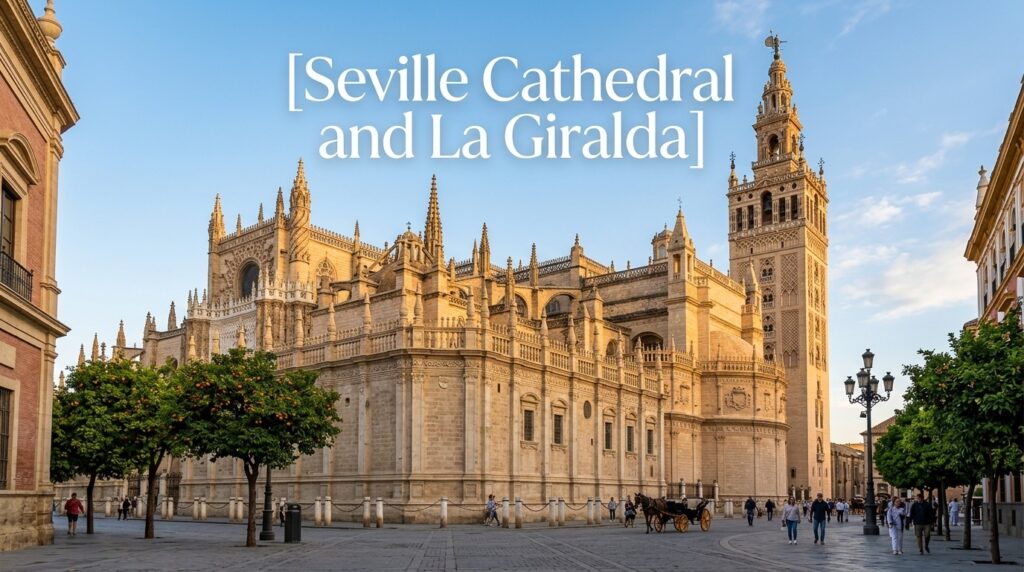
No visit to Seville Spain is complete without exploring its iconic cathedral.
One of the Largest Cathedrals in the World
The immense scale of the building reflects Seville’s historical importance.
The Famous Giralda Tower
Originally built as a minaret, the tower now serves as one of the city’s most recognizable landmarks.
Spectacular Views
Climbing to the top rewards visitors with panoramic views across Seville.
Artistic Treasures
The cathedral houses valuable works of art and historical artifacts.
Together, these attractions form one of Spain’s most impressive religious complexes.
The Charm of Santa Cruz
The Santa Cruz district captures the essence of Seville Spain.
Narrow Historic Streets
Wandering through its winding lanes feels like stepping back in time.
Hidden Courtyards
Beautiful patios reveal the city’s love of outdoor living.
Local Atmosphere
Small cafes and traditional restaurants create a welcoming environment.
Endless Discoveries
Every corner seems to reveal another charming square or historic building.
Santa Cruz remains one of the most enjoyable areas to explore on foot.
Flamenco: The Heartbeat of Seville Spain
Few cultural traditions are as closely associated with Seville Spain as flamenco.
A Powerful Art Form
Flamenco combines music, singing, and dance into a deeply emotional performance.
Historical Roots
The tradition evolved over centuries within Andalusia.
Authentic Performances
Visitors can experience flamenco in intimate venues throughout the city.
Cultural Identity
Flamenco remains an important symbol of Andalusian heritage.
Experiencing a live performance is often a highlight of any visit.
Plaza de España: Seville’s Grand Showcase
One of the most photographed locations in Seville Spain is Plaza de España.
Magnificent Architecture
The semicircular building combines Renaissance and Moorish influences.
Decorative Tilework
Colorful ceramic details celebrate Spain’s provinces.
Scenic Canal
Visitors can enjoy boat rides beneath charming bridges.
Popular Gathering Place
The plaza attracts locals and tourists throughout the day.
Its grandeur and beauty make it one of Seville’s defining landmarks.
The Food Scene in Seville Spain
The culinary traditions of Seville Spain are an essential part of the travel experience.
Traditional Tapas
Small plates encourage sharing and social dining.
Local Specialties
Regional dishes reflect Andalusia’s rich agricultural heritage.
Vibrant Markets
Fresh ingredients can be found in bustling local markets.
Outdoor Dining Culture
Many meals are enjoyed in lively plazas and terraces.
Food in Seville is as much about atmosphere as it is about flavor.
Parks and Green Spaces
Beyond its historic streets, Seville Spain offers beautiful outdoor spaces.
María Luisa Park
The city’s most famous park provides shade, gardens, and scenic pathways.
Riverside Walks
The Guadalquivir River offers pleasant routes for walking and cycling.
Relaxing Retreats
Green spaces provide welcome escapes during warmer months.
Perfect for Leisure
Locals and visitors alike enjoy spending time outdoors.
These areas add balance to the urban experience.
Festivals and Celebrations
The cultural calendar of Seville Spain is filled with memorable events.
Semana Santa
Holy Week celebrations are among the most significant in Spain.
Feria de Abril
The April Fair brings music, dancing, and colorful traditions to the city.
Local Traditions
Throughout the year, smaller festivals showcase community spirit.
A Celebration of Culture
These events offer unique insights into Andalusian life.
Festivals remain a defining part of Seville’s identity.
Best Time to Visit Seville Spain
Each season reveals a different side of the city.
Spring
Many travelers consider spring the most beautiful time to visit.
Summer
Long days provide plenty of time for sightseeing.
Autumn
Comfortable temperatures make exploration enjoyable.
Winter
Milder weather and fewer crowds create a relaxed atmosphere.
Choosing the right season depends on personal travel preferences.
Travel Tips for Visiting Seville Spain
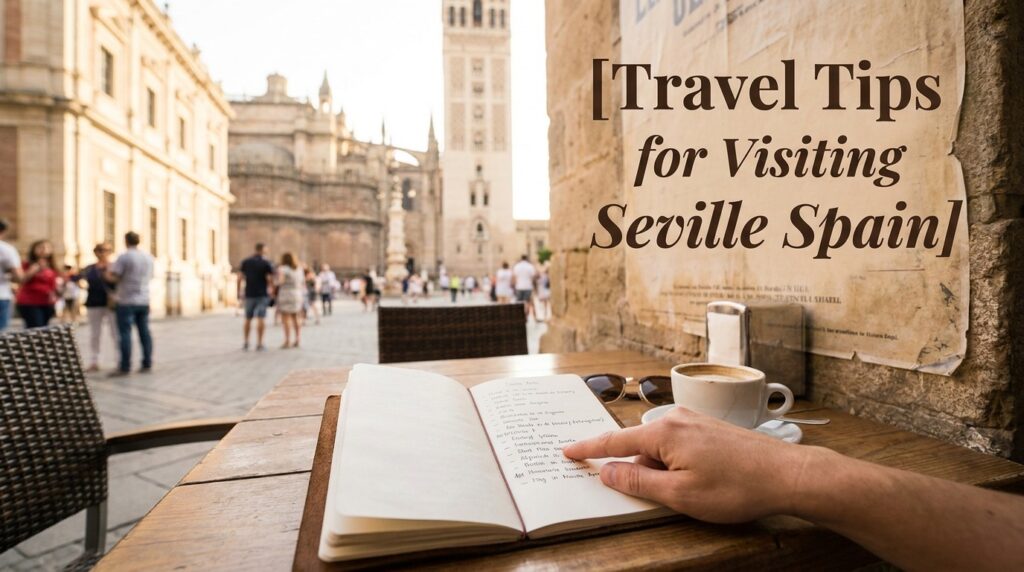
A little preparation can enhance your experience.
Explore on Foot
Many attractions are located within walking distance.
Stay Hydrated
The city can become quite warm during certain months.
Book Major Attractions Early
Popular sites often attract large numbers of visitors.
Embrace Local Rhythms
Taking time to enjoy meals and conversations is part of the experience.
These simple tips can help create a smoother and more enjoyable trip.
FAQs
What is Seville Spain famous for?
Seville Spain is famous for flamenco, Moorish architecture, the Royal Alcázar, Seville Cathedral, Plaza de España, and its vibrant Andalusian culture.
How many days should I spend in Seville Spain?
Most travelers recommend spending three to four days in Seville Spain to fully explore its major attractions, neighborhoods, and culinary experiences.
What is the best month to visit Seville Spain?
Spring, especially April and May, is often considered the best time to visit because of pleasant weather and colorful local festivals.
Is Seville Spain worth visiting?
Absolutely. Seville Spain offers a unique combination of history, architecture, culture, food, and atmosphere that makes it one of Spain’s most rewarding destinations.
Can you explore Seville Spain on foot?
Yes. Many of the city’s most popular attractions are located within walking distance, making Seville an excellent destination for exploring on foot.
Conclusion
Seville Spain is more than a destination; it is an experience that engages all the senses. From the intricate beauty of the Alcázar and the towering presence of La Giralda to the emotional power of flamenco and the welcoming atmosphere of its plazas, the city offers a remarkable blend of history, culture, and everyday life. Every street seems to tell a story, and every visit reveals something new.
Whether you’re drawn by architecture, food, music, or simply the desire to experience authentic Andalusian culture, Seville Spain delivers unforgettable memories. Its timeless charm, rich traditions, and warm spirit continue to captivate travelers from around the world, making it one of Spain’s most rewarding cities to explore.
Read More:Camden Market London: Complete Visitor Guide 2026 (Food, Shopping, Opening Hours & Travel Tips)

I am a travel enthusiast who loves exploring India’s beautiful destinations, culture, history, food, and hidden places. Through my travel website, I aim to help travelers discover amazing places in India and plan memorable trips with useful travel information and tips.