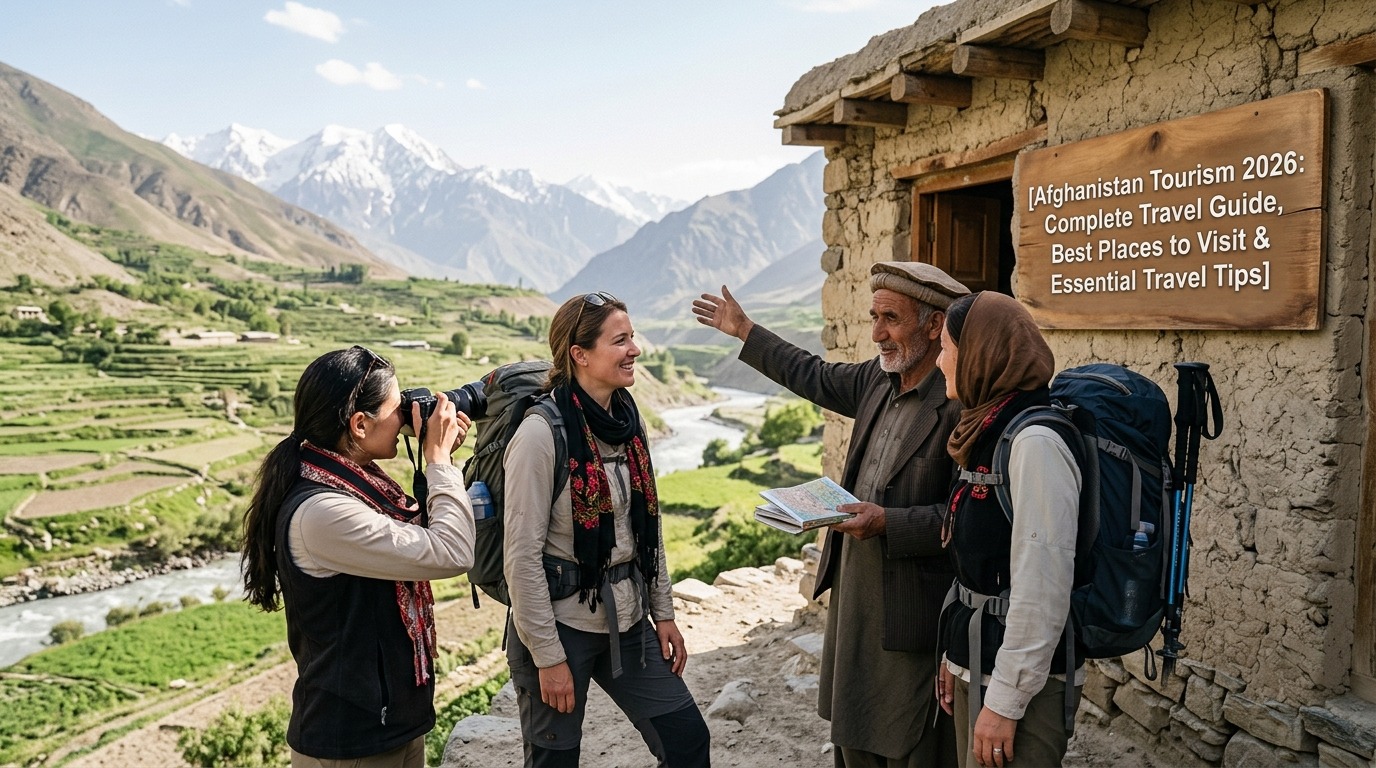
For adventurous travelers looking to explore destinations beyond the usual tourist routes, Afghanistan Tourism 2026 offers a unique opportunity to discover one of Asia’s most historic and culturally rich countries. From breathtaking mountain landscapes and ancient cities to vibrant local traditions and warm hospitality, Afghanistan provides unforgettable experiences that cannot be found anywhere else. As tourism slowly grows, more travelers are becoming interested in visiting the country’s remarkable historical landmarks, stunning valleys, and authentic cultural heritage.
Although Afghanistan has experienced many challenges over the years, certain regions continue to attract visitors interested in history, architecture, photography, and adventure travel. Careful planning, staying informed about local conditions, and following official travel guidance are essential before visiting. This guide covers everything you need to know about Afghanistan Tourism 2026, including the best places to visit, travel requirements, local culture, transportation, food, safety considerations, and practical travel tips to help you prepare for your journey.
Why Visit Afghanistan in 2026?
Afghanistan is unlike any other travel destination. It is home to thousands of years of history, dramatic mountain scenery, colorful bazaars, and cultural traditions that have survived for centuries. Travelers interested in history, archaeology, and authentic cultural experiences often find Afghanistan fascinating because many of its landmarks remain largely untouched by mass tourism.
In 2026, adventurous travelers continue to show growing interest in destinations that offer unique experiences instead of crowded tourist attractions. Afghanistan provides opportunities to explore ancient civilizations, traditional villages, spectacular hiking routes, and some of Central Asia’s most impressive natural landscapes.
Some of the main reasons travelers choose Afghanistan include:
- Ancient historical sites
- Beautiful mountain landscapes
- Traditional Afghan hospitality
- Rich Islamic architecture
- Unique cultural experiences
- Local handicrafts and bazaars
- Authentic cuisine
- Adventure travel opportunities
Is Afghanistan Open for Tourists in 2026?
Travel regulations can change depending on political and security conditions. Before planning your trip, always check the latest visa requirements and travel advisories issued by your government and the relevant Afghan authorities.
Some travelers visit Afghanistan through organized tours or with experienced local guides, which can help simplify logistics and provide valuable local knowledge. Requirements may vary depending on your nationality, so it is important to confirm visa procedures and entry rules before making travel arrangements.
Keeping copies of important documents, purchasing suitable travel insurance if available, and staying updated on local conditions can help make your trip more organized.
Best Time to Visit Afghanistan
Choosing the right season can make a significant difference in your travel experience.
Spring (March to May)
Spring is considered one of the most beautiful times to visit Afghanistan. Valleys become green, flowers bloom across the countryside, and temperatures remain comfortable for sightseeing.
Average temperatures:
- 15°C–25°C
- Excellent for hiking
- Great for photography
- Comfortable city exploration
Summer (June to August)
Summer is ideal for visiting mountainous regions where temperatures remain pleasant. Lower areas may become quite hot, but higher elevations offer cooler weather and spectacular scenery.
Popular summer activities include:
- Mountain trekking
- Exploring valleys
- Nature photography
- Cultural festivals
- Village visits
Autumn (September to November)
Autumn brings mild weather and colorful landscapes. Many travelers consider this another excellent season because temperatures remain comfortable and the countryside looks beautiful.
Winter (December to February)
Winter transforms Afghanistan’s mountains into snow-covered landscapes. While beautiful, heavy snowfall can affect transportation in some regions.
Top Places to Visit in Afghanistan
Kabul
Kabul is the capital city and the country’s cultural center. Despite its complex history, the city offers museums, gardens, historical sites, bustling markets, and traditional Afghan cuisine.
Popular attractions include:
- Babur Gardens
- National Museum
- Shah Do Shamshira Mosque
- Local bazaars
- Traditional restaurants
Visitors can experience everyday Afghan life while learning about the country’s rich history and culture.
Bamyan Valley
Bamyan is one of Afghanistan’s most famous destinations. Surrounded by dramatic mountains, the valley is known for its incredible landscapes and historical significance.
Although the giant Buddha statues were destroyed years ago, the area remains an important UNESCO World Heritage Site and continues to attract visitors interested in archaeology and history.
Highlights include:
- Ancient cliff caves
- Beautiful mountain scenery
- Band-e-Amir National Park nearby
- Local villages
- Historical monuments
Band-e-Amir National Park
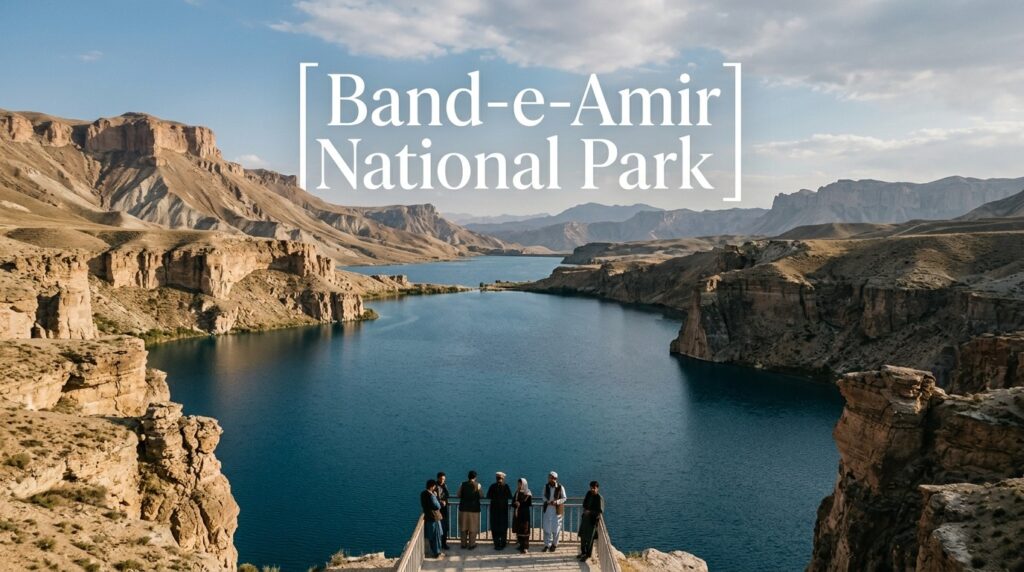
Band-e-Amir is Afghanistan’s first national park and one of the country’s most breathtaking natural attractions.
Its deep blue lakes, surrounded by limestone cliffs, create scenery that surprises many first-time visitors.
Activities include:
- Hiking
- Photography
- Picnics
- Boating (where available)
- Nature walks
Many travelers consider Band-e-Amir one of the most beautiful places in Central Asia.
Herat
Herat is famous for its remarkable Islamic architecture and rich cultural heritage.
The city has been an important center of art, trade, and education for centuries.
Major attractions include:
- Herat Citadel
- Friday Mosque
- Ancient bazaars
- Historic neighborhoods
- Traditional handicraft shops
History lovers often spend several days exploring Herat’s impressive monuments.
Mazar-i-Sharif
Mazar-i-Sharif is one of Afghanistan’s most important religious and cultural cities.
Its most famous attraction is the stunning Blue Mosque, admired for its beautiful tilework and peaceful atmosphere.
Visitors can also enjoy:
- Local markets
- Traditional Afghan food
- Public gardens
- Cultural festivals
- Historical architecture
Afghan Culture and Traditions
Afghanistan has one of the richest cultural histories in Asia. Hospitality plays an important role in everyday life, and visitors are often welcomed with generosity and respect.
Family values, traditional clothing, local music, handmade carpets, and regional cuisine all reflect the country’s diverse heritage.
When visiting local communities, travelers should dress modestly, respect local customs, and ask permission before photographing people. Learning a few greetings in Dari or Pashto can also help create positive interactions with locals.
Transportation in Afghanistan
Getting around Afghanistan requires careful planning. While major cities are connected by roads, travel conditions can vary depending on the region, weather, and local circumstances. Many visitors choose to travel with experienced local guides or organized tour operators, especially when visiting remote destinations.
Domestic Flights
Domestic flights are the fastest way to travel between major cities such as Kabul, Herat, Mazar-i-Sharif, and Kandahar. Flights can save many hours compared to road travel, particularly when visiting distant regions.
Road Travel
Road trips allow visitors to experience Afghanistan’s dramatic landscapes and traditional villages. However, road conditions differ from one area to another, so travelers should always check current conditions before setting out.
Private Drivers
Hiring a private driver is one of the most convenient options for international visitors. Local drivers know the routes, understand regional conditions, and can make traveling more comfortable.
Organized Tours
Many first-time visitors prefer guided tours because they help with transportation, accommodation, permits, and local knowledge.
Where to Stay in Afghanistan
Accommodation options continue to improve in several major cities. Visitors can find hotels ranging from basic guesthouses to comfortable international-standard properties in some areas.
Hotels in Kabul
The capital city offers the largest selection of accommodation, including business hotels, boutique hotels, and guesthouses.
Guesthouses
Guesthouses provide a more local experience and are often managed by Afghan families. They are generally affordable and allow visitors to experience traditional hospitality.
Eco Lodges
Near natural attractions such as Bamyan and Band-e-Amir, small eco-friendly accommodations are becoming more popular with adventure travelers.
Booking Tips
- Book accommodation in advance.
- Read recent guest reviews.
- Confirm security arrangements before arrival.
- Choose locations close to major attractions when possible.
Afghan Food You Must Try
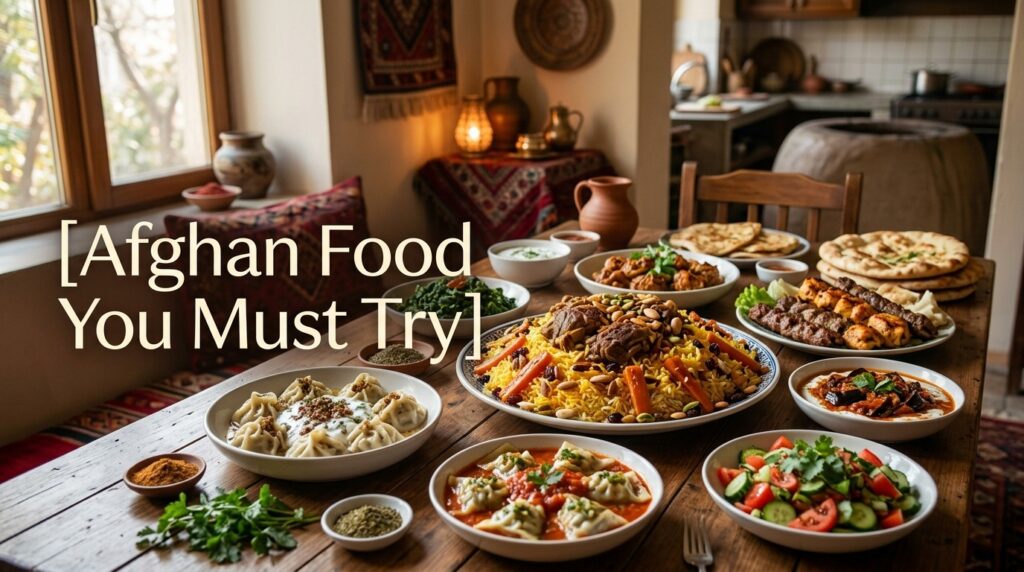
One of the highlights of Afghanistan Tourism 2026 is discovering authentic Afghan cuisine. Afghan food combines flavors from Central Asia, Persia, and South Asia, creating dishes that are both delicious and satisfying.
Kabuli Pulao
Kabuli Pulao is Afghanistan’s national dish. It consists of fragrant rice topped with tender lamb or beef, raisins, carrots, and nuts.
Mantu
Mantu are steamed dumplings filled with seasoned minced meat and onions, then topped with yogurt and tomato sauce.
Ashak
Ashak is a traditional dumpling stuffed with leeks or scallions and served with yogurt and meat sauce.
Bolani
Bolani is a stuffed flatbread filled with potatoes, spinach, pumpkin, or lentils. It is a popular street food enjoyed throughout the country.
Chapli Kebab
Chapli Kebab is made from seasoned minced meat mixed with herbs and spices before being grilled to perfection.
Afghan Bread
Fresh naan is served with nearly every meal and is baked daily in traditional clay ovens.
Traditional Drinks
Visitors should also try:
- Green tea
- Black tea
- Doogh (yogurt drink)
- Fresh fruit juices
Shopping in Afghanistan
Shopping in Afghanistan offers visitors the opportunity to purchase handmade products that reflect centuries of craftsmanship.
Popular souvenirs include:
- Handmade carpets
- Afghan rugs
- Traditional clothing
- Precious stones
- Jewelry
- Pottery
- Copperware
- Wood carvings
- Dry fruits
- Saffron
Bargaining is common in local markets, and shoppers should negotiate respectfully.
Best Markets to Visit
Kabul Bird Market
A unique traditional market known for birds, handicrafts, and local culture.
Chicken Street
One of Kabul’s most famous shopping streets, offering carpets, antiques, gemstones, and souvenirs.
Herat Bazaar
Known for handmade carpets, ceramics, and traditional Afghan art.
Mazar-i-Sharif Markets
Visitors can find local clothing, spices, handmade crafts, and delicious sweets.
Adventure Activities in Afghanistan
Adventure travelers are increasingly interested in Afghanistan because of its untouched natural beauty.
Popular outdoor activities include:
Hiking
Mountain trails around Bamyan provide incredible scenery.
Trekking
The Hindu Kush Mountains offer challenging trekking routes for experienced hikers.
Camping
Camping near Band-e-Amir allows visitors to enjoy peaceful lakes and star-filled skies.
Photography
Afghanistan provides endless opportunities for photographers interested in landscapes, architecture, and traditional culture.
Cultural Tours
Walking through historic cities allows travelers to experience local traditions and centuries-old architecture.
Hidden Gems in Afghanistan
Beyond the famous attractions, Afghanistan is home to several lesser-known destinations.
Wakhan Corridor
Located in northeastern Afghanistan, the Wakhan Corridor is famous for dramatic mountain scenery, remote villages, and unique wildlife.
Panjshir Valley
Known for its green landscapes and rivers, Panjshir Valley is one of the country’s most beautiful natural regions.
Istalif
A charming town famous for traditional pottery, fruit orchards, and mountain views.
Nuristan
This remote province is known for dense forests, wooden houses, and fascinating cultural traditions.
Budget for Afghanistan Tourism 2026
Travel costs depend on your travel style, accommodation, and transportation choices.
Budget Travelers
Approximate daily budget:
- Accommodation
- Local transportation
- Basic meals
- Entry fees
Estimated: $40–$70 per day
Mid-Range Travelers
Estimated: $80–$150 per day
This budget allows for better hotels, private transportation, and guided tours.
Luxury Travel
Luxury travel options are limited but available in some cities.
Estimated: $180–$300+ per day
Internet and Mobile Connectivity
Internet access is available in major cities, although speeds may vary.
Useful tips:
- Purchase a local SIM card.
- Download offline maps before traveling.
- Save important phone numbers.
- Carry a power bank during long trips.
Money and Currency
The official currency is the Afghan Afghani (AFN).
Helpful tips:
- Carry enough cash.
- Credit cards are not widely accepted.
- Exchange money through authorized exchange offices.
- Keep small denominations for local purchases.
Local Etiquette
Respecting local customs will help you enjoy a more positive travel experience.
Remember to:
- Dress modestly.
- Respect religious traditions.
- Ask permission before taking photographs of people.
- Remove shoes when entering homes if requested.
- Greet people politely.
- Be respectful during prayer times.
Showing kindness and respect is highly valued in Afghan culture.
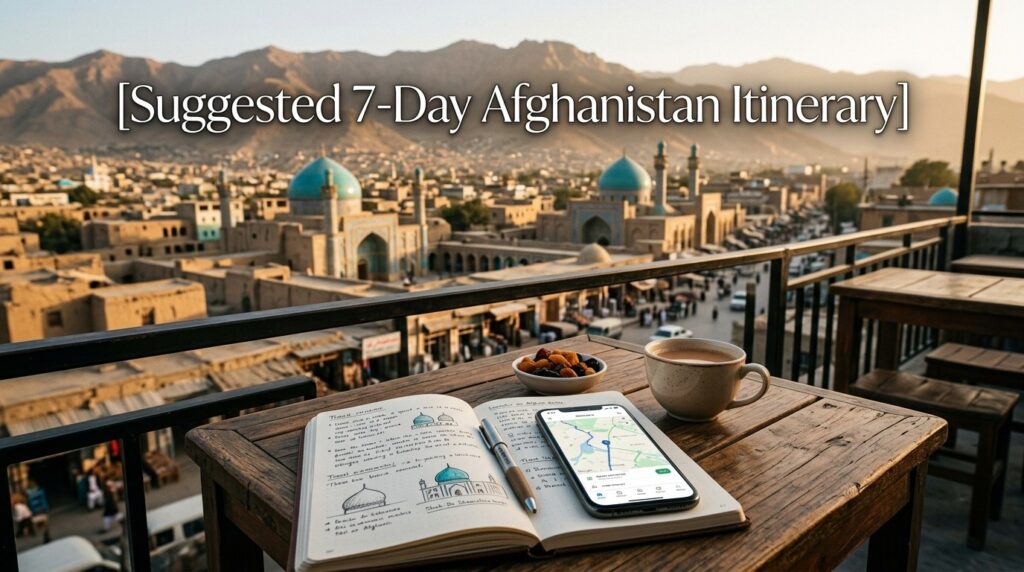
Suggested 7-Day Afghanistan Itinerary
Day 1
- Arrive in Kabul
- Explore Babur Gardens
- Visit local markets
Day 2
- National Museum
- Shah Do Shamshira Mosque
- Traditional Afghan dinner
Day 3
- Travel to Bamyan
- Explore ancient caves
Day 4
- Visit Band-e-Amir National Park
Day 5
- Travel to Herat
- Explore Herat Citadel
Day 6
- Visit Friday Mosque
- Shop in Herat Bazaar
Day 7
- Return to Kabul
- Last-minute shopping
- Departure
Essential Travel Tips for Afghanistan Tourism 2026
Planning ahead is the key to enjoying a safe and memorable trip. Since Afghanistan is still developing its tourism industry, visitors should stay informed about local conditions and prepare carefully before traveling. Checking official travel advisories, arranging accommodation in advance, and planning transportation can help reduce unexpected challenges.
Travelers should always carry copies of their passport, visa, travel insurance (if available), and emergency contact information. Keeping digital copies of important documents on your phone or cloud storage is also a good idea. It is advisable to carry enough cash because credit card facilities are limited in many parts of the country.
Learning a few basic phrases in Dari or Pashto can make communication easier and shows respect for local communities. Even simple greetings are often appreciated and can help create positive interactions with local people.
Packing appropriate clothing is also important. Modest clothing is recommended for both men and women, especially when visiting religious sites or rural communities. Comfortable walking shoes, a reusable water bottle, sunscreen, a first-aid kit, and a power bank are practical items to include in your luggage.
Safety Considerations
Safety should always be your top priority when planning Afghanistan Tourism 2026. Conditions can change quickly, and different regions may have different levels of risk. Before traveling, always consult the latest travel advisories issued by your government and monitor local news for updates.
Many international visitors choose to travel with experienced local guides or organized tour operators because they understand local conditions and can help with logistics. Avoid traveling alone in unfamiliar areas, especially at night, and keep family or friends informed about your itinerary.
Be respectful of local customs, avoid political discussions, and follow the advice of local authorities. Remaining aware of your surroundings and making informed decisions can contribute to a more secure travel experience.
Responsible Tourism in Afghanistan
Responsible tourism benefits both travelers and local communities. By supporting locally owned hotels, restaurants, guides, and small businesses, visitors contribute directly to the local economy.
When visiting historical sites, avoid damaging monuments or leaving litter behind. Respect cultural traditions, dress appropriately, and ask permission before photographing people, especially in villages or religious areas.
Buying authentic handmade products from local artisans is another great way to support traditional Afghan craftsmanship. Handwoven carpets, pottery, embroidery, and gemstones make meaningful souvenirs while helping preserve local skills.
Travelers should also minimize plastic waste by carrying reusable water bottles and shopping bags whenever possible. Small actions can make a positive difference for local communities and the environment.
Why Afghanistan Tourism 2026 Is Gaining Attention
Although Afghanistan is not a mainstream tourist destination, it continues to attract travelers seeking authentic experiences. Unlike crowded destinations, Afghanistan offers peaceful landscapes, rich cultural traditions, and historical sites that remain largely untouched by mass tourism.
The country’s diverse geography includes towering mountains, scenic valleys, deserts, rivers, and ancient cities. These natural and cultural attractions appeal to photographers, history enthusiasts, hikers, and adventure travelers looking for something different.
For many visitors, the opportunity to experience traditional Afghan hospitality is one of the highlights of the journey. Meeting local families, tasting homemade cuisine, and learning about centuries-old customs create memories that are difficult to find in more commercial tourist destinations.
Photography Tips for Visitors
Afghanistan offers countless opportunities for photography, from dramatic mountain landscapes to historic architecture and colorful local markets.
Some of the best photography locations include:
- Band-e-Amir National Park
- Bamyan Valley
- Herat Citadel
- Blue Mosque in Mazar-i-Sharif
- Panjshir Valley
- Wakhan Corridor
- Traditional bazaars
- Rural villages
When photographing people, always ask for permission first. Respecting privacy and local customs helps create a positive experience for both visitors and residents.
Sustainable Travel Tips
Sustainable travel is becoming increasingly important around the world, and Afghanistan is no exception. Visitors can help protect natural and cultural heritage by following simple practices.
Helpful sustainable travel tips include:
- Stay in locally owned accommodations.
- Hire licensed local guides.
- Reduce plastic waste.
- Respect wildlife and natural areas.
- Support local restaurants.
- Purchase handmade souvenirs.
- Conserve water and electricity.
- Leave historical sites exactly as you found them.
Responsible tourism helps preserve Afghanistan’s unique attractions for future generations.
Common Mistakes to Avoid
Many first-time visitors make avoidable mistakes that can affect their travel experience.
Avoid these common errors:
- Traveling without checking the latest travel advisories.
- Failing to arrange transportation in advance.
- Carrying only credit cards instead of cash.
- Ignoring local customs and dress codes.
- Photographing people without permission.
- Underestimating travel times between cities.
- Not keeping copies of important documents.
- Visiting remote areas without experienced local guidance.
Planning ahead and respecting local traditions can make your trip much smoother and more enjoyable.
Final Thoughts on Visiting Afghanistan
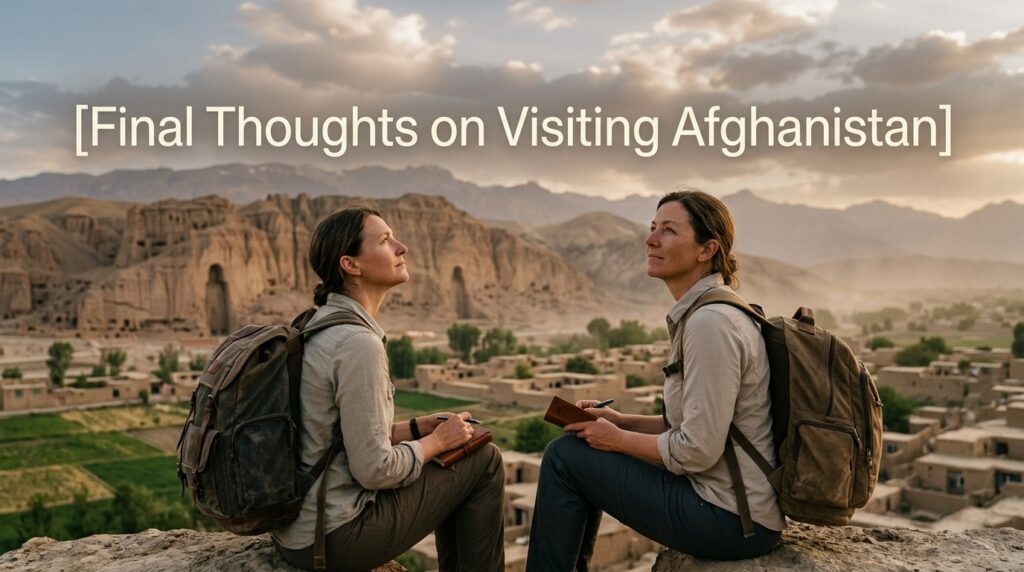
Afghanistan is a destination that offers a unique combination of history, culture, and natural beauty. Travelers willing to prepare carefully can discover ancient landmarks, breathtaking landscapes, and warm local hospitality that leave a lasting impression.
Every journey should begin with thorough research, realistic expectations, and respect for local communities. While tourism in Afghanistan is still developing, those who visit responsibly often find experiences that are both meaningful and unforgettable.
Conclusion
Afghanistan Tourism 2026 offers adventurous travelers the opportunity to explore one of Asia’s most fascinating destinations. From the peaceful lakes of Band-e-Amir and the historic Bamyan Valley to the cultural treasures of Herat and Mazar-i-Sharif, the country is filled with remarkable places waiting to be discovered. Visitors who plan carefully, respect local customs, and stay informed can enjoy an experience unlike any other.
Whether your interests include history, mountain landscapes, traditional culture, photography, or authentic local cuisine, Afghanistan has something unique to offer. As interest in lesser-known destinations continues to grow, Afghanistan Tourism 2026 stands out as an extraordinary journey for travelers seeking meaningful experiences beyond the usual tourist routes.
FAQs
Is Afghanistan safe for tourists in 2026?
Safety conditions vary across different regions of Afghanistan and can change quickly. Travelers should always consult the latest official travel advisories, monitor local conditions, and consider traveling with experienced local guides or organized tour operators.
What are the best places to visit during Afghanistan Tourism 2026?
Some of the most popular destinations include Kabul, Bamyan Valley, Band-e-Amir National Park, Herat, Mazar-i-Sharif, Panjshir Valley, and the Wakhan Corridor. Each offers a unique mix of history, culture, and natural beauty.
What is the best time to visit Afghanistan?
Spring (March to May) and autumn (September to November) are generally considered the best seasons because of their pleasant weather and beautiful landscapes. Summer is suitable for visiting mountainous regions, while winter can bring heavy snowfall in some areas.
Conclusion
Afghanistan Tourism 2026 offers adventurous travelers the opportunity to explore one of Asia’s most fascinating destinations. From the peaceful lakes of Band-e-Amir and the historic Bamyan Valley to the cultural treasures of Herat and Mazar-i-Sharif, the country is filled with remarkable places waiting to be discovered. Visitors who plan carefully, respect local customs, and stay informed can enjoy an experience unlike any other.
Whether your interests include history, mountain landscapes, traditional culture, photography, or authentic local cuisine, Afghanistan has something unique to offer. As interest in lesser-known destinations continues to grow, Afghanistan Tourism 2026 stands out as an extraordinary journey for travelers seeking meaningful experiences beyond the usual tourist routes.