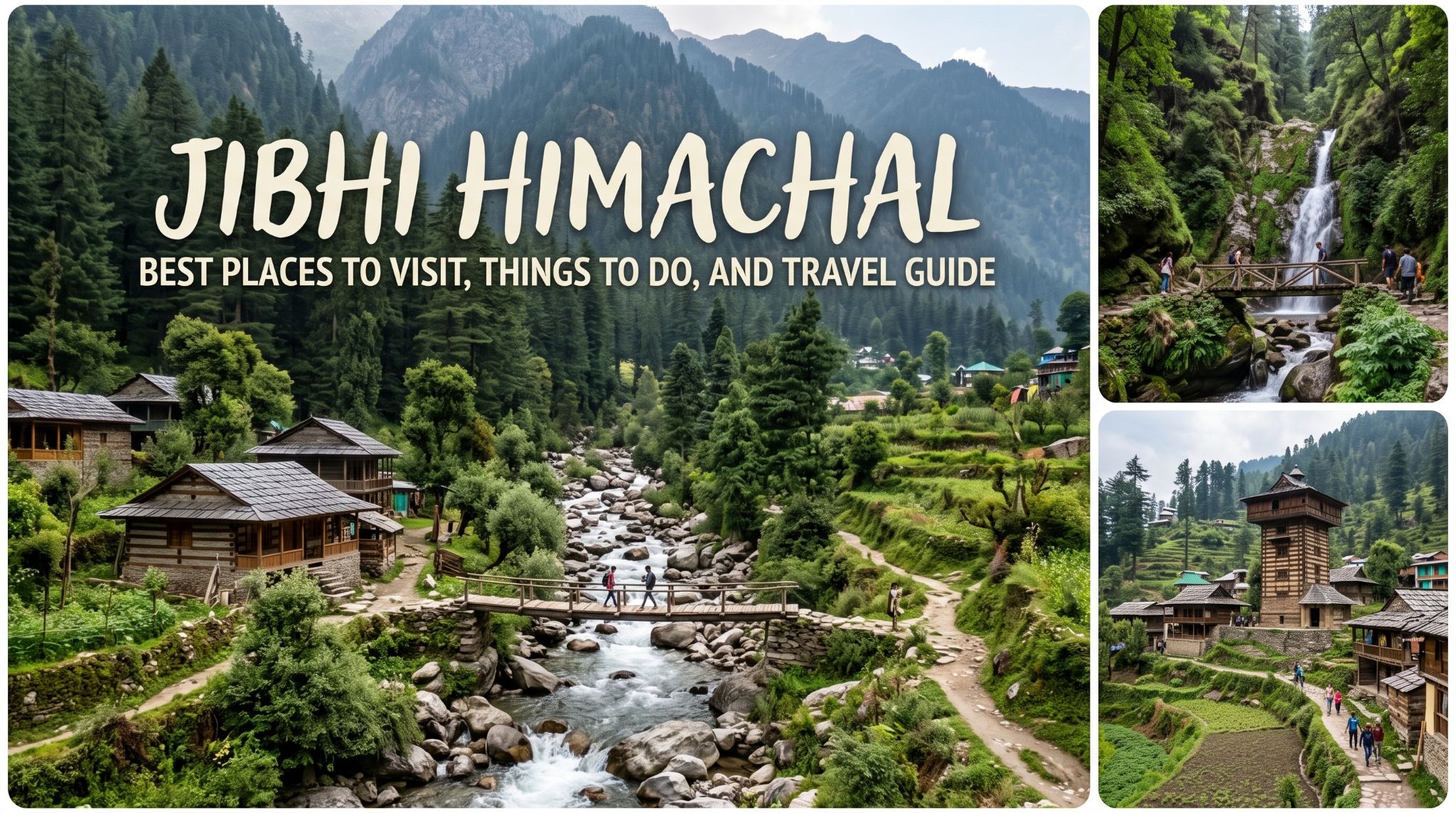
Jibhi, Himachal Pradesh, is a mountain village where the sound of flowing water, wooden houses, and forest-covered hills create a refreshing change from busy city life. Located in Kullu district, near Banjar and the wider Tirthan Valley, this peaceful destination attracts travelers who want scenic walks, cozy mountain stays, fresh air, and a closer connection with nature. Rather than grand monuments or crowded shopping streets, Jibhi’s appeal lies in its quiet corners and the freedom to explore at your own pace.
Whether you are planning a weekend escape, a longer Himalayan holiday, or a road trip through the mountains, Jibhi has plenty to offer. You can visit its charming waterfall, walk through traditional villages, explore forest trails around Jalori Pass, sample Himachali food, or spend an unhurried morning beside a stream. This travel guide covers the best places to visit, activities, seasons, transport options, accommodation, nearby destinations, and practical advice to help you plan a rewarding trip.
Why Jibhi Himachal Deserves a Place on Your Travel List
Jibhi offers a different kind of mountain holiday from the familiar bustle of popular hill stations. The village is surrounded by forested slopes, small settlements, winding roads, and streams that flow through the valley. Traditional timber-and-stone architecture gives parts of the area a distinctive Himalayan character, while newer cottages and cafés make the destination comfortable for independent travelers.
One of Jibhi’s biggest attractions is its variety. You do not need to be an experienced trekker to enjoy the surroundings, but there are also rewarding walks and longer excursions for people who prefer active holidays. Couples can find secluded accommodation, families can explore gentle nature trails, and solo travelers can enjoy quiet mornings and relaxed café stops.
Jibhi is also a useful base for exploring the surrounding region. Jalori Pass, Serolsar Lake, Chehni Kothi, and the villages around Banjar provide different experiences within the broader landscape. The important thing is to allow enough time to enjoy the area rather than treating every stop as a quick photograph.
Best Places to Visit in Jibhi
The most enjoyable way to explore Jibhi is to combine a few nearby sights with time for spontaneous walks. Some places are easy to reach from the village, while others require a drive, a hike, or a full day outdoors.
Jibhi Waterfall
Jibhi Waterfall is one of the area’s best-known attractions. Water tumbles over rocks beneath a canopy of greenery, creating a cool, shaded setting that feels especially refreshing in warmer months. A short walk through the surrounding area brings you away from the road and into a more natural environment.
Visit earlier in the day if you prefer a quieter atmosphere. After rainfall, the water may flow more strongly, but wet stones and slippery paths require extra care. Avoid climbing onto rocks near the cascade or entering fast-moving water.
Jalori Pass
Jalori Pass is a mountain pass above Jibhi that provides access to forest trails and expansive views of the surrounding Himalayan landscape. The drive itself is part of the experience, passing through mountain villages and changing vegetation as the road climbs.
Conditions at the pass can be very different from those in Jibhi village. Temperatures are lower, winds can be strong, and snow may affect access in winter. Check local road conditions before setting out.
Chehni Kothi
Chehni Kothi is a striking traditional tower built using timber and stone, reflecting the region’s historic building techniques. Its tall, narrow form stands out against the village landscape and offers a glimpse into the architectural heritage of the Banjar area.
Reaching the settlement involves traveling to the nearby village and walking uphill. Wear shoes with a good grip, allow time for the return journey, and be respectful of residents and any active religious spaces. This is a particularly worthwhile stop for travelers interested in architecture, photography, and local history.
Serolsar Lake
Serolsar Lake lies beyond Jalori Pass and is generally visited on foot via a forest trail. The walk takes you through woodland before opening onto a quiet lake surrounded by trees. It is an appealing excursion for travelers who want more than roadside viewpoints.
The hike requires suitable footwear, water, and enough daylight to complete the return journey. Snow, rain, or muddy sections can make the trail harder, so ask locally about conditions before starting.
Things to Do in Jibhi for Nature Lovers and Adventure Seekers
Jibhi is not a destination that demands a packed schedule. Some of its most satisfying experiences involve spending time outdoors without trying to reach a particular landmark.
Walk through the village
Take a relaxed walk along the village lanes, notice the timber balconies, and look for small bridges and streams. Early mornings can be especially peaceful, although the weather and level of activity vary by season. Keep to public paths and avoid entering private land to take photographs.
Explore forest trails
The surrounding hills have walking routes ranging from gentle local strolls to more demanding hikes. Ask your accommodation host or a local guide about the current trail conditions, route length, and difficulty before leaving. Do not assume that a path visible on a map is maintained or easy to follow.
Enjoy a slow café morning
Jibhi’s café culture gives travelers an alternative to spending the entire day sightseeing. A warm drink, a mountain view, and an hour without a timetable can be as memorable as a longer excursion. Many visitors combine a café stop with reading, photography, or simply watching the weather move across the hills.
Photograph the landscape
The village, wooded slopes, traditional houses, waterfalls, and mountain roads offer plenty of photographic variety. Soft morning light can work well for village scenes, while changing cloud cover adds atmosphere to the surrounding hills. Always ask permission before photographing residents or private homes at close range.
Best Time to Visit Jibhi Himachal
Jibhi changes considerably throughout the year. The best season depends on whether you prefer mild walking weather, lush green scenery, autumn clarity, or the possibility of snow.
| Season | What to expect | Best suited for |
| March to April | Spring conditions, fresh greenery, and potentially chilly evenings | Village walks and relaxed sightseeing |
| May to June | Generally pleasant daytime weather, with cooler conditions at higher elevations | Hiking, road trips, and outdoor activities |
| July to August | Monsoon rain, mist, greener hills, and possible travel disruption | Flexible trips focused on scenery |
| September to November | Post-monsoon landscapes and often clearer views, depending on weather | Photography, village exploration, and trekking |
| December to February | Cold conditions and possible snowfall, especially at higher elevations | Winter scenery and travelers prepared for cold weather |
For many visitors, March to June and September to November are convenient periods to plan an outdoor-focused holiday. However, no season guarantees clear skies or uninterrupted access to every attraction.
Monsoon travel deserves particular care because heavy rain can trigger landslides, slippery paths, and road closures. Winter trips require warm clothing and advance checks on higher routes such as Jalori Pass. If snow is your main reason for visiting, remember that snowfall timing and road access vary from year to year.
How to Reach Jibhi, Himachal Pradesh
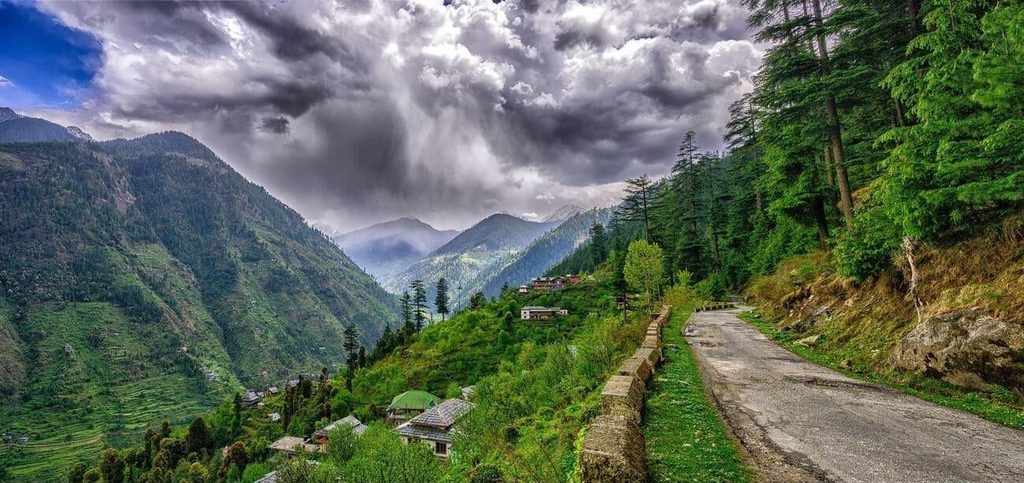
Jibhi does not have its own airport or railway station, so the final part of the journey is by road. Most travelers reach the region through the Aut area and continue toward Banjar before taking the road to Jibhi. Your best route depends on where you start, your budget, and whether you prefer public transport or a private vehicle.
By road
Travelers coming from Delhi or Chandigarh can take a bus toward the Kullu region and arrange onward transport from a suitable stop, such as Aut or Banjar. A private taxi or self-drive vehicle offers greater flexibility, especially if you plan to explore nearby villages and viewpoints.
Mountain roads are winding, and progress can be slower than the distance on a map suggests. Avoid planning a tightly timed arrival, particularly during the monsoon or winter.
By air
Bhuntar Airport, also known as Kullu-Manali Airport, is the nearest airport commonly used for access to the area. From there, you need onward road transport to reach Jibhi. Flight availability can be limited, and mountain weather may cause delays or cancellations. Chandigarh is another option for travelers who prefer a larger airport and are comfortable with a longer road journey.
By train
Jibhi has no direct rail connection. Travelers can take a train to a suitable railway hub and continue by road. Chandigarh is a practical option for many long-distance journeys, while the narrow-gauge railway to Jogindernagar may suit travelers whose route and schedule align with its limited services.
| Transport option | Main advantage | Important consideration |
| Private taxi | Flexible departure and sightseeing stops | Usually costs more than shared transport |
| Bus plus local taxi | Often more economical | Requires coordination between connections |
| Self-drive | Freedom to explore nearby areas | Mountain driving requires confidence and care |
| Flight to Bhuntar plus road transfer | Can shorten the journey from some starting cities | Flight schedules and weather may be unpredictable |
| Train plus road transfer | Useful for longer journeys from connected cities | The final stretch still requires road transport |
Check current bus connections, flight schedules, and road advisories before booking. Travel times and available services can change with the season and local conditions.
Where to Stay in Jibhi
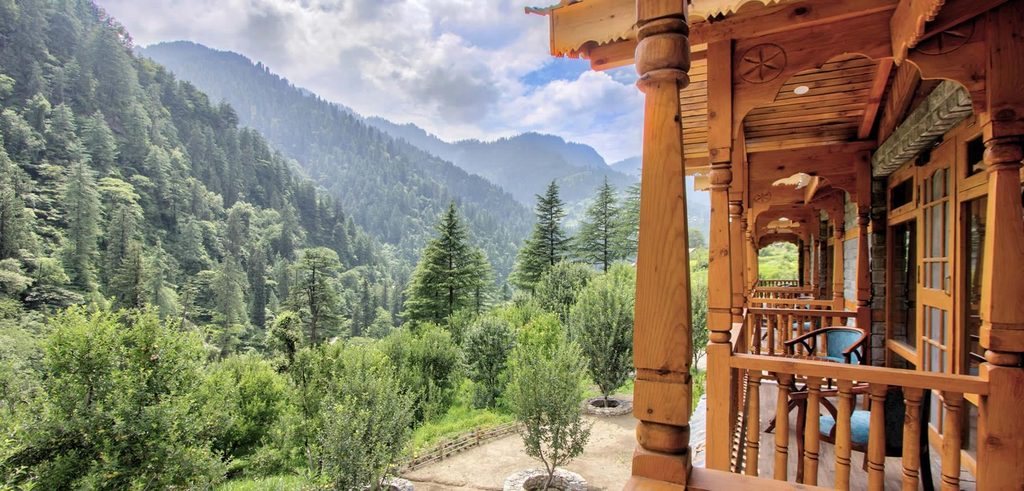
Accommodation is an important part of the Jibhi experience. The area is known for wooden cottages, homestays, guesthouses, and small boutique properties. Your choice should depend not only on the room but also on its location, access road, heating arrangements, and distance from the places you want to explore.
Stay near the main village
Accommodation near the village is convenient for travelers who want easier access to cafés, local shops, and short walks. It can also make a short stay simpler because you spend less time arranging transport for basic needs.
Choose a riverside or forest cottage
A cottage beside a stream or among trees can provide a more secluded atmosphere. However, riverside does not automatically mean a safe location during heavy rain. Check the property’s access, parking, and flood or landslide precautions before confirming your booking.
Consider a homestay
A homestay can be a good choice for travelers interested in local food and everyday life in the region. Ask about meal arrangements, hot water, heating, mobile connectivity, and transport availability before booking. In colder months, these practical details may matter more than decorative features.
During busy holiday periods, book ahead and confirm the final price, cancellation policy, and exact location. Some properties advertised as being in Jibhi may be in neighboring settlements, so check the map carefully if walking access is important to you.
What to Eat in Jibhi: Local Himachali Food
Food is another reason to leave some space in your itinerary. Cafés and homestays serve a mix of familiar comfort food and regional dishes, while availability varies between establishments and seasons.
Try siddu, a traditional steamed bread commonly associated with Himachal Pradesh. It is often served with ghee or a savory accompaniment. Another regional dish to look for is madra, a rich preparation commonly made with yogurt and legumes. Simple meals of rajma, rice, seasonal vegetables, and local lentils are also satisfying after a walk in the hills.
Menus may include momos, noodles, pancakes, sandwiches, and other café favorites, so travelers with different tastes can usually find something familiar. If you want to try regional cooking, ask your host what is prepared locally rather than expecting every restaurant to serve the same dishes.
Food availability can be more limited in smaller settlements, especially late in the evening. If you have dietary restrictions, communicate them clearly when booking a homestay or ordering a meal. Carry a few snacks for longer hikes, and avoid leaving food wrappers along trails or near streams.
Nearby Places to Explore Around Jibhi
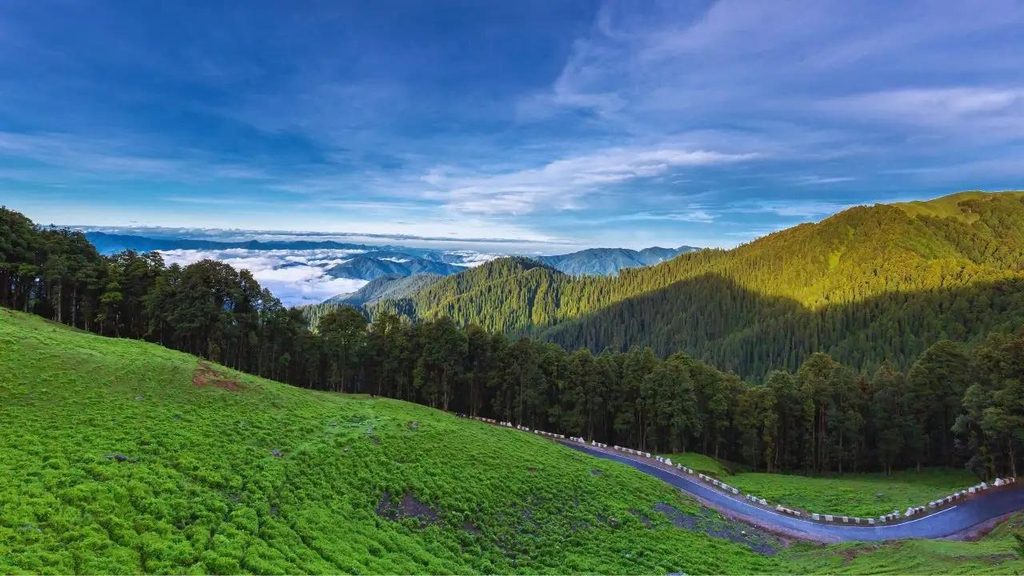
Jibhi works well as a base for discovering the wider Banjar and Tirthan region. You do not need to change accommodation every night to experience different landscapes, although some destinations are better suited to a full-day outing.
Shoja
Shoja is a small mountain settlement along the route toward Jalori Pass. It is worth considering for forest scenery, cool air, and quieter mountain views. Travelers who enjoy peaceful accommodation may also prefer staying here rather than in the busier parts of Jibhi.
Banjar
Banjar is a useful nearby town for local transport and practical errands. It offers a different atmosphere from the cottage-and-café setting that many visitors associate with Jibhi. You can include it in a short outing or use it as a connection point when traveling around the region.
Tirthan Valley and Gushaini
The Tirthan side of the wider valley is known for riverside scenery, village landscapes, and access to nature-focused excursions. Gushaini is a useful destination for travelers who want to explore this part of the region.
The Jibhi and Tirthan areas are connected geographically but have distinct approaches and local routes. Plan your journey according to the particular village or attraction you want to visit rather than assuming every destination is immediately beside Jibhi.
Great Himalayan National Park area
The wider region provides access to landscapes associated with the Great Himalayan National Park. Its protected natural environment is an important reason to travel responsibly here. Access rules depend on the particular route and activity, so check current requirements before planning a trek or entering a protected area.
A Practical Two-Day Jibhi Itinerary
Two days can provide a satisfying introduction to Jibhi, particularly if you arrive early enough on the first day. If your journey involves a long overnight bus ride or a full day of driving, consider adding another night rather than rushing straight into sightseeing.
| Day | Morning | Afternoon | Evening |
| Day 1 | Arrive and settle into your accommodation | Visit Jibhi Waterfall and explore the village | Enjoy a café stop or a relaxed local dinner |
| Day 2 | Travel toward Jalori Pass if conditions permit | Walk to Serolsar Lake or explore a nearby village | Return to Jibhi and prepare for departure |
Treat this as a flexible outline rather than a fixed schedule. A hike to Serolsar Lake can take much of the day, depending on trail conditions and walking pace. If the weather is poor, choose a shorter village walk instead.
For a three- or four-day trip, you can add Chehni Kothi, Shoja, and an excursion toward Tirthan Valley. This gives you more time to enjoy the region without turning every morning into an early departure.
Essential Travel Tips for a Safe and Comfortable Trip
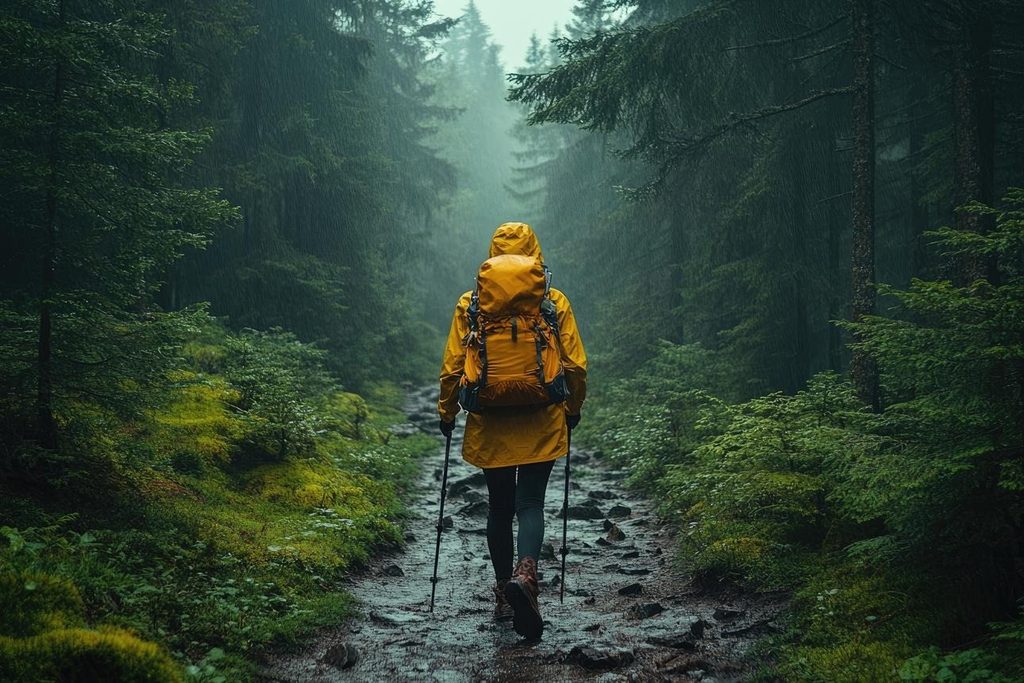
Jibhi is a mountain destination, and conditions can change quickly. A little preparation helps you enjoy the area while reducing avoidable problems.
- Pack layers: Even when daytime weather is mild, mornings and evenings can be cold. Carry a warm jacket, comfortable walking clothes, and rain protection.
- Wear proper shoes: Forest trails, waterfall approaches, and village paths can become slippery after rain.
- Check local conditions: Confirm the status of roads and trails before heading toward Jalori Pass or planning a longer hike.
- Carry cash: Do not assume every small shop, homestay, or taxi accepts digital payments or cards.
- Plan your return: Start longer walks early enough to return before dark, and avoid unfamiliar trails without reliable directions.
- Respect local life: Ask before photographing residents, avoid loud music, and follow local guidance around temples and traditional buildings.
- Protect the environment: Carry your rubbish back, avoid disturbing wildlife, and keep away from unstable riverbanks.
- Confirm connectivity: Mobile coverage and internet quality can vary. Download essential maps and keep your accommodation details accessible offline.
Families with young children should choose walking routes according to the child’s ability and avoid steep, exposed, or slippery sections. Solo travelers can also enjoy Jibhi, but should share their plans for longer hikes and avoid relying on an unverified route or a late return.
Finally, keep your schedule flexible. A road delay or a sudden spell of rain can change your plans, and the best response is often to enjoy a slower day rather than trying to fit every attraction into the remaining hours.
FAQs
Is Jibhi worth visiting for a holiday?
Yes. Jibhi is a good choice for travelers who enjoy forest walks, mountain scenery, traditional villages, cozy accommodation, and a slower pace of travel. It is particularly appealing for couples, nature lovers, photographers, and people looking for a break from busy city life.
How many days are enough to explore Jibhi?
Two days are enough for a short visit covering the village, Jibhi Waterfall, and one nearby excursion. Three to four days allow more time for Jalori Pass, Serolsar Lake, Chehni Kothi, and neighboring villages without rushing.
What is the best month to visit Jibhi?
May and June are popular for outdoor activities, while September and October can offer pleasant conditions and clearer mountain views. Spring is another attractive option. Always check the forecast because rainfall, temperatures, and road conditions vary from year to year.
Is Jibhi suitable for families and solo travelers?
Yes. Jibhi can suit families and solo travelers who plan sensibly and choose appropriate accommodation and activities. Families should check trail difficulty and road access, while solo hikers should share their plans and avoid unfamiliar routes in poor weather.
Is snowfall guaranteed in Jibhi during winter?
No. Winter brings cold weather, and snowfall is possible, particularly at higher elevations around Jalori Pass. Snowfall in the village itself is not guaranteed. Check local forecasts and road conditions if experiencing snow is an important part of your trip.
Conclusion
Jibhi, Himachal Pradesh, is best enjoyed when you give yourself permission to slow down. Its forest paths, traditional architecture, flowing streams, and surrounding mountain villages create a holiday that feels different from a conventional sightseeing trip. Whether you spend your days hiking toward Serolsar Lake, discovering the heritage of Chehni Kothi, or simply enjoying a quiet morning at a wooden cottage, the region offers plenty of reasons to stay a little longer.
For the most rewarding experience, choose your season carefully, leave room for unexpected weather, and explore beyond the most photographed spots. With a thoughtful itinerary and respect for the local environment, Jibhi can be a memorable introduction to the quieter side of the Himalayas.
Read More: Khajjiar Himachal: Best Places to Visit, Things to Do, Weather and Travel Guide

I am a travel enthusiast who loves exploring India’s beautiful destinations, culture, history, food, and hidden places. Through my travel website, I aim to help travelers discover amazing places in India and plan memorable trips with useful travel information and tips.