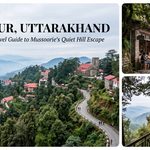
Munsiyari sits in the Kumaon region of Uttarakhand, where mountain roads wind through quiet villages, forests cover steep slopes, and the distant Panchachuli peaks rise above the horizon. Unlike some of the state’s busier hill stations, this remote Himalayan destination rewards travelers who enjoy taking their time. A morning spent watching the mountains change color, an afternoon exploring a traditional village, or a walk along a forest trail can become the most memorable part of the journey.
Planning a trip to Munsiyari requires a little more thought than visiting a well-connected tourist town. The journey is long from many major cities, weather can change quickly, and some outdoor activities depend on local conditions. This guide explains the best places to visit in Munsiyari Uttarakhand, the most rewarding things to do, the best season for travel, how to reach the town, where to stay, and how to organize your itinerary without rushing through the landscape that makes the region special.
Why Munsiyari Deserves a Place on Your Uttarakhand Itinerary
Located in Pithoragarh district in eastern Kumaon, Munsiyari is known for its mountain scenery, traditional settlements, forested slopes, and access to some of Uttarakhand’s most rewarding trekking country. The town is associated with the Johar Valley, a region historically connected with Himalayan trade and the lives of communities who traveled between mountain settlements and the Tibetan plateau.
What makes the destination particularly appealing is the way the landscape changes around you. The main town provides shops, accommodation, and places to eat, while quieter roads and paths lead toward villages, meadows, temples, and mountain viewpoints. You can spend a trip hiking and exploring, or simply enjoy the view from your accommodation without filling every hour with activities.
Munsiyari is especially suitable for travelers who appreciate nature more than nightlife. Couples, photographers, families with older children, and experienced hikers can all find something worthwhile here, provided they plan around the altitude, weather, and long road journey.
Best Places to Visit in Munsiyari Uttarakhand
The best places around Munsiyari range from easy-to-reach viewpoints to forest trails and remote trekking routes. Your choice should depend on how much time you have, your fitness level, and the conditions during your visit.
| Attraction | What makes it special | Best suited for |
| Panchachuli viewpoints | Dramatic views of the Himalayan peaks | Photographers and scenery lovers |
| Khalia Top | High-altitude meadows and mountain panoramas | Trekkers and fit hikers |
| Birthi Falls | A striking waterfall surrounded by greenery | Families and nature lovers |
| Darkot village | Traditional village life and local crafts | Cultural travelers |
| Maheshwari Kund | A peaceful natural setting reached on foot | Walkers and nature enthusiasts |
| Nanda Devi Temple | A local place of worship with mountain surroundings | Visitors interested in local culture |
Panchachuli Peaks
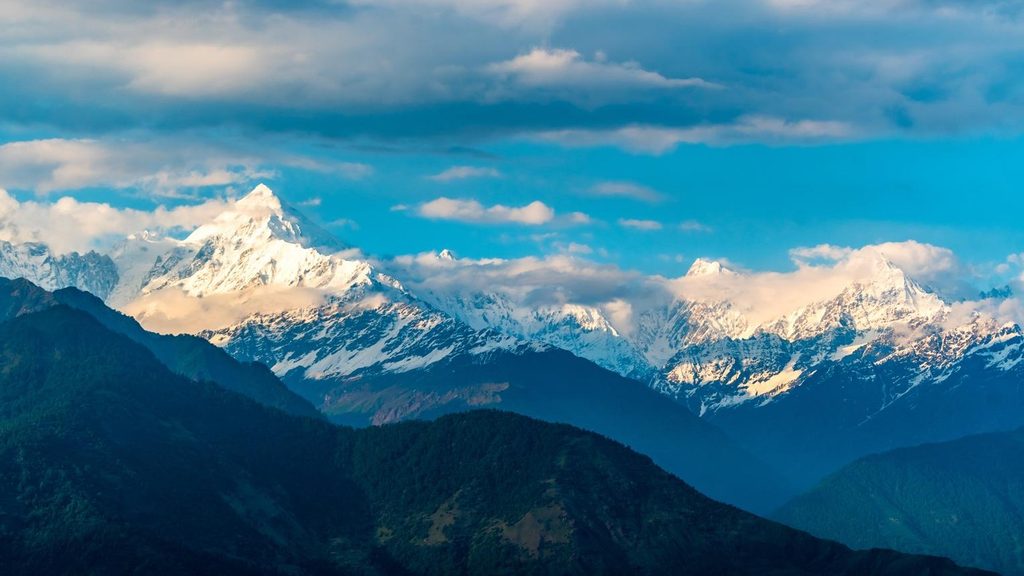
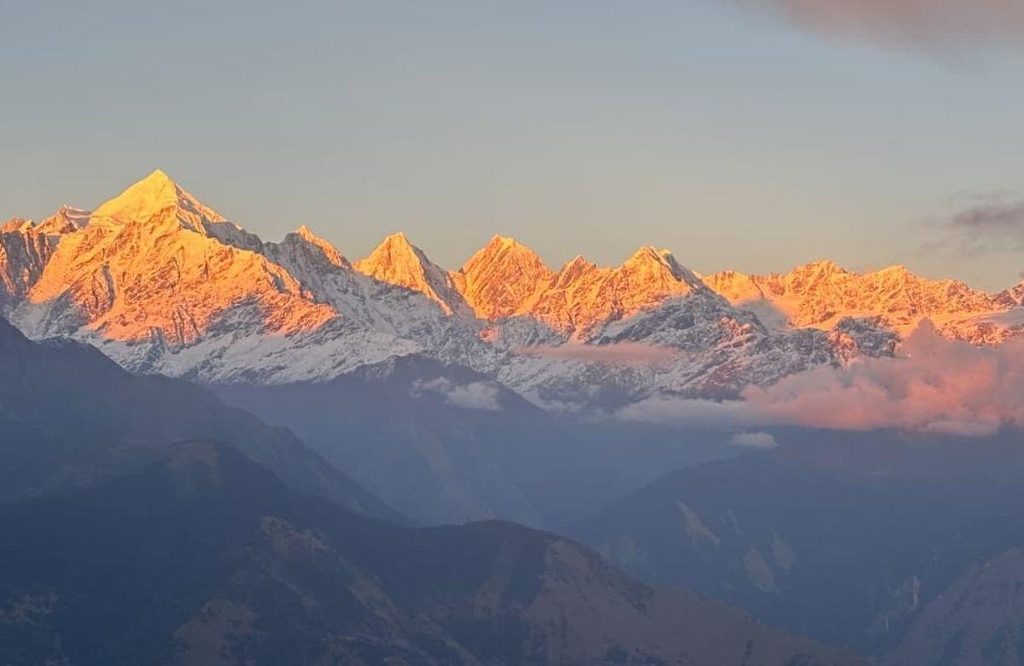
The Panchachuli range is the defining feature of Munsiyari’s landscape. Its five prominent peaks dominate the skyline when visibility is good, making them a natural focal point for sightseeing and photography.
The experience does not require an ambitious hike. Depending on your accommodation and the weather, you may be able to appreciate the mountains from a terrace, a roadside viewpoint, or a short walk near town. Early morning can be particularly rewarding, before clouds build around the higher slopes.
Birthi Falls
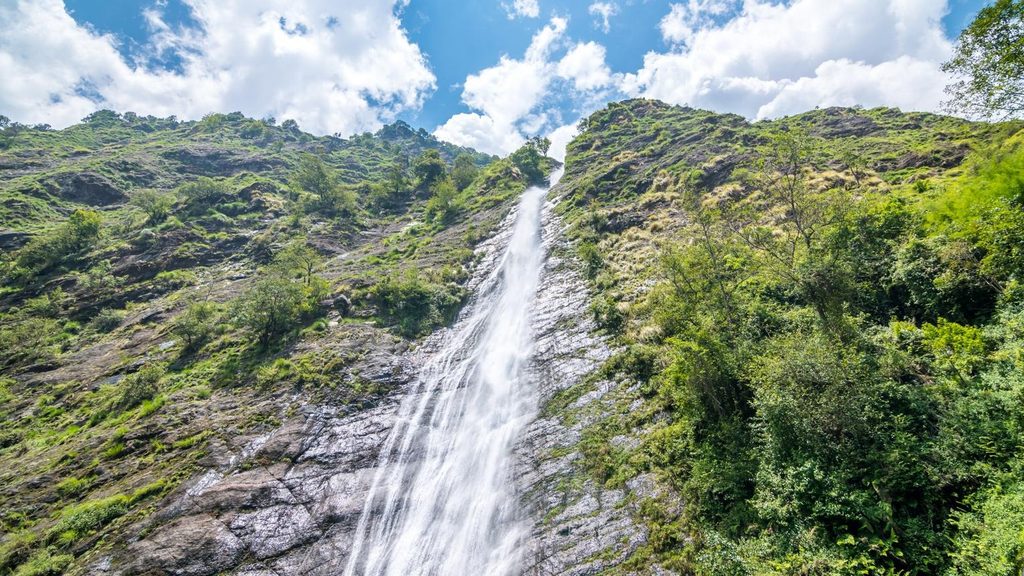
Birthi Falls is a popular stop on the road toward Munsiyari. Water plunges down a steep mountainside framed by forest, creating a refreshing break from the winding drive.
The waterfall is particularly impressive when its flow is strong, although heavy rain can also make access conditions less predictable. Allow time for the approach and any walking required, and avoid slippery edges or unstable ground.
Nanda Devi Temple
The Nanda Devi Temple provides a quieter cultural stop amid the region’s natural attractions. Visitors can observe local worship practices respectfully and enjoy the surrounding mountain atmosphere when conditions permit.
Dress modestly, follow any instructions at the temple, and remember that religious sites are places of worship rather than simply sightseeing locations.
Things to Do in Munsiyari for a Memorable Mountain Holiday
A trip here does not need to revolve around ticking off attractions. Some of the most satisfying experiences come from choosing one activity each day and leaving room for the unexpected.
Trek to Khalia Top
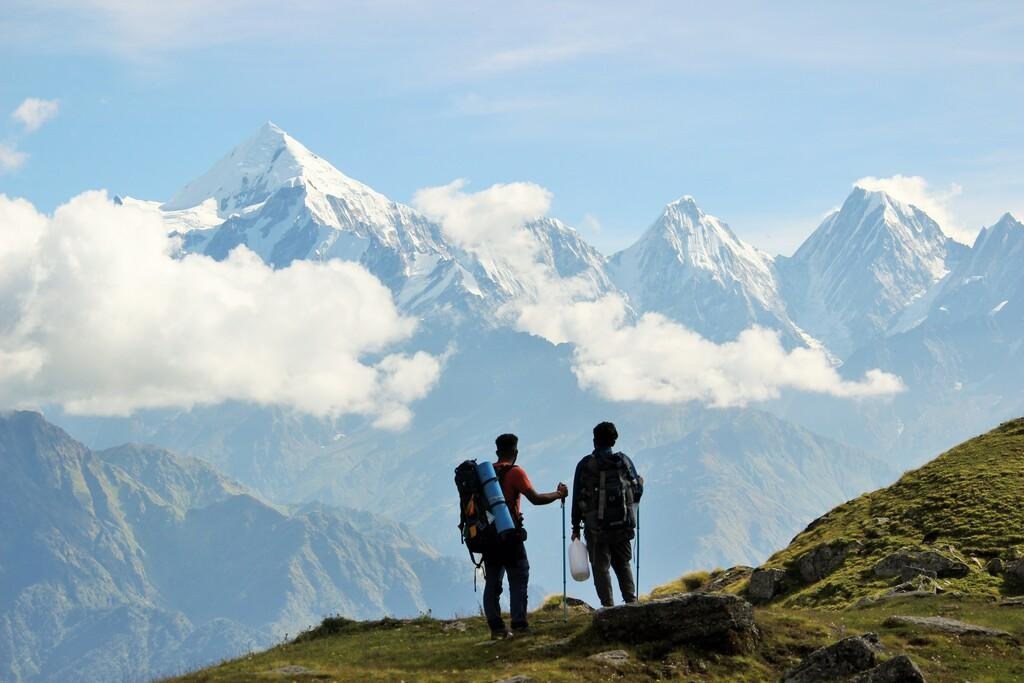
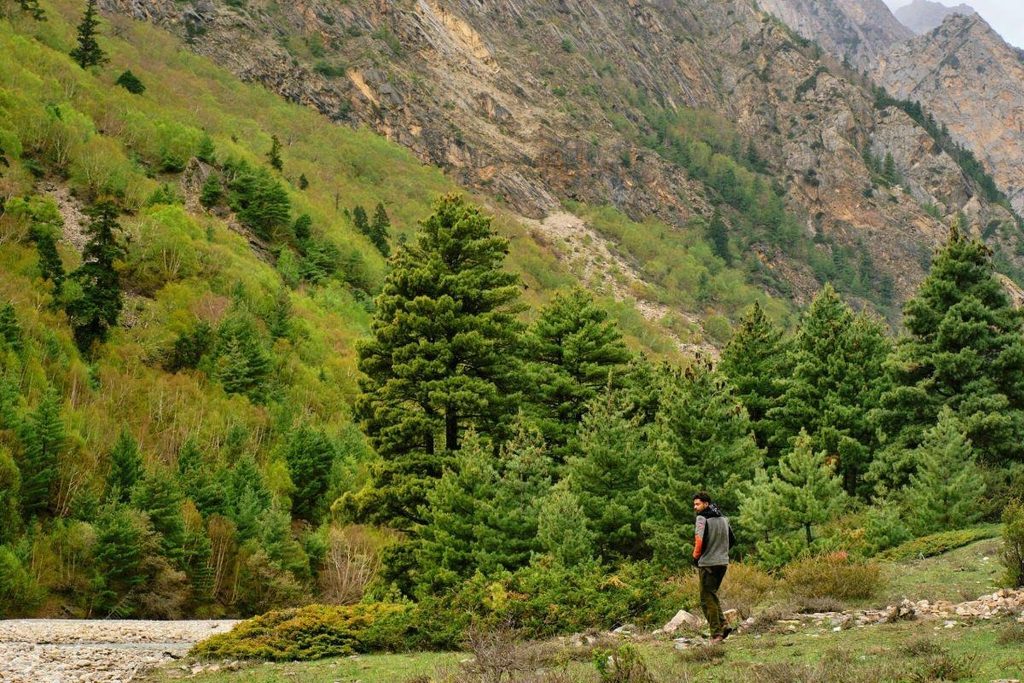
Khalia Top is among the best-known trekking destinations near Munsiyari. The route leads through forested terrain toward open high-altitude meadows, where the views can extend across the surrounding Himalayan ranges.
The trek requires more preparation than a casual town walk. Fitness, weather, trail conditions, and the amount of daylight available all matter. Ask a local guide or accommodation provider about current conditions before setting out, particularly if you are unfamiliar with mountain trekking.
Explore nearby villages on foot
Short walks around accessible settlements offer a different perspective on the region. Instead of seeing only mountain panoramas, you notice cultivated plots, stone houses, small shrines, and the daily routines that sustain life in a remote Himalayan area.
Stay on established paths, ask before photographing residents, and respect private land. A locally arranged village walk can also help you understand the area’s cultural background without treating everyday life as a tourist display.
Enjoy mountain photography
Munsiyari rewards patient photographers. The Panchachuli peaks may appear sharp and white one moment and disappear behind clouds the next. Changing light can make the same view look entirely different within an hour.
Carry a camera or phone with sufficient battery power, keep equipment protected from moisture, and avoid planning your entire trip around one promised sunrise. Mountain weather is unpredictable, and clear views are never guaranteed.
Spend time doing very little
Not every holiday needs a demanding itinerary. Sit outside your guesthouse with a warm drink, watch the clouds move through the valley, or take a slow walk before dinner.
This approach is especially suitable for couples and travelers who need a break from crowded destinations. It also gives you flexibility when rain, fog, or road conditions disrupt outdoor plans.
Best Time to Visit Munsiyari
The best time to visit Munsiyari depends on whether you prefer comfortable sightseeing, clear mountain views, green landscapes, or winter scenery. Spring, early summer, and autumn are generally the most practical periods for a first visit, although conditions vary each year.
| Season | What to expect | Travel advice |
| March–April | Cool weather, spring flowers, possible lingering snow at higher elevations | Pack warm layers and check trekking conditions |
| May–June | Generally favorable for sightseeing and outdoor activities | Book accommodation ahead during busy periods |
| July–August | Monsoon rain, lush vegetation, possible landslides and disrupted roads | Check local forecasts and road advisories frequently |
| September–November | Often clearer mountain views and comfortable daytime conditions | A strong choice for photography and village walks |
| December–February | Cold conditions and the possibility of snow | Confirm road access, heating, and accommodation arrangements |
Spring and early summer
Spring brings fresh vegetation and, in suitable locations, flowering rhododendrons. As the season progresses, daytime conditions can become more comfortable for sightseeing and trekking, although nights may remain cold.
May and June can attract visitors escaping warmer lowland cities. Reserve your room in advance if traveling during a holiday period, and remember that higher trails may have different conditions from the town itself.
Monsoon and autumn
The monsoon makes the hills greener but introduces additional travel risks. Landslides, falling rocks, poor visibility, and temporary road closures can affect journeys through the mountains. A flexible schedule is essential if traveling during the rainy season.
September through November is often appealing for those who prioritize mountain views and outdoor exploration. Nevertheless, clear skies are not guaranteed, and early winter temperatures can fall quickly after sunset.
Winter travel
Winter is suitable for travelers prepared for cold weather and possible snow-related disruptions. Some roads and trails may become difficult or inaccessible, while accommodation facilities can vary in how effectively they provide heating.
Check current conditions before departure rather than assuming the route will be open because it was accessible in a previous year.
How to Reach Munsiyari
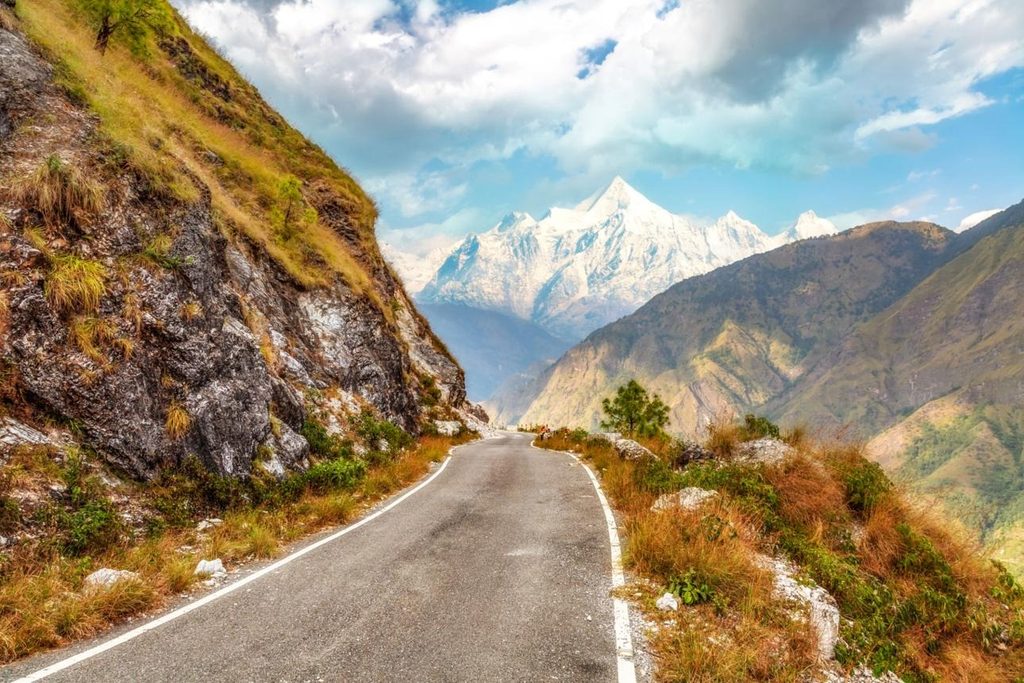
Reaching Munsiyari takes time because the final part of the journey follows winding mountain roads. The simplest option for many visitors is to travel to the Kumaon region by train or air and continue by road.
| Transport option | Practical approach | Important consideration |
| By train | Travel to Kathgodam or another suitable railhead, then continue by road | Arrange onward transport in advance |
| By air | Consider Pantnagar Airport, followed by a road journey | Flight availability and total road time need checking |
| By road | Drive or hire a taxi through the Kumaon hills | Allow extra time for mountain roads and unexpected delays |
| By public transport | Combine available buses and local shared vehicles | Connections may be infrequent, especially later in the day |
From Kathgodam
Kathgodam is a common railhead for travelers heading into Kumaon. From there, the onward journey involves a substantial drive through hill towns and mountain roads.
Many routes pass through areas such as Almora, Berinag, Thal, Birthi, and Kalamuni before reaching Munsiyari, though the exact route depends on road conditions and the operator. An overnight stop in a convenient town can make the journey more comfortable.
From Delhi
Driving from Delhi is possible, but the distance and winding roads make it a demanding journey. Rather than relying on a single estimated travel time, allow a generous buffer for traffic, breaks, weather, and roadworks.
If you prefer public transport, consider traveling by train to Kathgodam and arranging onward road transport. Confirm current bus services locally, as schedules and connections can change.
By air
Pantnagar is a commonly used airport for journeys into Kumaon, but it is still far from Munsiyari by road. Naini Saini Airport near Pithoragarh may appear closer on a map, yet usable commercial flight connections should be verified before planning around it.
Whichever route you choose, avoid arriving late at night if you are unfamiliar with mountain driving.
Local Culture, Traditional Villages, and Kumaoni Life
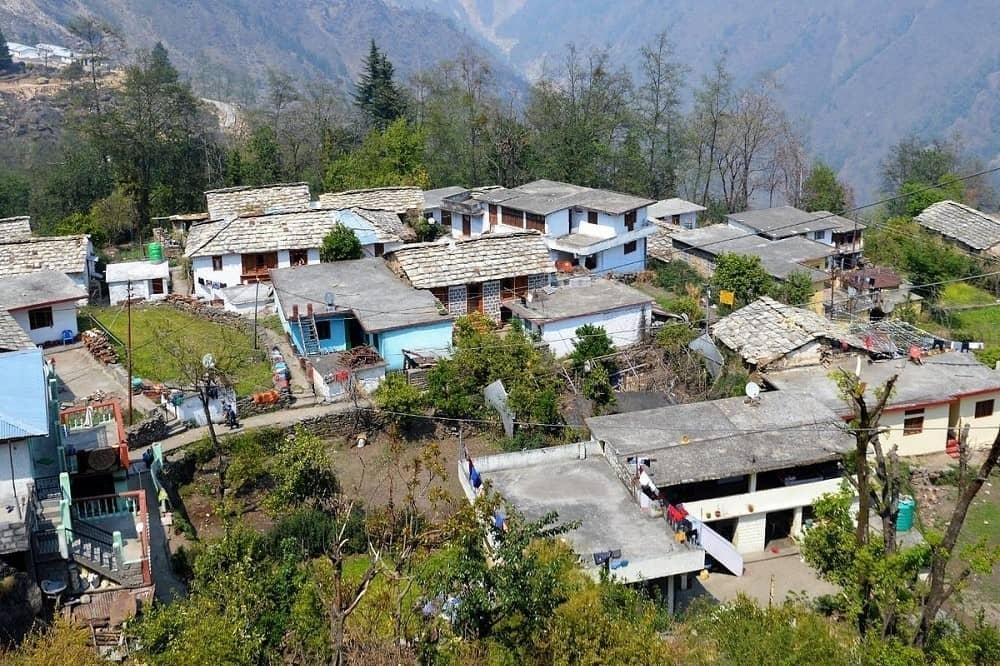
Munsiyari is more than a mountain viewpoint. The surrounding region has a strong cultural connection with the Johar Valley and the Bhotia communities whose history includes seasonal movement, trade, pastoral livelihoods, and life in high-altitude settlements.
Visit Darkot village
Darkot is worth exploring if you want to see a more traditional side of the region. The village is associated with local weaving and woollen handicrafts, including products made using traditional skills. Availability varies, so do not expect every craft or item to be on sale throughout the year.
Rather than rushing through for photographs, take time to notice the construction of homes, the surrounding fields, and the relationship between the settlement and the mountain environment. Buying directly from local artisans, when possible, can help support small producers.
Understand the region’s heritage
The Johar Valley’s historical trading connections help explain why this remote corner of Kumaon has a distinct cultural identity. Ask local hosts about village life, traditional livelihoods, and seasonal changes, while recognizing that customs and experiences differ between households and communities.
A homestay can be a particularly rewarding option for travelers who value conversation and local knowledge over resort-style facilities.
What to Eat in Munsiyari
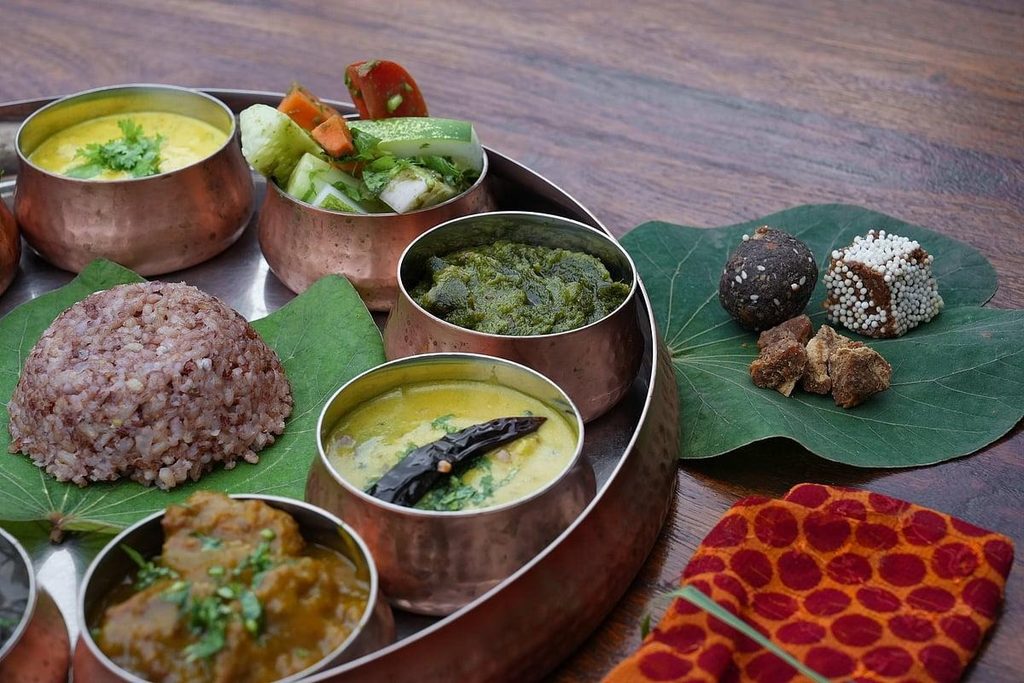
Food in Munsiyari is generally straightforward and comforting. Small eateries, guesthouses, and local restaurants may serve familiar North Indian meals alongside selected Kumaoni dishes. The range of options is usually more limited than in a large city, and menus depend on the establishment and season.
Look out for regional specialties such as:
- Mandua roti: A flatbread made with finger millet, often eaten with vegetables or lentils.
- Bhatt ki churkani: A traditional Kumaoni preparation using black soybeans.
- Aloo ke gutke: A spiced potato dish associated with Kumaoni cooking.
- Local dals and seasonal vegetables: Simple home-style meals that can be especially satisfying after a day outdoors.
- Tea and momos: Common choices for a quick break, depending on what nearby cafés and stalls serve.
Ask your host whether a traditional meal can be arranged in advance. This is often a better way to discover regional cooking than expecting every restaurant to offer a large selection of local specialties.
If you have dietary restrictions, communicate them clearly before ordering. Travelers should also carry a few snacks for long drives and trekking days, when shops and food options may be limited.
Where to Stay in Munsiyari
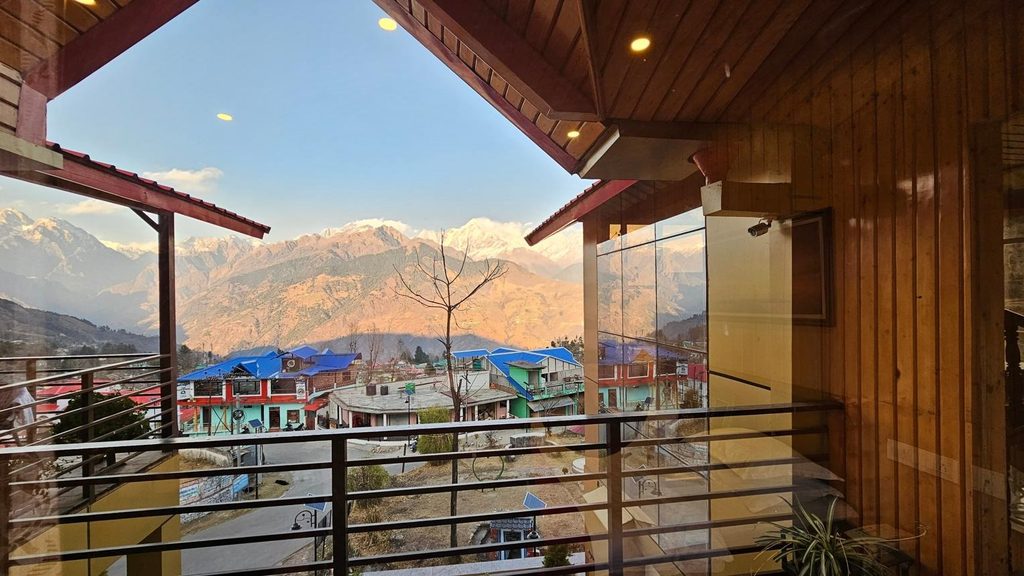
Accommodation in Munsiyari ranges from basic guesthouses and homestays to hotels and tourist rest houses. The right choice depends on your budget, comfort requirements, and whether you want to spend most of your time exploring or relaxing indoors.
Choose a stay with mountain views
If seeing the Panchachuli peaks is a major reason for your trip, look for accommodation with a verified mountain-facing balcony, terrace, or common area. A room advertised as having a mountain view may not provide an unobstructed panorama, so check recent photographs and confirm the room category before booking.
Consider a homestay
Homestays can provide a more personal introduction to the region. They may offer home-cooked food, useful information about walking routes, and practical advice about local transport.
Facilities differ considerably. Confirm bathroom arrangements, hot water, heating, meal availability, mobile connectivity, and access for older travelers before paying a deposit.
Book with the weather in mind
During popular travel periods, rooms with the best views can be in demand. Reserve ahead for spring holidays and early summer, and confirm cancellation terms if traveling during the monsoon.
In winter, ask specifically about heating and water availability. Do not assume that every property offers round-the-clock hot water or centrally heated rooms.
Nearby Places to Explore Around Munsiyari
If you have additional time, several nearby destinations can add variety to your journey. Some work well as shorter excursions, while others require more planning.
Thamri Kund
Thamri Kund is a natural high-altitude lake reached by walking through the surrounding landscape. The journey is as much about the forest and mountain atmosphere as the water itself.
Ask locally about trail conditions and the time required before setting out. Wear shoes with good grip and avoid attempting the walk in poor visibility without appropriate guidance.
Maheshwari Kund
Maheshwari Kund is another option for travelers interested in quieter outdoor experiences. Its appeal lies in the natural setting rather than extensive tourist facilities, making it a suitable addition for visitors who enjoy short walks and time away from busy roads.
Confirm the current access route locally, as walking conditions can change with the season.
Chaukori
Chaukori is worth considering if you want to break up the road journey or extend your Kumaon trip. It is known for broad Himalayan views and a slower pace, making it a useful contrast to the more activity-focused trekking base at Munsiyari.
Birthi Falls as a stop along the way
Depending on your route and arrival time, Birthi Falls can be incorporated into the journey rather than saved for a separate excursion. This works particularly well when road conditions are favorable and you have enough daylight to stop safely.
Avoid packing too many locations into a single day. Mountain travel is slower than map distances suggest, and an extra overnight stop can make the experience far more enjoyable.
A Practical Three-Day Munsiyari Itinerary
Three full days in Munsiyari give you time to explore the town, visit nearby attractions, and attempt a walk without turning every day into a race. The schedule below assumes you have already reached the destination; the long journey from the plains should be planned separately.
| Day | Suggested plan | Pace |
| Day one | Explore the town, enjoy a mountain viewpoint, visit Nanda Devi Temple, and settle into your accommodation | Easy |
| Day two | Visit Birthi Falls and explore Darkot village, allowing time for local stops | Moderate |
| Day three | Attempt a suitable walk or arrange a guided trek, or spend the day enjoying the mountain scenery | Flexible |
On the first day, keep the schedule light. The altitude and winding journey can leave you tired, even if you are generally fit. Use the afternoon to understand the town, ask about local conditions, and arrange transport for the next day.
On the second day, combine a waterfall visit with cultural exploration. Check whether the route is accessible and avoid extending the excursion if rain or poor visibility develops.
On the final day, choose an activity according to your fitness and the weather. Khalia Top is appropriate for prepared hikers when conditions allow, but it should not be treated as an effortless sightseeing stop. If a trek is unsuitable, a relaxed village walk and an unhurried morning with views of the Panchachuli range can be equally rewarding.
Essential Travel Tips for a Smooth Trip
A little preparation makes a considerable difference in a remote mountain destination.
- Carry layered clothing. Even when afternoons feel pleasant, mornings and evenings can be cold. Include a waterproof outer layer.
- Check the road before departure. Rain, landslides, road repairs, and other disruptions can affect access. Ask your accommodation provider or driver for recent information.
- Keep some cash available. Do not rely entirely on ATMs, card payments, or mobile payment services working everywhere.
- Download essential maps. Mobile coverage can be inconsistent along mountain roads and walking routes.
- Plan fuel and transport stops. If driving independently, check fuel availability and your vehicle’s condition before entering remote stretches.
- Respect altitude and your fitness. Take time to acclimatize, particularly before strenuous walking. Stop if you develop unusual breathlessness, dizziness, or other concerning symptoms.
- Avoid risky weather conditions. Do not approach unstable waterfall edges, cross flooded streams, or continue a trek simply because it is part of your itinerary.
- Leave no litter. Carry waste back to an appropriate disposal point and avoid disturbing wildlife or vegetation.
Families traveling with children or older relatives should pay particular attention to road comfort, warm clothing, walking distances, and access to medical assistance. A flexible itinerary is generally better than trying to visit every attraction.
FAQs
Is Munsiyari worth visiting for a holiday?
Yes. Munsiyari is particularly rewarding for travelers who enjoy Himalayan scenery, peaceful surroundings, village walks, photography, and trekking. It is less suitable for visitors expecting extensive nightlife or a large range of urban conveniences.
How many days are enough for Munsiyari?
Three full days at the destination are a good starting point for sightseeing, visiting nearby villages, and enjoying nature. Allow additional time for the journey, especially if traveling from Delhi or Kathgodam.
Can I visit Munsiyari in winter?
Yes, provided you prepare for cold temperatures and check current road and weather conditions. Snowfall may occur, but it is not guaranteed on particular dates. Confirm accommodation heating, transport availability, and access to planned attractions before traveling.
Which is the nearest railway station to Munsiyari?
Kathgodam is a commonly used railway station for reaching Munsiyari, although Tanakpur is another possible railhead depending on your route. You will need onward road transport, and the journey through the hills can take much of a day.
Is Munsiyari suitable for families and couples?
Yes. Couples can enjoy scenic accommodation, quiet walks, and mountain views, while families can explore accessible viewpoints, nearby villages, and waterfalls when conditions are safe. Families with young children or older travelers should allow extra time for the road journey and avoid strenuous high-altitude treks unless appropriately prepared.
Conclusion
Munsiyari is a destination best appreciated without a packed schedule. Its appeal lies in the combination of the Panchachuli peaks, the quieter corners of Kumaon, traditional village life, and access to landscapes that reward both adventurous hikers and travelers who prefer a slower holiday.
Plan your journey around the season, give yourself enough time to reach the mountains, and remain flexible when the weather changes. Whether you spend your days exploring forest trails or simply watching the peaks emerge from the clouds, Munsiyari offers a compelling reason to experience a different side of Uttarakhand.
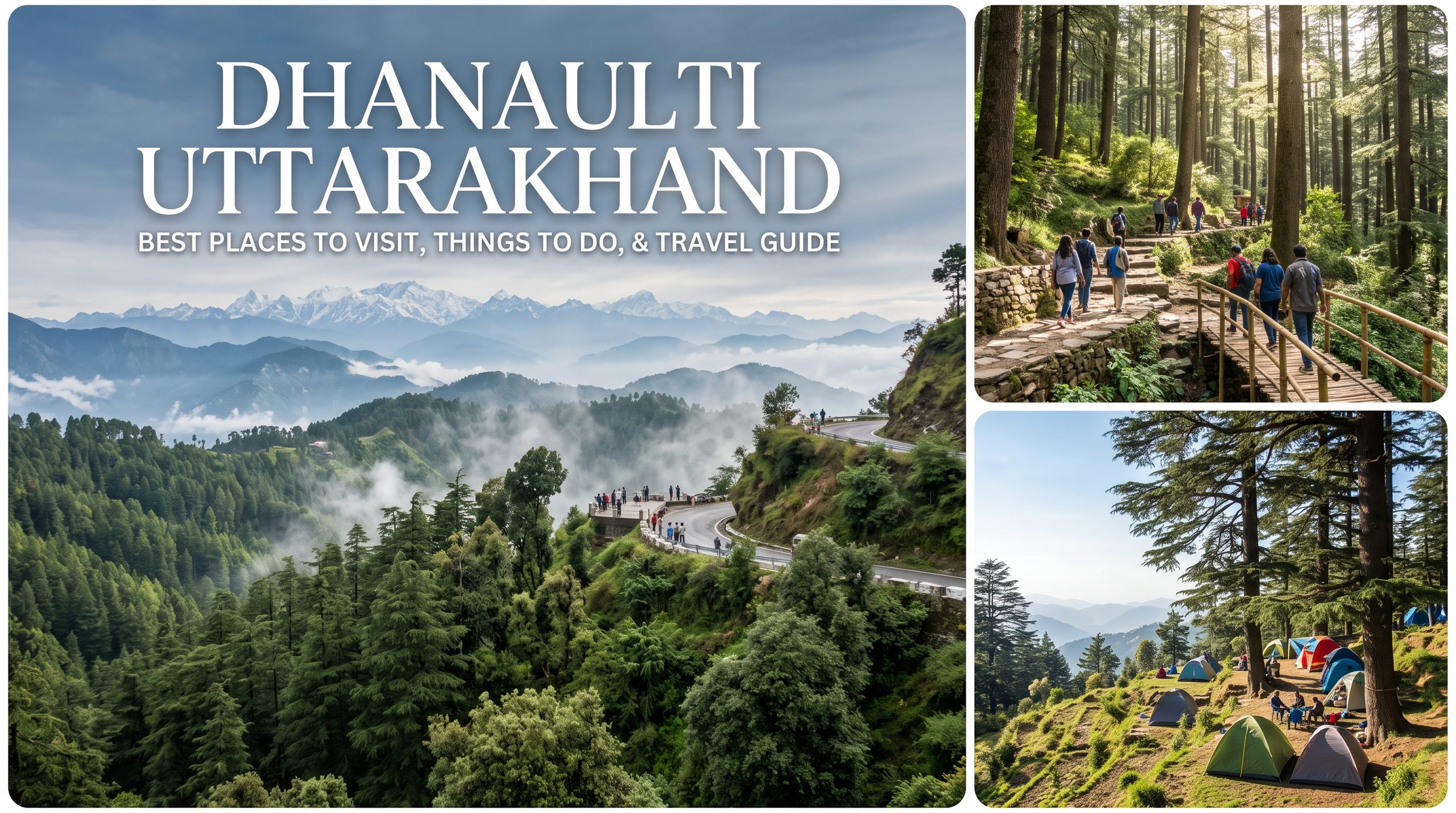
Read More: Dhanaulti Uttarakhand: Best Places to Visit, Things to Do, and Travel Guide

I am a travel enthusiast who loves exploring India’s beautiful destinations, culture, history, food, and hidden places. Through my travel website, I aim to help travelers discover amazing places in India and plan memorable trips with useful travel information and tips.