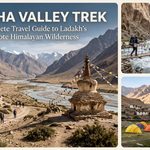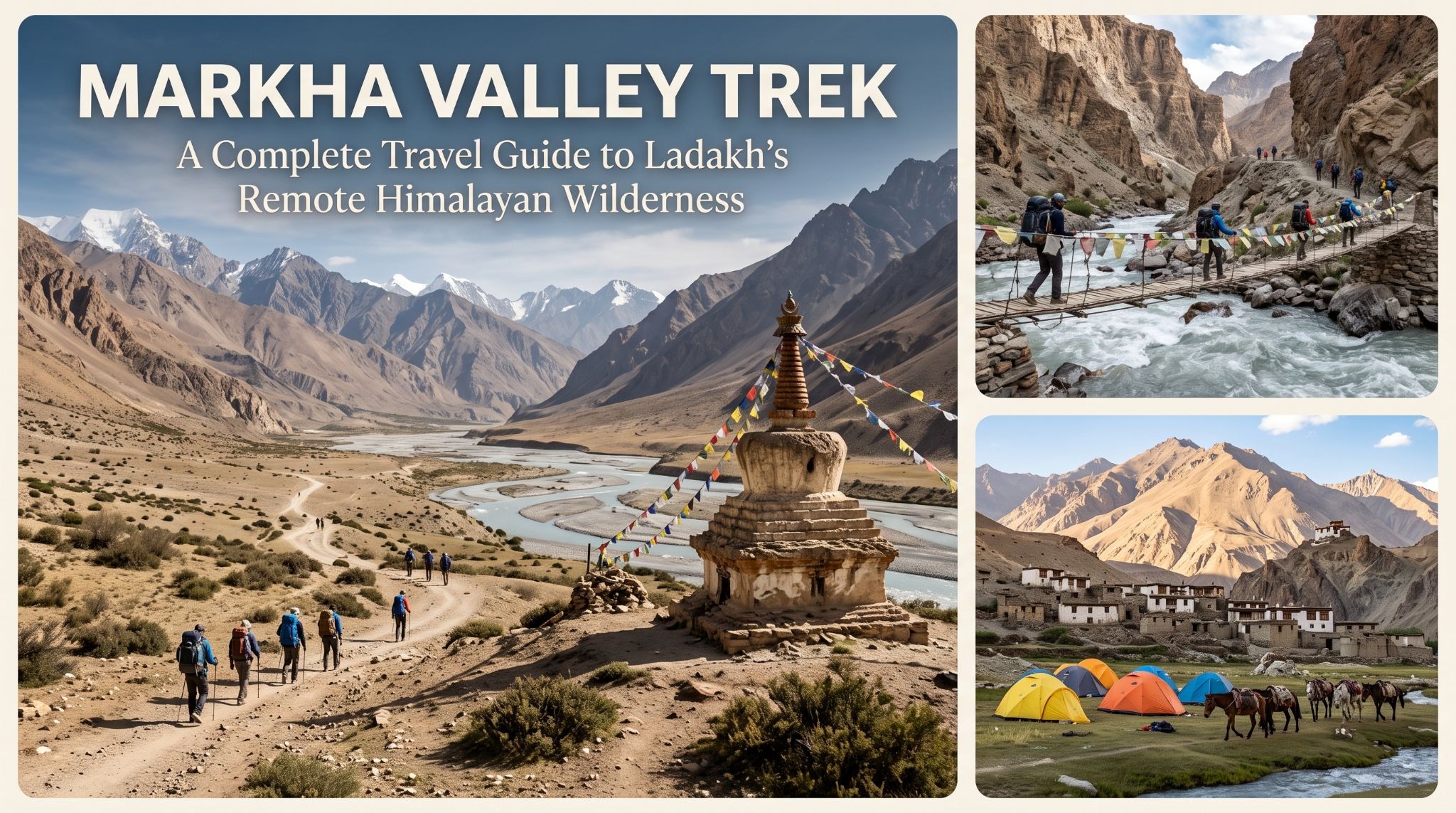
Markha Valley is one of Ladakh’s most rewarding destinations for travelers who want to experience the Himalayas beyond the familiar mountain viewpoints and busy tourist stops. Located in the rugged landscape of eastern Ladakh, this remote valley combines dramatic mountain scenery, traditional villages, Buddhist monasteries, flowing streams, and wide stretches of high-altitude wilderness. The journey is not simply about reaching a beautiful place; it is about experiencing how people live in a landscape where nature, culture, and everyday life remain closely connected.
For trekkers, Markha Valley offers a chance to walk through changing mountain environments, cross high passes, and spend nights in villages beneath enormous Himalayan peaks. For photographers and culturally curious travelers, it reveals another side of Ladakh, with whitewashed homes, prayer flags, ancient-looking settlements, and quiet trails that follow the Markha River. Planning is essential because the altitude, remote terrain, and limited facilities make this a very different experience from an ordinary sightseeing trip. Knowing when to go, how to prepare, and what to expect can make the journey safer and considerably more enjoyable.
Why Markha Valley Deserves a Place on Your Ladakh Itinerary
Markha Valley stands out because it brings several dimensions of Ladakh together in one journey. Instead of viewing the mountains from a road, travelers gradually move through the landscape on foot, passing cultivated fields, rocky slopes, narrow gorges, and open valleys. The scenery changes throughout the trek, giving the route a sense of progression rather than a single destination to photograph and leave behind.
The valley is also an opportunity to understand rural Ladakhi life. Small settlements survive in an environment where water, growing seasons, and access to supplies influence daily routines. Traditional houses, fields, local religious sites, and community-run accommodation reveal a human story that is easy to miss when traveling only between major attractions.
The trek is best suited to people who enjoy walking, changing conditions, and a degree of uncertainty. It can be particularly rewarding for adventurous couples, solo trekkers with appropriate preparation, and photographers who appreciate landscapes as much as cultural details. However, the remote setting and high elevation mean it is not automatically suitable for every traveler.
What Makes the Markha Valley Trek Special?
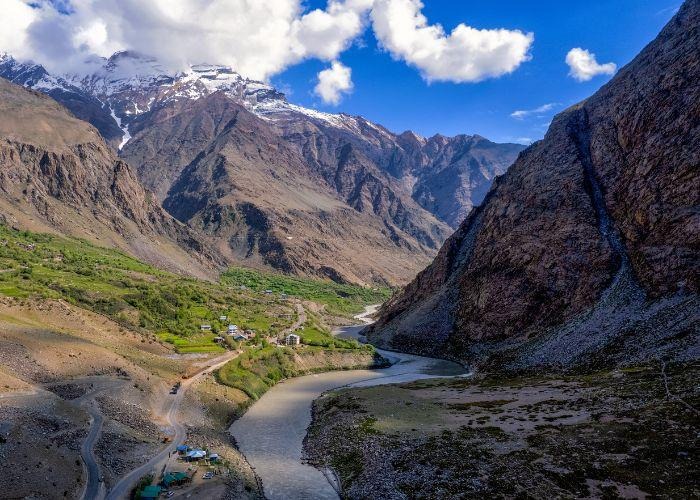
The Markha Valley trek is known for its combination of mountain trails, river crossings, high passes, and village stays. Depending on the chosen route and itinerary, trekkers may encounter everything from dry, ochre-colored slopes to surprisingly green patches of farmland sustained by glacial and mountain water.
Unlike a road trip, the experience develops gradually. A bend in the trail might reveal a small settlement, a distant snow-covered summit, or a narrow passage between towering rock walls. The physical effort makes these changing views feel earned, particularly when the route climbs toward a high mountain pass.
Another appealing feature is the opportunity to stay in homestays or organized trekking camps, depending on the itinerary and available facilities. Homestays can offer a closer look at local hospitality and food, while camping provides a more direct experience of the open landscape.
The difficulty should not be underestimated. This is a high-altitude trek with potentially long walking days, uneven paths, cold nights, and sections where services are limited. Good preparation matters more than simply being enthusiastic about the mountains.
The Most Memorable Places Along the Route
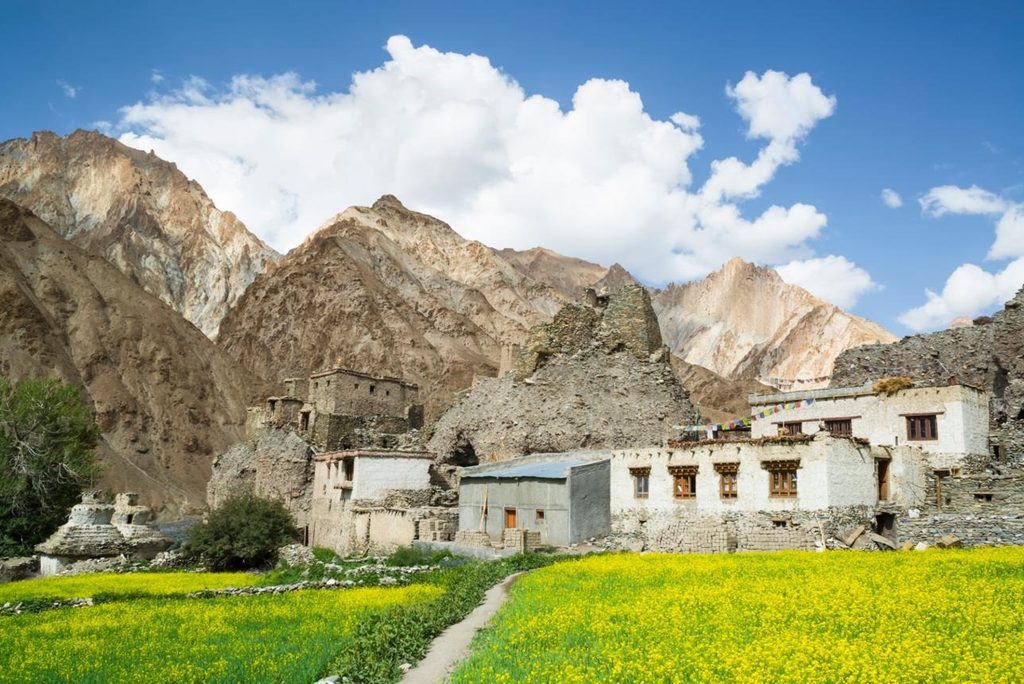
The appeal of Markha Valley comes from the places encountered along the way rather than from one central attraction. Exact stops depend on the route, starting point, and length of the trek, but several locations and landscape features help define the experience.
Markha Village
Markha is one of the valley’s best-known settlements. Traditional homes, cultivated land, and mountain surroundings provide a glimpse of life in this remote region. The village is also associated with trekking itineraries that use local accommodation or nearby camping areas.
Spend time noticing how the settlement fits into its environment. The relationship between farmland, water channels, homes, and surrounding slopes says as much about the region as the mountain scenery itself.
Hankar and the Upper Valley
Hankar is often included on classic Markha Valley trekking itineraries. The landscape becomes increasingly rugged as the route continues into the upper valley, where open views, rocky slopes, and more dramatic mountain terrain shape the experience.
Kang Yatse Views
Kang Yatse is a striking mountain massif associated with the Markha Valley region. Its presence adds a dramatic backdrop to parts of the trek, although views depend on weather, visibility, and the precise route. Seeing the mountain does not mean that climbing it is part of an ordinary valley trek; summit attempts require separate planning, experience, and appropriate support.
River Crossings and Narrow Gorges
The river and its tributaries are integral to the trek. Some crossings may be straightforward in favorable conditions, while others can become challenging depending on water levels and seasonal weather. Narrow gorges also provide some of the route’s most distinctive scenery.
The Best Time to Visit Markha Valley
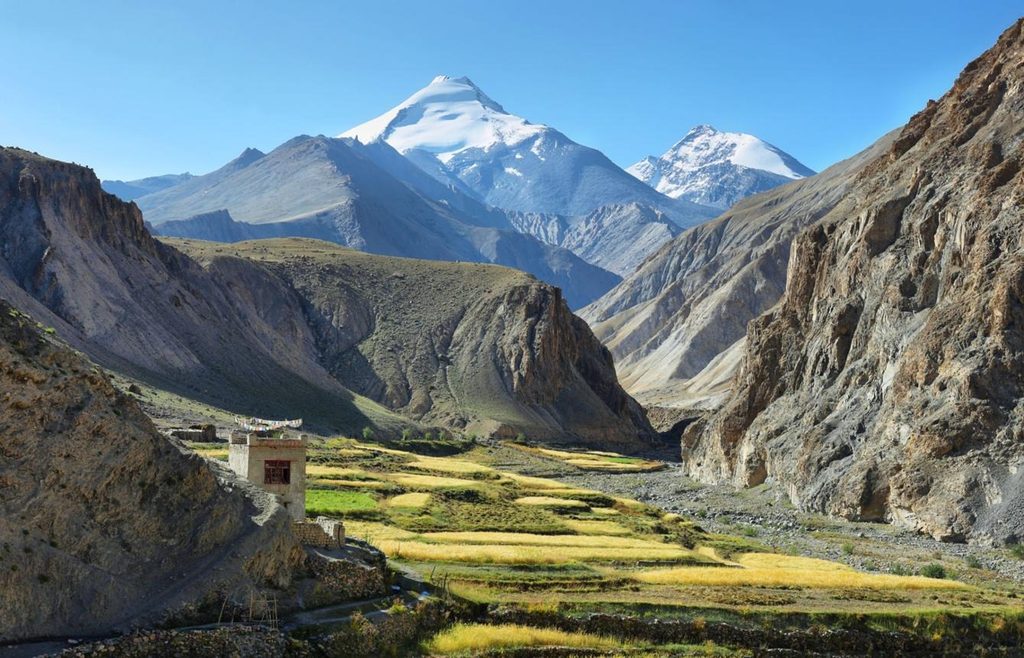
The most practical trekking season generally falls between late June and September, although conditions vary with snowfall, temperatures, trail access, and the particular route. July and August are popular choices because many trekking routes are accessible and village landscapes may be greener. Early and late-season trips can offer quieter trails but require especially careful checks of current conditions.
| Period | Typical experience | Planning considerations |
| Late June | Emerging trekking season | Check snow conditions and pass accessibility |
| July | Summer landscapes and active trekking routes | Prepare for changing weather and possible river-crossing challenges |
| August | Established trekking season | Check rainfall-related conditions and trail reports |
| September | Cooler air and autumn colors in some areas | Expect colder nights and possible early snowfall |
| October to May | Winter and early-season conditions | Classic trekking itineraries may be impractical or inaccessible |
These are broad seasonal patterns, not guarantees of trail conditions. Confirm the latest local advice before departure, particularly if your itinerary crosses high passes or depends on river crossings.
Winter travel is a different undertaking altogether. Snow, freezing temperatures, and limited services can make the trek unsuitable for ordinary visitors. Even during summer, high-altitude nights can be cold, so warm clothing remains essential.
How to Reach Markha Valley From Leh
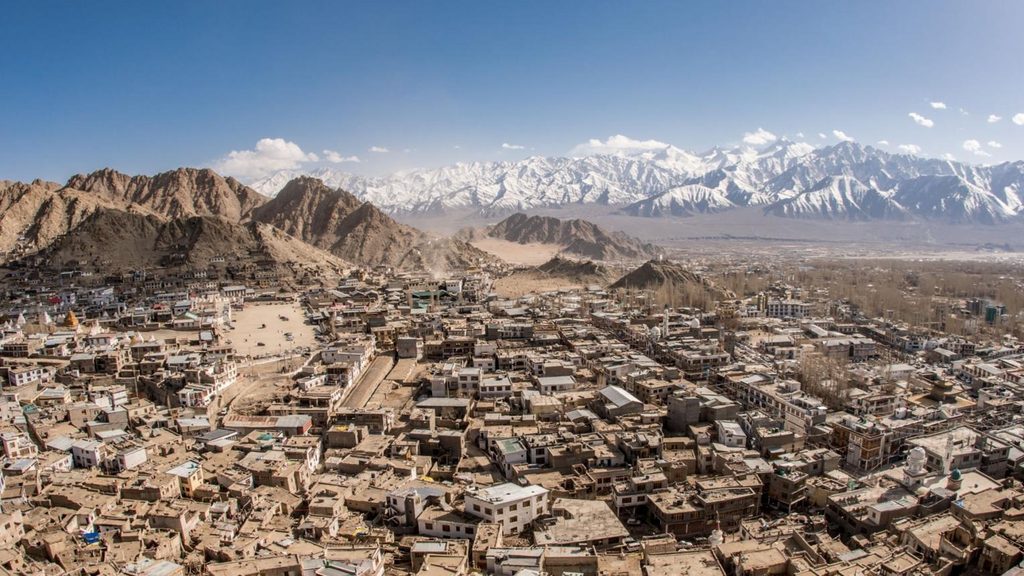
Leh is the usual base for organizing a Markha Valley trek. Travelers can reach Leh by air or, during the appropriate road season, by overland routes from other parts of northern India. Road accessibility and journey times depend on the route, weather, and current transport conditions.
After arriving in Leh, allow time to rest and acclimatize before beginning a high-altitude trek. Rushing directly from a lower elevation to a demanding walking itinerary increases the risk of altitude-related illness. Several days of gradual adjustment may be appropriate, depending on your health, arrival altitude, and planned route.
The trailhead depends on the trekking itinerary. Some routes begin near the Markha Valley approach from the Indus side, while others use a higher starting point that changes the overall route and difficulty. Local trekking operators can help determine the most appropriate starting location based on current access and your experience.
| Travel stage | Common approach | What to consider |
| Arrival in Ladakh | Fly to Leh or travel overland when roads are open | Weather, road conditions, and possible delays |
| Acclimatization | Rest and undertake gentle activities around Leh | Avoid strenuous exercise immediately after arrival |
| Reaching the trailhead | Arrange road transport through a local operator or driver | Confirm the starting point and current access |
| Entering the valley | Walk the selected trekking route | Plan for elevation, river crossings, and overnight stops |
| Returning to Leh | Arrange pickup or continue to the route’s exit point | Keep flexibility in case weather affects the schedule |
Avoid relying on an unverified travel schedule or assuming that a road will remain open throughout your visit. Confirm arrangements shortly before departure.
How Difficult Is the Markha Valley Trek?
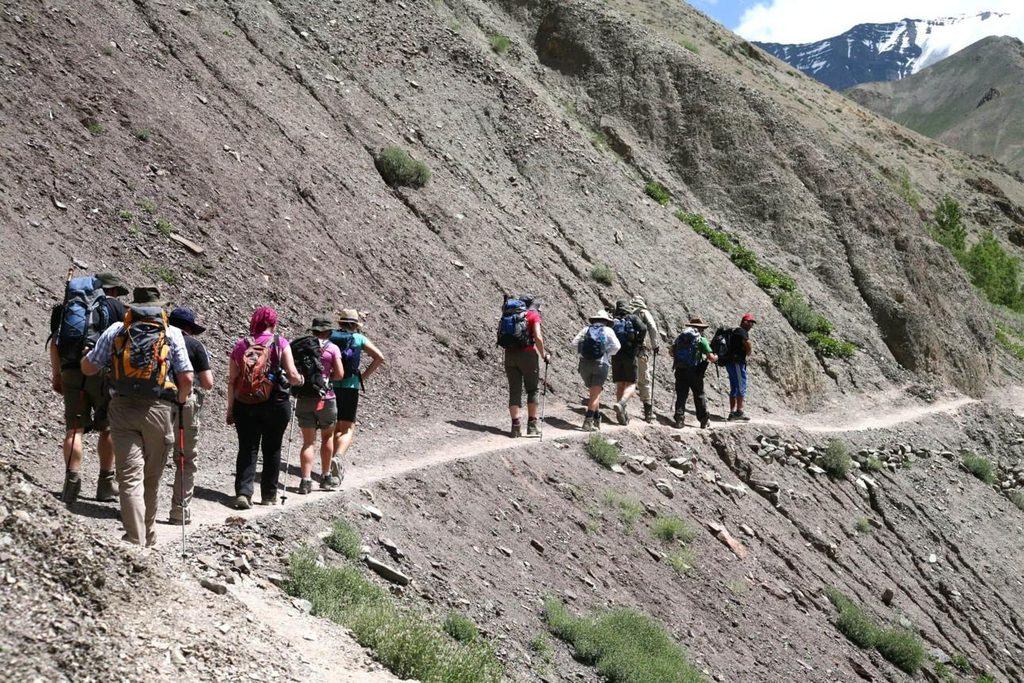
The Markha Valley trek is generally considered a moderate-to-challenging high-altitude trek, depending on the route, daily distances, weather, and individual fitness. It does not normally require technical climbing on the standard trekking route, but walking at elevations above 4,000 metres places considerably more strain on the body than walking at lower altitudes.
The most demanding parts often involve long walking days, repeated river crossings, steep ascents, and the climb over Kongmaru La. The pass reaches approximately 5,200 metres, although published route descriptions differ slightly on its elevation. The subsequent descent can also be tiring, especially for travelers whose knees are not accustomed to steep, uneven terrain.
Fitness and preparation
Build your fitness before arriving in Ladakh. Regular walking, uphill hikes, stair climbing, and cardiovascular exercise can help prepare your legs and improve endurance. Practice carrying a daypack similar to the one you plan to use during the trek.
Fitness alone, however, does not prevent altitude sickness. A strong runner can struggle at high elevation, while a slower walker who acclimatizes properly may cope better. Allow adequate time in Leh, increase elevation gradually where possible, and follow advice from a qualified guide or medical professional.
Should beginners attempt it?
Beginners with good preparation may be able to complete the trek with an appropriately paced itinerary and experienced support. However, it is not the best choice for someone expecting an easy nature walk. First-time high-altitude trekkers should choose their route carefully and avoid itineraries that rush through acclimatization.
Experience Local Culture, Villages, and Homestays
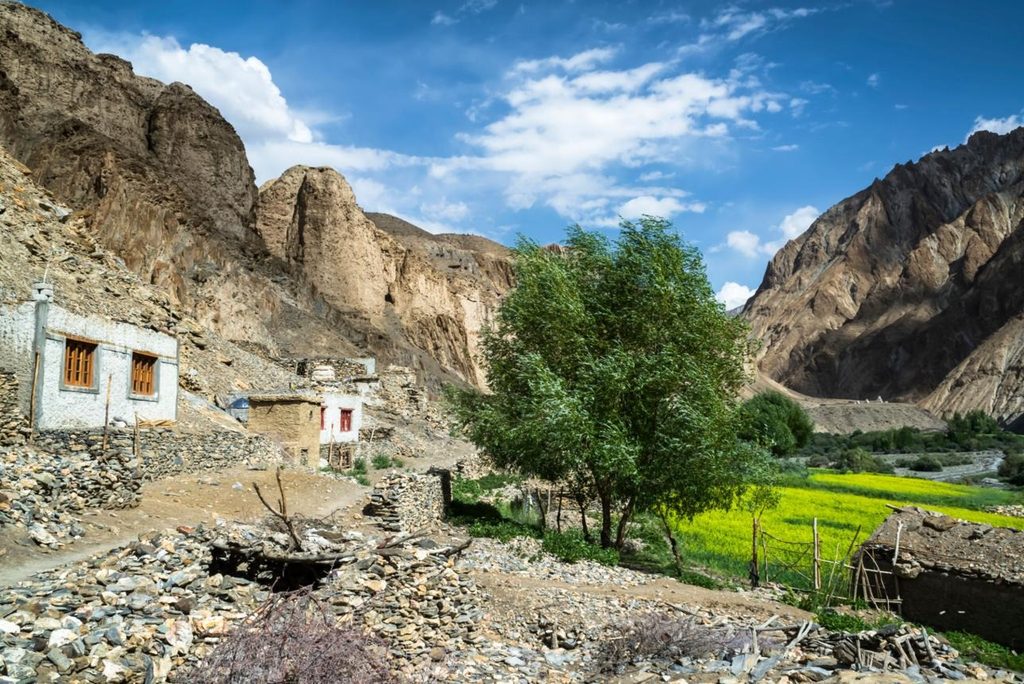
One of the most rewarding aspects of Markha Valley is the opportunity to experience Ladakhi village life away from the main tourist centers. Settlements such as Skiu, Markha, and Hankar provide glimpses of traditional architecture, farming, and the practical routines required to live in a remote mountain environment.
The villages are not simply picturesque stops along a trekking route. They are living communities. Respect for residents, their homes, religious sites, and agricultural land is essential, particularly when trails pass close to private property.
What to expect from a homestay
Homestays can offer a warm place to rest, simple meals, and conversations with hosts when language allows. Facilities vary considerably. Some properties provide basic bedding and shared washing arrangements rather than hotel-style bathrooms or reliable hot water.
Ask before taking photographs of people, entering private rooms, or photographing religious interiors. Buying refreshments or arranging accommodation through local households can also help keep tourism income within the valley.
Buddhist heritage along the trail
Prayer flags, mani walls, chortens, and village religious sites form part of the wider cultural landscape of Ladakh. These features are worth observing respectfully rather than treating them only as photo opportunities. Follow local guidance around monasteries and sacred structures, and avoid touching religious objects unless invited to do so.
Wildlife, Landscapes, and Photography Opportunities
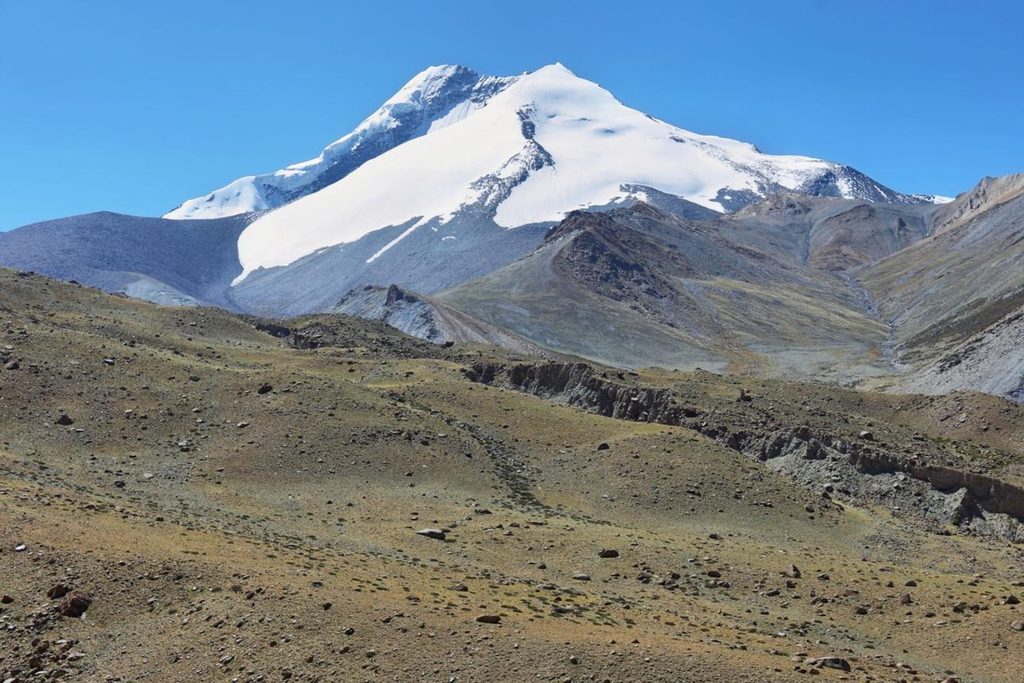
Markha Valley is especially appealing to photographers because its landscapes change with elevation. Lower sections may feature riverbanks, cultivated fields, and settlements framed by barren slopes. Farther into the valley, the terrain becomes more open and alpine, with sweeping views of surrounding peaks and high pastures.
The area lies within the wider landscape of Hemis National Park, known for its high-altitude wildlife. Wildlife sightings are never guaranteed, so treat animals as a fortunate encounter rather than something your itinerary must deliver. Keep your distance, do not feed wildlife, and follow park regulations.
The best photography moments
- Village life: Photograph traditional homes, fields, and mountain backdrops while respecting residents’ privacy.
- River scenery: Look for contrasting colors between the water, rocky banks, and surrounding cliffs.
- High-altitude meadows: Capture the openness of the upper valley and the scale of the surrounding mountains.
- Mountain light: Early morning and late afternoon can create interesting shadows and textures, provided conditions and your walking schedule allow.
- Night skies: Away from artificial lighting, clear conditions can create opportunities for star photography.
Carry spare batteries because cold conditions can reduce battery performance. A lightweight camera or phone is often more practical than a heavy equipment setup during long walking days. Weather can change quickly, so keep electronic equipment protected from moisture, dust, and impact.
Where to Stay and What to Eat

Accommodation on the trek is generally simpler than what visitors find in Leh. Depending on the itinerary, you may sleep in village homestays, organized camps, or a combination of both. Facilities become more limited as the route moves away from inhabited settlements and toward high-altitude camping areas.
Leh is the most practical place to arrange hotels, purchase missing equipment, and confirm trekking logistics before departure. Once you are on the trail, do not assume that shops, pharmacies, restaurants, or charging points will be available whenever needed.
Food on the route often consists of simple, filling meals suited to active days in the mountains. Depending on the household or trekking provider, options may include rice, lentils, vegetables, noodles, soup, bread, and regional dishes.
Thukpa, a noodle soup, is a familiar option in the wider Himalayan region, while momos may be available in Leh and some trekking areas. Butter tea is associated with Ladakhi and Tibetan food traditions, although individual travelers have different tastes.
Inform your host or trekking operator about dietary restrictions in advance. Vegetarians should clarify which meals are available, while travelers with allergies should explain their requirements clearly. Bring suitable snacks if you rely on specific foods for energy, and carry any necessary personal medication.
A Practical Six-Day Trekking Itinerary
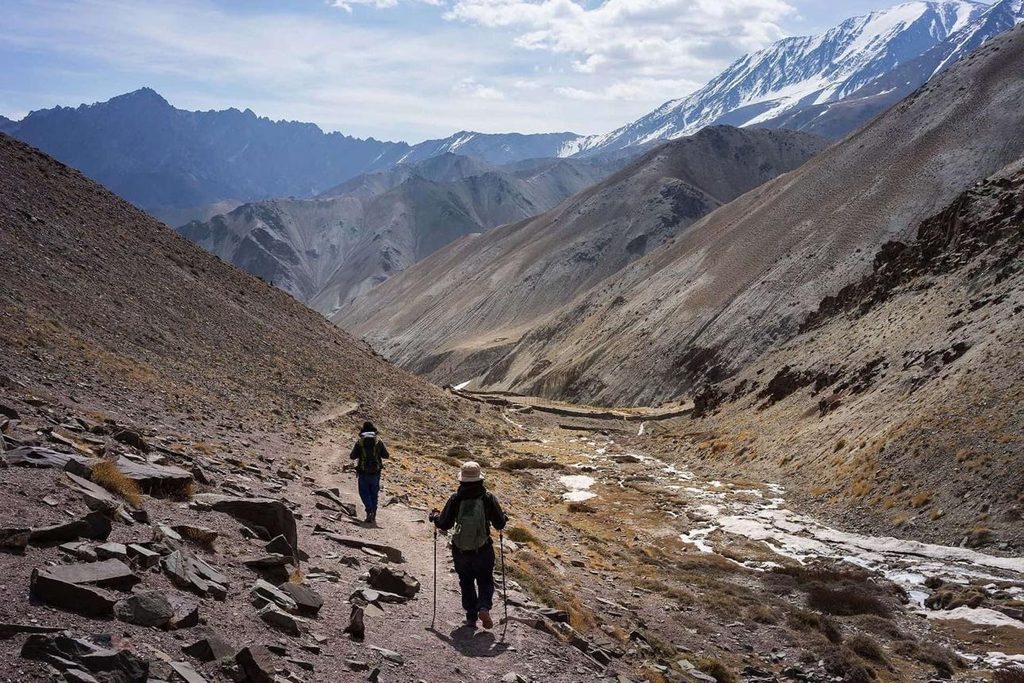
A six-day outline can help visualize the walking portion of a classic route, but it is not a recommendation to complete the entire journey without acclimatization. Many organized itineraries take longer when travel from Leh, acclimatization, alternative starting points, rest days, and weather flexibility are included.
| Trek day | Example stage | Main experience |
| Day 1 | Trailhead to Skiu | Enter the valley and begin walking through rocky terrain |
| Day 2 | Skiu to Markha | Follow the river and pass rural settlements |
| Day 3 | Markha to Hankar | Explore the upper valley and enjoy mountain views |
| Day 4 | Hankar toward Nimaling | Climb toward higher pastures and more exposed terrain |
| Day 5 | Nimaling to Kongmaru La and descent | Cross the high pass if conditions and acclimatization permit |
| Day 6 | Flexible reserve or onward travel | Allow for a revised schedule, recovery, or route variations |
The exact sequence and number of days depend on the chosen itinerary. Some routes include additional overnight stops, while others approach the valley from a different trailhead. Ask your operator to provide a stage-by-stage plan with realistic walking times, elevation changes, overnight elevations, and a contingency for poor weather.
Most importantly, include acclimatization days in Leh before the walking itinerary. A six-day outline should never be interpreted as a reason to rush the ascent or skip necessary rest.
Essential Safety Tips for Markha Valley
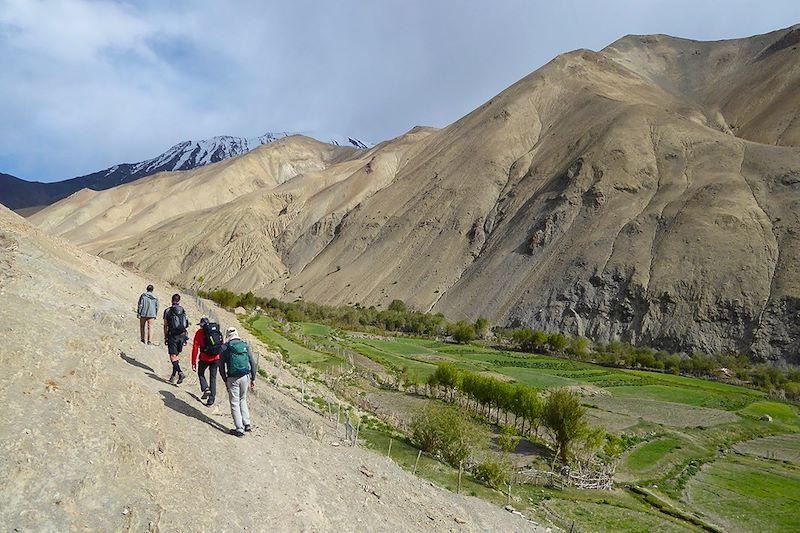
The remote setting is part of Markha Valley’s appeal, but it also means that preparation and sensible decisions matter. Medical assistance, mobile connectivity, and transport options may be limited once you leave Leh.
Before starting, confirm current trail conditions, weather forecasts, accommodation arrangements, and any applicable permits or park requirements with a reliable local operator or the relevant authorities.
Keep these precautions in mind:
- Acclimatize properly: Spend adequate time adjusting to Leh’s elevation before starting the trek. Follow medical guidance and avoid rapid increases in sleeping altitude.
- Recognize altitude sickness: Headaches, nausea, dizziness, unusual fatigue, and loss of appetite can indicate acute mountain sickness. Do not continue ascending when symptoms develop. Severe or worsening symptoms require prompt descent and urgent medical assistance.
- Prepare for cold and changing weather: Carry insulating layers, waterproof protection, warm gloves, and suitable footwear.
- Take river crossings seriously: Water levels and currents can change. Follow your guide’s advice, never rush a crossing, and turn back if conditions are unsafe.
- Carry essential supplies: Bring drinking water, a suitable water-treatment method, sun protection, a headlamp, a first-aid kit, and personal medication.
- Plan for limited connectivity: Tell someone your itinerary and expected return date. Ask your operator about emergency communication arrangements.
- Protect the environment: Carry out your rubbish, avoid disturbing wildlife, and respect local communities and water sources.
The right decision is not always to reach the next campsite. In the mountains, changing the plan or turning back can be the most responsible choice.
Nearby Places to Explore Before or After the Trek
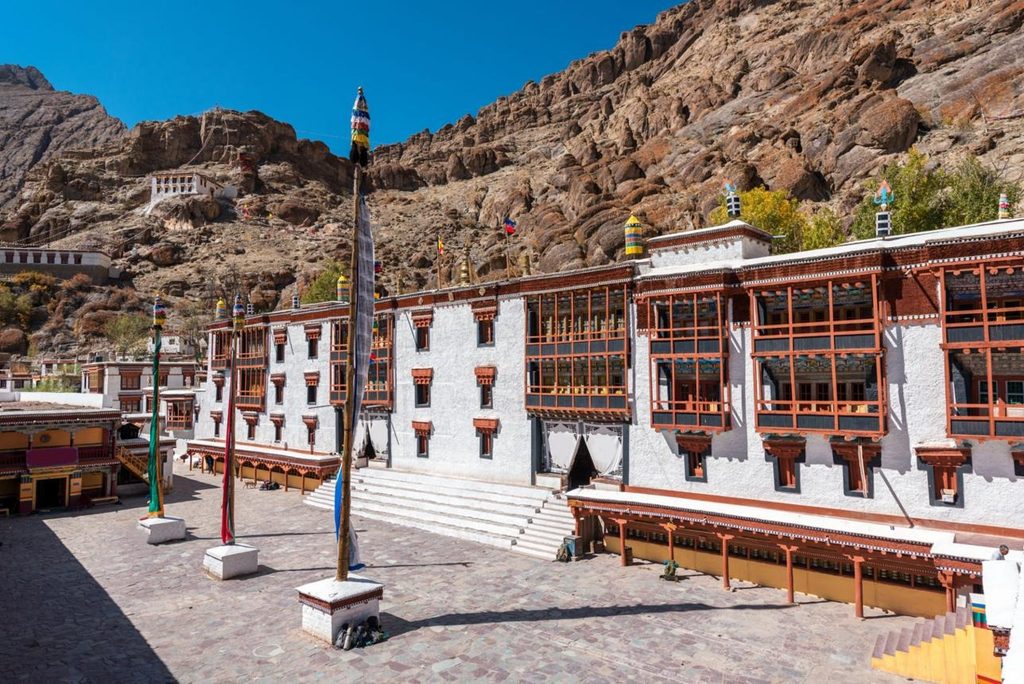
If your schedule allows extra time, the region around Leh offers several worthwhile additions to a Markha Valley itinerary. These places provide cultural context and opportunities to recover after several demanding days on the trail.
Hemis Monastery
Hemis Monastery is an important Buddhist monastery in Ladakh and a natural cultural addition to a wider regional trip. Its religious architecture and setting offer a different experience from the valley’s walking trails. Check local access arrangements and any event-specific information before visiting.
Leh Old Town and Leh Palace
Leh is useful for more than trekking logistics. Its historic areas, traditional buildings, markets, and palace provide an introduction to Ladakh’s cultural heritage. Allow time to explore at a relaxed pace rather than filling every day with strenuous activities.
Thiksey Monastery
Thiksey Monastery is another well-known cultural attraction in the Leh region. Its hillside setting and monastic architecture make it a worthwhile stop for travelers interested in Ladakhi Buddhist heritage.
These excursions are best planned around your acclimatization and recovery needs. Avoid treating additional sightseeing as compulsory immediately before or after a physically demanding trek.
FAQs
Is Markha Valley worth visiting?
Yes, particularly for travelers who enjoy high-altitude hiking, dramatic mountain scenery, traditional Ladakhi villages, and cultural experiences. Its greatest appeal is the combination of landscapes and village life along a multi-day trail.
How many days do you need for Markha Valley?
The trekking portion commonly takes around six to eight days, depending on the route and pace. Additional days are advisable for travel to Leh, acclimatization, and flexibility for changing weather. Some itineraries take longer.
Can beginners complete the Markha Valley trek?
Prepared beginners may be able to complete it with a suitable itinerary and experienced support. However, high altitude, long walking days, river crossings, and the Kongmaru La ascent make it considerably more demanding than a regular hiking holiday.
What is the best month to trek in Markha Valley?
July and August are popular choices, while the broader trekking season generally extends from late June into September, depending on conditions. Check current trail accessibility and weather before choosing dates.
Do you need a guide for Markha Valley?
A guide is strongly worth considering, especially for first-time high-altitude trekkers. A knowledgeable local guide can help with route decisions, river crossings, accommodation, weather changes, and emergency planning. Confirm applicable permits and regulations before traveling independently.
Conclusion
Markha Valley rewards travelers who are willing to slow down, walk beyond the familiar viewpoints, and experience Ladakh at a more personal pace. Its rugged mountains, remote settlements, high meadows, and traditional village life create a journey that is as much about the people and landscape as it is about the trek itself.
The most memorable trip is not necessarily the fastest or the most ambitious. Allow enough time to acclimatize, prepare for demanding conditions, respect local communities, and leave room for the unexpected. With thoughtful planning, Markha Valley can become one of the most meaningful experiences of a Himalayan adventure.
Read More: Iceland Waterfalls: 12 Spectacular Falls to Visit and How to Plan Your Trip

I am a travel enthusiast who loves exploring India’s beautiful destinations, culture, history, food, and hidden places. Through my travel website, I aim to help travelers discover amazing places in India and plan memorable trips with useful travel information and tips.