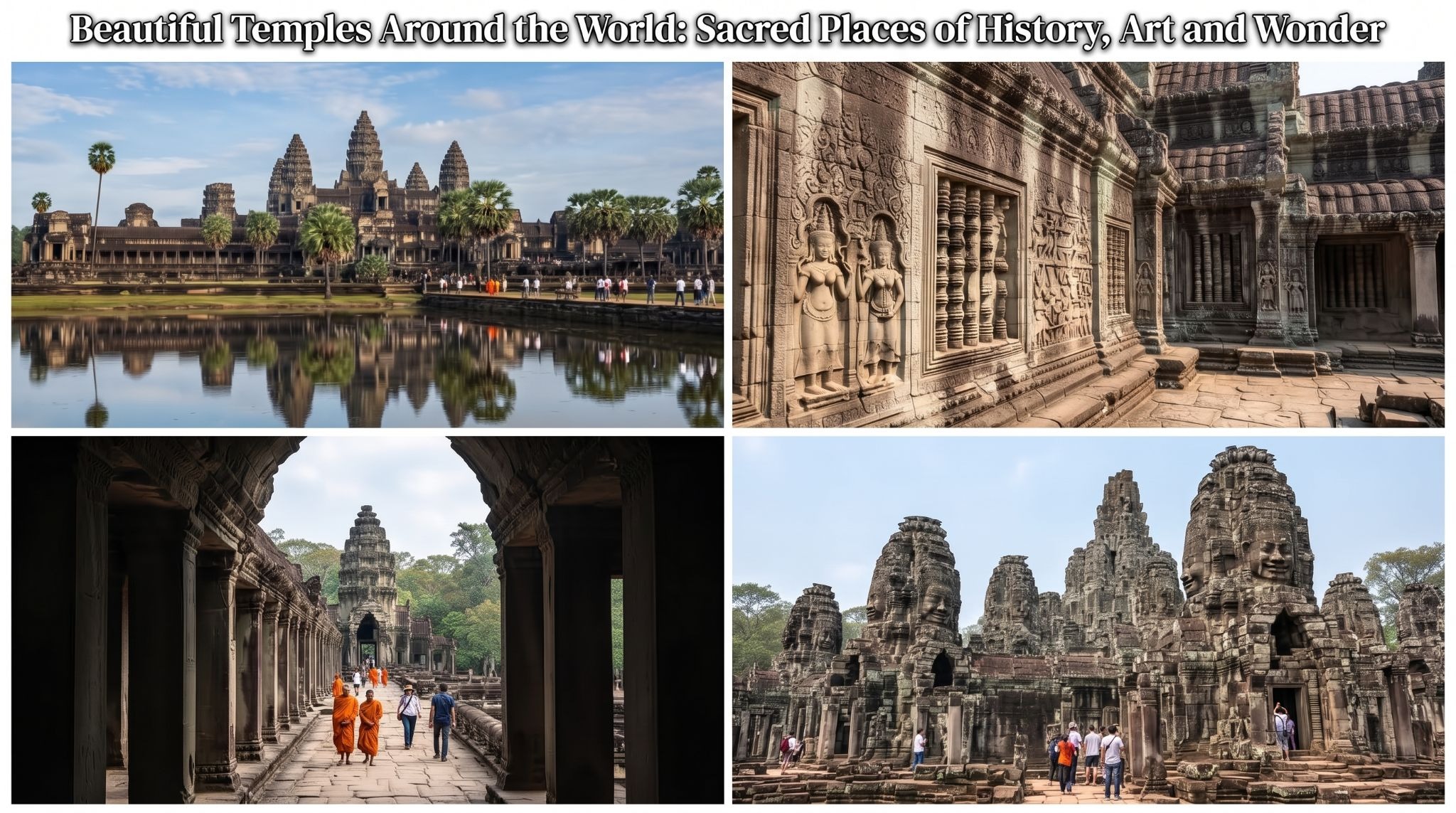
Few places bring history, architecture and spirituality together as naturally as a temple. Across Asia and beyond, these sacred spaces have been shaped by centuries of devotion, local traditions and remarkable craftsmanship. From towering gateways and carved stone walls to peaceful courtyards surrounded by gardens, beautiful temples offer travelers much more than impressive photographs. They provide a chance to understand how communities have preserved their beliefs and artistic traditions across generations.
Traveling to beautiful temples can also create some of the most memorable moments of a journey. The experience may begin with the quiet sound of bells, continue through a richly decorated entrance and end with a peaceful view from an ancient courtyard. Whether you are interested in architecture, photography, history or cultural experiences, temples can add depth to almost any travel itinerary.
Why Beautiful Temples Are Worth Visiting
Temples are among the world’s most fascinating cultural landmarks because their importance often extends far beyond their physical design. Many have served as places of worship, learning, community gatherings and artistic expression. Their architecture frequently reflects the beliefs and traditions of the societies that built them.
A visit can also reveal details that are easy to miss in photographs. Intricate carvings, religious paintings, sculptures and carefully planned layouts often tell stories about local history and spiritual traditions.
For travelers, temples offer an opportunity to slow down. Instead of simply moving between tourist attractions, visitors can observe daily rituals, appreciate traditional craftsmanship and experience the atmosphere of a place that may have been significant for centuries.
Where to Find Beautiful Temples
Some of the world’s finest examples are concentrated in Asia, particularly in countries with long Buddhist, Hindu and other religious traditions. India, Cambodia, Thailand, Japan, Indonesia and Sri Lanka all offer distinctive temple architecture.
| Country | Notable temple destination | What makes it interesting |
| Cambodia | Angkor Wat | Monumental Khmer architecture and extensive historical surroundings |
| India | Meenakshi Amman Temple | Elaborate towers, sculptures and South Indian temple traditions |
| Thailand | Wat Arun | Distinctive riverside architecture and decorated central prang |
| Japan | Kinkaku-ji | Elegant temple pavilion surrounded by landscaped grounds |
| Indonesia | Borobudur | Vast Buddhist monument with terraces and carved reliefs |
The character of each destination is different. Indian temples often feature elaborate sculptural decoration and monumental entrance towers. Japanese temples may emphasize harmony between architecture and carefully designed landscapes. Southeast Asian temples can combine imposing structures with detailed stonework and distinctive regional styles.
Famous Beautiful Temples to Add to Your Journey
A worldwide temple trip could easily become a journey through several architectural traditions. Angkor Wat in Cambodia is one of the most recognizable religious monuments on Earth. Its vast scale, galleries and detailed reliefs make it particularly rewarding for travelers interested in history and architecture.
In India, the Meenakshi Amman Temple in Madurai is known for its richly decorated gopurams and extensive sculptural detail. The temple remains an active religious center, which makes the cultural experience different from visiting a monument preserved only for tourism.
| Temple | Location | Main appeal |
| Angkor Wat | Siem Reap, Cambodia | Khmer architecture and historic temple complex |
| Meenakshi Amman Temple | Madurai, India | Sculptures, gopurams and living religious traditions |
| Wat Arun | Bangkok, Thailand | Riverside setting and distinctive design |
| Kinkaku-ji | Kyoto, Japan | Temple architecture and landscaped setting |
| Borobudur | Central Java, Indonesia | Buddhist architecture and carved reliefs |
In Bangkok, Wat Arun stands beside the Chao Phraya River and is especially recognizable for its decorated central structure. Japan offers a very different experience at Kinkaku-ji in Kyoto, where architecture and landscape are closely connected. Borobudur in Indonesia is another extraordinary destination, with multiple terraces decorated with Buddhist imagery and reliefs.
The Architecture of Beautiful Temples
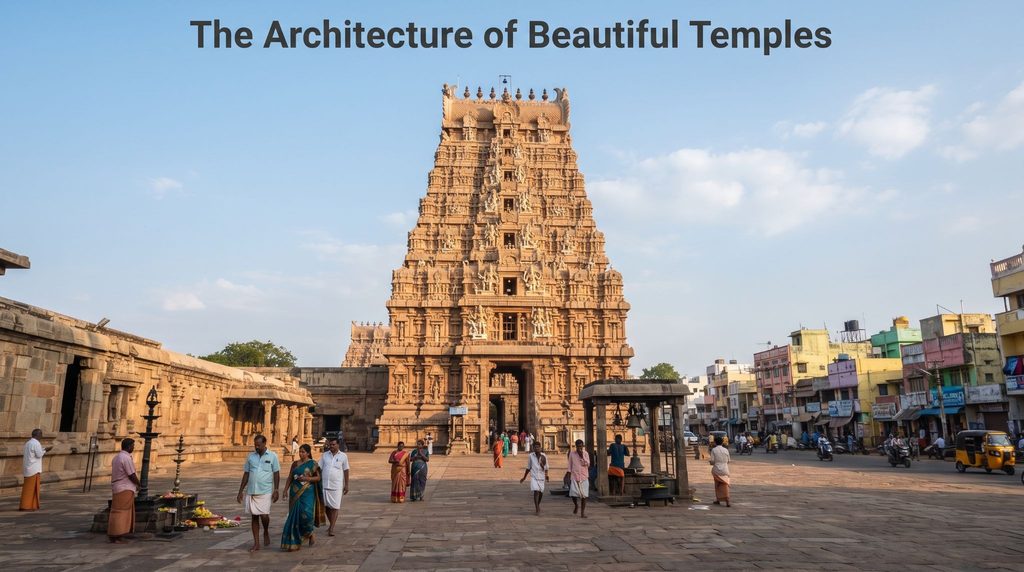
Temple architecture is often best understood by looking at its details rather than only its overall size. Roof shapes, gateways, columns, sculptures, courtyards and wall decorations can reveal the cultural influences behind a structure.
Stonework and Sculpture
Carved stone is one of the most enduring features of historic temples. Reliefs may depict religious stories, symbolic figures, animals or scenes connected with the culture of the period. The level of craftsmanship can be remarkable even when viewed from a distance.
Gardens and Sacred Spaces
In some traditions, the surrounding landscape is an important part of the experience. Gardens, ponds, trees and pathways can create a deliberate sense of calm. This relationship between nature and architecture is particularly noticeable at many Japanese temples.
Best Time to Visit Beautiful Temples
The ideal season depends on the destination because weather conditions vary significantly across countries and regions. In tropical destinations, travelers should consider rainfall and humidity when planning outdoor temple visits. In places with distinct seasons, spring and autumn can provide comfortable conditions for walking and sightseeing.
| Travel region | Conditions to consider | Planning tip |
| Southeast Asia | Heat, humidity and seasonal rain | Plan outdoor visits during comfortable parts of the day |
| Japan | Seasonal temperature changes | Spring and autumn are popular for sightseeing |
| India | Regional differences and summer heat | Check the local seasonal climate before traveling |
| Indonesia | Tropical weather and rainfall | Allow flexibility for changing conditions |
| Sri Lanka | Weather varies by region | Choose timing based on the specific area |
Early morning can be particularly pleasant for many temple visits because temperatures are often more comfortable and the atmosphere may be quieter. Always check the destination’s current opening arrangements and religious restrictions before visiting.
Cultural Etiquette at Beautiful Temples
Temples are active places of worship as well as tourist attractions. Respectful behavior is therefore essential. Visitors should dress appropriately and follow signs or instructions from temple staff.
At some religious sites, shoes must be removed before entering particular buildings. Photography may also be restricted in certain areas. Travelers should avoid interrupting ceremonies and should ask before photographing people engaged in religious activities.
A quiet and respectful approach generally makes the experience better for everyone. Even when a temple is crowded with visitors, taking a moment to observe local customs can make the visit more meaningful.
Photography Tips for Beautiful Temples
Temples provide exceptional opportunities for architectural photography, but the best photographs usually depend on patience rather than expensive equipment. Look for symmetry, repeating patterns, detailed carvings and interesting relationships between buildings and surrounding landscapes.
Morning and late afternoon light can add depth to architectural details. A wide view can communicate the scale of a complex while closer photographs can highlight craftsmanship that might otherwise go unnoticed.
Remember that photography rules differ between religious sites. Follow local restrictions and avoid using photography as a reason to enter areas that are not open to visitors.
Planning a Trip to Beautiful Temples
A little preparation can make temple visits considerably easier. Research the location, local transport options, dress expectations and photography rules before leaving your accommodation.
For larger complexes, comfortable walking shoes are useful. Carrying water can also be helpful in warm climates, provided the site allows it. If you plan to visit several temples in one day, avoid creating an overly ambitious schedule. The experience is often better when you have enough time to appreciate each place instead of rushing between landmarks.
Consider combining temples with nearby markets, museums, historic neighborhoods or natural attractions. This creates a broader understanding of the destination and allows you to experience more than one aspect of local culture.
Beautiful Temples and the Stories They Preserve
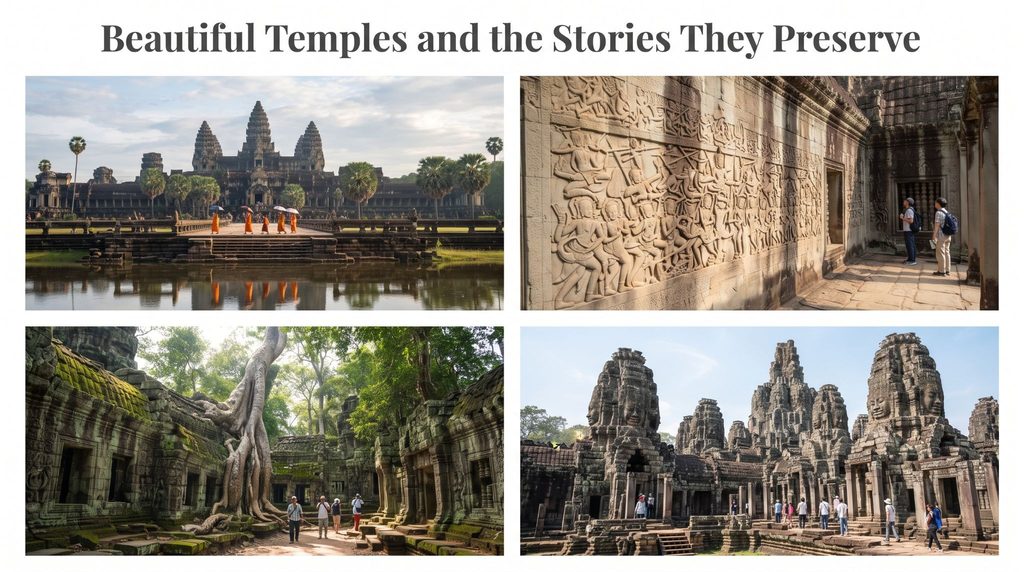
The greatest value of historic temples is not always visible in their walls. They preserve stories about the people who built them, the communities that maintained them and the beliefs that shaped their societies.
Some sites have changed dramatically over time while others remain active centers of worship. Understanding this history adds another layer to the visit. Before arriving, read a little about the temple’s origins and cultural significance. Even a small amount of background knowledge can make architectural details much easier to appreciate.
FAQs
What should I wear when visiting a temple?
Modest clothing is generally the safest choice. Some temples have specific requirements regarding covered shoulders, legs or footwear, so check local guidance before visiting.
Can tourists enter active temples?
Many active temples welcome visitors, but access can vary. Certain buildings or areas may be reserved for worshippers, ceremonies or religious activities.
Is photography allowed inside temples?
Photography policies differ by location. Some sites allow photography in designated areas while others restrict it inside certain buildings or during ceremonies.
How much time should I spend at a temple?
The right amount of time depends on the site’s size and your interests. Smaller temples may take less than an hour while major complexes can require several hours to explore comfortably.
What is the best way to learn about temple history?
Official site information, reputable museums, local guides and reliable historical sources can provide useful background. Learning about the site’s cultural context before visiting can greatly improve the experience.
Conclusion
Beautiful Temples are more than impressive landmarks. They are places where architecture, faith, history and local culture meet in ways that have survived for generations. From the enormous scale of Angkor Wat to the quiet elegance of Japanese temple gardens, each destination offers a different perspective on human creativity and devotion.
The most rewarding temple visits are rarely about seeing the largest building or taking the perfect photograph. They come from paying attention to the details, respecting local traditions and giving yourself enough time to understand the place. Choose a destination that genuinely interests you, travel thoughtfully and allow the experience to become part of the story of your journey.
Read More: Beautiful Lakes: A Guide to the World’s Most Breathtaking Lake Destinations

I am a travel enthusiast who loves exploring India’s beautiful destinations, culture, history, food, and hidden places. Through my travel website, I aim to help travelers discover amazing places in India and plan memorable trips with useful travel information and tips.