In Vijayawada, the Krishna River curves past Indrakeeladri Hill, where a celebrated shrine rises above the city and remains closely woven into its religious life. The setting is striking without feeling detached from everyday Vijayawada. Roads, river views, old neighbourhoods and the hill itself all come together around a place that has drawn pilgrims for generations. (Kanaka Durga Amma)
The presiding goddess is worshipped alongside Malleswara Swamy, and the temple is especially significant during Navarathri. For a visitor, the experience is about more than reaching a hilltop shrine. It is about understanding local traditions, seeing a living place of worship and taking time to appreciate the relationship between the temple, the river and the city below. (Kanaka Durga Amma)
Kanaka Durga Temple and Its Setting in Vijayawada
The shrine stands on Indrakeeladri Hill beside the Krishna River in Vijayawada, Andhra Pradesh. The temple administration identifies the site as the sacred abode of Sri Kanaka Durga and Malleswara Swamy and describes the hill as a distinctive setting where both deities are worshipped together. (Kanaka Durga Amma)
The elevated location gives visitors a different perspective of Vijayawada. The river and surrounding urban landscape provide a natural backdrop, while the temple precinct remains the central focus. This combination makes the site appealing to pilgrims as well as travellers interested in architecture, culture and religious heritage.
| Planning Detail | Information |
| City | Vijayawada, Andhra Pradesh |
| Location | Indrakeeladri Hill beside the Krishna River |
| Main deities | Sri Kanaka Durga and Malleswara Swamy |
| Official temple name | Sri Durga Malleswara Swamy Varla Devasthanam |
| Official website | kanakadurgamma.org |
Kanaka Durga Temple Through History and Legend
The history of the shrine is closely connected with traditions surrounding Indrakeeladri. The temple administration describes the hill as the chosen abode of Kanaka Durga and Malleswara Swamy and refers to both as Swayambhu, meaning self-existent. These traditions are part of the religious identity of the site rather than simply historical details. (Kanaka Durga Amma)
Local mythology adds another layer to the story. Different traditional accounts explain the goddess’s presence on the hill and the origin of her association with Vijayawada. Because these are religious traditions, travellers will encounter them as part of living faith rather than as claims that can be separated neatly from the cultural landscape.
The shrine’s long-standing importance is also reflected in the way Vijayawada’s identity is connected with the hill. The temple administration describes the goddess as the presiding deity of the city. (Kanaka Durga Amma)
Kanaka Durga Temple and Its Religious Significance
For devotees, the central experience is darshan, the auspicious viewing of the deity. The temple provides free darshan and also offers different seva and booking services. The official website states that certain sevas can be booked online while some are performed in person at the temple. (Kanaka Durga Amma)
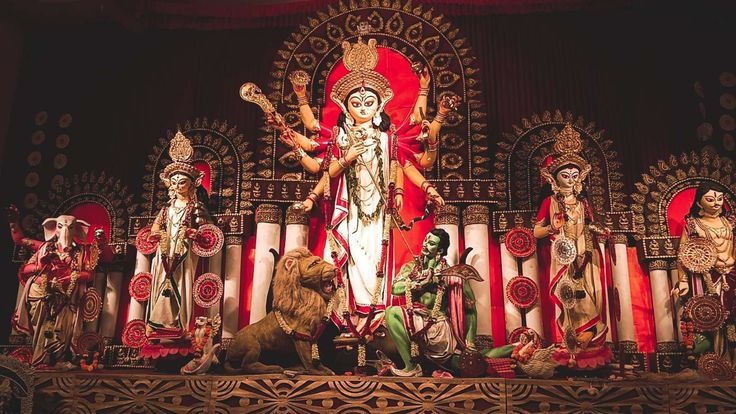
One distinctive feature highlighted by the temple administration is the positioning of Durga on the right side of Malleswara Swamy. The temple considers this arrangement significant in expressing the prominence of Shakti at Indrakeeladri. (Kanaka Durga Amma)
For travellers unfamiliar with temple customs, the best approach is simple: observe the pace of worship, follow instructions from temple staff and dress respectfully. The atmosphere is devotional rather than tourist-oriented, especially during major religious occasions.
Kanaka Durga Temple Architecture and Sacred Spaces
The hilltop setting immediately shapes the visual character of the shrine. The temple complex combines religious spaces with views across the surrounding city and river. Its architecture is best appreciated slowly rather than treated as a quick photo stop.
Visitors can look closely at the traditional decorative elements, entrances and religious imagery while moving through the permitted areas of the complex. Photography rules can vary by location, so it is sensible to follow posted instructions and staff guidance.
The relationship between architecture and setting is one of the site’s strongest qualities. The temple does not stand in isolation. The hill, Krishna River and urban landscape all form part of the visual experience.
Kanaka Durga Temple During Dasara and Other Festivals
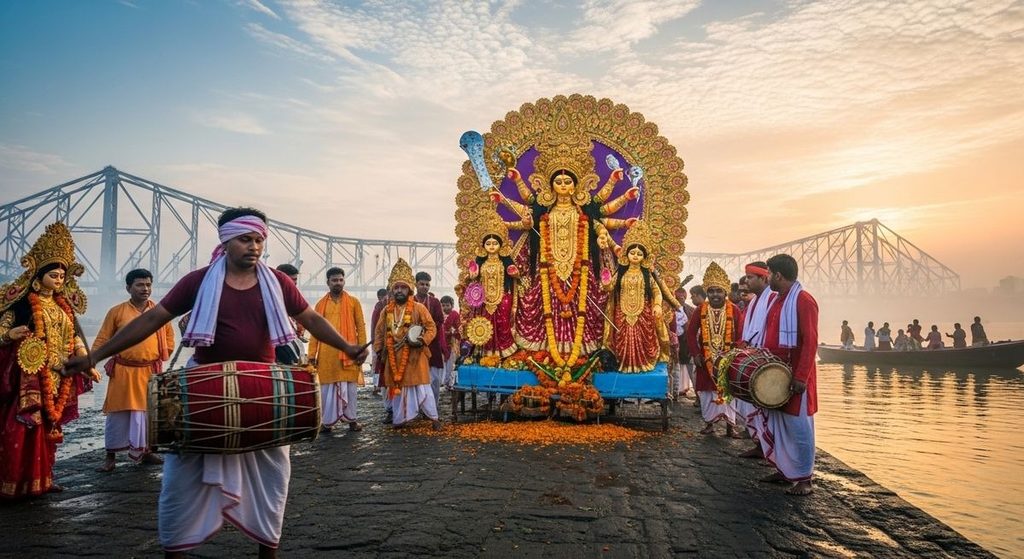
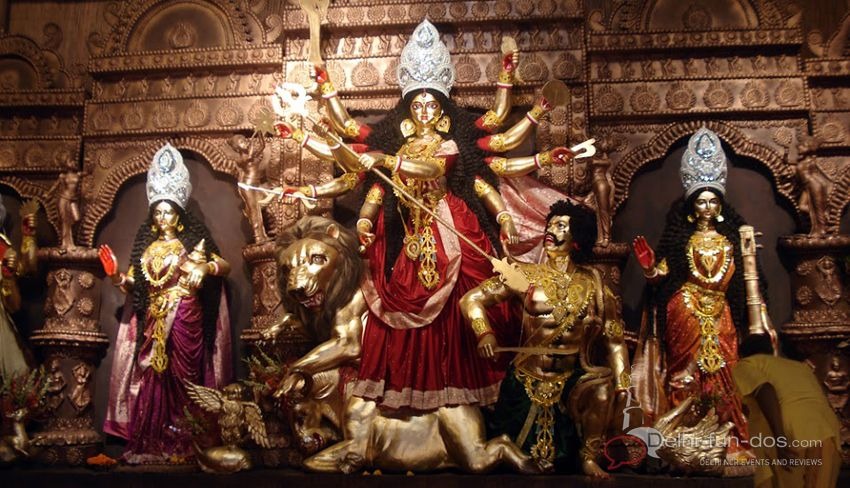
Navarathri and Dasara are particularly important at the shrine. The official temple website notes that the temple receives very large numbers of pilgrims during Navarathri, when celebrations take place with considerable religious fervour. (Kanaka Durga Amma)
Festival periods can transform the character of a visit. Religious activity becomes more prominent, crowds increase and arrangements for darshan and movement may differ from ordinary days. Anyone travelling specifically for a festival should check the temple’s current announcements before setting out because dates and arrangements can change.
| Festival or Occasion | What Visitors Can Expect |
| Navarathri and Dasara | Major devotional celebrations and very large pilgrim crowds |
| Regular worship days | A more typical temple visit with darshan and available services |
| Seva occasions | Some services may require advance booking or specific arrangements |
| Other temple events | Check current notices because schedules can change |
Kanaka Durga Temple Visitor Experience and Darshan
A first visit is easier when you allow enough time rather than trying to fit the shrine into a rushed city itinerary. The official temple website provides information about darshan, sevas, accommodation and pilgrim facilities. Darshan tickets may be purchased online or at the temple’s ticket counter according to the current official information. (Kanaka Durga Amma)
The temple also operates an information centre for pilgrim-related questions and provides facilities including prasadam and annaprasadam. (Kanaka Durga Amma)
Current timings, ticket arrangements and special access procedures should be checked shortly before your visit. Religious schedules can change during festivals, special occasions or administrative updates.
Kanaka Durga Temple Travel Planning and Connectivity
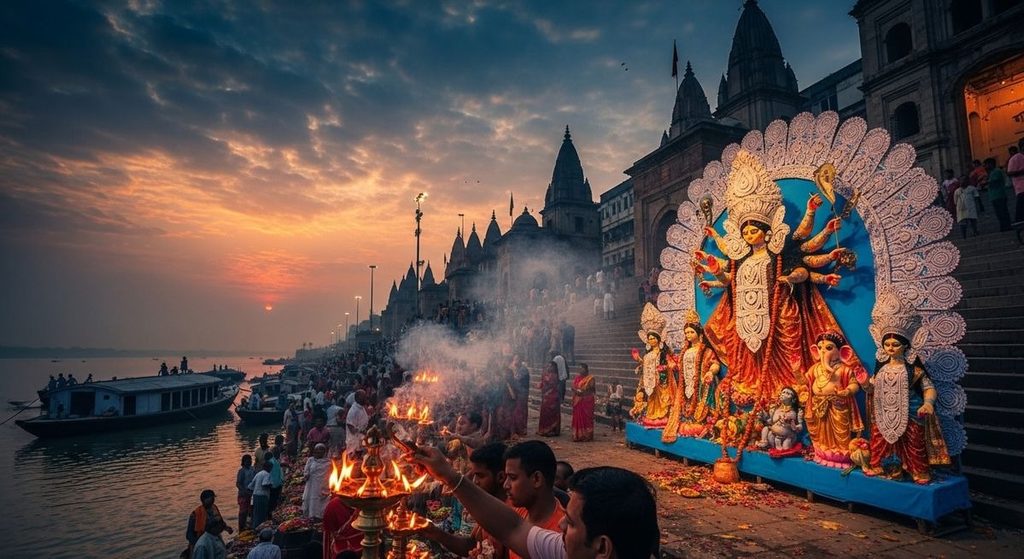
Vijayawada is one of Andhra Pradesh’s major transport centres, making the shrine relatively straightforward to include in a wider trip through the state. The temple’s official connectivity information lists road, rail and air options for reaching the city. (Kanaka Durga Amma)
The city is served by Vijayawada railway station, with the temple administration describing Vijayawada as a major railway junction connected by express and superfast trains. Vijayawada’s airport is at Gannavaram, with the temple’s official information placing it about 20 kilometres from the city. (Kanaka Durga Amma)
| Travel Option | Practical Information |
| Train | Vijayawada is a major railway junction with extensive rail connections |
| Road | APSRTC buses, taxis and auto rickshaws serve Vijayawada |
| Air | Vijayawada Airport is at Gannavaram, about 20 km from the city |
| Within the city | Local buses, taxis and auto rickshaws can be used for city travel |
Kanaka Durga Temple and Nearby Places to Explore
The shrine works well as one stop in a broader Vijayawada itinerary. The Krishna River is immediately relevant to the landscape, while the city’s other religious and cultural sites can add context to the visit.
The temple administration’s topographical information also identifies the Malleswara Swamy Temple and Vijayeswara Swamy Temple among Vijayawada’s ancient temples. (Kanaka Durga Amma)
Rather than filling the day with too many attractions, consider combining the hilltop shrine with a small selection of nearby places. This leaves enough time to experience the temple without turning a religious visit into a rushed sightseeing circuit.
Best Time to Visit Kanaka Durga Temple
For comfortable sightseeing, the cooler part of the year is generally easier than the hottest months. October is particularly significant for travellers interested in Navarathri and Dasara, but this is also when the shrine can become exceptionally crowded.
If your priority is a quieter visit, avoid planning solely around major festival days. The monsoon period can bring rain, while summer in Vijayawada can be hot. Festival dates follow the religious calendar and should be confirmed through official temple announcements before booking travel.
The best choice therefore depends on your purpose. Choose the festival season for its intense devotional atmosphere, or a less crowded period if you want more time to observe the complex at a relaxed pace.
Kanaka Durga Temple Tips for a Smoother Visit
A little preparation makes the experience considerably easier.
- Check the official temple website for current darshan, seva and festival information before travelling.
- Dress modestly and follow the temple’s current visitor instructions.
- Allow extra time during Navarathri and other major religious occasions.
- Keep valuables to a minimum and follow any security procedures at the entrance.
- Do not assume that photography is permitted everywhere inside the complex.
- If you want a specific seva, check its booking requirements in advance.
- For transport planning, remember that festival traffic can affect normal city travel.
The temple administration also provides online services and an information centre for pilgrims, so official sources are preferable to relying on old travel information. (Kanaka Durga Amma)
Frequently Asked Questions
Is Kanaka Durga Temple worth visiting in Vijayawada?
Yes. It is an important religious landmark with a distinctive hilltop setting beside the Krishna River and strong connections to Vijayawada’s cultural identity.
Where is the shrine located?
It is located on Indrakeeladri Hill in Vijayawada, Andhra Pradesh, beside the Krishna River. (Kanaka Durga Amma)
Can visitors book darshan online?
The temple’s official website provides online darshan booking facilities, while its current information also states that tickets can be purchased at the temple counter. Availability and arrangements can change. (Kanaka Durga Amma)
When is the busiest time to visit?
Navarathri and Dasara are among the busiest periods because the shrine attracts very large numbers of pilgrims during the celebrations. (Kanaka Durga Amma)
How can travellers reach Vijayawada?
Vijayawada can be reached by road, rail and air. The temple administration identifies the city as a major railway junction and lists Vijayawada Airport at Gannavaram as the city’s air connection. (Kanaka Durga Amma)
Conclusion
A visit to this hilltop shrine is best understood as an encounter with the living religious character of Vijayawada. The setting beside the Krishna River, the traditions surrounding Indrakeeladri and the continuing importance of worship give the place a depth that goes beyond its architecture.
Plan around your own priorities, check current temple information before travelling and allow enough time to experience the surroundings without rushing. For travellers exploring Andhra Pradesh, this is one of those places where the location itself becomes part of the story.
Read More:Dwarka Temple: A Complete Travel Guide to the Sacred Dwarkadhish Temple

I am a travel enthusiast who loves exploring India’s beautiful destinations, culture, history, food, and hidden places. Through my travel website, I aim to help travelers discover amazing places in India and plan memorable trips with useful travel information and tips.