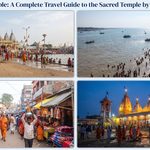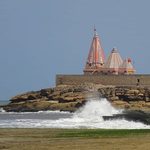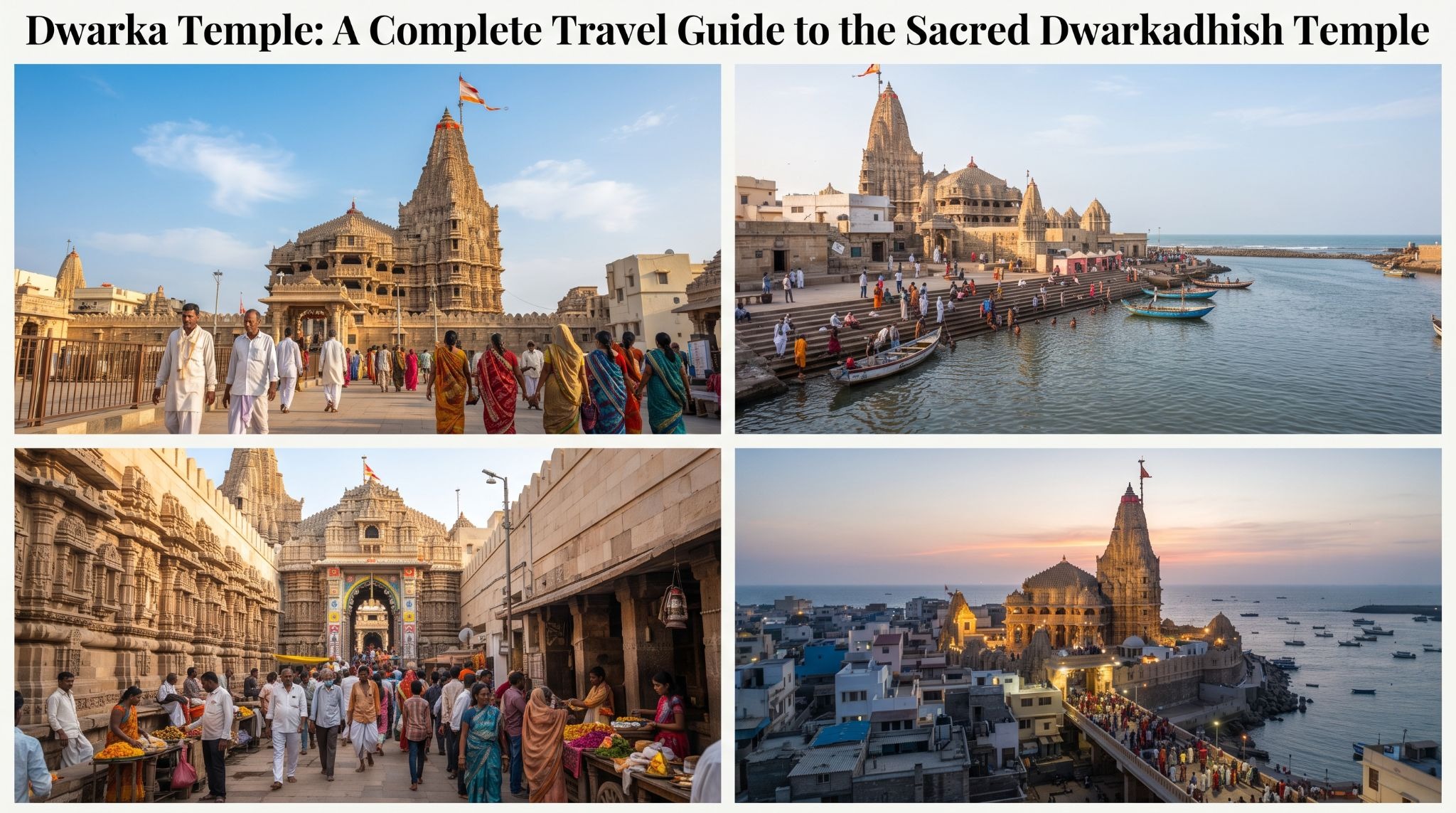
Standing near the western edge of Gujarat, Dwarka Temple is one of the most revered pilgrimage sites in India and a place where mythology, devotion and coastal landscapes come together. The temple is dedicated to Lord Krishna and is traditionally associated with Dwarka, the ancient city believed to have been his kingdom. For travelers, the experience is not only about entering a historic shrine. It is also about walking through an old pilgrimage town, watching rituals unfold and discovering the spiritual atmosphere around the Arabian Sea.
A visit to Dwarka offers a different rhythm from a typical sightseeing trip. The streets around the temple become especially lively during worship hours, while nearby sacred sites invite visitors to explore the wider religious heritage of the region. Whether you are traveling as a pilgrim, a history enthusiast or someone interested in India’s cultural traditions, a little planning can make your journey more comfortable and meaningful.
Why Visit Dwarka Temple
The main shrine is widely known as Dwarkadhish Temple or Jagat Mandir. It is traditionally connected with Lord Krishna and is considered one of the Char Dham pilgrimage destinations in Hindu tradition. The present temple complex reflects centuries of religious activity and architectural development.
One of the most striking features is the tall shikhara rising above the surrounding town. The temple’s flag is changed as part of its distinctive devotional traditions, adding to the visual character of the shrine.
Beyond architecture, the atmosphere is what many visitors remember most. Devotees gather for darshan, prayers and temple rituals, while the surrounding lanes carry the sounds and movement of a busy pilgrimage center.
History and Architecture of Dwarka Temple
The history of the sacred city is closely linked with traditions surrounding Lord Krishna. Hindu scriptures and local traditions describe Dwarka as an important city associated with Krishna’s reign. Over the centuries, the area developed into a major pilgrimage destination.
The present Dwarkadhish shrine has undergone construction and renovation across different periods, making it difficult to attribute everything visitors see today to a single historical era. Its architectural form is associated with the Nagara style, particularly through its soaring tower and richly detailed stonework.
The temple stands several stories above the surrounding streets and is traditionally described as having numerous carved elements. Its location within the old city gives the visit a strong sense of place because the temple is not isolated from daily life. Shops, pilgrims and narrow streets surround the sacred complex.
| Feature | What Visitors Can Expect |
| Main deity | Lord Krishna as Dwarkadhish |
| Traditional name | Jagat Mandir |
| Architectural character | Nagara style temple architecture |
| Location | Dwarka in Gujarat |
| Religious importance | Associated with Char Dham pilgrimage tradition |
Spiritual Experiences at Dwarka Temple
For many visitors, darshan is the central purpose of the journey. The experience can vary depending on the day, season and religious calendar, so it is sensible to check the latest temple arrangements before traveling.
Morning and evening worship periods can bring a particularly strong sense of devotion. Rather than rushing through the visit, take a moment to observe the rituals, listen to the devotional sounds and appreciate the relationship between the temple and the community around it.
Visitors should dress respectfully and follow instructions given by temple authorities. Photography and other visitor practices may be restricted inside certain areas, so it is best to follow the rules rather than assuming that cameras or phones are permitted everywhere.
Best Time to Visit Dwarka Temple
Dwarka can be visited throughout the year, but the climate makes the cooler months generally more comfortable for exploring the town and nearby attractions. The period from roughly October through March is often preferred by travelers because temperatures are more pleasant than during the hottest part of summer.
The monsoon can bring changes in weather and coastal conditions. Summer tends to be hotter, particularly during the daytime, although the temple remains an important pilgrimage destination.
Major Hindu festivals can transform the town with larger crowds and elaborate celebrations. These periods can be rewarding for travelers interested in experiencing religious culture, but anyone seeking a quieter visit should consider traveling outside major festival dates.
| Travel Period | General Conditions | Best For |
| October to March | Cooler and more comfortable | Temple visits and sightseeing |
| April to June | Hotter weather | Travelers comfortable with heat |
| July to September | Monsoon influence | Coastal atmosphere and flexible travel |
| Major festivals | Much busier | Festival and religious experiences |
How to Reach Dwarka Temple
Dwarka is well connected to other parts of Gujarat by road and rail. Dwarka railway station serves the town and is useful for travelers arriving by train. The city is also connected by road with major destinations in Gujarat.
For travelers arriving by air, Jamnagar is one of the airports commonly considered for reaching Dwarka, although the onward journey still requires road travel. Rajkot and other regional transport options may also be relevant depending on the traveler’s route and current services.
Once in Dwarka, the temple area is within the town and can be reached using local transport. Many nearby religious sites can also be visited as part of a local sightseeing route.
| Transport Option | Practical Information |
| Train | Dwarka has its own railway station |
| Road | Connected by road with major Gujarat destinations |
| Air | Jamnagar is a commonly used nearby airport option |
| Local travel | Auto rickshaws, taxis and other local transport may be available |
Places to See Near Dwarka Temple
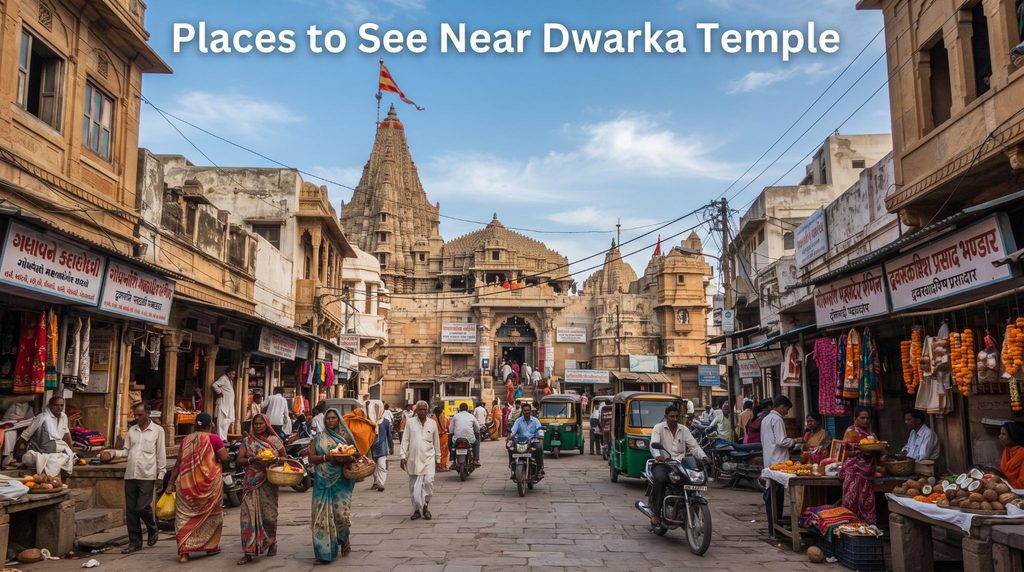
The temple is only part of the wider pilgrimage landscape. Dwarka’s other attractions allow visitors to understand why the city has such a strong place in Hindu tradition.
Gomti Ghat
Gomti Ghat lies close to the temple and is an important place for pilgrims. The steps lead toward the Gomti River as it meets the sea, creating a memorable setting for an early morning or evening visit.
Sudama Setu
The pedestrian suspension bridge known as Sudama Setu provides access toward the area around the river and nearby attractions. It is also a useful place to enjoy views of the surrounding landscape.
Rukmini Devi Temple
Located outside the main temple area, the Rukmini Devi Temple is dedicated to Rukmini, traditionally regarded as Krishna’s wife. Its carved exterior makes it an interesting addition to a Dwarka sightseeing itinerary.
Nageshwar Jyotirlinga
Nageshwar is an important Shiva pilgrimage site located in the wider Dwarka region. It is traditionally counted among the twelve Jyotirlinga shrines and is frequently included in pilgrimage tours around Dwarka.
Things to Do Around Dwarka Temple
A good trip does not have to be limited to temple visits. Spend time walking through the older parts of town, visit the ghats and explore the surrounding religious sites at an unhurried pace.
Bet Dwarka is another significant destination associated with Krishna traditions. Reaching it involves traveling beyond the main town, and visitors should check current ferry and transport arrangements before setting out because coastal services can change with conditions.
Dwarka Beach can also provide a quieter contrast to the busy temple area. The coast is better appreciated as a place for views and atmosphere rather than as the main focus of a pilgrimage visit.
Practical Tips for Visiting Dwarka Temple
Planning around crowds and local customs can make the experience much easier. Keep your belongings secure and carry only what you need when visiting the temple area.
Wear comfortable clothing suitable for a religious setting and comfortable footwear for walking around the town. Follow temple instructions regarding queues, footwear, photography and access to different areas.
It is also wise to allow enough time for nearby attractions instead of trying to cover everything in a few rushed hours. If your journey coincides with a major festival, expect greater demand for transport and accommodation.
Where to Stay Near Dwarka Temple
Dwarka has accommodation options ranging from simple guesthouses and budget hotels to more comfortable properties. Staying near the temple can be convenient for visitors who want easier access to early morning or evening worship.
Those who prefer a quieter environment can consider properties farther from the busiest temple streets. When choosing accommodation, consider walking distance, transport availability and the type of pilgrimage or sightseeing schedule you have planned.
Dwarka Temple Travel Experience for First-Time Visitors
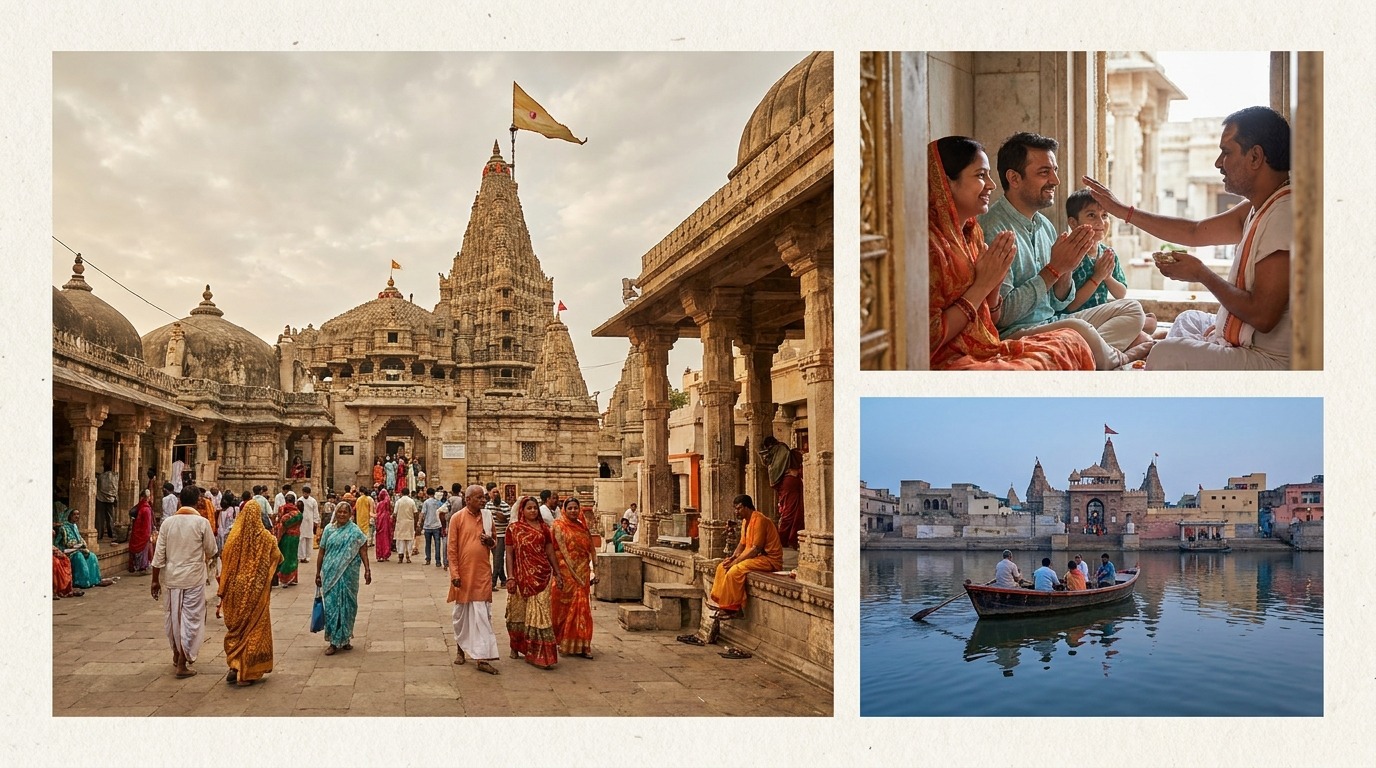
A first visit is easier when you treat Dwarka as both a pilgrimage town and a destination with a living cultural identity. The temple deserves time and attention, but the surrounding ghats, smaller shrines and coastal landscape add depth to the journey.
Avoid trying to judge the experience only by how many attractions you manage to see. The strongest impression often comes from simple moments such as standing beside the Gomti, watching pilgrims move toward the shrine or seeing the temple tower above the old streets.
What to Keep in Mind
Respect local customs, expect crowds during important religious occasions and confirm current temple arrangements before your visit. Conditions, access rules and transportation services can change, so official local information is always preferable to relying on outdated travel details.
FAQs
Is Dwarka Temple the same as Dwarkadhish Temple?
Yes. The main Krishna temple in Dwarka is commonly called Dwarkadhish Temple and is also known as Jagat Mandir.
How much time should I allow for a Dwarka trip?
A full day can cover the main temple and several nearby attractions, while two or more days allow a more relaxed visit and time for destinations farther from the town center.
Can non-Hindus visit the temple?
Access rules can be specific to the temple and may change. Visitors should check the current rules with temple authorities before planning their visit.
What should I wear when visiting the shrine?
Modest and respectful clothing is the safest choice. Visitors should also follow any dress or entry requirements communicated by temple authorities.
What other religious sites can be visited nearby?
Rukmini Devi Temple and Nageshwar Jyotirlinga are among the well-known religious attractions around Dwarka. Bet Dwarka is another important destination associated with Krishna traditions.
Conclusion
Dwarka is more than a famous temple on India’s western coast. It is a living pilgrimage destination where sacred traditions, historic architecture, local life and the sea come together. The Dwarkadhish shrine provides the spiritual heart of the journey, while Gomti Ghat, Rukmini Devi Temple, Nageshwar and Bet Dwarka help reveal the wider character of the region.
For the best experience, travel with patience, respect local customs and leave enough time to explore beyond the main shrine. A well-planned visit allows you to experience not just a celebrated place of worship, but the atmosphere and heritage of one of India’s most important pilgrimage towns.
Read More:Guruvayur Temple: A Spiritual Journey Through Kerala’s Sacred Krishna Temple

I am a travel enthusiast who loves exploring India’s beautiful destinations, culture, history, food, and hidden places. Through my travel website, I aim to help travelers discover amazing places in India and plan memorable trips with useful travel information and tips.