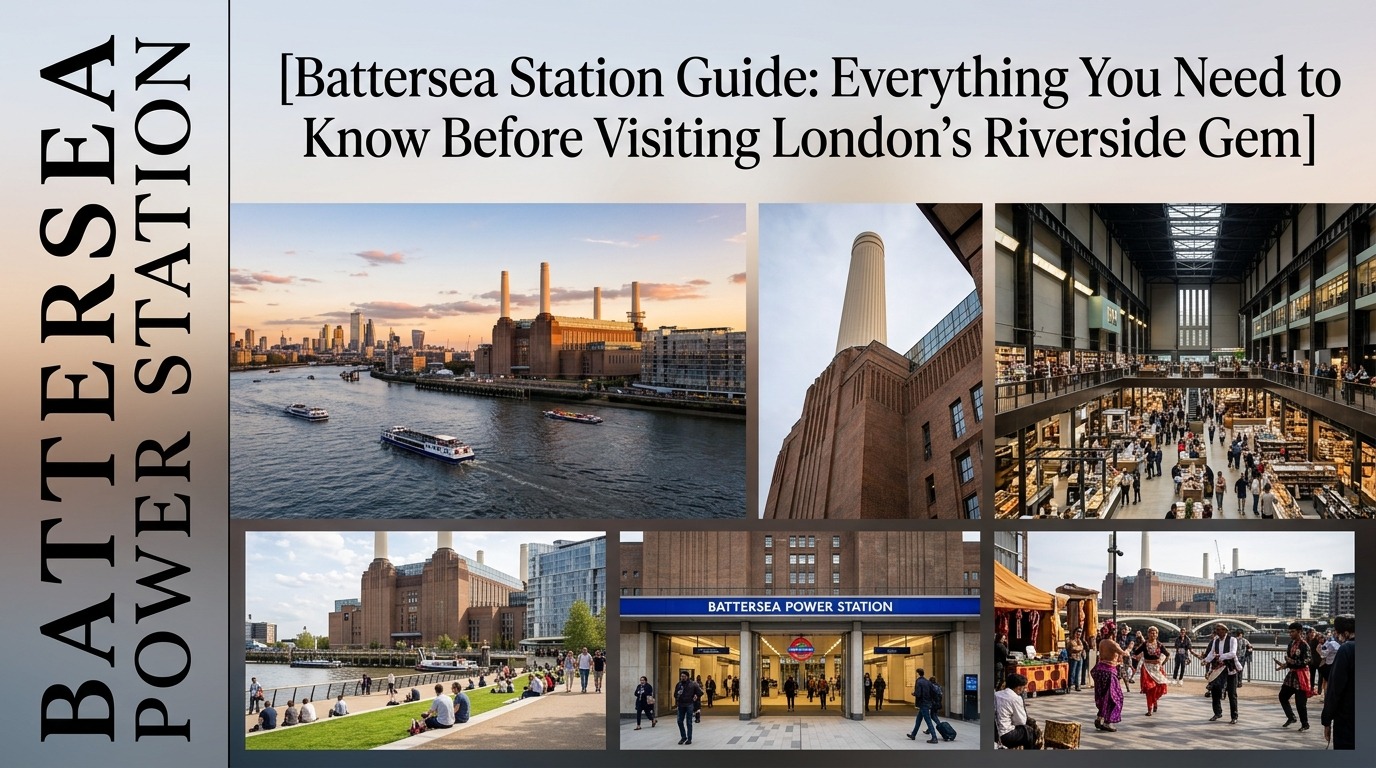
London has a remarkable way of reinventing itself. While many travelers head straight for its world-famous landmarks, some of the city’s most memorable experiences are waiting in neighborhoods that have quietly transformed over the years. One such place is Battersea. Once associated mainly with industry and the famous power station, it has become one of London’s most exciting places to explore. This Battersea Station Guide is designed to help you uncover everything the area has to offer, whether you’re visiting for a few hours or planning to spend an entire day discovering its riverside charm.
What makes Battersea special isn’t just its impressive architecture or excellent transport links. It’s the atmosphere. The neighborhood feels modern without losing its history, lively without being overwhelming, and welcoming to visitors of every age. From peaceful walks beside the River Thames to stylish cafés, independent shops, and beautifully restored landmarks, this Battersea Station Guide will help you experience one of London’s fastest-growing destinations like a local.
Where Is Battersea Station?
Battersea Station is located in southwest London, serving the vibrant Battersea district on the southern side of the River Thames. Thanks to the Northern Line Extension, reaching the area has become much easier, connecting visitors directly with one of the city’s newest cultural and lifestyle destinations.
The station sits only a short walk from Battersea Power Station, making it the ideal starting point for exploring the neighborhood. Once you leave the station, you’ll find yourself surrounded by wide pedestrian streets, modern public spaces, riverside walkways, and beautifully restored historic buildings that immediately showcase the area’s transformation.
Whether you’re arriving from central London or another part of the city, the journey is simple, making Battersea an easy addition to almost any London itinerary.
Why Battersea Has Become One of London’s Most Popular Neighborhoods
Not long ago, Battersea was rarely included in traditional sightseeing guides. Today, it has become one of the capital’s most talked-about destinations, attracting visitors who want to experience a different side of London.
The neighborhood offers something that many busy tourist areas cannot: space to breathe. Wide walkways, landscaped gardens, riverside paths, and thoughtfully designed public areas create a relaxed atmosphere where visitors can explore at their own pace.
At the same time, Battersea remains full of energy. New restaurants continue to open, cultural events take place throughout the year, and the restored power station has become a destination in its own right. This balance between excitement and relaxation gives the area its unique personality.
The Story Behind Battersea’s Transformation
Every neighborhood has a history, but Battersea’s journey is particularly remarkable.
For much of the nineteenth and twentieth centuries, Battersea was known as an industrial district. Factories, railway lines, and warehouses shaped the local landscape, while the River Thames played a vital role in transporting goods throughout the city.
The most famous landmark to emerge during this period was Battersea Power Station. Completed in stages during the twentieth century, its distinctive Art Deco design and four iconic chimneys soon became one of London’s best-known architectural symbols.
When the power station stopped generating electricity, its future remained uncertain for many years. Thankfully, extensive restoration preserved the building while introducing new life through shops, restaurants, offices, entertainment spaces, and public attractions. Today, the neighborhood stands as one of Europe’s most successful examples of urban regeneration.
Preserving History While Looking Forward
Rather than replacing the area’s industrial past, the redevelopment has embraced it. Original brickwork, steel structures, and historic architectural details remain visible throughout the district, allowing visitors to appreciate Battersea’s heritage while enjoying its modern facilities.
Getting to Battersea Station
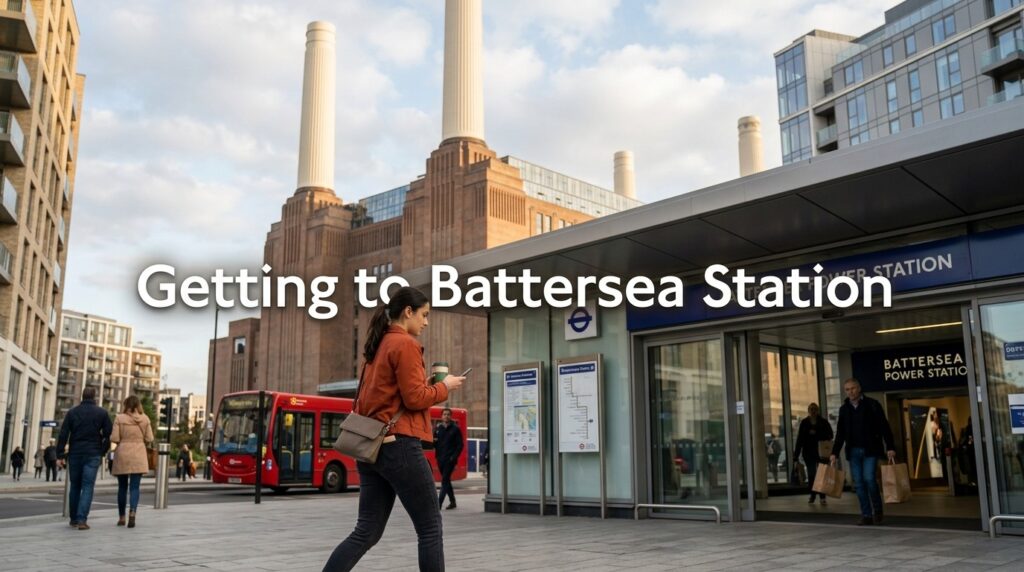
One of the biggest advantages highlighted in any Battersea Station Guide is how easy the area is to reach.
By Underground
The Northern Line provides fast and convenient access from many of London’s busiest districts, making Battersea easily accessible for both tourists and local residents.
By Bus
Several London bus routes stop close to the station, offering an affordable way to travel while enjoying views of different neighborhoods along the journey.
By River Boat
Visitors looking for a more scenic experience can arrive by river service. Traveling along the Thames offers unique views of London’s skyline before reaching Battersea’s waterfront.
By Bicycle
Dedicated cycling routes and bike hire services make Battersea an excellent destination for visitors who enjoy exploring the city on two wheels.
First Impressions of Battersea Station
One of the first things visitors notice after stepping out of Battersea Station is the sense of openness. Unlike many busy transport hubs, the surrounding streets feel spacious and inviting. Modern architecture blends naturally with restored historic buildings, while carefully designed public squares create comfortable places to stop and take in the surroundings.
As you walk toward Battersea Power Station, the famous white chimneys gradually come into view. Seeing the landmark up close is impressive, even for travelers who have admired it only in photographs.
The area also feels exceptionally walkable. Wide pavements, clear signs, landscaped gardens, and traffic-calmed streets make exploring easy, whether you’re traveling alone, with friends, or as a family.
Exploring Battersea Power Station
No Battersea Station Guide would be complete without spending time at the neighborhood’s most famous attraction.
The restored Battersea Power Station has become one of London’s most remarkable destinations, combining history, shopping, dining, entertainment, and architecture under one roof. Instead of feeling like a traditional shopping centre, the building retains much of its original industrial character, creating an atmosphere unlike anywhere else in the city.
Visitors often spend several hours wandering through its spacious interior, admiring preserved architectural details while discovering stylish boutiques, cafés, restaurants, bookstores, and lifestyle stores.
Shopping Inside the Landmark
The shopping experience is carefully curated, featuring well-known international brands alongside independent retailers. Whether you’re looking for fashion, beauty products, home décor, gifts, or unique souvenirs, there’s something to suit every interest.
Places to Eat and Relax
Food is another highlight of the power station. From artisan coffee shops serving freshly baked pastries to elegant restaurants overlooking the River Thames, there are dining options for every budget and occasion. Many visitors choose to take a break on one of the outdoor terraces, enjoying the riverside atmosphere before continuing their exploration.
Enjoy a Riverside Walk Along the Thames
One of the simplest yet most rewarding experiences in Battersea is taking a walk beside the River Thames. The riverside promenade has been thoughtfully designed with wide pathways, landscaped gardens, seating areas, and uninterrupted views across the water. It’s the kind of place where you naturally slow your pace, whether you’re stopping to admire the skyline, watching boats drift by, or simply enjoying the fresh air.
Early mornings are peaceful, making them ideal for photography or a quiet stroll before the crowds arrive. By afternoon, the area becomes livelier as families, cyclists, and visitors gather along the waterfront. In the evening, the reflections of London’s lights on the river create a beautiful setting that feels both relaxing and unforgettable.
Unlike some of the busier riverside locations in central London, Battersea still offers a sense of calm, allowing visitors to appreciate the city’s beauty without feeling rushed.
Spend Time in Battersea Park
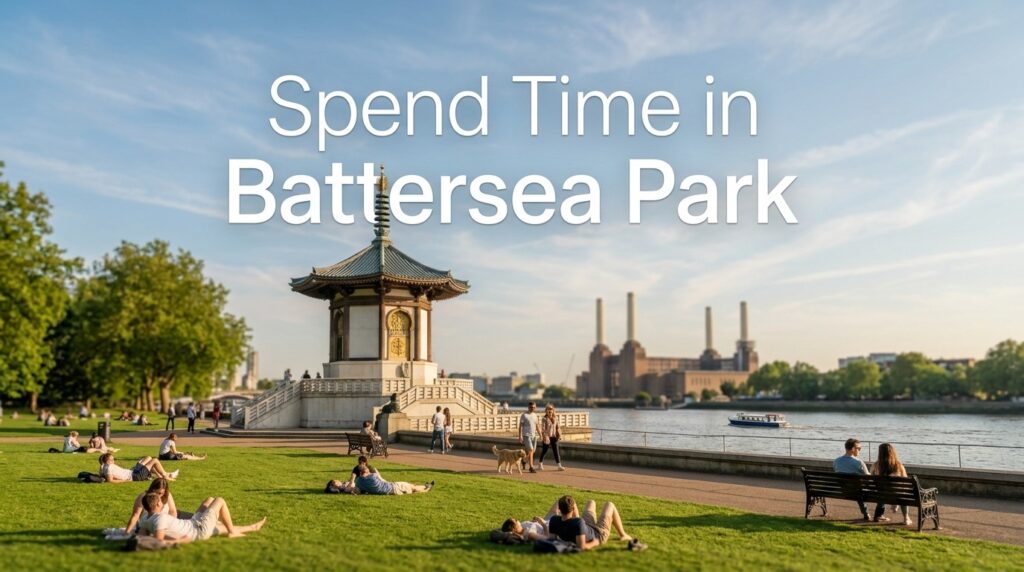
Just a few minutes from the station lies Battersea Park, one of London’s most attractive green spaces. Stretching alongside the Thames, the park provides a welcome contrast to the modern buildings surrounding it.
Visitors come here for many reasons. Some enjoy a leisurely picnic on the open lawns, while others prefer walking beneath the tree-lined paths or relaxing beside the peaceful lake. Families appreciate the playgrounds, joggers make use of the scenic running routes, and photographers often visit throughout the year to capture the changing seasons.
Spring fills the gardens with colorful flowers, summer brings outdoor activities and longer evenings, autumn paints the trees in shades of gold, and winter offers a quieter atmosphere that’s perfect for a peaceful escape.
Hidden Corners to Discover
Although many people visit the park for a short walk, taking a little extra time reveals beautifully maintained gardens, sculptures, riverside viewpoints, and charming cafés where you can pause with a coffee before continuing your day.
Discover the Local Food Scene
One of the highlights of following this Battersea Station Guide is experiencing the neighborhood’s impressive collection of cafés and restaurants.
The area has become known for its variety rather than just its quantity. Independent coffee shops serve freshly roasted coffee and homemade pastries, while riverside restaurants offer everything from classic British dishes to Italian, Japanese, Mediterranean, and Middle Eastern cuisine.
Whether you’re looking for a quick breakfast, a relaxed lunch, or a memorable evening meal, you’ll find plenty of options within walking distance of the station.
Riverside Dining Experience
Many restaurants feature outdoor seating with views of the Thames, making mealtimes just as enjoyable as the food itself. Watching the river while sharing a meal is one of those simple experiences that often becomes a favorite memory of visiting Battersea.
Shopping Beyond the Main Attractions
While Battersea Power Station attracts most shoppers, the surrounding streets are equally worth exploring.
Independent boutiques, lifestyle stores, home décor shops, and artisan retailers add character to the neighborhood. Rather than rushing through large shopping centres, visitors can browse unique collections, discover locally designed products, and enjoy a slower, more enjoyable shopping experience.
Throughout the year, seasonal markets and pop-up events introduce handmade crafts, fresh produce, and specialty foods that showcase London’s creative community.
Best Time to Follow This Battersea Station Guide
Battersea is a destination that offers something special in every season.
Spring is ideal for visitors who enjoy gardens in bloom and pleasant walking weather. Summer brings outdoor dining, riverside events, and longer daylight hours that allow plenty of time for sightseeing.
Autumn is perfect for photographers, especially in Battersea Park, where colorful leaves transform the landscape. Winter creates a festive atmosphere with decorative lights, seasonal displays, and cozy cafés that invite visitors to warm up after exploring outdoors.
If you prefer fewer crowds, weekdays usually provide a more relaxed experience than weekends.
Helpful Travel Tips for Visitors
A little planning can help you make the most of your visit.
Wear comfortable footwear because much of Battersea is best explored on foot. The neighborhood has been designed to encourage walking, and many attractions are only a few minutes apart.
Using a contactless payment card or an Oyster card makes traveling around London simple and efficient. If photography is on your itinerary, aim to visit early in the morning or shortly before sunset when natural lighting is at its best.
Most visitors spend at least half a day exploring the area, although an entire day allows enough time to enjoy shopping, dining, riverside walks, and Battersea Park without feeling hurried.
Nearby Places Worth Exploring
One of the advantages of Battersea’s location is its proximity to several of London’s best-known neighborhoods.
Chelsea is just across the river and is famous for its elegant streets, boutique shopping, and stylish cafés. Westminster is easily reached by Underground and offers world-famous landmarks, while Pimlico provides quieter residential streets and attractive riverside views.
Many travelers include Battersea as part of a full-day London itinerary because excellent transport connections make moving between attractions quick and convenient.
Why Battersea Continues to Impress Visitors
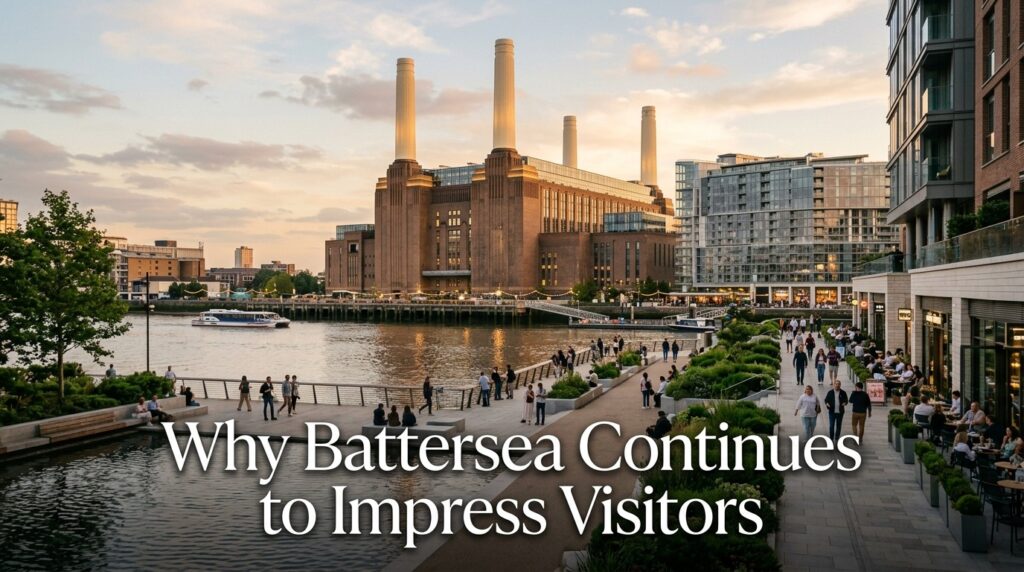
What makes Battersea memorable isn’t simply one attraction or one famous building. It’s the way everything fits together.
Historic architecture, thoughtfully designed public spaces, excellent restaurants, riverside scenery, and modern shopping create an atmosphere that feels authentic rather than overly commercial. Visitors are free to explore at their own pace, discovering something new around almost every corner.
Whether you’re interested in architecture, photography, local food, shopping, or simply experiencing a different side of London, Battersea offers an enjoyable balance between history and contemporary city life.
FAQs
Where is Battersea Station located?
Battersea Station is located in southwest London and provides easy access to Battersea Power Station, Battersea Park, and the surrounding riverside district.
Is Battersea Station worth visiting?
Yes. Battersea has become one of London’s most popular neighborhoods thanks to its historic landmarks, riverside setting, excellent restaurants, shopping, and relaxing atmosphere.
How do I get to Battersea Station?
The station is served by the Northern Line, while buses, river services, taxis, and cycling routes also provide convenient access.
How long should I spend exploring Battersea?
Most visitors spend between four and six hours exploring the neighborhood, including the power station, riverside walks, restaurants, and Battersea Park.
What is the main attraction near Battersea Station?
The main attraction is Battersea Power Station, a beautifully restored historic landmark that now features shopping, dining, entertainment, and spectacular riverside views.
Conclusion
This Battersea Station Guide shows why the neighborhood has become one of London’s most exciting destinations. What was once an industrial district has evolved into a vibrant riverside community where history and modern living exist side by side. Excellent transport connections, beautifully restored architecture, welcoming public spaces, outstanding restaurants, and relaxing riverside walks make Battersea a place that’s easy to enjoy and difficult to forget. Whether you’re visiting London for the first time or returning to explore beyond the usual tourist attractions, Battersea offers an experience that feels genuine, memorable, and uniquely London.
Read More:Battersea Station London: A Complete Travel Guide to London’s Revitalized Riverside Destination

I am a travel enthusiast who loves exploring India’s beautiful destinations, culture, history, food, and hidden places. Through my travel website, I aim to help travelers discover amazing places in India and plan memorable trips with useful travel information and tips.