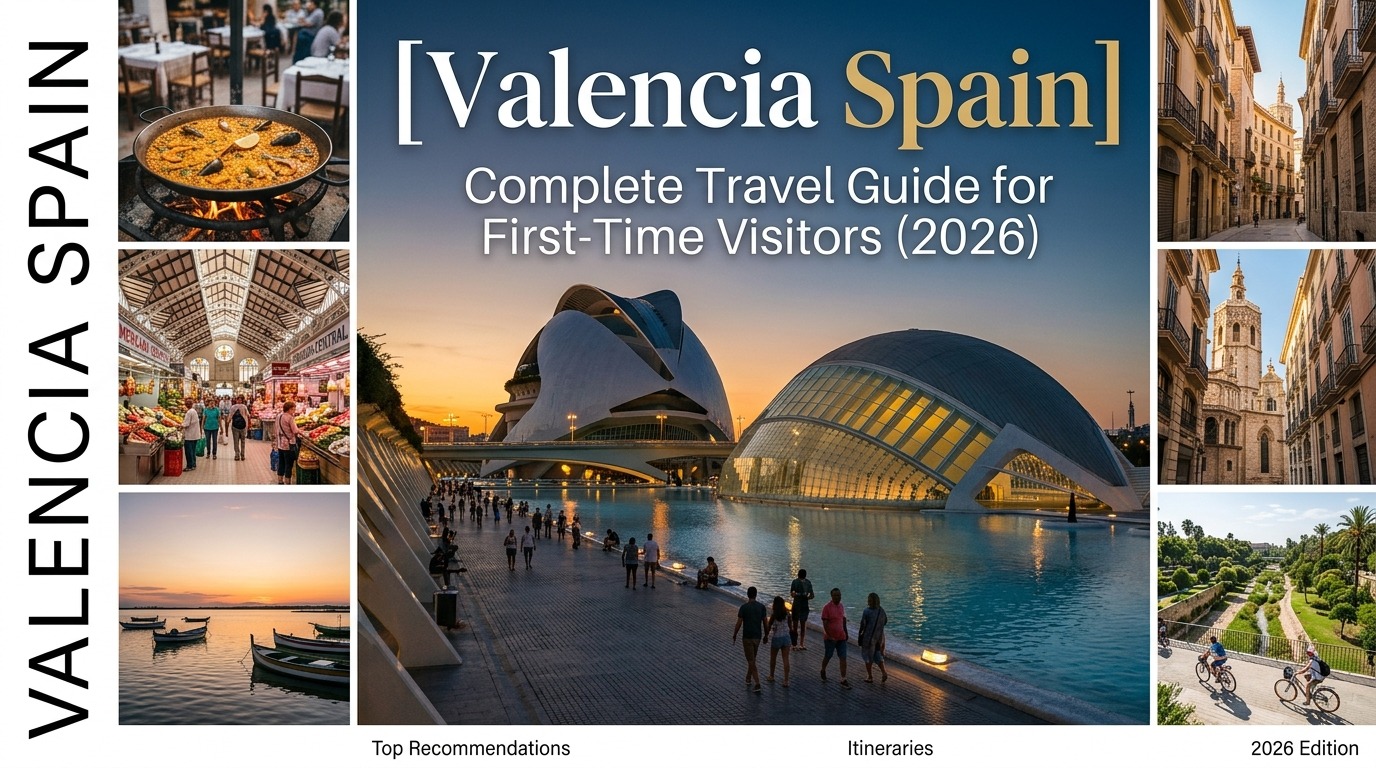
Valencia Spain is one of Europe’s most exciting travel destinations, combining centuries of history with modern architecture, golden beaches, world-famous cuisine, and a vibrant Mediterranean lifestyle. Located on Spain’s eastern coast, Valencia is the country’s third-largest city and offers visitors a perfect balance between cultural attractions and relaxing seaside experiences.
Unlike the busier tourist centers of Madrid and Barcelona, Valencia Spain provides a more relaxed atmosphere while still delivering incredible sightseeing opportunities. Travelers can explore medieval streets, futuristic buildings, bustling markets, stunning parks, and beautiful beaches all within the same city. Whether you’re visiting for a weekend getaway or planning a longer Spanish adventure, Valencia offers unforgettable experiences for every type of traveler.
Why Visit Valencia Spain?
Valencia has become one of the fastest-growing tourist destinations in Europe. The city attracts millions of visitors each year thanks to its pleasant climate, rich history, and diverse attractions.
Some reasons travelers choose Valencia include:
- Beautiful Mediterranean beaches
- World-famous paella cuisine
- Historic Old Town
- Modern architectural landmarks
- Family-friendly attractions
- Excellent public transportation
- Year-round sunshine
- Affordable prices compared to Barcelona and Madrid
The city’s unique blend of old and new creates an atmosphere that appeals to history lovers, food enthusiasts, beachgoers, and culture seekers alike.
Where Is Valencia Spain Located?
Valencia is situated on the eastern coast of Spain along the Mediterranean Sea. It serves as the capital of the Valencian Community and lies approximately:
- 350 km from Madrid
- 350 km from Barcelona
- 200 km from Alicante
Its coastal location gives the city warm summers, mild winters, and plenty of sunshine throughout the year.
Valencia’s strategic position has made it an important trading port for centuries, contributing significantly to its cultural diversity and economic growth.
History of Valencia Spain
Valencia has a fascinating history that stretches back more than 2,000 years.
The city was founded by the Romans in 138 BC and later became an important settlement under Moorish rule. During the Middle Ages, Valencia grew into one of the most prosperous cities in the Mediterranean region.
Throughout its history, Valencia has been influenced by:
Roman Civilization
The Romans established Valencia as a colony and developed its early infrastructure, including roads and public buildings.
Moorish Period
The Moors ruled Valencia for several centuries and introduced advanced agricultural systems, architecture, and cultural traditions.
Christian Reconquest
King James I of Aragon captured Valencia in 1238, leading to significant cultural and economic development.
Modern Era
Today, Valencia is known as a modern European city that successfully preserves its historical heritage while embracing innovation and contemporary design.
Best Time to Visit Valencia Spain
One of the greatest advantages of visiting Valencia is its pleasant climate.
Spring (March to May)
Spring is often considered the best time to visit.
Benefits include:
- Comfortable temperatures
- Blooming gardens
- Fewer crowds
- Outdoor festivals
Average temperatures range between 15°C and 25°C.
Summer (June to August)
Summer attracts beach lovers and vacationers.
Highlights include:
- Warm Mediterranean waters
- Beach activities
- Outdoor dining
- Vibrant nightlife
Temperatures often exceed 30°C.
Autumn (September to November)
Autumn offers excellent weather and fewer tourists.
Visitors can enjoy:
- Comfortable sightseeing conditions
- Lower accommodation prices
- Cultural events
Winter (December to February)
Winters are generally mild.
Advantages include:
- Smaller crowds
- Budget-friendly hotels
- Pleasant daytime temperatures
Top Attractions in Valencia Spain
Valencia offers a remarkable variety of attractions.
City of Arts and Sciences
The City of Arts and Sciences is Valencia’s most iconic landmark.
This futuristic complex includes:
- Science Museum
- Oceanographic Aquarium
- IMAX Cinema
- Opera House
Its unique architecture makes it one of Spain’s most photographed locations.
Valencia Cathedral
This magnificent cathedral dates back to the 13th century and combines Gothic, Romanesque, and Baroque architectural styles.
Many visitors come to see what is believed by some to be the Holy Grail.
Plaza de la Virgen
One of Valencia’s most beautiful squares, Plaza de la Virgen serves as a gathering place for locals and tourists alike.
The square features:
- Historic buildings
- Charming cafes
- Beautiful fountains
Central Market
Valencia’s Central Market is among Europe’s largest fresh food markets.
Visitors can explore:
- Local produce
- Seafood
- Traditional Spanish foods
- Artisan products
Torres de Serranos
These medieval gates once formed part of Valencia’s defensive walls and provide spectacular city views.
Beaches in Valencia Spain
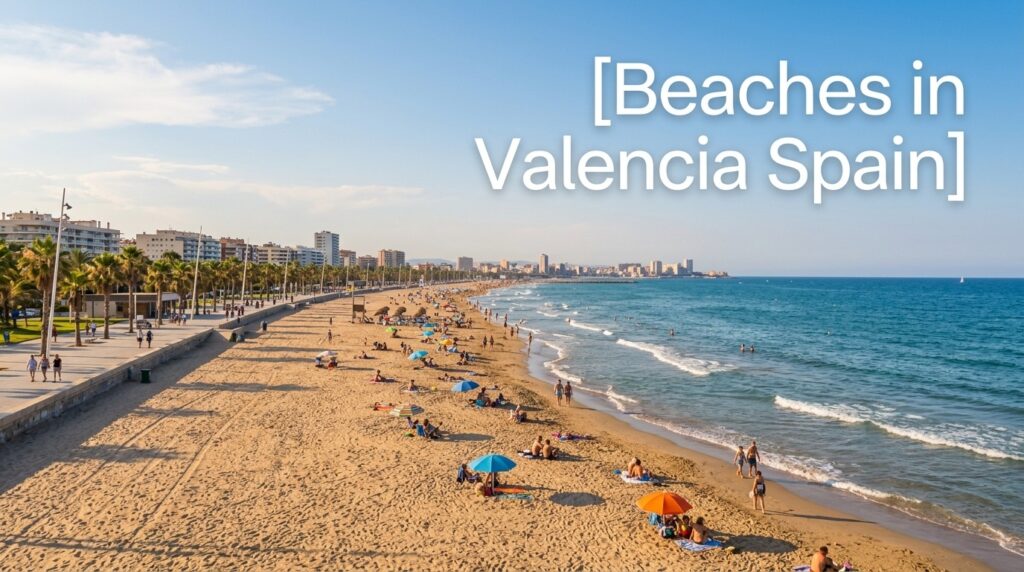
Valencia’s coastline is one of its biggest attractions.
Malvarrosa Beach
Malvarrosa Beach is the city’s most famous beach.
Visitors enjoy:
- Soft golden sand
- Clear waters
- Beachfront restaurants
- Water sports
Patacona Beach
Patacona offers a quieter atmosphere than Malvarrosa and is popular among families.
El Saler Beach
Located within a protected natural park, El Saler provides a more natural and peaceful beach experience.
Its scenic dunes and clean waters attract nature lovers throughout the year.
Exploring Valencia’s Old Town
The historic center of Valencia is filled with architectural treasures and charming streets.
Walking through the Old Town allows visitors to discover:
- Historic churches
- Ancient plazas
- Traditional shops
- Hidden courtyards
Every corner tells a story about the city’s rich past.
Popular neighborhoods include:
El Carmen
El Carmen is famous for:
- Street art
- Historic buildings
- Nightlife
- Boutique shops
La Seu
This district surrounds Valencia Cathedral and contains many significant historical landmarks.
Food and Cuisine in Valencia Spain
Valencia is considered one of Spain’s culinary capitals.
Birthplace of Paella
Valencia is the original home of paella, Spain’s most famous dish.
Traditional Valencian paella typically includes:
- Rice
- Chicken
- Rabbit
- Green beans
- Saffron
Authentic versions differ from the seafood paellas often found elsewhere.
Must-Try Valencian Dishes
Fideuà
A seafood dish similar to paella but prepared with noodles instead of rice.
All i Pebre
A traditional eel stew popular in the Valencia region.
Horchata
A refreshing drink made from tiger nuts.
Buñuelos
Sweet fried pastries enjoyed especially during festivals.
Festivals and Events in Valencia Spain
Valencia hosts some of Spain’s most spectacular celebrations.
Las Fallas Festival
Las Fallas is Valencia’s most famous event.
Held every March, it features:
- Giant artistic sculptures
- Fireworks displays
- Street parties
- Traditional costumes
The festival concludes with the burning of enormous sculptures in a dramatic celebration.
Semana Santa Marinera
This Easter celebration combines religious traditions with maritime heritage.
Valencia Marathon
The city also hosts one of Europe’s fastest and most popular marathon events.
Parks and Green Spaces
Valencia is surprisingly green for a major city.
Turia Gardens
Turia Gardens is one of Europe’s largest urban parks.
Built on a former riverbed, it stretches for several kilometers through the city.
Visitors can enjoy:
- Walking paths
- Cycling routes
- Sports facilities
- Beautiful gardens
Albufera Natural Park
Located just south of Valencia, this protected wetland area offers:
- Birdwatching
- Boat rides
- Sunset views
- Traditional fishing villages
It is also believed to be the birthplace of paella.
Transportation in Valencia Spain
Getting around Valencia is easy and convenient.
Metro System
The metro connects:
- City center
- Airport
- Beaches
- Major attractions
Buses
An extensive bus network covers the entire city.
Bicycles
Valencia is one of Spain’s most bike-friendly cities.
Dedicated cycling paths make exploring the city both safe and enjoyable.
Walking
Many attractions are located within walking distance of one another.
Where to Stay in Valencia Spain
Valencia offers accommodation options for every budget.
Luxury Hotels
Luxury travelers can enjoy:
- Premium services
- Spa facilities
- Rooftop pools
- Fine dining
Mid-Range Hotels
Many excellent mid-range properties offer comfort and convenience without high prices.
Budget Accommodation
Budget travelers can choose from:
- Hostels
- Guesthouses
- Affordable hotels
Beachfront Resorts
Beach lovers often prefer accommodations near Malvarrosa or Patacona Beach.
Shopping in Valencia Spain
Shopping opportunities range from traditional markets to modern shopping centers.
Popular purchases include:
- Ceramics
- Leather goods
- Local wines
- Handmade crafts
- Fashion items
The city’s shopping districts combine international brands with local boutiques.
Day Trips from Valencia
Valencia serves as an excellent base for exploring nearby destinations.
Albufera
Famous for natural beauty and traditional Spanish culture.
Xàtiva
Known for its impressive hilltop castle and historical significance.
Sagunto
Offers Roman ruins and medieval landmarks.
Peñíscola
A picturesque coastal town featuring a dramatic castle overlooking the sea.
Travel Tips for Visiting Valencia Spain
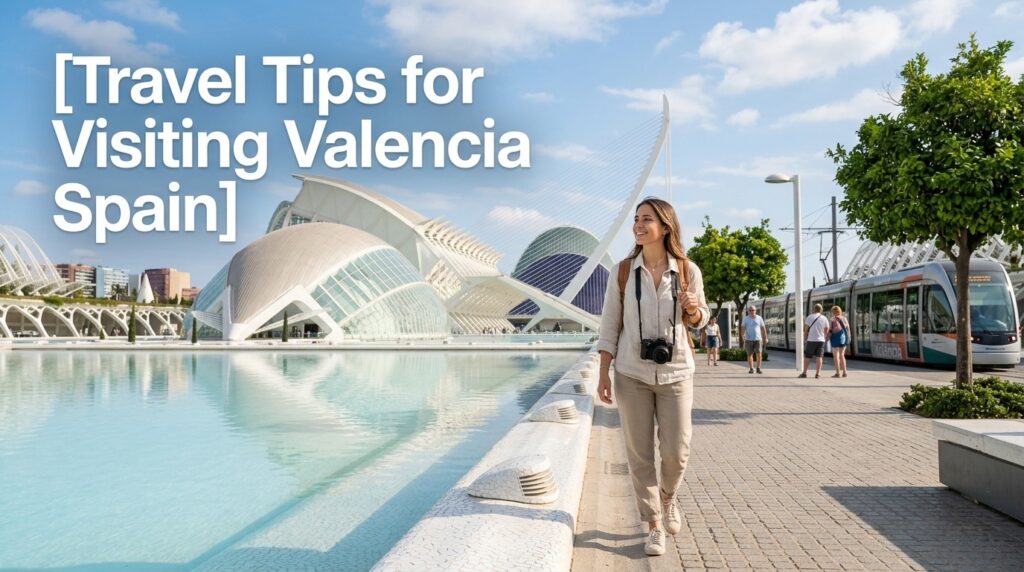
To make the most of your visit:
- Book accommodation early during Las Fallas.
- Try authentic Valencian paella.
- Carry comfortable walking shoes.
- Visit major attractions early in the day.
- Use public transportation for convenience.
- Spend time exploring neighborhoods beyond the main tourist areas.
- Reserve tickets in advance for popular attractions.
These simple tips can help create a smoother and more enjoyable travel experience.
FAQs
Is Valencia Spain worth visiting in 2026?
Yes, Valencia remains one of Spain’s top destinations in 2026. Visitors can enjoy historic landmarks, beautiful beaches, excellent food, and modern attractions while avoiding some of the larger crowds found in other major Spanish cities.
How many days do you need in Valencia Spain?
Most travelers find that 3 to 5 days is enough to explore the main attractions, enjoy the beaches, experience local cuisine, and visit nearby destinations. Longer stays allow for a deeper exploration of the region.
What is Valencia Spain famous for?
Valencia is famous for being the birthplace of paella, the City of Arts and Sciences, Las Fallas Festival, beautiful Mediterranean beaches, and its unique combination of historical and modern architecture.
Conclusion:
Valencia Spain is a destination that successfully combines history, culture, architecture, cuisine, and coastal beauty into one unforgettable travel experience. From the futuristic City of Arts and Sciences to the charming streets of the Old Town and the relaxing Mediterranean beaches, the city offers something for every traveler.
Whether you’re visiting for its famous paella, stunning landmarks, exciting festivals, or beautiful coastline, Valencia Spain delivers memorable experiences throughout the year. Its welcoming atmosphere, excellent infrastructure, and rich cultural heritage make it one of the most rewarding destinations in Europe and a must-visit city for travelers planning a trip to Spain in 2026.
Read More:Lake Garda: The Complete Guide to Italy’s Most Beautiful Lake

I am a travel enthusiast who loves exploring India’s beautiful destinations, culture, history, food, and hidden places. Through my travel website, I aim to help travelers discover amazing places in India and plan memorable trips with useful travel information and tips.